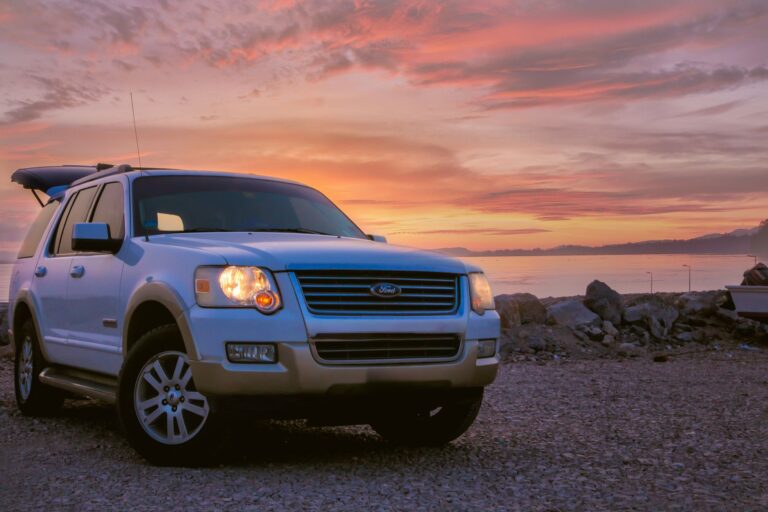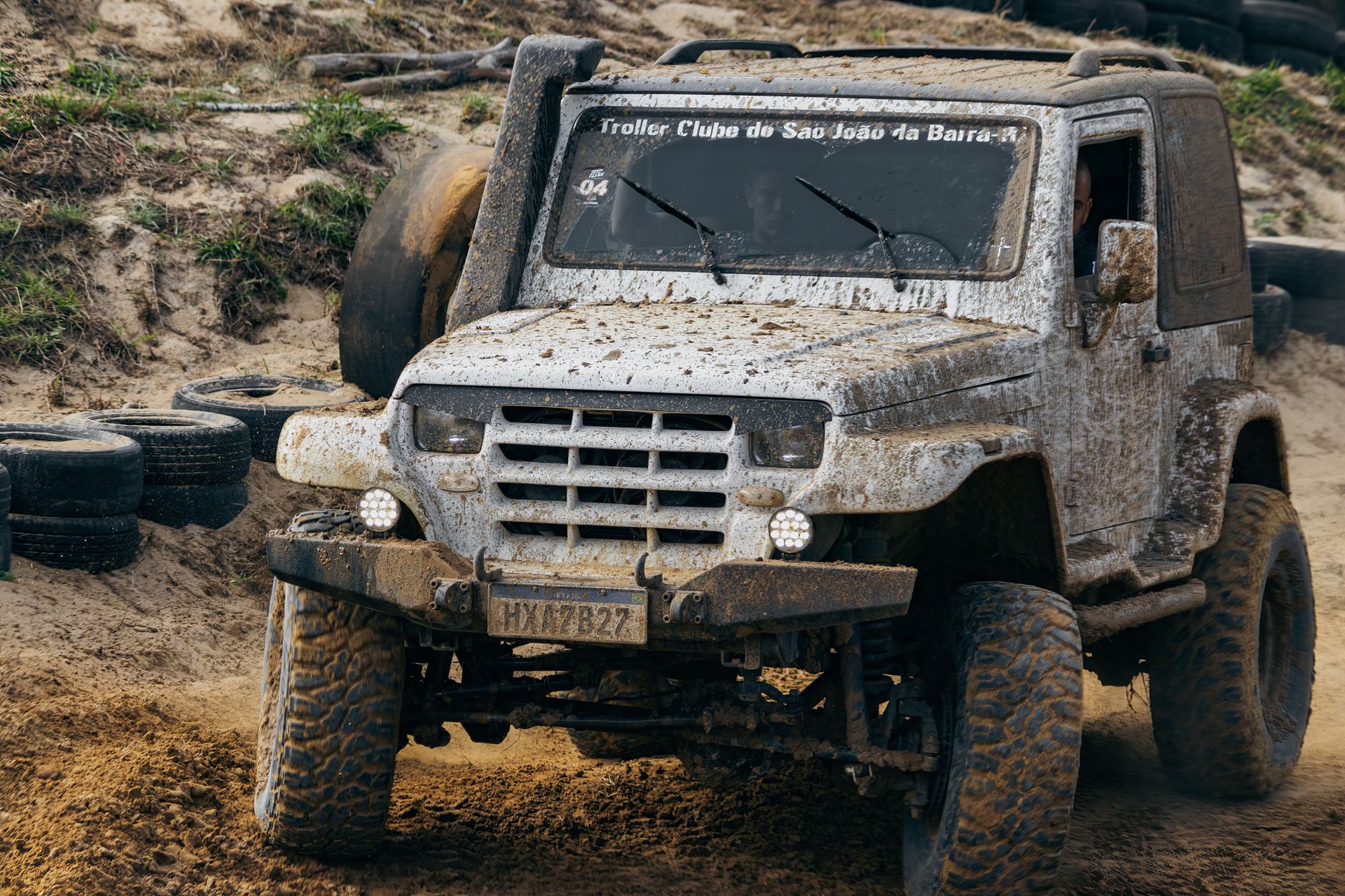

The choice comes down to where the truck runs, how often traction gets tested, and what you’re willing to pay for extra grip. A 2WD pickup usually costs less and stays simpler, while 4WD adds traction for snow, mud, sand, and rough work sites.
If you’re choosing between daily commuting, towing, or seasonal winter driving, this breakdown helps match the drivetrain to the route, weather, and workload.
The Core Difference Between Two-Wheel And Four-Wheel Drive
Power reaches the road through one axle or two, and that changes how a truck behaves the second traction gets scarce. A 2WD setup sends torque to a single axle, while a 4WD system can route it to all four tires through a transfer case and front differential when conditions get slick.
That split matters because grip and horsepower aren’t the same thing. A Ford F-150, Chevrolet Silverado, Ram 1500, or Toyota Tacoma in 2WD can still tow and commute well on dry pavement, but loose ground exposes the difference quickly. The choice starts with surface type, load, and weather, not with trim badges.
Rear Drive And Part-Time Four Wheel Drive
Rear-wheel drive puts the rear tires in charge of moving the truck and leaves the front axle out of the power path. Fewer driveline parts usually mean less weight and a calmer feel on the highway.
Part-time 4WD works differently. A transfer case locks the front and rear axles together so torque reaches all four tires at once, which is why Jeep models, Toyota Tacoma TRD trims, and many 4×4 work trucks dig through snow and mud more confidently than a 2WD truck can.
Traction Is The Real Divider
Traction is a friction problem, not a badge problem. On dry asphalt, a 2WD truck can put down plenty of force; on gravel, a wet boat ramp, or rutted dirt, the extra contact patches from 4WD matter a lot more than engine output.
That physics shows up the moment a tire starts to spin. Once a driven wheel slips, friction drops and the truck wastes torque in wheelspin instead of forward motion, which is why a loaded pickup can feel planted in 4WD and twitchy in 2WD on loose ground.
That planted-versus-twitchy feel comes with a simpler setup that many drivers find easier to live with.
Lower Cost And Simpler Ownership With 2WD
Sticker price is usually where 2WD pulls ahead, and the gap can be noticeable on a work truck or fleet unit. Fewer driveline parts, no front differential, and no transfer case mean less hardware to buy, less weight to carry, and less money tied up in the build.
That simpler setup also cuts long-term maintenance costs. There are fewer fluids to service, fewer seals that can seep, and fewer U-joints or front axle parts that can wear out. For city commutes and highway miles, that tends to matter more than the extra hardware under a 4WD chassis.
Why Urban And Highway Driving Favors 2WD
Most paved routes never ask for four driven wheels. If a truck spends its life in traffic, on interstates, or on suburban roads, 2WD truck pros and cons usually tilt toward the pros because the drivetrain is doing less work for the same trip.
Fleet managers know that well. A service truck carrying tools across Dallas, Phoenix, or Atlanta doesn’t need the same traction package as a ranch truck in Montana, and the savings can add up across an entire fleet.
- Lower purchase cost means more budget left for tires, brakes, or a better axle ratio.
- Less driveline hardware reduces service points and parts count.
- Lower curb weight can improve empty-road feel and stop-and-go behavior.
- Everyday simplicity suits commuting, errands, and paved job routes.
Carry weight, not prestige, in the cab. A truck that spends 95 percent of its life on pavement rarely earns the extra mass of a four-wheel-drive system.
That doesn’t make 2WD a bad choice; it makes it a smart one for plenty of normal use. Once most of the mileage stays on road, 4WD has to justify itself somewhere else.
When the road turns routine, the savings of a lighter drivetrain start looking more appealing than extra grip.
Traction And Control Where 4WD Pulls Ahead
Snow, mud, sand, and broken ground expose the limits of fewer driven wheels. A four-wheel-drive truck spreads torque across more contact points, so each tire has less work to do and less chance of breaking loose on slippery surfaces.
That extra control matters during winter starts, hill climbs, and low-speed moves on job sites. A loaded Ram 1500 or Chevrolet Silverado in 4WD can pull away more cleanly on packed snow than the same truck in 2WD, especially with an open rear differential.
Winter Roads And Slippery Launches
Cold-weather grip is where the 2WD vs 4WD trucks comparison gets easy to feel. On icy pavement, 4WD helps the truck move forward with less wheel spin, and that can make merging, turning, and starting on an incline far less stressful.
The physics are straightforward: tire contact patches only work as far as available friction allows, and winter tires improve that friction more than drivetrain choice alone. A 4WD truck on all-season tires still loses to a 2WD truck on proper winter rubber in some braking situations, because 4WD helps you go, not stop.
Loose Ground And Job Site Use
Sand and mud punish single-axle traction. A rear-drive truck can dig itself into a deeper rut as one wheel spins, while 4WD keeps the truck moving more evenly across soft ground and uneven surfaces.
That’s why rural drivers and contractors weigh 4WD truck pros and cons differently. Ground clearance, tire choice, and locking differentials still matter, but 4WD gives you a much better start when the surface turns ugly.
Check how the truck behaves in 2WD mode, too. Some 4WD systems can stay in rear-drive on dry pavement, which lets you save fuel until the road turns slick.
That traction edge leads straight into the next tradeoff, because the hardware that helps in snow also affects fuel use and maintenance.
Those gains come at a price, since every added component brings more mass, drag, and upkeep.
Fuel Economy, Weight, And Mechanical Complexity
Extra hardware adds mass, and mass shows up at the pump. A 4WD truck often returns slightly lower fuel economy than a similar 2WD model because the transfer case, front axle components, and driveshafts add rotating drag and curb weight.
The difference isn’t dramatic in every trim, but it’s real enough to matter over years of commuting. A lighter truck also tends to feel a bit more willing in braking and lane changes, which is why 2WD can feel calmer in day-to-day driving.
What Extra Weight Does To Road Feel
Weight changes more than mpg. It affects how the truck settles over bumps, how fast it responds to steering input, and how much work the brakes do during repeated stops.
A heavier drivetrain can make a pickup feel more planted at speed, yet that same mass can dull acceleration from a stop. On a long daily commute, you feel that difference every week, even when the truck is empty.
The Maintenance Tradeoff
More moving parts mean more places for wear to show up. A 4WD transfer case needs fluid service, front axle seals can seep, and additional joints and bearings bring more inspection points into the mix.
That mechanical complexity is the quiet price of added traction. You don’t buy 4WD for light-duty commuting and expect the same simplicity as a rear-drive truck, because the drivetrain has more parts doing more jobs.
| Factor | 2WD Truck | 4WD Truck |
|---|---|---|
| Weight | Lighter | Heavier from front axle and transfer case parts |
| Fuel use | Slightly better on paved routes | Slightly lower due to extra drag |
| Service points | Fewer seals and joints | More fluids, joints, and driveline parts |
| Traction | Strong on dry pavement | Stronger on snow, mud, sand, and rough ground |
That tradeoff leads straight into towing, because traction and tow rating aren’t the same thing. A truck can have plenty of pulling power and still struggle to get a trailer moving on a wet ramp.
Even with strong numbers on paper, real-world towing still hinges on how the truck is equipped.
Towing And Hauling Depend More On Setup Than Drive Type
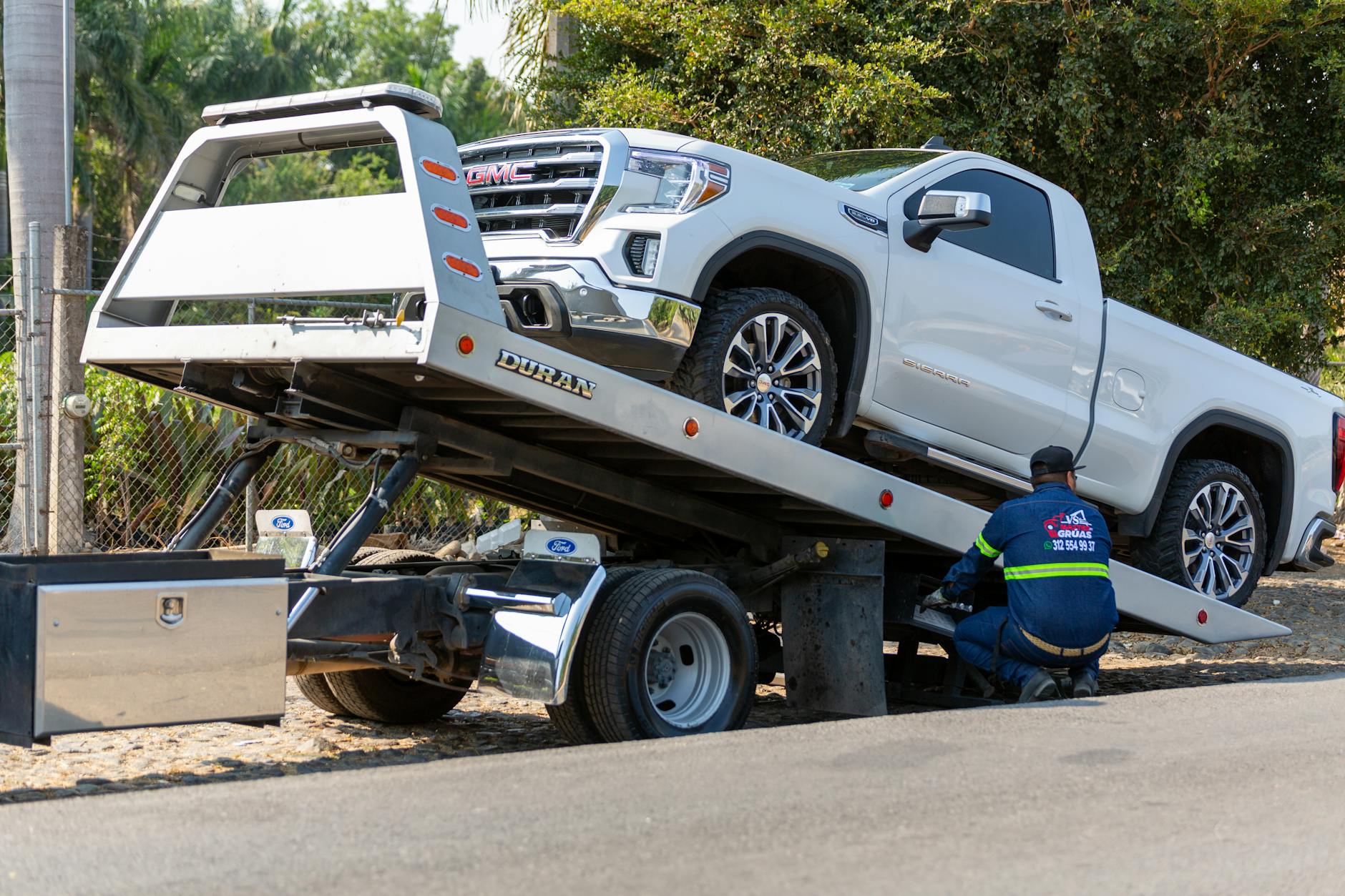
Engine output, axle ratio, brakes, suspension tuning, and cooling package do most of the work in towing. A heavy-duty Silverado 2500HD with the right rear axle can out-pull a lighter 4WD pickup even if the lighter truck has more driven wheels.
Drive type matters most at the start of the pull and on slick launch surfaces. Once the trailer is rolling on dry pavement, the drivetrain’s traction advantage matters less than chassis stability, brake control, and the truck’s rated setup.
Where 4WD Helps With A Trailer
A muddy boat ramp, a wet campground pullout, or a snowy driveway is where 4WD earns its keep. Extra driven wheels reduce wheel spin under load, so the truck can ease into motion without shredding traction at the rear tires.
That same advantage helps a truck with a camper shell, enclosed trailer, or heavy tongue weight get moving on loose gravel. The benefit is launch control, not a higher tow number.
Where It Adds Little
On dry interstate miles, 4WD changes very little about tow stability. Wheelbase, weight distribution, hitch setup, tire load rating, and brake condition shape the tow experience more than the drive system once the rig is in motion.
That’s why the question of whether you need 4WD for towing or off-road use splits into two parts. For towing on pavement, the answer often leans toward 2WD or either setup. For boat ramps, ranch roads, and snow-covered access roads, 4WD earns a stronger case.
Match the axle ratio to the load before you chase extra drivetrain parts. A well-chosen 3.73 or 4.10 gear set can change towing behavior more than the extra front axle ever will.
Truck makers know that split well. Ford F-150, Chevrolet Silverado, and Ram 1500 buyers can choose towing packages that change cooling, springs, and axle ratios, which is why the same nameplate can tow very different loads.
Because those choices vary so much, the best setup depends on climate, terrain, and how much you want to spend.
Matching The Truck To Weather, Terrain, And Budget
Paved commuting, mild weather, and lighter duty point toward 2WD. Rural roads, steep grades, snow belt winters, and regular dirt use point toward 4WD, especially when the route starts before the plows run or ends on a loose access road.
The smartest 2WD vs 4WD truck comparison starts with the worst day, not the average one. A Tacoma that lives on mountain roads or a Jeep used on trail access routes has a different need than a Silverado that spends its life on suburban asphalt.
Use A Simple Choice Test
A short checklist keeps the decision grounded in real use instead of badge appeal. Use the routine, not the brochure, and the answer gets clearer fast.
- Choose 2WD for mostly paved commuting, city errands, and lower ownership cost.
- Choose 4WD for regular snow, mud, sand, or remote roads.
- Pick 2WD when towing stays on firm pavement and budget matters.
- Pick 4WD when launch traction matters more than empty-road fuel economy.
- Check tire choice because the right rubber can change grip more than drivetrain alone.
Use Terrain And Climate As The Tie Breaker
Climate can settle the decision faster than trim level. In the upper Midwest, Northeast, mountain towns, and high-desert ranch country, 4WD adds real margin on rough days and unplowed mornings.
In warm cities and flat suburbs, 2WD often gives exactly what’s needed without carrying extra parts that never get touched. That’s why the right answer depends less on the truck and more on the routes it will actually run.
All of that makes one thing clear: matching capability to actual use matters more than chasing the biggest badge.
Wrap Up
The right drivetrain follows the roads, not the badge. 2WD keeps cost, weight, and maintenance lower, while 4WD gives you the traction margin that matters on snow, mud, sand, and rough access roads. For city and highway use, 2WD often fits cleanly. For harsh weather or off-road work, 4WD earns its place.
FAQ
Is 2WD or 4WD better for a truck?
Neither is better in every case. 2WD fits paved commuting, lower cost, and simpler ownership, while 4WD fits snow, dirt, and slippery job sites where traction matters more than efficiency.
Why would anyone buy a 2WD truck?
A 2WD truck costs less, weighs less, and often uses less fuel. That makes sense for highway driving, city routes, and light-duty hauling where extra traction rarely comes into play.
What are the disadvantages of a 2WD truck?
On snow, mud, sand, and loose gravel, that setup loses traction sooner. It also gives you less launch grip on steep or slick surfaces, which can matter near boat ramps or rural roads.
Is 4WD worth the extra money?
A truck that spends real time in harsh winter weather, off-road conditions, or work sites with loose ground often justifies the extra money for 4WD. It’s less compelling for ordinary paved driving.
Do I need 4WD for snow, towing, or off-roading?
Snow and off-road use push the answer toward 4WD, especially on hills or unplowed roads. For towing on dry pavement, axle ratio, brakes, suspension, and engine setup matter more than drive type alone.
Can a 4WD truck still drive as a 2WD truck?
Yes, many part-time 4WD trucks can stay in rear-drive mode on dry pavement. That lets you save fuel and reduce driveline wear until the road surface calls for extra traction.