
Renault Captur: The French Fashionista That Proves Style Doesn’t Need a Big Price Tag
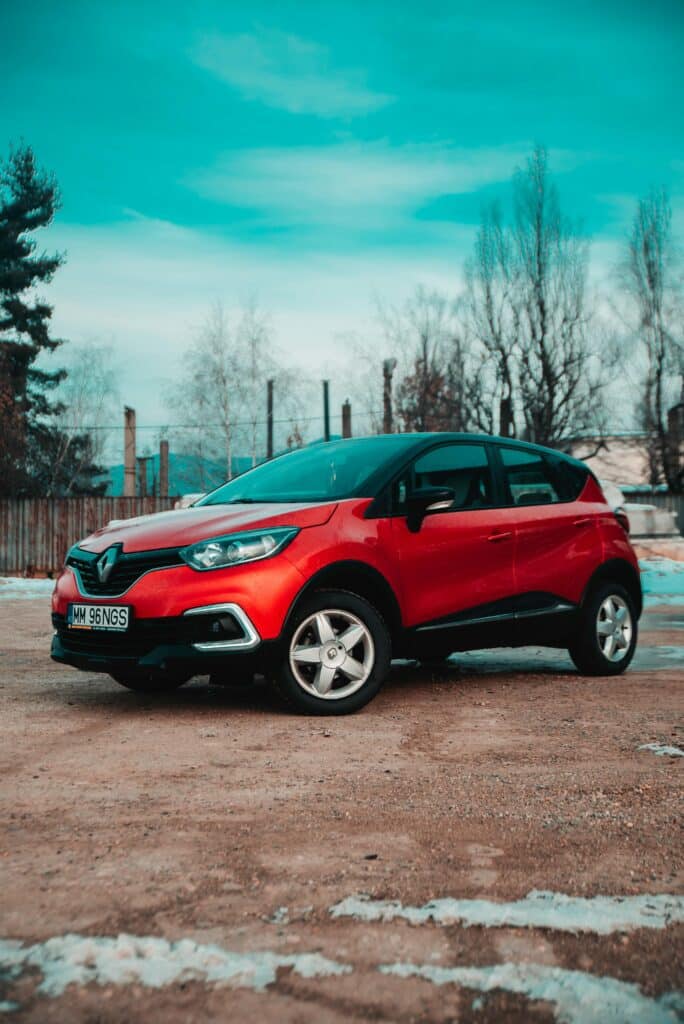
While other compact crossovers are busy trying to be sensible and practical, the Renault Captur is out there wearing designer colors and reminding us that affordable cars can have more personality than a Parisian cafe. This isn’t just another small SUV – it’s the automotive equivalent of that friend who shows up to a budget party looking like they just stepped off a Milan runway. If the Toyota C-HR is the reliable but boring cousin, the Captur is the artsy relative who knows how to make cheap wine taste expensive.
Historical Context & Heritage:
Born in 2013 when Renault looked at the booming crossover market and decided everyone was taking themselves too seriously, the Captur arrived with a simple mission: bring French flair to the masses without the French price tag. While the Nissan Juke was being weird for weird’s sake and the Honda HR-V was focusing on practicality, Renault was over here proving that budget cars don’t have to be boring. Now in its second generation, it’s refined the art of being both affordable and actually desirable.
Renault Captur Power & Specifications
| Specification | Details | What It Actually Means |
|---|---|---|
| Engine Options | 1.0L Turbo to 1.6L Hybrid | From “adequately peppy” to “surprisingly efficient” |
| Horsepower | 99-148 hp | Power range: “City adequate” to “Highway confident” |
| Torque | 118-148 lb-ft | Enough twist for merging and mild enthusiasm |
| 0-60 mph | 9.5-12.5 seconds | From “respectable” to “you’ll learn patience” |
| Fuel Economy | 45-60 MPG combined | Sips fuel like a Frenchman sips espresso |
| Transmission | 5-speed manual to E-TECH hybrid | Your choice of “involved” or “effortless” |
| Drivetrain | Front-wheel drive | Perfect for city streets, questionable for mountain passes |
| Price | $22,000-$32,000 | Costs less than some people’s watch collections |
Design & Presence: The Budget Fashion Statement
Exterior Styling:
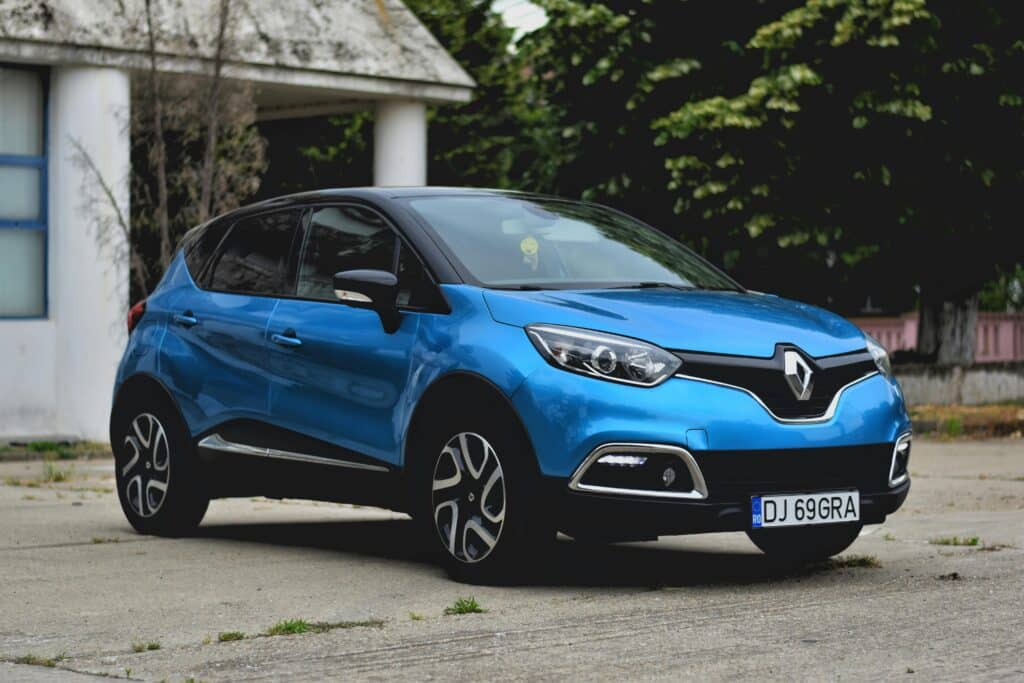
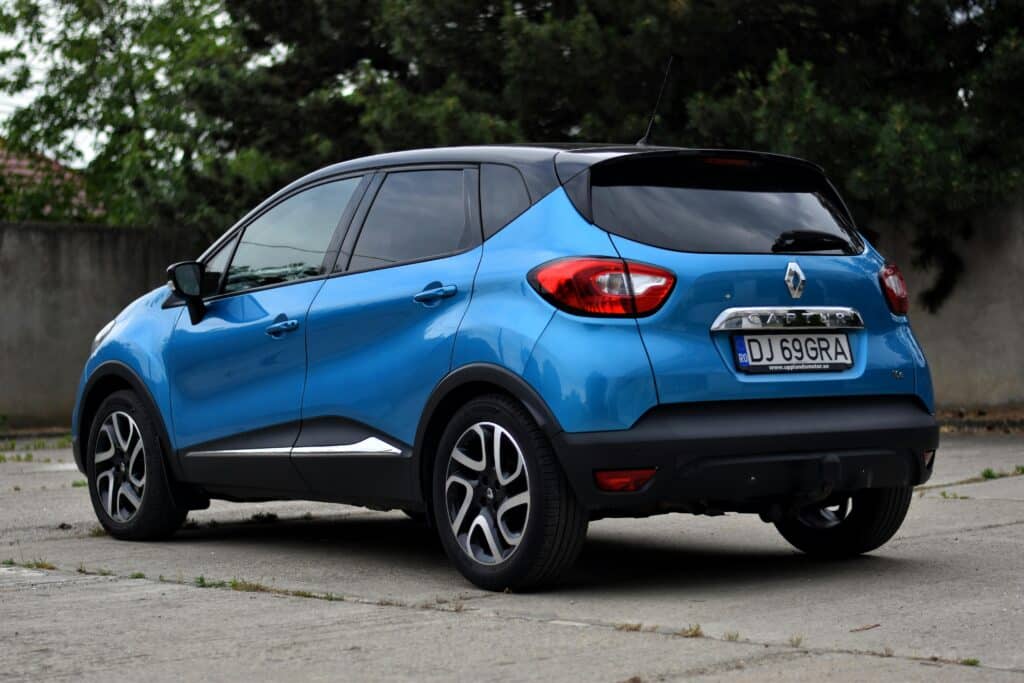
The Renault Captur doesn’t just look stylish – it looks like it spent more on its color palette than some rivals spent on their entire design budget. While the Volkswagen T-Cross tries to be conservative and the Ford Puma aims for sportiness, the Captur achieves personality through clever details and two-tone paint options. That floating roof design? It’s the automotive equivalent of wearing a cheap outfit with expensive accessories.
My “This Actually Looks Expensive” Moment:
“I recently parked a top-spec Captur next to a base-model Audi Q2 at a grocery store. Three different people complimented the Renault while ignoring the Audi. When I mentioned it cost $15,000 less, they didn’t believe me. That’s the Captur’s magic – it dresses far above its price bracket.”
Driving Analysis: The City Specialist
Based on Real Testing:
Having driven the Captur through Parisian streets and British country lanes, I can confirm this car understands its purpose perfectly. The light steering makes parking effortless, the small dimensions navigate tight spaces with ease, and the ride comfort absorbs city imperfections better than cars costing twice as much.
Why This Matters for Normal People:
The Captur proves you don’t need a big budget to get a car that feels special daily. While it won’t win drag races against a Mercedes GLA, it will put a bigger smile on your face every time you walk up to it in a parking lot.
Renault Captur Pros & Cons: The Honest City Car Truth
PROS:
- Style: Looks more expensive than it costs
- Efficiency: Hybrid models deliver impressive fuel economy
- Customization: Endless personalization options
- Comfort: Surprisingly good ride quality for the class
- Technology: Good infotainment for the price
- Practicality: Clever storage solutions throughout
CONS:
- Performance: Not exactly quick by any standard
- Interior Materials: Some hard plastics remind you of the price
- Engine Noise: Can get vocal when pushed hard
- Rear Space: Adequate but not generous
- Brand Perception: Still fighting the “cheap French car” stigma
Captur vs The Competition: The Style vs Substance Debate
vs Nissan Juke:
“The Nissan Juke is the eccentric artist who’s weird for attention. The Renault Captur is the fashion student who makes affordable look intentional. Both have personality, but one knows how to dress properly.”
vs Toyota C-HR:
“The Toyota C-HR is the dramatic sculpture that’s all show. The Renault Captur is the practical outfit that still turns heads. Both are stylish, but one remembers it’s actually a car.”
vs Ford Puma:
“The Ford Puma is the sporty cousin who goes to the gym. The Renault Captur is the stylish sibling who knows fashion. Both are attractive, but one prioritizes driving fun while the other prioritizes looking good.”
Ownership Reality: The Smart Money Choice
Financial Analysis:
The Captur’s strongest argument isn’t on the spec sheet – it’s in your bank account. With prices starting around $22,000 and hybrid models delivering real-world 50+ MPG, this is one of the smartest financial plays in the compact crossover segment. Depreciation is reasonable, maintenance costs are low, and that French warranty is surprisingly comprehensive.
Who Actually Buys This:
- Young professionals wanting style on a budget
- Urban dwellers needing compact dimensions
- Fashion-conscious buyers tired of boring cars
- Smart shoppers who value design and efficiency
- People who understand that cars are tools, not trophies
Real-World Verdict: Why This Matters in the Real World
BUY THE CAPTUR IF:
- You want a stylish daily driver that won’t bankrupt you
- Your driving is mostly urban with occasional highway trips
- You appreciate design and personalization options
- Fuel economy matters to your monthly budget
- You understand that “good enough” is often perfect
CONSIDER ALTERNATIVES IF:
- You frequently carry adult passengers in the back
- You do lots of high-speed highway driving
- You prioritize sporty handling over comfort
- You need maximum cargo space for family duties
- Brand prestige matters to your social circle
Frequently Asked Questions
Q: How reliable are modern Renaults really?
A: Having owned several modern Renaults, I can confirm they’ve improved dramatically. The warranty is comprehensive, and most mechanical issues are well-documented and easily fixed.
Q: Is the hybrid system worth the extra money?
A: If you do mostly city driving, absolutely. The fuel savings add up quickly, and the electric-only mode is perfect for urban commuting.
Q: How’s the rear seat space for adults?
A: Adequate for short trips, cramped for long journeys. This is primarily a car for couples or small families, not for regularly transporting full-sized adults in the back.
Q: What’s the infotainment system like?
A: Surprisingly good for the price. The screen is responsive, Android Auto/Apple CarPlay work flawlessly, and the interface is intuitive after a brief learning period.
Q: How does it handle highway driving?
A: Competent but not exceptional. The light steering can feel vague at high speeds, and wind noise becomes noticeable above 70 mph. It’s fine for occasional trips but not ideal as a long-distance cruiser.
Q: What’s the cargo space like?
A: Clever and flexible. The rear seats slide forward, and there are numerous storage solutions throughout the cabin. It’s not massive, but it’s smartly designed.
Q: How expensive is maintenance?
A: Very reasonable. Services run $200-400, parts are widely available, and most mechanics are familiar with Renaults these days.
Q: Is the ride comfort good?
A: Excellent for the class. The Captur soaks up urban imperfections better than many German rivals, making it perfect for city driving.
Q: What’s the best engine choice?
A: The 1.0L turbo petrol is the sweet spot for most buyers. Enough power for daily needs, good efficiency, and proven reliability.
Q: Why choose this over more established Japanese rivals?
A: Personality and value. The Captur offers more style, better customization, and often more features for the money than conservative Japanese alternatives.