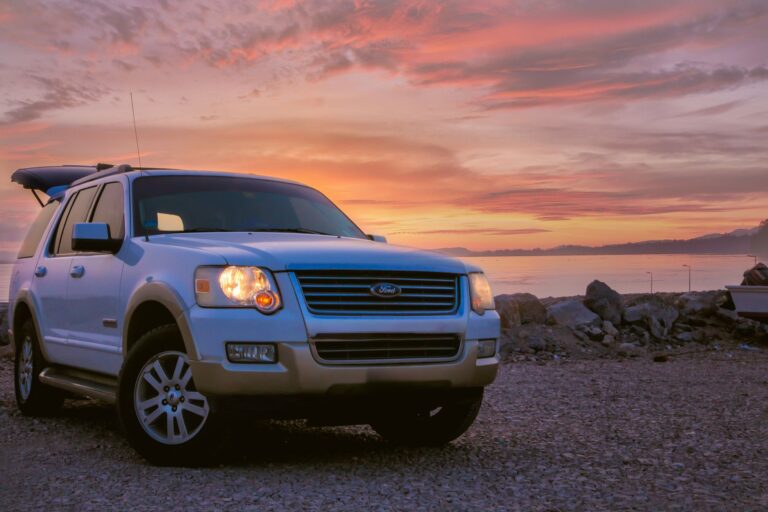

Long-term fuel storage asks for more than a jug with a cap. You need the right shape, the right pour control, and the right size for how you actually move fuel around a garage, truck bed, farm shed, or trail rig.
This roundup focuses on seven containers with different strengths, from compact packs for off-road trips to wheeled caddies for heavier jobs. You’ll also see where each one fits well, and where a different style makes more sense.
Quick Look At The Shortlist

VP Racing 35221-CA 5.5 Gal. Square Motorsport Jug

Justrite Type II Gasoline Safety Can Red Galvanized Steel
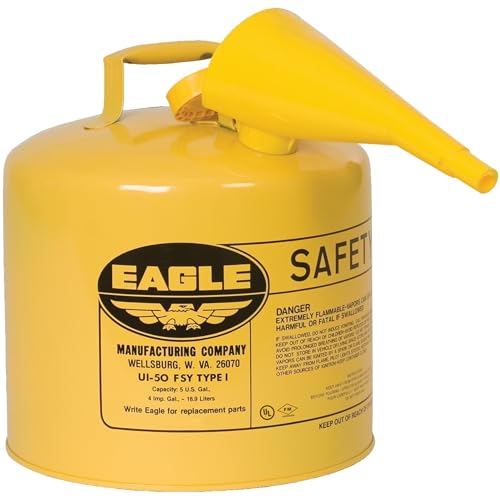
Eagle 5 Gallon Type I Yellow Safety Gas Can for Diesel

JohnDow Industries JDI-FST15 15 Gallon Fuel Station Red

RotopaX 3 Gallon Gasoline Pack Red

RotopaX 2 Gallon Gasoline Pack GEN 2 Red

VEVOR Fuel Caddy 35 Gallon Gas Storage Tank on 4 Wheels
More Details On Our Top Picks
The square body helps more than the patriotic look suggests. In a garage, workshop, or farm shed, that shape stores neatly and the reinforced corners are the kind of detail that matters after repeated handling.
Because this jug is built for non-fuel use, it suits automotive fluids, birdseed, feed, or non-potable water better than gasoline storage. The 14-inch filler hose and close-trimmed cap make pouring easier, though the trade-off is obvious, you need to keep the contents aligned with the jug’s intended use.
Strong Points
- Square profile takes less awkward shelf space.
- Reinforced stress areas help the body hold its shape.
- Long filler hose supports cleaner dispensing into buckets.
- Works well for feed, salt, and shop fluids.
Things To Consider
- It is not the right match for gasoline storage.
- The use case is broader than fuel, so labeling matters.
Feature Snapshot
Built With In Mind
You get the most value from this jug in a garage, barn, or utility area where the contents are not gasoline and the container can sit on a shelf. It makes sense for practical storage jobs where space efficiency matters more than fuel-specific hardware.
Where Another Pick Suits Better
Justrite Type II Gasoline Safety Can Red Galvanized Steel is the better match for you when fuel transfer is the whole job and a dedicated gas can matters more than versatility.
This one feels built around control, not just containment. The patented manifold and Safe-Squeeze trigger are meant to keep flow steadier, which helps in a busy garage where spilling fuel across a filler neck gets old fast.
Galvanized steel and a chemical-resistant powder coating point to a tougher finish than the softer plastic style of the VP Racing jug. You also get a flexible metal hose and lift lever, so smaller openings are easier to reach, though the metal body adds weight you’ll notice during repeated carries.
What We Like
- Controlled pouring helps reduce slosh and overfill mess.
- Steel construction feels suited to repeated shop use.
- Metal hose reaches smaller tank openings more cleanly.
- Ergonomic lift lever makes refills less awkward.
- Good fit for places where fuel handling stays regular.
Room For Improvement
- Steel construction is less nimble than lighter containers.
- It takes more care to move than the smaller RotopaX packs.
- Surface upkeep matters more with metal than with molded plastic.
Core Details
Who Should Grab It
You suit this can best when fuel transfer happens often and you want a careful pour rather than a bare-bones container. It fits garage work, small equipment, and anyone who values a more controlled handoff.
A Better Fit Elsewhere
JohnDow Industries JDI-FST15 15 Gallon Fuel Station makes more sense for you when larger equipment and less frequent refills call for a wheeled setup.
Compared with the Justrite can, this Eagle keeps the shape simpler and the setup more old-school. The self-closing lid and flame arrester are the kind of features that matter in a work space where a straightforward steel can is still the preferred tool.
The F-15 funnel adds useful reach for filling equipment, and the yellow finish makes the can easy to spot in a crowded shed. One thing worth considering is that the source details are sparse, so you are choosing mainly on the steel build and the closure hardware rather than a long list of extras.
Highlights
- Steel body suits rough shop handling.
- Self-closing lid adds a practical layer of control.
- Flame arrester is a key safety-minded feature.
- Included funnel helps with equipment refills.
- Made in the USA may matter to some shoppers.
Small Caveats
- Feature details are narrower than several other picks here.
- The layout is less specialized than the Justrite can.
- Steel surfaces may call for routine cleaning and drying.
Technical Sheet
Whose Shelf It Belongs On
This belongs with you if you want a sturdy, conventional can for a garage or shed and prefer familiar hardware over extra complexity. It fits diesel-focused storage and daily shop use especially well.
Look Elsewhere When
VP Racing 35221-CA 5.5 Gal. Square Motorsport Jug is the better match for you when the container needs to pull double duty for non-fuel storage like feed or liquid supplies.
Now the size jumps up, and that changes the job completely. The welded steel tank, 10-foot hose, shut-off valve, and squeeze handle make this feel closer to a fueling station than a hand-carried can.
For landscaping crews, farm use, or a property with several gas-powered tools, the four-wheel base saves a lot of lifting. The trade-off is simple, you need the floor space and the willingness to manage a much larger container.
Upsides
- Large capacity reduces refill frequency.
- Four wheels make movement less demanding.
- Gravity-feed dispensing keeps the setup straightforward.
- 10-foot hose helps reach equipment without moving the tank.
- Steel construction suits hard-working utility settings.
Points To Note
- Takes up more room than any smaller container here.
- Better suited to a fixed storage spot than travel.
- Heavier format makes casual handling less convenient.
Feature Rundown
Right Fit For
You fit this station best when you manage multiple machines and want one place to keep fuel ready. It suits larger yards, work trailers, and equipment storage areas where a rolling tank makes sense.
Swap It Out When
RotopaX 3 Gallon Gasoline Pack is the better call for you when mounting space is tight and trail-ready portability matters more than capacity.
The shape is the point here. Unlike the conventional jerry-can style of the Eagle and Justrite picks, this pack uses a flat, mount-friendly profile that works neatly on racks, tailgates, spare-tire carriers, and UTV cages.
It suits off-roading, camping, and overlanding because it stays easy to secure and carries without a lot of wasted space. Seamless construction and a secure seal are reassuring details, though the smaller capacity means you are trading volume for a cleaner fit on the vehicle.
Best Bits
- Flat body mounts more easily than a round can.
- Three-layer rotational molding supports a tougher shell.
- Leak-resistant construction suits bumpy travel.
- Works well on trucks, UTVs, and trail rigs.
Worth Noting
- Three gallons is modest for heavier fuel needs.
- Mounting hardware is part of the real-world setup.
Details At A Glance
The Right Fit
You fit this pack best when your fuel needs travel with you, not sit on a shelf. It makes the most sense for trail vehicles, rooftop cargo, and packed garage setups where flat storage matters.
Another Choice May Suit
VEVOR Fuel Caddy 35 Gallon Gas Storage Tank on 4 Wheels works better for you when the goal is a stationary fueling setup with much more volume.
Everything about this version leans smaller and tidier than the 3-gallon RotopaX pack. The twist-and-lock attachment makes it convenient for quick removal and reattachment, which is useful on a UTV or compact truck setup where gear changes often.
The lower capacity keeps it from being a full-service fuel solution, but that is the point for many rigs. You get the same flat, space-saving layout in a size that stays easier to stow, especially in places where every inch of rack space counts.
Reasons To Buy
- Small size stays easy to mount and store.
- Twist-and-lock motion makes setup more convenient.
- Flat shape works well on racks and carriers.
- Good match for short trips and light backup fuel.
Areas To Watch
- Two gallons is narrow for longer outings.
- You will need a mounting plan before use.
Spec Overview
Made For
You suit this best when you want the smallest practical fuel reserve for off-road hardware or a compact truck bed setup. It makes sense for short outings and vehicles where storage room is tight.
Where A Sibling Pick Shines
RotopaX 3 Gallon Gasoline Pack is the better fit for you when a little more capacity matters and the mount can handle the extra size.
By the time you reach this caddy, the category stops feeling portable and starts feeling like shop infrastructure. Four wheels and a manual pump make it easier to move fuel around for lawn equipment, boats, ATVs, and cars without lifting a heavy tank by hand.
The size is the big story, and it suits larger properties or work areas where a central fuel source saves time. The catch is simple: this is a storage-and-dispensing station, so it asks for room, planning, and a fixed spot to live.
Positives
- Large volume cuts down on repeat refills.
- Wheels make transport easier across a work area.
- Manual pump gives you direct dispensing control.
- Good fit for multiple outdoor machines.
- Station-style setup helps organize fuel in one place.
Softer Spots
- Its footprint is much larger than the other picks.
- Best kept in one location rather than moved often.
- Assembly and placement matter more with a tank this size.
Core Details
The Right Fit
You fit this caddy best when you maintain several fuel-powered tools and want a central tank in the garage, shed, or work yard. It makes the most sense for property owners who value capacity over portability.
Reach For A Different Pick When
RotopaX 2 Gallon Gasoline Pack GEN 2 is the better match for you when compact mounting and trail travel matter more than bulk storage.
How To Choose The Right Containers For Long Term Gasoline Storage
Material And Build Shape The Whole Experience
Steel containers usually feel stiffer and more traditional, which suits garage storage and frequent handling. Molded plastic packs, like the RotopaX models, are easier to mount and carry in a vehicle, especially when flat space matters more than brute capacity.
Shape matters just as much as material. Square and rectangular bodies waste less shelf or rack space, while round cans can be easier to grab but harder to stow cleanly.
Capacity Should Match Your Real Use
A 2-gallon container fits small backup needs, while 5-gallon cans work well for common equipment and shorter refill cycles. Once you move into 15- or 35-gallon territory, you are choosing a stationary fueling setup, not a hand-carried can.
That size jump changes maintenance too. Larger tanks need a clear home, careful placement, and a plan for how you’ll move them around the property.
Pour Control And Access Are Easy To Underestimate
Features like a flexible metal hose, shut-off valve, or squeeze trigger matter because they affect how cleanly fuel moves. A steady pour helps around smaller tank openings, which is useful in a workshop or with compact equipment.
Hose length also changes daily convenience. A longer hose can spare you from dragging a heavy container close to the machine, which becomes a real relief on larger jobs.
Think About Storage Environment And Handling
Containers for garages, farms, and trail vehicles face different stresses. A pack that rides on a rack needs a secure mount, while a caddy in a shed needs wheels and room to turn.
Cleaning and routine inspection matter more than many people expect. Metal bodies can need more attention around surfaces and closures, while molded containers benefit from checking seals, lids, and any mounting hardware before a trip.
What To Weigh Before You Decide
Common Shopping Slip Ups
Many people start with size and forget the way the container will actually move. A 35-gallon caddy sounds useful until you need to store it in a cramped garage.
Another common miss is choosing a style that does not match the job. A non-fuel utility jug can be handy around a farm, but it is not the same thing as a dedicated gasoline can.
What The Higher Tier Buys
More expensive options usually bring thicker materials, better pouring controls, or a more specialized mounting system. That extra spend tends to go toward easier handling, cleaner transfer, and hardware that feels better suited to repeated use.
For frequent fueling, the upgrade can make sense because the container becomes part of your routine instead of an occasional backup item. For light use, a simpler can may be enough.
Frequently Asked Questions
How long can gasoline stay in a storage container?
That depends on the container, the seal, and how well the fuel is protected from moisture and heat. A tighter lid and steady storage conditions help more than a fancy shape alone.
Is a metal can better than a molded plastic pack?
Metal usually feels more traditional and can suit shop environments, while molded packs are easier to mount and carry on vehicles. Your best choice comes down to where the container lives most of the time.
What size works best for everyday garage use?
A 2- to 5-gallon container covers a lot of everyday needs without taking over the space. Larger tanks make more sense only when you fuel several machines from one place.
Do all of these options fit vehicle mounting?
No, some are made for shelving or rolling transport, while others use a flat profile that suits racks and carriers. Mounting-friendly shape matters more than capacity alone.
Why does pouring hardware matter so much?
Good pouring control helps keep fuel where it belongs and reduces awkward handling. That matters most with small tanks, tight filler necks, and repeated use.
Final Thoughts
The right container depends on how you store fuel and how often you move it. For a garage or shed, the Justrite and Eagle cans keep things straightforward, while the RotopaX packs make more sense on a truck, UTV, or trail rig. For larger properties, the JohnDow and VEVOR options turn fuel into a managed station instead of a carried chore. Choose the shape that fits your space first, then the capacity that fits your routine.