
Long days on the road call for cold drinks, steady meal storage, and gear that doesn’t make your cab feel cluttered. These electric coolers fit truck drivers who want something smaller than a full fridge but more dependable than a soft-sided cooler. You’ll see compact units for tight spaces, larger picks for longer hauls, and dual-power models that suit truck cabs, RV add-ons, and camp stops. The right one depends on how much space you can spare and how often you plug in.
Quick Shortlist For Long-Haul Cabs

BougeRV 12V Refrigerator 42 Quart

EUHOMY 12 Volt Refrigerator 24QT(23L)

Electric Car Cooler and Warmer 26 Quart
VEVOR Car Refrigerator 16 QT

EKOJUCE 12 Volt Refrigerator 53 Quart

Alpicool C12 Portable Freezer 13 Quart

EKOJUCE 12 volt Car Refrigerator 11 Quart
More Details On Our Top Picks
For truck life, this 42-quart BougeRV lands in a useful middle zone, roomy enough for meals and drinks without taking over the cab. The MAX and ECO modes give you a practical choice between stronger cooling and lighter power use, and the 45dB noise level should suit overnight parking better than louder boxy units.
The temperature span from -4 to 50°F means you can treat it like a refrigerator or a freezer, depending on what your route looks like. That flexibility matters on multi-day runs, though the larger footprint asks for a little planning in smaller sleeper setups.
Strong Points
- 42-quart capacity fits a solid mix of meals, cans, and prep containers.
- MAX and ECO modes help you balance faster pull-down with gentler energy use.
- The lower noise profile suits night parking and shared sleeper spaces.
- The wider temperature range lets you switch between chilled storage and frozen items.
- Three-level battery protection is a useful layer for vehicle-based use.
Things To Consider
- The larger body asks for careful cab planning, especially in tighter trucks.
- The feature set is more involved than a simple plug-in cooler, so setup takes a little more attention.
- Cleaning and loading are easier when you keep the interior organized from the start.
Feature Snapshot
Who It Suits Best
Truck drivers who want one cooler to handle both daily lunch duty and longer stretches on the road get the most from this size and temperature range.
A Better Fit Elsewhere
EUHOMY 12 Volt Refrigerator 24QT(23L) suits solo cabs or shorter routes better, since its smaller body is easier to place in tighter spaces.
EUHOMY’s 24QT format feels like a smart step down in size from the BougeRV 42-quart unit, especially for truck drivers who want easier placement and less cab clutter. The app control and dual-power support give it a more modern feel, and the 100 to 240V AC input makes it easier to move between vehicle, hotel, and home use.
The trade-off is capacity, plain and simple. You gain convenience and flexibility, but you give up the storage room that helps on longer grocery runs or week-long stretches without resupply.
Bright Spots
- App control makes temperature management easier from the seat or bunk area.
- AC and DC power support broadens where you can run it.
- The 23L size stays friendly to smaller cabs and mixed-use travel.
- It works well for drivers who split time between truck, room, and home.
Small Caveats
- Smaller capacity means less room for bulk groceries or meal prep containers.
- The app layer adds convenience, but some shoppers still prefer a simpler control setup.
- In tight cabs, cord routing deserves a little thought so the area stays tidy.
Core Details
Who Will Love This
Drivers who split time between trucking, travel stops, and occasional indoor use will appreciate the flexible power options and compact body.
Where A Sibling Pick Shines
BougeRV 12V Refrigerator 42 Quart works better for you when cargo room matters more than convenience features.
This AooDen model stands out because it adds warming, which is handy on cold mornings or for keeping lunch ready during stop-and-go days. Compared with the compressor-style units above, the thermoelectric design is simpler and often easier to live with for shorter routes and casual use.
The 12V DC and 120V AC support make it more versatile than a vehicle-only box, and the 26-quart capacity lands in the middle for solo drivers. You lose the deep freezer-style temperature control of the compressor picks, so it suits convenience more than long frozen storage.
Best Bits
- Cooling and warming in one unit gives you more day-to-day flexibility.
- 26-quart size suits a lunch supply, drinks, and a modest grocery run.
- 12V and 120V support adds use beyond the cab.
- The thermoelectric setup keeps the design straightforward for short-haul use.
Worth Noting
- Thermoelectric coolers usually fit best for lighter-duty temperature needs.
- You give up the sharper freezer-style range found on compressor models.
- Regular wiping and dry storage help keep the inside pleasant over time.
Details At A Glance
Perfect Match For
Truck drivers who want a simple cooler-warner combo for daily meals, drinks, and overnight stops fit this one best.
Skip It When
VEVOR Car Refrigerator 16 QT is the more practical call for very tight cabs where space matters more than warming.
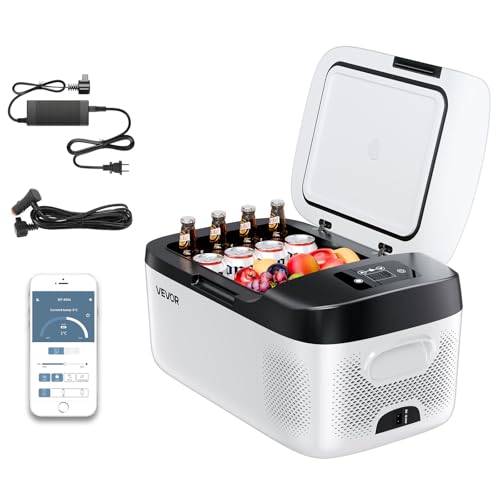
VEVOR’s 16QT body is the kind of size that makes sense in a cramped sleeper or a truck with limited floor space. The compressor design gives you a wider temperature spread than the thermoelectric AooDen above, so you get more serious cooling in a smaller shell.
APP control and AC support round it out nicely for mixed travel routines, including campsite or boat use. The honest trade-off is capacity, since 16QT fills up fast once you start packing full meals instead of just drinks and snacks.
Upsides
- Small footprint works well in narrow cabs and packed interiors.
- Compressor cooling gives you stronger temperature control than basic thermoelectric units.
- APP control adds convenience without needing front-panel fiddling.
- 12/24V DC and AC input widen placement options.
Points To Note
- 16QT is compact, so meal prep storage stays limited.
- Smaller bins help with organization, since loose items crowd the chamber quickly.
- In a busy cab, keeping the lid area clear makes daily use easier.
Spec Overview
The Right Fit
Truck drivers with tight cabs, simple food loads, and a need for better cooling control than a basic box usually suit this model well.
A Better Fit Elsewhere
AooDen Electric Car Cooler and Warmer 26 Quart makes more sense for you if warming food matters as much as cooling it.
This 53-quart EKOJUCE is built for long-distance routines where one small cooler simply won’t cut it. Compared with the BougeRV 42-quart model, you get more storage room and the same broad power support, so it fits drivers hauling meals, drinks, and shared items for a longer stretch.
The -4 to 68°F range and app control make it feel more like a rolling fridge than a lunch box. The trade-off is size, because a unit this roomy needs real cabin or sleeper space and a bit of discipline to keep the load organized.
Reasons To Buy
- Large 53-quart capacity helps cover extended runs and bigger grocery loads.
- 12V, 24V, and AC support make it versatile for travel and stopovers.
- The wider temperature range handles chilled storage and frozen items.
- App control adds convenience for drivers who like quick adjustments.
Areas To Watch
- The larger body asks for serious placement planning in the cab or sleeper.
- More capacity can tempt overpacking, which makes cleaning and rotation harder.
- It makes the most sense for routes where you truly need the extra room.
Technical Sheet
Who Should Grab It
Long-haul drivers, team drivers, and anyone keeping food for several days will get the most value from this larger box.
Another Choice May Suit
Alpicool C12 Portable Freezer 13 Quart suits you better when compact size matters more than storage volume.
Alpicool keeps the footprint modest, which makes sense for solo drivers who need a compact freezer-style unit instead of a large fridge. The 13-quart size is the lightest storage option in this roundup, but the fast-cooling design gives it a stronger chill profile than the warming-focused AooDen.
It also supports 12/24V DC and 100 to 240V AC, so you can move it beyond the truck when needed. The trade-off shows up in total capacity, since this is best for drinks, a few meals, and narrow spaces rather than full-week provisioning.
Positives
- Small size fits well in solo cabs and short-gear setups.
- Fast-cooling design is useful for quick temperature pull-down.
- AC and DC support make it more adaptable than a truck-only box.
- The 12-liter format is easier to lift, shift, and stow.
Room For Improvement
- 13 quarts fills quickly once you add meal containers or bulk drinks.
- Very compact storage asks for careful packing to avoid wasted space.
- In a busy routine, wiping the gasket and interior helps keep performance steady.
Quick Facts
Built With In Mind
Solo truck drivers and short-haul commuters who value a small, easy-to-place freezer-style cooler will appreciate this format.
Reach For A Different Pick When
EKOJUCE 12 Volt Refrigerator 53 Quart is the better match for you when long storage volume matters more than a tiny footprint.
This 11-quart EKOJUCE is the smallest pick here, so it makes sense for trucks where every inch counts. The -4 to 68°F range gives it the same basic temperature flexibility as the larger compressor-style models, only in a much tighter shell.
It shares the 12/24V DC and 100 to 240V AC support seen on the other flexible picks, which makes it handy for mixed travel patterns. The obvious trade-off is capacity, and that’s the whole story, really, because this one is best for drinks, snacks, and very light meal storage.
Standout Traits
- 11-quart size suits extremely tight cab or sleeper spaces.
- Wide temperature range gives you more than basic cooling.
- AC and DC support helps it travel beyond the truck.
- The small shell is easy to tuck out of the way.
Minor Gripes
- Very limited capacity makes it a niche fit for light loads.
- The small chamber calls for organized packing, or usable space disappears fast.
- In daily use, compact units reward regular cleaning and simple item rotation.
At A Glance
Whose Shelf It Belongs On
Truck drivers with the tightest cabs, light snack loads, or limited storage space will feel at home with this compact setup.
Look Elsewhere When
BougeRV 12V Refrigerator 42 Quart is the better move for you when meal volume matters more than saving space.
How To Choose The Right Electric Coolers For Truck Drivers
Cab Space Comes First
Measure the spot before you focus on any temperature range. A 42-quart or 53-quart unit can be a great long-haul tool, but it needs room to open, breathe, and stay put during stops.
Smaller boxes such as the 11-quart and 13-quart picks fit tight sleepers better, though they ask you to pack with discipline. That trade feels fair for solo drivers who mostly want drinks and a few meals within reach.
Power Options Shape Daily Use
12V and 24V DC support suits most truck setups, while AC input matters more for home, hotel, or yard use. Dual-power units give you more flexibility, and that matters when your routine shifts between the road and a plugged-in stop.
App control is useful, but it should be a convenience, not the main reason you choose a unit. The cleaner win comes from matching the power setup to your actual schedule.
Cooling Type Changes The Experience
Compressor coolers usually bring stronger temperature control, so they suit drivers storing meals, dairy, or frozen items for longer stretches. Thermoelectric designs are simpler and often lighter-duty, which works well for short routes, snacks, and drinks.
The right choice depends on how strict your cold storage needs are. A warming feature can help too, though it matters more for lunch convenience than for serious food storage.
Size, Noise, And Usability
Noise matters more than it looks on paper, especially in a sleeper cab at night. A quieter unit keeps the space calmer, while battery protection helps reduce stress on the truck electrical system.
Think about loading, cleaning, and lid access as part of the purchase, not after it arrives. A cooler that’s easy to organize often feels much better to live with over time.
What To Weigh Before You Choose
Hidden Buying Traps
Shoppers often fixate on capacity and forget interior shape. A square number on the listing means less if the compartment layout makes containers awkward to stack.
Another common miss is power fit. A cooler that looks right on paper can become inconvenient fast if it doesn’t line up with your truck’s plug setup or your stopover routine.
The Upgrade Payoff
Higher-tier models usually cost more because they add compressor cooling, app control, wider voltage support, or quieter operation. Those extras matter most on longer routes, shared cabs, and mixed travel schedules.
Spending up makes sense when the cooler becomes part of daily work, not just an occasional convenience. For lighter use, a smaller thermoelectric unit can still cover the basics without adding complexity.
Frequently Asked Questions
Can an electric cooler run all night in a truck?
Many can, as long as the unit matches your truck’s power setup and includes battery protection. The exact runtime depends on the cooler type, the ambient heat, and how often you open it.
Is a compressor cooler better than a thermoelectric one?
Compressor models usually give you stronger cooling control and better freezer-style use. Thermoelectric units make more sense for lighter needs, warmer storage, or short trips.
What size works best for one driver?
Solo drivers often do well with 11 to 26 quarts, depending on meal planning and cab space. Bigger units suit multi-day routes or shared use.
Does dual-power support matter?
It matters a lot for mixed routines. DC keeps it useful on the road, while AC helps with indoor stops and home prep.
How do you keep an electric cooler easier to live with?
Keep the contents organized and wipe the interior regularly. Good cord routing and a clear loading pattern also make daily use smoother.
Closing Thoughts
The right electric cooler can make long hours in the cab feel much more manageable, especially once you stop relying on ice bags and last-minute convenience stops. For most truck drivers, the best fit comes down to a simple balance of space, power options, and how cold you really need things to stay. Compact units help in tight sleepers, while larger compressor models suit longer routes and heavier meal planning. Pick the size that matches your routine, and the road gets a little easier.