
Tint changes the feel of a cabin fast. The right film can cut glare on a dawn commute, add privacy in parked traffic, and keep your dash from baking in a summer lot. You also need a pick that fits your window shape, your installation patience, and whether you want a removable option or a more permanent one.
That’s why this shortlist leans on real use cases, not just specs. You’ll see ceramic films for stronger all-around performance, a windshield strip for high-visibility glare control, and a cling-style option for temporary setups.
Quick Look At The Shortlist

IAQWE 5% VLT Ceramic Car Window Tint Film 20 in x 20 ft Roll

TOYOCO Ceramic Car Window Tint Film, 5% VLT, 20′ x 20FT Window Privacy Film

Windshield Tint Strip, 5% VLT Sun Visor Heat UV Protection Car Film
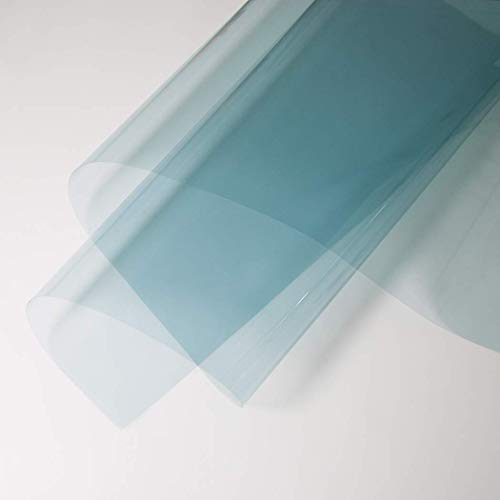
SW 80% VLT Nano Ceramic Car Front Window Film, Transparent Blue

Black Magic Insta-Cling 5% VLT Tinted Window Film, Reusable Car Window Tint
More Details On Our Top Picks
Dark ceramic film like this suits drivers who want a more private cabin without moving into a complicated setup. The 20 in by 20 ft roll gives you room for side windows or a larger project, and the ceramic construction matters because it is typically chosen for heat control without the signal headaches that can come with metalized films.
The honest trade-off is visibility, since 5% VLT means very little light passes through. That makes it better for rear glass and privacy-focused builds than for anyone who wants an airy, open feel during night driving.
Strong Points
- Very dark VLT gives a strong privacy effect in parked and slow-moving traffic.
- Ceramic construction suits cabins where signal-friendly film matters.
- Roll format works well for larger installs or repeat projects.
- Scratch-resistant and shatter-resistant claims point to better everyday wear tolerance.
- Helpful for drivers who want a cooler-feeling interior on sunny routes.
Things To Consider
- 5% VLT is extremely dark, so it is not the easy choice for every window.
- Roll installation usually rewards patience and careful trimming.
- Cleaning takes a softer touch, especially on fresh installs.
Feature Snapshot
Who It Suits Best
You get the most from this on a car, truck, or SUV where privacy matters more than maximum outward visibility.
Where A Sibling Pick Shines
TOYOCO Ceramic Car Window Tint Film fits you better when you want a similarly dark result with a more DIY-forward angle.
TOYOCO takes the same privacy-first path as the IAQWE roll, but it leans harder into side and rear window use. That matters for people who want a dark look and a film that is presented as DIY install friendly, especially on a weekend garage project.
The 99% UV protection claim and scratch-resistant finish add everyday value, though the trade-off remains the same as any 5% VLT film, darker glass asks more from nighttime driving habits. For most sedans and SUVs, this feels like the kind of roll you buy for a cleaner, more controlled cabin rather than a bright, open one.
What We Like
- Dark 5% VLT profile supports a private rear-cabin look.
- Ceramic build is a sensible step up from simple dyed film.
- Signal-friendly design suits daily phone and radio use.
- Scratch resistance helps the film hold up to routine handling.
Room For Improvement
- The very dark tint calls for careful use on windows where visibility matters most.
- DIY installs still need clean prep and patient alignment.
- Rear and side window use fits the design better than front-glass visibility needs.
Core Details
Built With In Mind
You suit this best if you want a darker cabin and plan to handle installation yourself on side or rear glass.
Another Choice May Suit
SW 80% VLT Nano Ceramic Car Front Window Film fits better for drivers who want a much lighter front-glass tint and easier outward visibility.
Windshield strip film solves a narrower problem than the full-window rolls above, and that focus is exactly the point. The 59.06 by 7.87 inch PET sheet is aimed at the upper windshield area, where glare can be brutal during a morning commute or on long stretches of open road.
Because it installs with water spray and comes as two pieces with a squeegee, it fits owners who want a more hands-on project without adhesive residue hanging around later. The catch is that a narrow strip needs careful placement, since a sloppy line across the windshield will stand out immediately.
Bright Spots
- Targets windshield glare where it often feels most distracting.
- PET material gives the strip a clean solar-shade style profile.
- Water-spray install suits a temporary or careful DIY approach.
- Two-piece pack and squeegee support a more complete install kit.
- Works across cars, trucks, vans, and SUVs.
Small Caveats
- Narrow placement leaves little room for alignment mistakes.
- The strip solves a visor problem, not a full-cabin tint need.
- Water-install methods usually reward calm prep and patience.
Details At A Glance
Whose Shelf It Belongs On
You fit this best when windshield glare is the main annoyance and you want a strip instead of a full tint roll.
Look Elsewhere When
IAQWE 5% VLT Ceramic Car Window Tint Film makes more sense for a full side-window privacy project with a broader material roll.
Not every tint has to disappear into the glass, and this SW film takes a lighter approach with its 80% VLT profile. That higher light transmission keeps the view much clearer from inside, which helps drivers who want heat blocking and UV control without turning the cabin noticeably dark.
The nano ceramic construction and non-metallized design matter for everyday use because they point toward signal-friendly operation in the car. The trade-off is simple, this is a gentler tint for front windows, so privacy seekers will probably want one of the darker rolls instead.
Reasons To Buy
- 80% VLT keeps front visibility far more open than dark privacy film.
- Non-metallized build suits radios and phones in the vehicle.
- Two-ply construction with scratch resistance supports longer wear.
- Transparent blue tone offers a cleaner, more restrained look.
- Useful for drivers who want sun control without a heavy visual change.
Points To Note
- It does not deliver the dark privacy effect of the 5% VLT picks.
- Front-window use asks for accurate fit so the lighter tint looks clean.
- The blue tone may suit some interiors more than others.
Technical Sheet
The Right Fit
You should reach for this when front-glass clarity matters more than a dark, private look.
Where Another Pick Shines
Black Magic Insta-Cling 5% VLT Tinted Window Film suits you better when you want a temporary, removable option instead of a more permanent front-window setup.
Insta-cling film occupies a different lane from the ceramic rolls above, because it leans on reuse rather than a more permanent bond. That makes it attractive for drivers who want a dark tint look on a short-term basis, or for situations where a removable panel is easier to live with than a fixed install.
The 5% VLT keeps the privacy effect strong, but the real appeal is flexibility. The honest read is that cling-style film usually asks more of the surface it goes on, so careful cleaning and patient smoothing matter more than they do with a basic strip.
Highlights
- Reusable format gives you a more flexible ownership path.
- Dark tint level supports strong privacy in parked vehicles.
- Useful for temporary setups or changing vehicle needs.
- Simple concept makes it approachable for first-time tint projects.
Worth Noting
- Cling-style film depends on careful surface prep.
- Reuse helps with flexibility, but fit can feel less permanent than adhesive film.
- Dark 5% VLT still reduces nighttime visibility more than lighter options.
Core Details
Who Should Grab It
You suit this best when you want a dark-looking panel that can move with changing needs or a temporary vehicle setup.
Swap It Out When
SW 80% VLT Nano Ceramic Car Front Window Film is the better route for drivers who care more about clear outward visibility than removable convenience.
How To Choose The Right Types Of Window Tint
Match VLT To The Job
Visible light transmission, or VLT, tells you how much light passes through the film. Dark 5% VLT options give you the strongest privacy look, while 80% VLT keeps the cabin much brighter and easier to see through. For daily driving, that trade-off matters more than a spec sheet headline, because your comfort at night and your need for discretion rarely line up perfectly.
Choose The Material With A Use Case In Mind
Ceramic film is the better all-around lane for most drivers because it is usually chosen for heat control and signal-friendly use. PET and cling-style films fit more specific jobs, such as windshield strips or removable installs. The material tells you as much about the ownership experience as the tint level does, especially once you factor in cleaning, trimming, and how permanent you want the result to feel.
Measure The Window Before You Commit
Roll width and length matter more than many first-time shoppers expect. A 20-inch by 20-foot roll handles broad side or rear glass more easily than a narrow windshield strip, while a 59.06 by 7.87 inch visor piece is built for one focused task. That sizing choice shapes waste, installation time, and how much room you have for mistakes.
Think About Visibility, Not Just Style
A darker film can look great in daylight, but nighttime driving is where the honest trade-off shows up. Front windows usually call for a lighter approach, while rear glass can handle a deeper shade more comfortably. You’ll make a better choice once you tie the tint level to your commute, your parking setup, and how much light you actually want in the cabin.
What To Weigh Before You Choose
Mistakes Worth Dodging
The most common slip-up is treating every tint like a full-car fix. A windshield strip solves glare, a front-window film protects clarity, and a dark privacy roll handles a very different job. Another easy miss is ignoring installation style, since adhesive film, water-spray installs, and cling film all demand different levels of patience and prep.
The Upgrade Payoff
Higher-tier film usually costs more because the materials and build layers are doing more work. Ceramic construction, scratch resistance, and non-metallized designs generally point to better day-to-day ownership than simple tinted plastic. Paying up makes the most sense for drivers who log long highway miles, park in strong sun, or want a cleaner look that holds its shape more neatly.
Frequently Asked Questions
What does 5% VLT mean?
It means very little visible light passes through the film, so the tint looks dark from the outside. That level suits privacy-focused installs more than bright, open cabins.
Is ceramic tint better than dyed film?
Ceramic film usually makes more sense for drivers who want stronger everyday performance and better signal-friendly use. Dyed film can still work for basic styling, but it usually sits lower on the feature ladder.
Can you put a windshield strip on any vehicle?
A visor strip works best on vehicles with a windshield top edge that matches the film’s size. The fit still depends on careful measuring and clean placement.
What is the main benefit of cling-style tint?
Cling film gives you a removable, reusable option. That suits temporary use, rentals, or drivers who want less commitment.
Why does VLT matter so much?
VLT controls how dark the window feels from inside and outside. It also shapes the balance between privacy and night visibility, which is the real decision point for most installs.