
You want door speakers that can add body without turning your cabin into a blur of noise. The right pair depends on whether you commute every day, run a truck system, or want a clean factory replacement with a little more low-end weight. This roundup keeps the choices practical and separates straightforward coaxial sets from midrange-focused picks that lean harder into output.
Quick Look At The Shortlist

ORION Cobalt CM654 6.5″ Mid-Range Bullet Loudspeakers
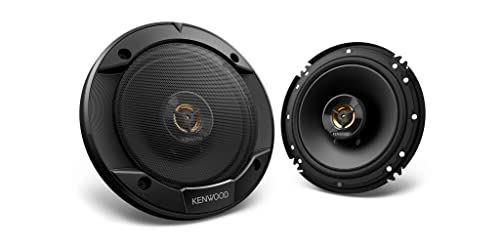
Kenwood KFC-1666R Road Series Car Speakers

RECOIL MS65-4P 6.5-Inch Midrange Pro Audio Car Speakers

DS18 PRO-GM6.4PK Mid and High Complete Package

PIONEER A-Series Standard TS-A6881F 6″ x 8″ 4-Way Coaxial Speakers

CT Sounds BIO-6-5-COX 6.5 Inch Coaxial Car Speakers

BOSS Audio Systems CH6930B 6 x 9 Car Speakers
More Details On Our Top Picks
ORION leans hard into midrange output, so your cabin gets the kind of forward sound that suits loud custom systems and open-air listening. A 1.5-inch voice coil is a useful clue here, since it points to a design built for handling more energy without sounding thin too early.
Compared with Kenwood’s more everyday Road Series tuning, this one feels aimed at a louder, more specialized setup. The honest trade-off is that you’re choosing projection over broad, relaxed balance, which suits truck audio builds, show rigs, and anyone pairing speakers with stronger amplification.
Strong Points
- High power handling gives you more room for louder playback.
- The bullet-style layout supports strong forward presence in open cabins.
- Four-ohm impedance keeps it in the standard car-audio lane.
- The pair format makes planning a front or rear swap easier.
Things To Consider
- Midrange focus means deep bass is not the main event here.
- You’ll want matching amplification and a sensible install plan.
- These are less of a quiet commuter choice than simpler coaxials.
Technical Sheet
Who It Suits Best
You’ll get the most from this set in a loud system where clear midrange matters more than soft, all-purpose balance.
Where A Sibling Pick Shines
Kenwood KFC-1666R Road Series Car Speakers suit commuters who want an easier factory-style upgrade with less setup pressure.
Kenwood’s Road Series makes more sense for a normal commute than a loud, showy build, and that’s exactly the point. The cloth woofer gives the low end a more controlled character, while the balanced dome tweeter helps keep vocals and higher notes from feeling buried.
Compared with ORION’s midrange-forward style, this set is easier to live with in a daily driver. The trade-off is plain enough, it won’t push the cabin as hard as the more specialized pro-audio picks, but that restraint helps in older cars and systems that need a calmer tonal shape.
What We Like
- Two-way coaxial design keeps the install path straightforward.
- Cloth woofer material tends to suit everyday listening in smaller cabins.
- The balanced dome tweeter helps preserve detail without sounding sharp too fast.
- Four-ohm impedance fits many standard head unit and amp setups.
Minor Gripes
- It’s more about clean balance than hard-hitting output.
- Door treatment and amp pairing still matter for fuller bass.
- Some performance-minded setups will want more aggressive projection.
Feature Snapshot
Who Will Love This
Daily drivers and first-time upgraders will appreciate the easygoing tuning and familiar format.
Another Choice May Suit
PIONEER A-Series Standard TS-A6881F fits you better when your vehicle accepts 6 by 8 speakers and you want a little more bass shape from the same style of upgrade.
RECOIL sits in the same loud, purpose-built lane as ORION, but its 1.5-inch high-temperature Kapton voice coil adds a more specific durability cue. Kapton is a heat-tolerant coil former, which matters in repeated high-output use where smaller components can get strained faster.
This set makes sense for a system that spends more time being heard than blending quietly into the background. For most standard cabins, the trade-off is that you’ll want a matching amp and a willingness to shape the rest of the system around the speaker’s midrange-first attitude.
Highlights
- Pro-audio tuning suits louder door speaker builds.
- The Kapton voice coil points to better heat tolerance in heavy use.
- Four-ohm impedance keeps installation familiar.
- The pair format simplifies matched left-right replacement.
- 600-watt max handling gives you more ceiling for system planning.
Room For Improvement
- The midrange emphasis leaves bass duty to the rest of the system.
- These work best with careful amplification, not casual plug-and-play setups.
- Louder tuning can feel too forward in a quiet commuter car.
Core Details
Built With In Mind
You’re in the right lane here for custom installs, loud trucks, and systems that need vocal and midrange presence.
Reach For A Different Pick When
Kenwood KFC-1666R Road Series Car Speakers suit you better for daily commuting, where easier balance matters more than raw output.
DS18 takes a different route from the single-driver picks above, because you’re getting both midrange speakers and aluminum super bullet tweeters in the same package. A built-in crossover, which splits frequencies so each driver handles the range it’s suited for, helps explain why this set feels more like a system piece than a simple replacement.
That makes it appealing for truck audio or a door setup that needs more separation and sparkle up top. The catch is that the package asks a little more from planning and installation, so it’s less relaxed than Kenwood or Pioneer for a quick swap.
Positives
- The included tweeters and mids help you build a fuller front stage.
- The crossover gives each driver a clearer job in the signal path.
- Separate pieces make it easier to tune a more deliberate audio layout.
- It suits systems where speech, percussion, and high detail matter.
Points To Note
- Installation takes more patience than a simple coaxial pair.
- Package-style setups can be overkill for a basic factory refresh.
- Cabin tuning matters, since the tweeters can make the top end more forward.
Feature Card
Right Fit For
You’ll suit this package best in a custom truck or car audio layout that needs both presence and top-end detail.
Swap It Out When
CT Sounds BIO-6-5-COX works better for a simpler coaxial swap that keeps the install process calmer.
Pioneer’s 6 by 8 format matters because some vehicles simply open up better to that shape than a 6.5-inch round speaker. The 4-way layout means the speaker divides work across several frequency sections, which often helps the sound feel smoother and a little fuller in factory-size openings.
Compared with the more aggressive ORION and RECOIL choices, this one feels easier to live with in a normal car. It’s a sensible path for drivers who want improved bass shape and cleaner treble without turning the cabin into a project.
Best Bits
- The 6 by 8 size gives you a useful fit option for many factory openings.
- Four-way design can help the sound feel more layered across the cabin.
- The tuning aims for balance rather than a one-note personality.
- It suits a stock replacement path without demanding a full system rebuild.
Softer Spots
- You need the right opening size, so fitment matters more than with 6.5-inch sets.
- It’s not the most aggressive choice for a loud bass-first build.
- Door damping still helps any serious low-end upgrade.
Details At A Glance
The Right Fit
This suits you best in a vehicle that already uses 6 by 8 openings and needs a cleaner factory-plus upgrade.
Look Elsewhere When
Kenwood KFC-1666R Road Series Car Speakers make more sense for a standard 6.5-inch door opening and a simpler path.
CT Sounds keeps the pitch simple, and that simplicity helps in a lot of normal installs. You get a 6.5-inch coaxial pair with 4-ohm impedance, 50 watts RMS per speaker, and 100 watts max per speaker, which gives the system enough structure without asking for a huge amp.
Compared with the louder RECOIL and ORION options, this one feels more approachable for a modest upgrade. In most daily-driver situations, that makes it a sensible middle ground, especially for a basic door refresh where clean setup matters as much as output.
Upsides
- The 6.5-inch coaxial layout is easy to understand and easy to plan around.
- Moderate power handling suits modest upgrades and smaller amps.
- Four-ohm impedance keeps it compatible with common car audio gear.
- The pair format works well for front or rear door replacement.
Areas To Watch
- The lower power ceiling puts it behind the louder pro-audio-style picks.
- You’ll still want decent installation hardware for a clean fit.
- Big bass expectations need support from the rest of the system.
Quick Facts
Who Should Grab It
You’ll appreciate this set most for a no-drama door upgrade in a commuter car or a second vehicle.
Skip It When
RECOIL MS65-4P fits better for a louder build that asks for more headroom and a stronger midrange push.
BOSS Audio Systems goes with a 6 by 9 shape, which gives you more cone area than a 6.5-inch round driver and can help the low end feel fuller in the right door or rear deck location. The 3-way layout splits duties across more frequency sections, so the sound can feel more layered than a basic two-way set.
That extra size makes it a stronger match for cars and trucks with the correct mounting space, but it does ask a little more from fitment. Compared with CT Sounds, you’re moving into a larger-format option that suits installs where cabin space and speaker opening size are already in your favor.
Reasons To Buy
- The 6 by 9 format can bring a fuller low-end feel in the right location.
- Three-way design gives more separation across the sound range.
- It works well for larger openings in cars or trucks.
- The pair format keeps left-right planning simple.
Small Caveats
- You need the right opening, so fitment is the first thing to confirm.
- Larger speakers can be less convenient in tight door spaces.
- Good bass still depends on the rest of the system and enclosure path.
At A Glance
Whose Shelf It Belongs On
You’ll want this set for a vehicle with 6 by 9 openings and a driver profile that wants a fuller, larger-sounding door upgrade.
A Better Fit Elsewhere
PIONEER A-Series Standard TS-A6881F suits smaller factory openings more cleanly and asks less from the install plan.
How To Choose The Right 6 5 Door Speakers For Bass
Match The Speaker Type To Your Goal
A coaxial speaker puts multiple driver parts in one frame, which keeps installation simpler and is usually the safer path for a normal door upgrade. A midrange or pro-audio-style speaker leans harder into projection, so it suits louder systems more than relaxed daily listening.
That difference matters because bass in a door setup is rarely just about cone size, it’s about how the speaker is voiced and what the rest of the system is doing. For commuters, a balanced coaxial set often feels easier to live with, while custom builds usually reward the more focused, high-output design.
Check Power, Impedance, And Headroom
RMS power, which means the speaker’s continuous handling figure, tells you more than a flashy max number. Impedance, measured in ohms, affects how the speaker interacts with your amp or head unit, and 4-ohm models are the most familiar fit in car audio.
Headroom matters too, because a speaker that matches your amp cleanly often sounds steadier than one pushed beyond its comfort zone. A modest system can do well with CT Sounds or Kenwood, while louder amplification makes ORION, RECOIL, or DS18 more sensible.
Fit The Size To The Door, Not The Wish List
A 6.5-inch speaker is common, but a 6 by 8 or 6 by 9 opening changes the game fast. Bigger cone area can help the low end feel fuller, yet the speaker only helps you if it fits the door or rear deck without awkward adapters or trimming.
That’s why Pioneer and BOSS deserve a look for vehicles built around those sizes. On the other hand, ORION, RECOIL, and CT Sounds are easier to think about when your vehicle already accepts a 6.5-inch round driver.
Think About Install Effort And Cabin Use
A simple coaxial swap keeps the project tidy, especially in a daily commuter where you just want cleaner sound and a little more body. Separate midrange-and-tweeter packages ask for more planning, but they can reward you with a more deliberate front stage in a truck or custom build.
Door damping, mounting depth, and wiring access also shape how satisfying the upgrade feels once the panels go back on. You’ll usually get the cleanest result by choosing the speaker that matches your patience level as closely as your sound goals.
Things Worth Knowing First
Common Shopping Slip Ups
A lot of people chase power numbers and ignore fitment, which is how a promising set turns into an annoying return. The safer move is to confirm the opening size, depth, and whether your car wants a round 6.5-inch speaker or a larger 6 by 8 or 6 by 9 shape.
Another common miss is expecting door speakers to create subwoofer-style bass all by themselves. They can add more body and punch, but the real payoff comes from a sensible system match and, in many cars, a little door treatment.
What The Higher Tier Buys
More expensive sets usually spend the money on stronger materials, more driver sections, or better control over how each frequency range is handled. That can mean a sturdier voice coil, a built-in crossover, or a layout that keeps vocals and upper detail cleaner at louder volumes.
The upgrade makes sense when you listen loudly, run a custom build, or want the front stage to sound more organized. For quiet commutes and basic replacement work, a simpler set often gives you enough improvement without extra complexity.
Frequently Asked Questions
Do 6.5-inch door speakers really help bass?
They can help the low end sound fuller and more present, especially in a well-matched door install. They won’t replace a subwoofer, but they can make music feel less thin.
Are coaxial speakers or midrange speakers better for daily driving?
Coaxial speakers usually fit daily driving better because they’re simpler and more balanced. Midrange speakers make more sense in louder custom systems.
What impedance should you look for?
Four-ohm speakers are the most familiar choice in car audio. They usually fit standard head units and many amps more easily.
Does bigger size always mean more bass?
Bigger cone area can help with fuller sound, but fitment and tuning matter just as much. A 6 by 9 speaker can feel larger, yet only in the right opening.
Do you need an amplifier for these speakers?
Not always, but an amp often helps you get cleaner volume and better control. Speakers with higher power handling usually leave more room for that upgrade path.