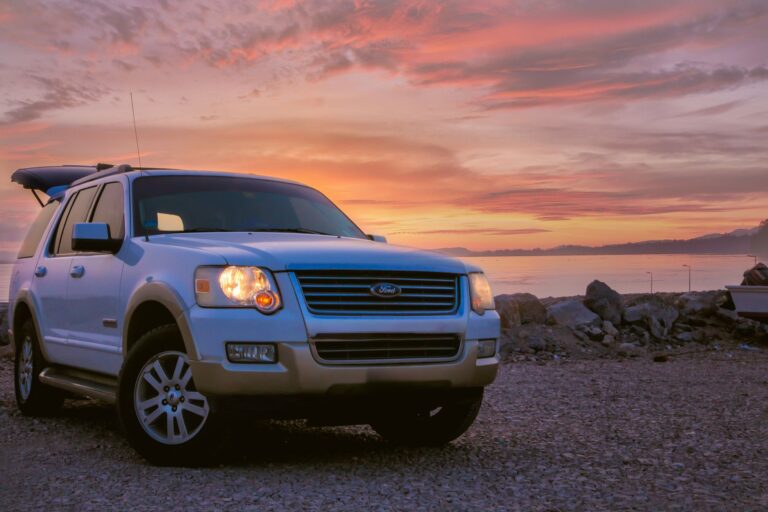

Door speakers change the way your car feels on the road. A good set brings clearer vocals, firmer midrange, and less strain at normal volume, which matters on commutes, errands, and long highway stretches alike.
This roundup focuses on seven 6.5-inch options with very different personalities, from straightforward coaxial sets to more aggressive midrange picks. You’ll see which models suit simple factory replacements, which lean toward stronger output, and which make more sense for trucks, SUVs, or louder systems.
Quick Look At The Seven Picks

ORION Cobalt CM654 High Efficiency 6.5″ Mid-Range Bullet Loudspeakers
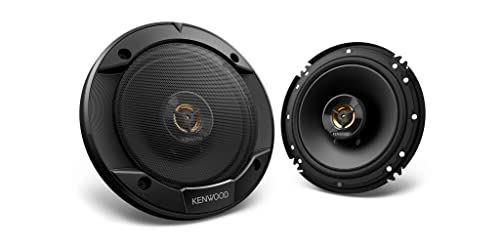
Kenwood KFC-1666R Road Series Car Speakers

RECOIL MS65-4P 6.5-Inch Midrange Pro Audio Car Speakers

CT Sounds BIO-6-5-COX 6.5 Inch Coaxial Car Speakers

NVX VSP60 6″ Premium Car Speakers

Suacopzar 6in 2-Way Coaxial Car Speakers
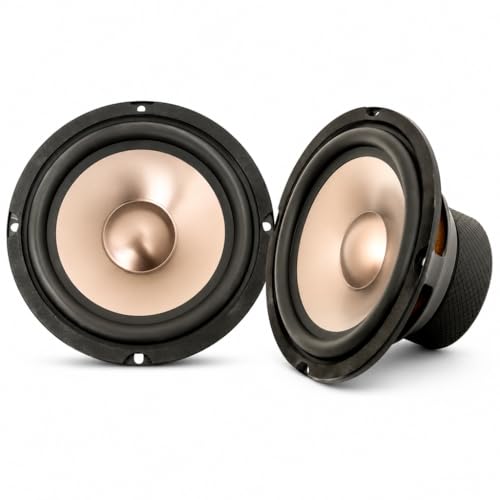
Amagkon 6.5 Inch 2-Way Mid-Bass Car Speakers
ORION goes straight at loud, forward midrange rather than polite all-around tuning. The 1.5-inch voice coil, meaning the copper winding that drives the cone, points to a speaker built to stay composed in demanding systems, while the 4-ohm load keeps it in common car-audio territory.
You’ll get the most from it in a setup that already has enough amplification and you want voices, guitars, and upper mids to cut through road noise. The trade-off is simple, it’s not the kind of pick that flatters casual factory listening as much as it serves a more aggressive build.
Strong Points
- High-efficiency design helps the speaker make strong use of available power.
- 250W RMS, the continuous power figure, gives you a clearer picture of steady use than max power alone.
- Midrange bullet styling suits systems where vocal presence matters more than deep bass.
- 4-ohm impedance keeps it compatible with many common car-audio layouts.
Points To Note
- Bullet-style midrange tuning can feel too forward for relaxed daily listening.
- Real-world installation often benefits from thoughtful mounting and proper amplification.
- The pair works best in systems planned around midrange emphasis, not bass-heavy balance.
Feature Snapshot
Who It Suits Best
You’ll appreciate this most in a loud daily driver, a weekend project car, or a system built around strong midrange presence.
A Better Fit Elsewhere
Kenwood KFC-1666R Road Series Car Speakers make more sense for a calmer factory-style refresh with a smoother all-around tone.
Kenwood takes a more familiar route than the ORION pair, with a 2-way coaxial layout, meaning the tweeter and woofer share the same frame for simpler door installs. The cloth woofer and balanced dome tweeter point to a cleaner, less shouty profile that suits everyday driving better than showy volume chasing.
That makes it a sensible choice for a commute car or a family vehicle where you want a straightforward upgrade without changing the whole system. The honest read is that it’s not built for the hard-edged punch of the louder picks here, but plenty of people will prefer that restraint.
What We Like
- Two-way coaxial layout keeps installation simpler than separate-component setups.
- Balanced dome tweeter helps vocals and detail stay clear at normal volume.
- Cloth woofer often suits long-term daily use because it feels less fussy than some harder cone materials.
- 4-ohm impedance makes it a familiar match for many car audio systems.
- Heavy-duty magnet design supports a more solid, planted feel in the door.
Small Caveats
- It leans toward balanced listening, so it won’t satisfy someone chasing a more aggressive midrange wall.
- Door sealing and mounting depth still matter, as with most 6.5-inch replacements.
Core Details
Built With In Mind
You’ll fit this best in a daily driver, especially where simple installation and balanced sound matter more than a loud-system attitude.
Skip It When
ORION Cobalt CM654 suits you better for a louder, midrange-first setup that wants more edge and presence.
RECOIL pushes further into pro-audio territory than the Kenwood set, and the 1.5-inch high-temperature Kapton voice coil gives you a useful clue about the build. Kapton is a heat-resistant film used in voice coils, so the design points toward durability in louder, longer sessions rather than casual background listening.
The 600W max figure and 4-ohm load make it a strong fit for a system where you want the doors to sound purposeful without getting buried. It’s a good match for a truck, a loud daily driver, or a project that already has an amp doing the heavy lifting.
Bright Spots
- Midrange-focused tuning helps vocals and instruments stand out in busy road conditions.
- Kapton voice coil material supports heat management in harder use.
- 600W max rating offers plenty of ceiling for systems that are built to play louder.
- 4-ohm impedance keeps it within a familiar installation range.
- Pair format works well for a two-door or four-door upgrade plan.
Areas To Watch
- Pro-audio flavor can feel too intense for a relaxed stock-style setup.
- You’ll usually want the rest of the system matched to its stronger output potential.
- Door installation benefits from careful fit checks, especially in tighter factory openings.
Technical Sheet
Who Should Grab It
You’ll like this most for a loud system, especially in a vehicle where you care about midrange clarity more than soft, rounded sound.
Another Choice May Suit
CT Sounds BIO-6-5-COX is the easier fit for a simpler coaxial swap that leans less hard into pro-audio behavior.
CT Sounds keeps things direct, and that’s part of the appeal. A coaxial speaker puts the tweeter and woofer in the same assembly, so this pair is easier to plan around than the more specialized RECOIL and ORION picks.
The 50W RMS per speaker and 100W max per speaker show a more moderate power target, which suits a practical door upgrade or a modest amp setup. It won’t chase the loudest system in the group, but it has a cleaner, simpler profile for everyday use.
Upsides
- Coaxial layout keeps the upgrade path less complicated.
- 50W RMS per speaker gives a practical hint at everyday power expectations.
- 200W total max rating is enough for many straightforward replacement jobs.
- 4-ohm impedance fits a wide spread of common car audio gear.
Worth Noting
- The moderate output ceiling makes it a better daily replacement than a loud-system centerpiece.
- You may want to confirm door clearance before installation, as with most 6.5-inch pairs.
At A Glance
The Right Fit
You’ll get the most from this in a simple door-speaker replacement where low fuss matters more than pushing the system hard.
Where A Sibling Pick Shines
NVX VSP60 makes a stronger case for a more refined two-way setup with built-in crossover support.
NVX brings more tuning hardware into the mix than the CT Sounds pair, thanks to its built-in crossovers and silk dome tweeters. A crossover is a small network that sends the right parts of the music to the right driver, which can help the speaker sound more controlled in a mixed-frequency door location.
That makes this a strong choice for trucks and cars where you want detail without turning the system into a science project. The trade-off is that the extra parts can make the setup feel a bit more deliberate than a plain coaxial swap, so it suits someone comfortable with a slightly more involved upgrade.
Reasons To Buy
- Two-way design with built-in crossovers gives the speaker a more managed sound path.
- Silk dome tweeters tend to suit listeners who want detail without an overly sharp edge.
- 200W RMS for the pair gives you a clearer signal that this is built for more serious use.
- 600W max headroom leaves room for a stronger system.
- The pair format works well for a matching left-right upgrade.
Softer Spots
- The extra tuning parts make it less bare-bones than a simple replacement speaker.
- It can be more than you need for a basic factory refresh.
Details At A Glance
Whose Shelf It Belongs On
You’ll like this most in a system where you want a more polished door-speaker upgrade and don’t mind a little more setup thought.
Look Elsewhere When
Suacopzar’s 6in 2-Way Coaxial Car Speakers make a simpler path for a basic replacement job with less hardware to think about.
Suacopzar takes the most install-friendly approach in this group by including wire and a cover in the box. That matters for a quick replacement or a first upgrade, because you spend less time chasing small parts and more time getting the door panel back together.
The 100W RMS figure for the pair and 400W max rating point to a moderate, sensible power target. You may find it especially handy in an older car, a spare vehicle, or a daily driver where convenience counts as much as sound.
Best Bits
- Included wire and cover make the package easier to work with.
- 2-way coaxial layout keeps the design familiar and approachable.
- 100W RMS for the pair gives a clear idea of steady-use expectations.
- 400W max rating adds extra headroom for the category.
Room For Improvement
- The 6-inch naming is a little different from the 6.5-inch field, so fit checks matter more than usual.
- It makes more sense for practical replacement than for a serious loud build.
Feature Rundown
Who Will Love This
You’ll get the most from this in a straightforward replacement job where the included accessories save time and effort.
Where Shoppers Go Wrong
Amagkon’s 6.5 Inch 2-Way Mid-Bass Car Speakers make more sense for anyone who wants a larger-door fit and stronger sensitivity.
Amagkon leans into mid-bass energy and a more modern cone material, using aluminum magnesium instead of the cloth-style approach you see in the Kenwood set. That cone material is the moving surface that pushes sound, and the 90dB sensitivity suggests it should respond efficiently in a typical door setup.
The 250W RMS rating and 1000W max figure make it a strong fit for a more assertive system, especially where you want the doors to feel lively without going all the way into pro-audio territory. For SUV and car door upgrades, it reads like a middle ground between the everyday CT Sounds option and the louder ORION or RECOIL choices.
Standout Traits
- Aluminum magnesium cone gives the speaker a more rigid, purpose-built feel.
- 90dB sensitivity points to efficient output in a typical vehicle system.
- 250W RMS gives you a clear sign that it can handle serious everyday power.
- 2-way design keeps it easier to work into a normal door layout.
- Good middle ground for drivers who want more energy than a basic coaxial set.
Honest Caveats
- It sits closer to an energetic upgrade than a laid-back OEM replacement.
- The stronger output target makes amp matching more important in real use.
- Door fit and mounting depth still deserve attention, especially in slimmer factory panels.
Core Details
Perfect Match For
You’ll appreciate this most in a door upgrade where you want stronger energy, good efficiency, and a more modern cone build.
Where Shoppers Go Wrong
Kenwood KFC-1666R is the calmer path for a smoother factory-style refresh with less emphasis on punch.
How To Choose The Right 6 5 Inch Door Speakers
Match The Speaker To The Rest Of Your System
Power handling matters because it tells you how much energy a speaker is built to accept, especially in a door location where road noise keeps creeping in. RMS, short for root mean square, is the steadier number, while max power shows brief peaks, so the RMS figure deserves more attention for day-to-day use.
The ORION and RECOIL models make more sense with stronger amplification, while CT Sounds and Suacopzar fit easier, lighter-duty setups. That’s the first fork in the road, loud-system support or simple replacement comfort.
Think About Sound Shape, Not Just Size
Coaxial speakers place the tweeter and woofer together, which simplifies installation and usually makes them friendlier for factory door swaps. Two-way designs still vary, though, and dome tweeters tend to sound smoother than harder, more aggressive top-end tuning.
Kenwood and NVX lean toward cleaner everyday balance, while ORION and RECOIL push harder into forward midrange energy. In a noisy commute car, that difference can matter more than the raw wattage printed on the box.
Check Fit Before You Shop By Specs Alone
Door-speaker fit depends on opening size, mounting depth, and how much clearance sits behind the panel. A 6.5-inch label usually points to a common size, but the actual basket shape and accessory package can still change the install experience a lot.
That’s why Suacopzar’s included wire and cover may appeal to a quick replacement, while NVX’s built-in crossovers suit a more deliberate upgrade. The honest read is that the easiest install is not always the most powerful speaker, and the right choice depends on how much work you want to do.
A Quick Reality Check Before You Shop
Wrong Turns To Avoid
Do not treat max power as the main number. RMS tells you more about steady use, and that matters far more during your normal commute than a brief burst of volume.
Fit mistakes cause plenty of frustration too, especially with 6-inch and 6.5-inch naming that can look close on paper but differ in the door.
The Upgrade Payoff
Higher-tier speakers usually cost more because of stronger magnets, better cone materials, more careful tweeter design, or added crossover parts. Those pieces can improve clarity, control, and long-term feel, especially in a vehicle where the door itself is part of the sound path.
That extra spend makes sense for long daily drives, louder systems, or trucks where road noise works against clarity. For a basic refresh, a simpler coaxial pair often does the job without asking so much from the rest of your setup.
Frequently Asked Questions
Are 6.5-inch door speakers hard to install?
Many are manageable for a basic door swap, especially coaxial designs with a simple frame. Fit still depends on mounting depth, panel clearance, and the vehicle’s factory opening.
What does coaxial mean?
Coaxial means the tweeter and woofer sit in the same speaker assembly. That usually makes installation easier than using separate drivers.
Why does RMS matter more than max power?
RMS gives a steadier picture of what the speaker can handle during normal use. Max power only speaks to short peaks, so it can look bigger than the real daily figure.
Do all 6.5-inch speakers fit the same way?
No, the label only points to a common size class. Basket shape, depth, and mounting pattern still affect fit in a real door.
Which option suits everyday driving best?
Kenwood KFC-1666R is a strong match for balanced daily use, while CT Sounds BIO-6-5-COX stays practical for a simpler swap. ORION and RECOIL are better for louder systems that want more midrange force.