
You want clearer vocals, tighter mids, and less strain from your car audio, not just louder sound. This roundup focuses on 6.5-inch and related speaker setups that make daily driving, long commutes, and weekend upgrades feel more listenable without turning the cabin into a science project.
Some picks lean toward punchy midrange detail, while others are better for balanced full-range sound or mixed-size installs. That mix matters, because the right speaker for a door swap is not always the same one you’d choose for a stronger front stage or a system built around extra output.
The Shortlist At A Glance

ORION Cobalt CM654 Mid-Range Bullet Loudspeakers

Infinity Reference 6532IX 6-1/2″ 2-Way Car Speakers

RECOIL MS65-4P 6.5-Inch Midrange Pro Audio Car Speakers
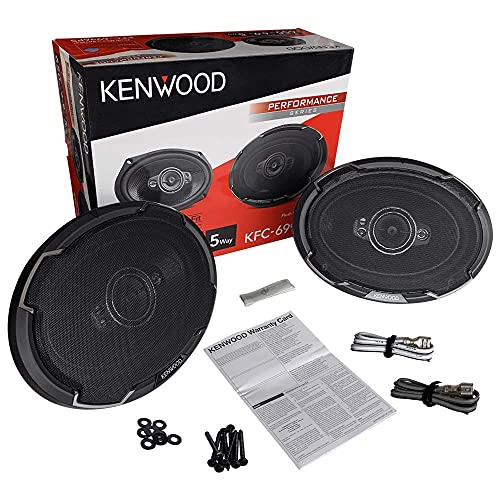
Kenwood KFC-6996PS 6″ x 9″ 5-Way Speakers

CT Sounds Meso 6.5” 300 Watt 2-Way Premium Coaxial Car Speakers

KICKER Speaker Package, CS Series 6.5″ and 4″x6″ Coaxials

CT Sounds BIO-6-5-COX 6.5 Inch Coaxial Car Speakers
More Details On Our Top Picks
ORION’s CM654 sits in the part of car audio where clarity needs some muscle behind it. The 1.5-inch voice coil, a wire coil that helps move the speaker cone, points to a design aimed at handling stronger output without feeling delicate.
That makes this a smart match for louder systems, especially in a daily driver where vocals and midrange detail need to cut through road noise. The trade-off is that bullet-style midrange speakers are more specialized than a simple coaxial pair, so casual listeners may find them more focused than relaxed.
Strong Points
- 250W RMS gives you a clear sense of where this pair sits for sustained output, not just peak numbers.
- High-efficiency design helps the speakers respond well in setups that need presence without a huge amp.
- The mid-range bullet format tends to help vocals and instruments stand out in busy cabin noise.
- 4-ohm impedance is a common load for many car audio setups, which keeps matching straightforward.
- This is a strong fit for drivers chasing more articulate front-stage sound than a stock replacement usually delivers.
Things To Consider
- Midrange-only designs do not aim to cover every part of the sound spectrum on their own.
- The stronger output profile can make tuning more important than with a basic everyday speaker.
- Owners usually get the best results in a system that already has the rest of the audio path sorted.
Feature Snapshot
Who It Suits Best
Drivers building a louder, more focused system for vocals and midrange presence will get the most from this pair.
Where A Sibling Pick Shines
Infinity Reference 6532IX 6-1/2″ 2-Way Car Speakers are a smoother fit for everyday listeners who want a simpler full-range upgrade.
After the more specialized ORION, this Infinity pair feels like the safer all-purpose lane. A 2-way speaker means the driver handles more of the sound range while the separate high-frequency section helps keep voices and cymbals cleaner.
That balance is handy in a commuter car or family vehicle, where you want improvement without turning the install into a side project. One thing worth considering is that a good 2-way speaker often sounds best when the rest of the system is already healthy, so worn head units and weak wiring can still hold it back.
What We Like
- Two-way layout gives you a fuller, more natural everyday sound than a midrange-only design.
- 6-1/2-inch sizing fits many common front and rear door applications.
- This pair is a sensible step up for someone replacing tired factory speakers.
- It should suit long drives well because the tuning goal is broad, easy listening rather than glare.
Room For Improvement
- It is not built for the specialized punchy character of ORION’s bullet midrange set.
- Very demanding setups may want more power handling than a simple replacement pair can offer.
- Sound depends on the rest of the cabin system, so installation quality still matters.
Core Details
Made For
Commuters and casual listeners wanting a cleaner, more balanced swap will feel at home with this set.
A Better Fit Elsewhere
CT Sounds Meso 6.5” 300 Watt 2-Way Premium Coaxial Car Speakers suit drivers who want a slightly more assertive everyday upgrade.
RECOIL takes the same midrange-minded lane as ORION, but it leans into pro-audio flavor with a little more restraint in the power numbers. The 1.5-inch Kapton voice coil uses a heat-resistant material that helps the speaker stay composed during harder use.
For drivers building door speakers into a louder system, that combination makes sense. You may find it especially useful in setups that need strong vocal projection without moving into oversized hardware.
Reasons To Buy
- 600 watts max gives the pair a clear ceiling for spirited car audio builds.
- The Kapton voice coil adds a durability-minded touch that suits more demanding listening habits.
- 4-ohm impedance keeps it in the common range for many automotive installs.
- This is a natural fit for door locations where focused mids help speech and lead instruments stay present.
Points To Note
- Like the ORION pair, this is a focused midrange tool rather than a broad full-range solution.
- The pro-audio approach can sound more direct than relaxed in smaller cabins.
- Installation and tuning matter, especially in vehicles with thin door panels.
Details At A Glance
Best Suited To
Enthusiasts who want strong midrange projection in a door speaker setup will get the most value here.
Look Elsewhere When
Infinity Reference 6532IX 6-1/2″ 2-Way Car Speakers make more sense for a calmer daily-driver setup with broader coverage.
The Kenwood shifts the conversation from pure 6.5-inch clarity to a larger 6 by 9 format with five separate sound sections. More ways usually mean the speaker divides the work across more drivers, which can help the presentation feel fuller in the right cabin.
That larger footprint suits vehicles with compatible rear deck or door openings, where you want a broader, more layered sound than a standard round speaker often gives. The catch is simple: size and fit matter more here, so this is less universal than the Infinity pair.
Highlights
- Five-way layout gives the speaker more room to spread duties across the audio range.
- 6 x 9-inch sizing can deliver a larger sense of fullness in vehicles that support it.
- It is a good match for drivers who want more body in the cabin sound.
- Kenwood’s design is aimed at an easy upgrade path for compatible openings.
Areas To Watch
- This format is not as universal as a 6.5-inch pair, so fit deserves a close check.
- The larger speaker can be more about fullness than pinpoint midrange focus.
- Owners with limited mounting depth may need to pay attention during installation.
Quick Facts
Who Should Grab It
Drivers with vehicle openings that fit 6 x 9 speakers and want a fuller sound profile should start here.
Reach For A Different Pick When
Infinity Reference 6532IX 6-1/2″ 2-Way Car Speakers are the easier path for standard 6.5-inch installs.
CT Sounds Meso lands in the middle of the pack in the best possible way, with a 2-way coaxial layout that should feel familiar in most door replacements. Coaxial means the tweeter and main driver live in the same frame, which keeps installation simpler than separate-component systems.
The 300-watt figure gives you a useful sense of headroom for a daily system that still needs some snap. For most compact and midsize cars, this is the kind of upgrade that makes everyday playlists sound less flat without pushing you into a more complicated build.
Upsides
- Two-way coaxial design keeps installation straightforward for common car audio swaps.
- 300 watts of stated power points to comfortable headroom for spirited daily listening.
- The 6.5-inch size makes it a practical fit for many front and rear locations.
- This pair sits between basic replacement sound and louder pro-style speakers, which helps it stay versatile.
Minor Gripes
- It does not aim for the extreme projection of the ORION or RECOIL midrange options.
- Listeners wanting a very large, full-bodied presentation may prefer the Kenwood 6 x 9 set.
- As with most coaxials, cabinet quality and door damping can still shape the final result.
Core Details
Right Fit For
Drivers who want a straightforward upgrade with a little more energy than stock should feel comfortable here.
Another Choice May Suit
Kenwood KFC-6996PS 6″ x 9″ 5-Way Speakers are a better match for vehicles that can take a larger format and want more fullness.
This KICKER bundle is different from the single-pair picks above because it solves more than one mounting need at once. You get a pair of 6.5-inch coaxials and a pair of 4 by 6 coaxials, both at 4 ohms, which helps a mixed-vehicle refresh feel less piecemeal.
That setup is handy for drivers replacing front and rear speakers together, especially in older cars with different factory sizes. The trade-off is obvious, though, since package convenience is useful only when your vehicle actually needs those two formats.
Best Bits
- Two sizes in one package can simplify a whole-car refresh.
- Both sets use 4-ohm impedance, which keeps the load familiar for many systems.
- The 6.5-inch and 4 x 6-inch combo covers more vehicle layouts than a single-size bundle.
- Useful for older cars where front and rear openings differ.
Softer Spots
- Package value depends on your car actually needing both speaker sizes.
- Mixed-size bundles can be less efficient than a pair of matching replacements.
- Owners should check fit carefully before starting the install.
Feature Rundown
Whose Shelf It Belongs On
This fits drivers who need a practical mixed-size speaker refresh instead of a single-size pair.
Skip It When
CT Sounds Meso 6.5” 300 Watt 2-Way Premium Coaxial Car Speakers are the cleaner choice for a straight 6.5-inch upgrade.
CT Sounds keeps this one plain and useful, which is often exactly what a basic replacement slot needs. The pair is a 6.5-inch coaxial design with 4-ohm impedance, 50 watts RMS per speaker, and 100 watts max per speaker, so the numbers stay friendly for modest systems.
That makes it a sensible choice for a daily commuter or an older car that just needs cleaner sound without extra fuss. Compared with the more aggressive ORION and RECOIL options, this model feels more straightforward than specialized, and that’s part of its appeal.
Positives
- Coaxial layout keeps the install simple for common door or rear-deck swaps.
- 50 watts RMS per speaker gives you a realistic daily-use reference point.
- 100 watts max per speaker is easy to understand for modest upgrade plans.
- 4-ohm impedance makes it familiar territory for many car audio systems.
Small Caveats
- This is the least ambitious pick in the group, so output hunters will want more speaker.
- The simple format favors ease of use over advanced tuning flexibility.
- Drivers wanting a larger sonic footprint may prefer the KICKER bundle or Kenwood 6 x 9 set.
Spec Overview
Built With In Mind
Practical everyday drivers and first-time upgrader setups are the best match for this pair.
Swap It Out When
RECOIL MS65-4P 6.5-Inch Midrange Pro Audio Car Speakers make more sense for louder, more forward-sounding builds.
How To Choose The Right 6 5 Speakers For Clarity
Start With The Sound Shape You Want
Clarity is not one single thing. Some speakers push vocals forward, some spread sound more evenly, and some add extra body in the lower mids so music feels fuller in the cabin.
Midrange-focused models, like the ORION and RECOIL picks, make speech and lead instruments stand out more clearly. Coaxial designs, like the Infinity, CT Sounds Meso, and CT Sounds BIO-6-5-COX pairs, usually give you a more balanced daily listen.
Match The Speaker To The Vehicle
Size and mounting space matter more than many shoppers expect. A 6.5-inch speaker fits a lot of doors, but a 6 x 9 like the Kenwood asks for the right opening, and mixed-size bundles such as the KICKER package only make sense in the right car.
Also pay attention to impedance, which is the electrical load the speaker presents. Most of the models here sit at 4 ohms, a familiar match for many car audio systems, but the rest of the system still needs to be compatible.
Decide How Loud You Actually Listen
Power numbers help, but only when you read them the right way. RMS, or continuous power handling, tells you more about steady use than max power, which is the brief upper limit.
That matters in real driving because a commuter car and a weekend sound build have very different needs. A modest speaker like the CT Sounds BIO-6-5-COX can be enough for calm daily playback, while louder systems tend to benefit from the ORION or RECOIL style of design.
Think About Install Effort And Long-Term Use
Coaxials are usually simpler because the tweeter and main driver share one frame. That keeps the install cleaner for most door swaps, while more specialized midrange models can reward careful tuning and better supporting gear.
Durability also shows up in the details, like larger voice coils or heat-tolerant materials such as Kapton. Those touches do not make a system magical, but they do help explain why some pairs feel better suited to louder, more frequent use.
Things Worth Knowing First
Wrong Turns To Avoid
Many people focus on peak power and skip fit. That’s where frustration starts, because a speaker that sounds promising on paper can still be a poor match for the opening in your door or rear deck.
Another common miss is choosing a midrange-heavy design for a system that needs broad, relaxed listening. A focused speaker can sound sharp and clear, but it can also feel less complete in a simple daily setup.
When Paying More Pays Off
Higher-tier models usually spend money on better materials, stronger motor structures, and more careful division of sound duties. In plain terms, you’re paying for cleaner control when the cabin gets noisy or the volume climbs.
That upgrade matters most in vehicles where music is part of long drives, not just quick errands. It also makes sense for a build that already has solid wiring, a capable head unit, and the right mounting space.
Frequently Asked Questions
Are 6.5-inch speakers enough for clearer vocals?
Yes, a good 6.5-inch speaker can make vocals much easier to hear than worn factory units. The design matters more than size alone, so coaxial and midrange-focused models can sound very different.
Do 4-ohm speakers work in most cars?
4-ohm speakers are common in car audio, so they often fit many standard setups. Your head unit or amplifier still needs to be compatible with the load.
What is the difference between coaxial and midrange speakers?
Coaxial speakers place the tweeter and main driver in one frame for broader everyday sound. Midrange speakers focus more on the voice and instrument range, which can help clarity in louder systems.
Why does RMS matter more than max power?
RMS reflects steady power handling, which is more useful for normal driving. Max power is the short upper limit, so it helps less with day-to-day sound expectations.
Which pick is easiest for a basic upgrade?
CT Sounds BIO-6-5-COX and Infinity Reference 6532IX both make sense for simple replacement jobs. They stay closer to a conventional coaxial layout, which keeps the install more approachable.