
You want fuller bass without turning your car audio into a science project. These seven 6 by 9 speakers cover the common upgrade paths, from simple factory replacements to higher-output coaxial pairs with more headroom.
The right match depends on how much work you want from the install, how much power your head unit or amp can give, and how bold you want the low end to feel. That’s the real trade-off here, cleaner everyday sound versus stronger punch and a bit more complexity.
Quick Look At The Shortlist

PIONEER F-Series TS-F6935R 6″ x 9″ 3-Way Car Speakers 230W Max
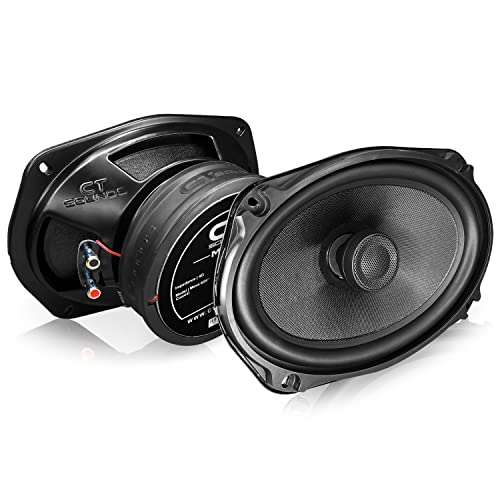
CT Sounds Meso 6×9″ 400 Watt 2-Way Premium Coaxial Car Speakers

BOSS Audio Systems CH6930B 6 x 9 Car Speakers 400 Watts Per Pair

Pioneer A-Series Standard TS-A6961F 6″ x 9″ 4-Way Coaxial Speakers 450W Max

Pioneer A-Series Plus TS-A6971F 6″ x 9″ 4-Way Coaxial Car Speakers 600W Max

ORION Cobalt CB693 6×9 3-Way Coaxial Car Speakers 320W Pair
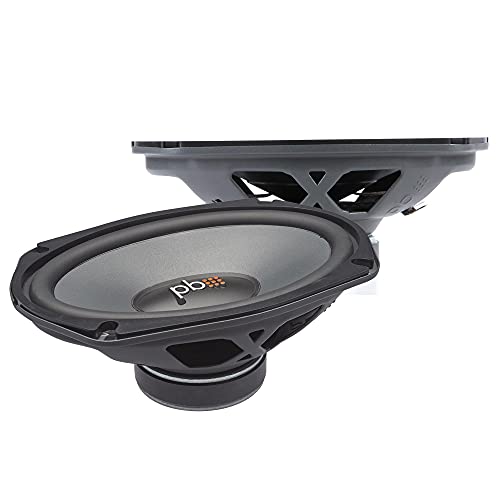
PowerBass OE-690D 6″ x 9″ 3-Way Speakers 100Wrms / 300Wmax (2-Ohm)
More Details On Our Top Picks
Your stock system usually feels thin here, and this Pioneer set is built for that exact gap. The 3-way layout splits the sound into separate paths for lows, mids, and highs, which helps the music feel more orderly in a daily commuter or an older family sedan.
The honest trade-off is that it leans toward smooth balance instead of heavy-handed boom, so bass fans chasing club-style thump may want more power down the road. For most factory refresh jobs, though, that restraint is part of the appeal, because it makes the swap feel easy to live with.
Strong Points
- Three-way layout helps keep bass, vocals, and treble separate enough to sound tidy.
- Built for OEM-style power levels, so it suits straightforward head-unit upgrades.
- Balanced voicing works well for long drives where harsh highs get tiring fast.
- Pairs neatly with everyday listening, from radio talk shows to mixed playlists.
Things To Consider
- The bass tuning is polite, not aggressive, so extra low-end force is limited.
- That smoother character can feel tame beside a more output-focused Pioneer option.
- Like most coaxial speakers, proper door sealing and trim fit still matter a lot.
Feature Snapshot
Who It Suits Best
Drivers replacing worn factory speakers in a sedan, coupe, or compact SUV will get the most from this set.
Where A Sibling Pick Shines
Pioneer A-Series Plus TS-A6971F makes more sense for you if stronger output matters more than a relaxed factory-style sound.
This CT Sounds pair leans harder toward an energetic front stage than the Pioneer F-Series above. A two-way coaxial speaker combines a woofer and tweeter in one unit, which keeps the install simpler while still giving you more edge and punch than many basic replacements.
You’ll notice the appeal most in a car that already has an amp or a stronger head unit, because the 400 watt pair rating suggests more breathing room than the lower-key Pioneer option. The trade-off is simple enough, it asks for a system that can keep up, so it’s less about easygoing stock balance and more about giving your setup some muscle.
What We Like
- Two-way design keeps the install straightforward without giving up much punch.
- More output headroom suits upgraded systems in small cars and trucks.
- Works well for bass-focused playlists where a firmer low end matters.
- Better fit than softer factory-style picks when you want a livelier cabin.
- Pair format is easy to plan around for a front or rear swap.
Minor Gripes
- The stronger voicing can feel less relaxed on plain radio listening.
- As with most aftermarket coaxials, mounting depth and grille clearance deserve attention.
- You may want an amp for the full payoff, which adds cost and wiring work.
Technical Sheet
Made For
Car audio hobbyists who already have an amp or plan to build around one should get the most from this set.
Look Elsewhere When
PIONEER F-Series TS-F6935R suits you better if you want an easier factory-style refresh with less need for extra system power.
BOSS keeps this one simple, and that simplicity helps in an older daily driver or a budget refresh. The 3-way layout spreads the audio across three driver sections, so the sound can feel fuller than a worn stock speaker without turning the install into a weekend project.
Compared with the CT Sounds Meso, the CH6930B reads as the more approachable route for a modest system. The honest catch is that you’re not shopping for a fancy showcase piece here, you’re getting a straightforward upgrade that makes sense when you want more life from the cabin without overcomplicating things.
Bright Spots
- Three-way design helps the sound feel wider than a basic single-driver swap.
- 400 watts per pair gives you a useful step up for modest systems.
- Easy fit for practical upgrades in commuter cars and work trucks.
- Good middle ground between plain factory sound and more aggressive tuning.
Areas To Watch
- The cabinet of the car still shapes bass more than the speaker alone.
- You may find the finish and fitment more practical than premium.
- Door vibration control can matter a lot once the low end gets stronger.
Core Details
Whose Shelf It Belongs On
Budget-conscious drivers who want a solid bass upgrade without a complicated install will appreciate this set.
Skip It When
CT Sounds Meso is the better route for you if your setup already has the power to feed a more assertive speaker.
This Pioneer A-Series model feels like the careful middle step between the softer F-Series and the stronger A-Series Plus. A 4-way coaxial speaker adds another driver section, which can help the sound separate a little more cleanly across the range, especially in a car that already has decent door insulation.
The included installation adaptors make this one easier to think about for factory swaps, and that’s a real practical plus in older vehicles. The trade-off is that the extra refinement still won’t replace a dedicated sub, so the bass is better described as more organized than thunderous.
Upsides
- Four-way layout gives the sound a more layered feel than simpler coaxials.
- Installation adaptors help reduce the hassle of a stock-location upgrade.
- 450W max leaves room for a more capable stereo chain.
- Good fit for drivers who want clearer detail without a harsh top end.
Room For Improvement
- More clarity doesn’t automatically mean deep bass, so expectations should stay grounded.
- The extra parts make the package a little more involved than the Pioneer F-Series.
- Vehicle trim and mounting depth still decide how smooth the install feels.
Details At A Glance
Right Fit For
Drivers who want a cleaner factory upgrade with a little extra depth and less roughness will like this model.
Another Choice May Suit
Pioneer A-Series Plus TS-A6971F is a better match for you if you want the stronger ceiling and don’t mind paying for it in a larger step up.
Among the Pioneer choices here, this one is the most natural step up for a system that already has some backbone. The 4-way layout and 600W max rating give it more ceiling than the Standard TS-A6961F, so it suits a setup where you want the music to feel bigger without losing the clean Pioneer character.
It still fits the same factory-upgrade lane, just with more room to breathe. That makes it a smart match for drivers who like a firmer low end and do not mind using the rest of the stereo chain to show it off, though casual listeners may not need the extra capacity.
Reasons To Buy
- 600W max gives this pair more overhead than the Standard A-Series model.
- Four-way setup helps the speaker handle a broader slice of the mix.
- Good fit for stronger head units and modest amplified systems.
- Works well for drivers who want bass with a bit more scale.
- Still keeps the familiar Pioneer upgrade path for stock locations.
Softer Spots
- The extra capability only matters when the rest of the system can support it.
- You may pay more for headroom than you actually use in daily commuting.
- The install remains a car-audio job, so fit and wiring still need care.
Feature Rundown
Built With In Mind
Drivers who already enjoy louder listening and want more headroom for bass-heavy playlists will feel at home with this set.
Reach For A Different Pick When
Pioneer A-Series Standard TS-A6961F makes more sense for you if you want a calmer upgrade that keeps the cost of system changes lower.
ORION takes a more rugged, no-nonsense path than the polished Pioneer sets above. The included grills matter in day-to-day use because rear-deck or door speakers can take more physical wear, and that makes this a sensible choice for work trucks, older sedans, or anyone who wants a little extra protection around the speaker face.
The 3-way layout keeps the sound full enough for mixed playlists, and the 320W pair rating sits in a more modest lane than the CT Sounds model. The honest read is that you get durability-first design and a useful bass bump, not a luxury-focused finish.
Best Bits
- Grills included, which helps with everyday protection in busier cabins.
- Three-way design gives the sound a fuller shape than a basic swap.
- Works well for drivers who want a sturdy, practical speaker package.
- 320W pair rating fits modest upgrade plans without asking for a huge system.
Worth Noting
- The finish is practical first, so style seekers may want more polish.
- That protective approach can add a little bulk around the speaker face.
- Like most car speakers, clean mounting surfaces help avoid rattles later.
Feature Card
The Right Fit
This suits practical drivers who want added durability alongside a fuller sound in a daily-use vehicle.
Swap It Out When
CT Sounds Meso fits you better if your setup is built around stronger output and you want a more performance-forward voice.
PowerBass takes a different route from the others here, because the 2-ohm load changes how the speaker interacts with the rest of the system. In plain terms, impedance is the electrical resistance a speaker presents, and 2-ohm designs can draw more from the source, which makes this a smarter fit for the right amp-driven setup than for a bare-bones factory radio.
That makes the OE-690D the most specific pick in the group, not the easiest. You gain a useful 100Wrms rating and 300W max ceiling, but you also need to match it correctly, so this is for the person who knows the stereo chain already has enough support to make the extra effort worthwhile.
Positives
- 2-ohm design can suit systems built to take advantage of it.
- 100Wrms rating gives a clearer sense of real-world power handling.
- Three-way layout helps the speaker cover more of the audio range.
- Good option for amp-backed installs that need a useful bass push.
Areas To Watch
- The 2-ohm setup is more system-specific than the other picks here.
- You may need a more careful matching process to get the best result.
- It fits less naturally into a plain factory system than the Pioneer F-Series.
Core Details
Who Should Grab It
This fits audio hobbyists with a matched amplifier who want a 2-ohm speaker for a more purposeful install.
Where A Sibling Pick Shines
BOSS Audio Systems CH6930B is the easier route if you want a simpler, less system-dependent upgrade for an everyday car.
How To Choose The Right 6 By 9 Speakers For Bass
Start With Your Power Source
Your head unit or amplifier decides a lot more than people expect. A basic factory radio usually favors efficient, easy-to-drive speakers like the Pioneer F-Series TS-F6935R, while a stronger amp opens the door to the CT Sounds Meso or PowerBass OE-690D.
That matters because low-end feel comes from the whole chain, not just cone size. A speaker with a high max rating can still sound flat in a weak system, while a modest speaker can sound full when the match is cleaner.
Match The Speaker Layout To Your Goal
Two-way coaxials keep things simple, with one woofer and one tweeter sharing the job. Three-way and four-way designs spread that work across more parts, which can make the sound feel more layered and less congested.
For bass, that extra separation helps most when your cabin already has some damping and your music mixes vocals with kick drum or synth bass. The Pioneer A-Series Standard and Plus models sit in that more layered lane, while the BOSS and ORION picks keep the formula simpler.
Think About Impedance And Install Fit
Impedance, measured in ohms, affects how much electrical load a speaker places on the stereo. A 2-ohm model like the PowerBass OE-690D needs more careful matching than a typical factory-style replacement, so it suits a planned setup rather than a casual swap.
Mounting depth, grille clearance, and adapter support matter just as much in real cars, especially in door panels with tight trim. A neat fit avoids rattles, and rattles can make even a strong speaker sound less convincing.
Balance Bass With Everyday Listening
Some 6 by 9 speakers lean toward a polite, balanced sound, while others push harder in the midbass. For long commutes, the smoother tune usually feels easier to live with, but a more assertive speaker can make drum hits and bass lines feel more immediate.
That’s why the right choice depends on the rest of your setup and how you drive. Daily commuters often do well with the Pioneer F-Series or ORION Cobalt, while hobbyists chasing a firmer punch usually land closer to CT Sounds or the Pioneer A-Series Plus.
Things Worth Knowing First
Common Shopping Slip Ups
Many people focus on wattage and skip the rest of the system. That can backfire fast, because a speaker’s output only means much when the radio or amp can support it.
Another common miss is ignoring fit details like depth and trim space. A speaker that looks right on paper can still cause headaches behind the door panel.
The Upgrade Payoff
Higher-tier models usually cost more because of extra driver layers, better materials, and more careful tuning. That doesn’t guarantee magic, but it often brings cleaner separation and a stronger sense of control at higher volume.
For you, the upgrade makes the most sense when the rest of the system is already decent and you listen often enough to notice detail changes. A modest radio-only setup usually gets more value from a simpler model than from paying for unused headroom.
Frequently Asked Questions
Do 6 by 9 speakers actually add bass?
They can add fuller midbass and more body than many smaller car speakers. Deep sub-bass still depends on the rest of your audio system.
Are 2-way or 3-way speakers better for bass?
Neither layout automatically gives deeper bass, but both can help the sound feel fuller in different ways. Three-way designs often spread the audio more smoothly across the range.
Can you use 6 by 9 speakers with a factory radio?
Yes, many of these picks are built for straightforward replacement use. A stronger amp usually brings out more of what the speaker can do.
Why does impedance matter so much?
Impedance affects how hard the speaker is for the stereo to drive. Matching it correctly helps the system behave the way it should.
Which pick suits an easy factory swap?
PIONEER F-Series TS-F6935R is the cleanest starting point for that kind of job. Pioneer A-Series Standard TS-A6961F is the next step up when you want a little more refinement.