
Upgrading a factory audio setup can make a long commute feel less dull and a weekend drive a lot easier to enjoy. The right Automotive Radio Speakers also help you hear vocals, drums, and spoken-word radio without turning the volume into a roar.
This roundup keeps the focus on fit, size, and sound balance rather than flashy claims. You’ll find compact choices for tight door openings, larger aftermarket swaps for fuller output, and a head unit option for drivers replacing more than just the speakers.
Quick Look at the Shortlist
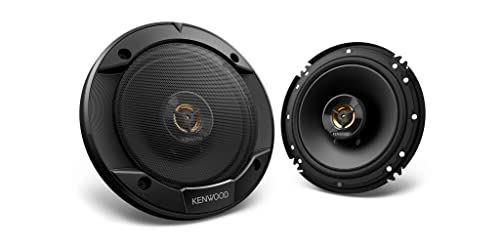
Kenwood KFC-1666R Road Series 6.5″ 2-Way Car Speakers

PIONEER F-Series TS-F6935R 6 x 9 3-Way Car Speakers

Pioneer MVH-S110BT 1-Din Digital Media Car Stereo

PIONEER F-Series TS-F1035R 4″ 2-Way Car Speakers
2026 Upgraded 6.5 Inch Car Speakers, 800W Max

Pioneer F-Series TS-F1634R 6.5″ 2-Way Car Speakers
More Details On Our Top Picks
Kenwood keeps this pair focused on the basics that matter in a daily commute, a cloth woofer for steady midrange and a balanced dome tweeter for cleaner high notes. The 6.5-inch size fits many factory door openings, so your upgrade path can stay simple rather than turning into a trim-panel project.
The 4-ohm impedance means it suits a wide range of car audio setups, and the 300W max figure gives you room to pair it with a modest aftermarket deck or amp later. The honest read is that it leans practical more than flashy, which makes it a sensible swap for drivers who want cleaner sound without changing the whole system.
Strong Points
- 6.5-inch coaxial layout keeps installation straightforward in many door locations.
- Cloth woofer helps the lower mids sound less thin on spoken radio and music.
- Balanced dome tweeter supports clearer cymbals and voice detail.
- 4-ohm design works with a broad range of common head units.
Things To Consider
- Max power is a peak figure, so it does not tell the whole story about daily volume.
- Drivers chasing deep bass may still want a separate subwoofer.
- Door depth and factory brackets still need a quick check before installation.
Feature Rundown
Who It Suits Best
You get the most from this set in a daily driver where easy fit and clearer vocals matter more than booming output.
Where A Sibling Pick Shines
PIONEER F-Series TS-F1634R is the better fit for smaller openings, especially for drivers replacing compact factory speakers.
That 6 x 9 footprint puts this Pioneer set in a different lane from the Kenwood pair above, since many larger rear decks and door panels are built around this size already. A 3-way layout means the sound is split across three driver sections, which can help the presentation feel more layered for music and radio.
The high-efficiency design matters in plain terms, because it can make better use of OEM power from a factory head unit. You may find it especially useful in a sedan or coupe where the stock speakers are tired but the rest of the system still works fine.
What We Like
- 6 x 9 sizing suits many larger factory openings.
- 3-way setup can spread vocals and instruments with more separation.
- High-efficiency build is friendly to factory-style power levels.
- Good match for a clean replacement in older daily drivers.
Points To Note
- It depends on a 6 x 9 opening, so it is not a universal fit.
- More layered sound does not replace a dedicated sub for low-end weight.
- Door or rear deck adapters may still be part of the install.
Core Details
Who Will Love This
Drivers with larger factory mounts and a stock radio setup will appreciate the easy path from worn speakers to cleaner sound.
Another Choice May Suit
Kenwood KFC-1666R Road Series fits better for shoppers with 6.5-inch openings who want a more common door-speaker size.
This Pioneer unit changes the job entirely, because it’s a 1-Din digital media receiver rather than a speaker pair. That makes it useful for a dashboard refresh where Bluetooth, USB playback, and front plus subwoofer RCA outputs matter more than replacing a single speaker at a time.
The 50W x 4 output gives you a clear four-channel layout for common car audio builds, and the AM/FM tuner keeps regular radio in the mix. For commuters who want phone-friendly playback without a bulky screen, it’s a tidy middle ground, though it still asks for the right dash kit and wiring match.
Reasons To Buy
- Bluetooth support helps with wireless music and hands-free calling setups.
- USB input gives you another easy source for audio playback.
- 50W x 4 output suits many standard multi-speaker systems.
- Front and subwoofer RCA outputs help with future expansion.
Room For Improvement
- It is a head unit, so it does not replace speaker hardware by itself.
- Installation can call for dash parts and wiring knowledge.
- The single-DIN format may feel compact in larger dashboards without a trim solution.
At A Glance
Made For
You get the most value here in a car audio refresh where the head unit is as outdated as the speakers.
Swap It Out When
PIONEER F-Series TS-F6935R suits drivers who only need larger 6 x 9 speakers and want to keep the factory radio in place.
Some vehicles need a smaller speaker, and that’s where this 4-inch Pioneer set makes sense. It keeps the same two-way coaxial idea as the Kenwood above, but the tighter footprint makes it easier to match compact dash or door openings.
In older economy cars or smaller factory layouts, a speaker this size often solves the basic fit problem without turning the install into a compromise maze. The trade-off is plain, since a 4-inch driver won’t move as much air as the larger picks here, but the swap can still refresh tired sound in a useful way.
Highlights
- 4-inch size fits compact factory openings better than larger door speakers.
- Two-way layout keeps the design simple for replacement jobs.
- Good option for older cars with limited mounting space.
- Can freshen up weak factory sound without a full system rebuild.
Worth Noting
- Smaller drivers usually bring less fullness than 6.5-inch or 6 x 9 choices.
- Owners of larger vehicles may want more cone area for better balance.
- Fit still depends on the exact factory opening and mounting depth.
Details At A Glance
Perfect Match For
You’ll like this most in a compact car or older vehicle that needs a clean, simple speaker replacement.
Reach For A Different Pick When
Kenwood KFC-1666R Road Series is the better fit for drivers who have room for 6.5-inch door speakers and want more body.
This pair leans into power more than the Pioneer and Kenwood options, with an 800W max figure and 200W RMS rating. RMS, which means root mean square, is the steadier power number you can use to judge normal use, so that detail matters more than the headline peak.
Universal fit language and a 30-minute install claim point toward a broad replacement audience, especially drivers who want a stronger system without chasing a specialty mount. The honest caveat is that “universal” still needs a real check against your vehicle’s mounting depth, connectors, and door shape.
Best Bits
- High power figures appeal to drivers building a louder system.
- 6.5-inch size keeps it relevant for many common door positions.
- 200W RMS gives a more meaningful daily-use reference than peak alone.
- Universal fit wording broadens the number of vehicles it may suit.
Softer Spots
- The install still depends on your car’s actual mounting layout.
- Peak numbers can sound bigger than the everyday listening experience.
- Power-focused builds may need matching head-unit or amp planning.
Technical Sheet
Built With In Mind
This suits someone planning a stronger upgrade path and wanting a 6.5-inch pair with more headroom than a basic factory replacement.
A Better Fit Elsewhere
Kenwood KFC-1666R Road Series makes more sense for straightforward, lower-fuss replacement work in a car that just needs cleaner sound.
This Pioneer pair sits in a very familiar sweet spot for factory replacement work, because 6.5-inch two-way speakers are easy to understand and easy to place in many cars. Compared with the heavier-output CLES ZYZ option above, this one is more about a tidy, dependable swap than chasing maximum wattage.
The product data also confirms 200W max for the pair, which is enough context for shoppers who want a plain upgrade path without overcomplicating the install. For most standard sedans and hatchbacks, that mix of size and output makes sense, though deeper bass still depends on the rest of your system.
Positives
- 6.5-inch size fits a wide range of common vehicle openings.
- Two-way layout keeps the speaker design simple and familiar.
- 200W max gives a solid replacement target for worn factory units.
- Good match for drivers who want an uncomplicated upgrade.
Areas To Watch
- It may not feel as forceful as higher-output aftermarket pairs.
- Exact fit still depends on depth, brackets, and vehicle trim.
Spec Overview
The Right Fit
You’ll appreciate this most in a standard daily driver where dependable fit matters more than chasing a custom sound setup.
Where Another Pick Suits Better
2026 Upgraded 6.5 Inch Car Speakers, 800W Max is the better match for drivers who want more output headroom and a louder build direction.
How To Choose The Right Automotive Radio Speakers
Start With Size And Mounting Depth
Speaker diameter matters first, because a 4-inch dash slot, a 6.5-inch door opening, and a 6 x 9 rear deck are all different jobs. Mounting depth matters too, since a speaker that fits across the front can still hit the window track or trim behind the panel.
For older cars, factory openings are often the deciding factor, not the power number on the box. That’s why the smaller Pioneer pair and the larger 6 x 9 Pioneer set serve different needs rather than competing head to head.
Match Power Handling To Your System
Peak wattage is the big number on the label, but RMS tells you more about normal use, since it reflects steady power handling. That’s useful when you want cleaner sound at commuting volume instead of chasing short bursts of output.
A modest factory radio usually pairs well with efficient speakers, while an aftermarket head unit or amp gives you more room to step up. The Pioneer MVH-S110BT shows the other half of the equation, because source power and speaker choice shape the end result together.
Choose The Sound Shape You Want
Two-way coaxial speakers combine woofer and tweeter in one unit, which keeps install work simpler and gives you a familiar sound profile. Three-way designs add another driver section, so separation can feel a bit more layered in music-heavy use.
That trade-off matters most for long commutes, where vocal clarity and smooth treble usually matter more than raw volume. Kenwood’s cloth woofer and balanced dome tweeter lean toward a calmer presentation, while the Pioneer 6 x 9 set pushes a fuller, roomier feel.
Think About Your Install Tolerance
Some upgrades are a straightforward speaker swap, and others turn into a wiring, dash-kit, or adapter project. A simple replacement makes sense for a daily driver that just needs cleaner playback, while a full head unit change suits a broader refresh.
CLES ZYZ will appeal to someone comfortable with a more ambitious upgrade path, but the honest trade-off is that broader claims of fit still need real vehicle matching. The less you want to tinker, the more a common-size Pioneer or Kenwood replacement tends to fit the bill.
Before You Choose Your Setup
Wrong Turns To Avoid
A common miss is focusing on wattage alone and ignoring size, depth, and impedance. Another is assuming a universal-fit label means every car will need the same brackets or the same wiring.
It also helps to separate speakers from head units, because they solve different parts of the system. The Pioneer MVH-S110BT is useful for a source upgrade, while the other picks here are speaker-focused.
The Upgrade Payoff
Higher-tier models usually spend more on driver materials, stronger motor structures, and more involved layouts such as 3-way designs. Those details can improve clarity, handling, and output headroom, especially in larger vehicles or fuller systems.
The extra spend makes the most sense when your current setup already has decent wiring and a radio worth keeping. In a basic commuter car with weak factory sound, a simpler 6.5-inch replacement often gives you the better return on effort.
Frequently Asked Questions
Do automotive radio speakers need a separate amplifier?
Many factory systems can run replacement speakers just fine, especially efficient 4-ohm models. An amp matters more when you want more headroom or stronger control at higher volume.
Is a 6.5-inch speaker the safest size to choose?
It is a common fit in many cars, but it is not universal. Door depth and factory mounting points still need a quick check before you commit.
What does 2-way or 3-way mean?
Two-way speakers split the job between a woofer and a tweeter, while three-way models add another driver section. That extra section can help with separation, though it also depends on the rest of the system.
Should you replace the head unit or the speakers first?
Worn speakers usually get the fastest sound improvement from a replacement. A head unit upgrade makes more sense when you also want Bluetooth, USB playback, or better output control.
Do high wattage numbers always mean stronger sound?
No, because peak wattage only shows a brief ceiling, not the full listening picture. RMS power and speaker efficiency matter more for everyday use.