

Finding the right bass amp combo can make practice feel a lot less like guesswork. A small apartment, a rehearsal room, or a home studio all ask for different things, from quiet headphone use to enough speaker size for a full low end.
This roundup keeps the focus on practical fit. You get a mix of compact practice amps, larger stage-leaning combos, and models with features that matter in daily use, like tone shaping, direct recording, and line output options.
Quick Look At The Shortlist

Fender Rumble 100 V3 Bass Amp 100-Watt 12-Inch Speaker

CXLWZ Electric Guitar Amp 20 Watt Portable Amp
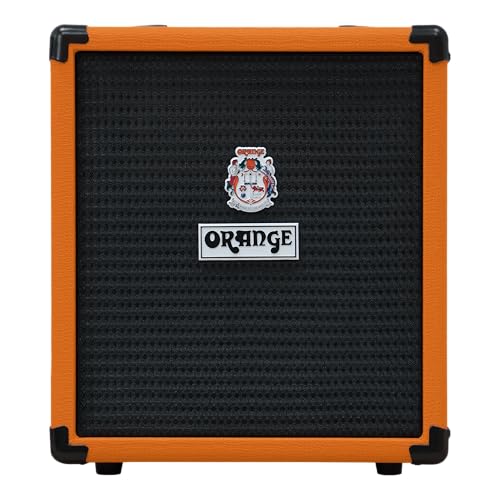
Orange Crush Bass 25 25W 8-Inch Combo

Orange Crush Bass 25W Bass Guitar Combo Amp

JOYO Vibe Cube BA-30 30W Bass Combo

GLARRY Electric Bass Combo Amp 20W Practice

Royal Sovereign Orange Crush50 Bass Guitar Combo 1×12
More Details On Our Top Picks
For rehearsal rooms and larger practice spaces, this Fender gives you a more serious starting point than the smaller 20- and 25-watt options in this list. The 12-inch Eminence speaker matters because a bigger cone usually moves more air, so your low end feels less pinched when you lean into a line.
The overdrive circuit and tone voicing give you room to shape the sound without adding pedals right away, and the effects loop plus direct XLR output make it more flexible than the compact amps below. The honest trade-off is size, since a 100-watt combo is less grab-and-go than the Orange Crush Bass 25 or the GLARRY practice amp.
Strong Points
- 100 watts gives you room for louder rehearsals.
- The 12-inch Eminence speaker supports a fuller low end in shared spaces.
- Overdrive and voicing controls help shape the tone without extra gear.
- The effects loop gives you a cleaner path for external pedals.
- The XLR output suits direct connection to a mixer or recording setup.
Things To Consider
- Bigger cabinet size makes it less convenient for tight rooms.
- It’s more amp than a bedroom-only player needs.
- The added flexibility can feel a bit much for absolute beginners.
Feature Snapshot
Who It Suits Best
Players who rehearse with a band or want a home amp that can stretch beyond bedroom volume will get the most from this combo.
A Better Fit Elsewhere
Orange Crush Bass 25 25W 8-Inch Combo suits quieter home players better, especially when a smaller footprint matters more than room-filling output.
This compact amp makes the most sense for quiet practice corners, shared apartments, and quick warmups before a lesson. The headphone input is the key detail here, since it lets you keep the session private without giving up an amp-shaped setup.
Compared with the Fender and both Orange models, this one is far simpler and easier to place on a desk or shelf. The trade-off is straightforward, though, because a 20-watt portable combo is about convenience first, not room-filling bass weight.
Upsides
- Small size makes it easy to tuck into a practice area.
- Headphone support helps keep late sessions quiet.
- 20 watts is enough for close-range home use.
- The included noise-reduction cable adds a practical touch for cleaner signal handling.
Areas To Watch
- It won’t carry the room like the Fender Rumble 100 V3.
- The compact format suits solo practice more than rehearsal duty.
- Extra controls and sound-shaping options appear limited compared with the Orange and JOYO picks.
Quick Facts
Built With In Mind
Beginners, apartment players, and anyone who wants a low-fuss practice amp will get the most from this compact setup.
Swap It Out When
JOYO Vibe Cube BA-30 makes more sense for you if Bluetooth playback and direct recording matter more than the simplest possible layout.
This Orange sits in a sweet middle zone for practice, recording, and casual rehearsal prep. The 8-inch speaker is smaller than the Fender’s 12-inch unit, so you get a tighter footprint, while the analog circuitry gives the amp a more straightforward, old-school style of control.
The parametric EQ is the detail that makes it stand out from the plain-vanilla practice amps above, because you can target a frequency band more precisely instead of nudging only broad tone knobs. That said, the 25-watt format still keeps it in the home-and-small-room category rather than full rehearsal territory.
Bright Spots
- The 8-inch speaker keeps the cabinet compact for desks and small rooms.
- Parametric EQ gives you finer control over the tone.
- Analog circuitry will suit players who prefer a direct feel.
- It works well for practice, recording, and light rehearsal use.
Minor Gripes
- 25 watts leaves less headroom than the Fender Rumble 100 V3.
- The smaller speaker won’t feel as broad at higher volume.
- Players who want built-in extras may find it fairly focused.
Core Details
Right Fit For
Home players who want a practice amp with a little more tone control, plus occasional recording use, will feel at home here.
Another Choice May Suit
GLARRY Electric Bass Combo Amp is a better match for very simple practice setups that focus on basic controls and low-friction use.
This version keeps the Orange idea lean and straightforward, which suits players who don’t want much clutter around the amp itself. It’s a sensible fit for desk practice, quick tone checks, or a small room where simplicity matters more than feature depth.
Compared with the Orange Crush Bass 25 25W 8-Inch Combo, this one appears more stripped back, so you’re looking at a cleaner setup rather than a more adjustable one. That can be a relief for beginners, though seasoned players may miss the extra tone control from the parametric model.
Positives
- Simple layout keeps day-to-day use easy.
- The 25-watt format fits practice at home.
- Orange styling gives it a familiar, no-nonsense look.
- Smaller footprint helps in tight practice corners.
Softer Spots
- It offers less tone-shaping depth than the Orange Crush Bass 25 with parametric EQ.
- Players wanting more room coverage will need a larger combo.
- The straightforward control set may feel basic after a while.
At A Glance
The Right Fit
Beginners and casual players who want a plain, dependable practice amp will feel most comfortable with this one.
Look Elsewhere When
Fender Rumble 100 V3 makes more sense for you if you need more output and direct output flexibility for rehearsals or recording.
For home recording, livestream practice, or a setup that pulls double duty, this JOYO is the most feature-packed pick in the group. The 3-band EQ, which means separate control over bass, middle, and treble, makes tone shaping more direct than the simpler Orange amp above.
Bluetooth 5.1 and OTG direct recording give it a modern edge, while the headphone practice angle keeps it useful in shared homes. The trade-off shows up in the 4-inch speaker, which is much smaller than the Fender and Orange cabinets, so the sound is shaped for convenience more than room-moving size.
Best Bits
- Bluetooth support makes playback easy for backing tracks.
- OTG direct recording helps you move from practice to capture without extra gear.
- The 3-band EQ gives you more tone control than basic two-knob amps.
- Headphone practice keeps it practical for late sessions.
- Small cabinet works well on a desk or studio shelf.
Points To Note
- The 4-inch speaker is compact, so it won’t feel as large as the 12-inch Fender.
- Feature depth can feel unnecessary for a very simple practice routine.
- More functions usually mean a bit more setup time than a basic plug-and-play amp.
Details At A Glance
Whose Shelf It Belongs On
Home recording hobbyists, solo practice players, and livestream setups will get the most out of this model.
Where A Sibling Pick Shines
Orange Crush Bass 25 25W 8-Inch Combo is the calmer choice for you if you want fewer functions and a more traditional control layout.
This GLARRY keeps the formula plain, and that’s often exactly what a first practice amp needs. Headphone and MP3 input support make it easy to play along quietly, which is useful in dorm rooms, apartments, or a shared den.
Compared with the CXLWZ portable amp, this one adds bass, middle, treble, and volume controls, so you get a little more shaping room without jumping into a complex setup. The trade-off is that it stays firmly in practice-amp territory, so it’s a fit for close-up use rather than band-room volume.
Reasons To Buy
- Simple control set keeps learning the amp easy.
- Headphone input helps keep practice quiet.
- MP3 input supports play-along sessions from another source.
- Bass, middle, and treble controls give you more tone adjustment than the most basic mini amps.
Worth Noting
- 20 watts is best suited to private practice.
- It won’t replace a larger rehearsal combo.
- Portable builds can be easy to move, but they also tend to feel more basic in cabinet size.
Core Details
Made For
Beginners and casual home players who want a straightforward practice amp with a little tone control should feel right at home.
Skip It When
Fender Rumble 100 V3 is the smarter choice for you if rehearsals, line output, and more speaker reach matter more than simplicity.
This Orange steps up in scale from the 25-watt models and gives you a 1×12 format, which is a helpful sign that it’s built for a roomier, more assertive sound. For players who rehearse in louder environments, that extra cabinet size can make the amp feel less boxed in.
It sits closer to the Fender Rumble 100 V3 in spirit than the smaller practice amps, though the 50-watt rating places it in a middle ground between home use and bigger-session flexibility. The catch is simple, larger combos take more space, so a bedroom setup may feel crowded around it.
Positives
- The 1×12 layout supports a larger, more open sound than the 8-inch Orange models.
- 50 watts gives you more reach than the smaller practice combos.
- It suits louder rooms better than the compact amps in this list.
- The format makes sense for players who want more body from the cabinet.
Points To Note
- It takes more floor space than the mini practice amps.
- Players focused only on quiet home practice may not need this much output.
- The larger build is less convenient for quick carry-and-go use.
Feature Card
Perfect Match For
Players who want a louder practice combo for a larger room or a busier rehearsal space will get the most from this model.
Where Another Pick Suits Better
JOYO Vibe Cube BA-30 fits better for you if recording features and Bluetooth matter more than cabinet size.
How To Choose The Right Bass Amplifier Comboes
Match Output To Your Space
Power matters, but room size matters just as much. A 20-watt combo works for private practice, while 25 watts sits in the same neighborhood for home use, and 50 watts or 100 watts start making more sense in rehearsal spaces or louder rooms.
The speaker size changes the feel too. A 12-inch speaker, like the one on the Fender Rumble 100 V3, usually gives bass more body than an 8-inch or 4-inch setup, though smaller speakers are easier to place on a desk or shelf.
Choose Features That Match How You Play
Headphone input is a big help for apartment life and late practice. EQ controls matter too, because bass, middle, and treble knobs let you tailor the sound without extra pedals or a mixer.
Direct output, effects loop, Bluetooth, and recording support all serve different habits. A player who records at home may value the JOYO Vibe Cube BA-30, while someone who just wants a straightforward practice box will probably prefer the simpler Orange or GLARRY models.
Think About Portability And Setup Time
Smaller combos are easier to move, clean around, and store between sessions. That convenience can matter as much as volume, especially in a bedroom studio or a shared living room.
Heavier, larger amps ask for more floor space and a little more commitment. That extra bulk can be worth it for rehearsal flexibility, though it may feel unnecessary for quiet solo practice.
Pick For Today, Not Just For Later
It helps to choose the amp that fits your actual routine, not the one that sounds most ambitious on paper. A simple 20-watt practice amp can be the smarter call than a bigger combo that sits unused.
On the flip side, a player already joining rehearsals will usually outgrow a tiny box fast. That’s where a 50-watt or 100-watt model starts earning its keep.
What To Weigh Before You Commit
Mistakes Worth Dodging
One common miss is buying for wattage alone. Speaker size, headphone support, and the control layout matter just as much, especially in small apartments or home studios.
Another slip is overlooking fit for the room. A compact amp is easier to live with day to day, and a larger cabinet can become awkward quickly on a crowded floor.
Where The Extra Money Goes
Higher-tier combos usually pay for better speaker size, more output headroom, and more useful routing options. That means a stronger low end, more room to grow, and less need to patch in extra gear right away.
Spending up makes sense for rehearsal players and home recordists who want direct output or more control over their signal. For very casual practice, a simpler amp often makes more sense and keeps the setup easy.
Frequently Asked Questions
What size bass combo works for home practice?
A 20-watt or 25-watt combo usually fits home practice well. Headphone support helps even more in shared spaces.
Do you need a 12-inch speaker for bass?
You don’t need one, but it usually gives the low end more room to breathe. Smaller speakers can still work fine for private practice.
Is direct output useful on a bass amp combo?
Yes, it helps when you want to send the amp straight to a mixer or recording setup. The Fender Rumble 100 V3 is the clearest example in this list.
Are Bluetooth and recording features worth paying for?
They’re worth it for home players who record or use backing tracks often. For a simple practice routine, they can be extra complexity you won’t use much.
What matters more, wattage or speaker size?
Both matter, but they do different jobs. Wattage affects how far the amp can go, while speaker size affects how full the bass feels in the room.