


Factory audio systems often need a clean signal handoff before an amplifier or subwoofer can earn its keep. That is where these line output converters come in, especially for daily drivers, older head units, and builds that start with speaker-level signal instead of RCA output. The right pick depends on channel count, turn-on behavior, noise control, and how much installation room exists behind the dash or near the amp rack.
Quick Look At The Shortlist
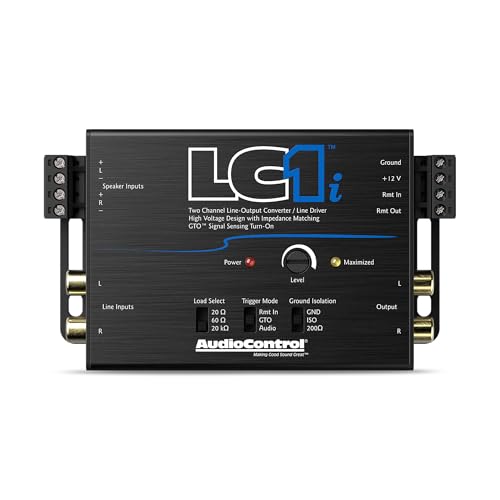
AudioControl LC1i Active 2-Channel Line Driver

Skar Audio SKAR2CH-LOC 2-Channel Speaker Wire to RCA Line-Out Converter

RECOIL ALOC2 2-Channel Speaker Cable to RCA Line Output Converter

DS18 V2HL.V2 Hi/Lo Converter 2-Channel with Speaker Emulator

CT Sounds CT-LC2 2-Channel Premium Line-Out Converter with BassLift

Skar Audio SKE2LOC 2-Channel Active Line Output Converter

Gulfmew Car Audio Line Output Converter 2 Channel High to Low Adapter
More Details On Our Top Picks
Factory systems that need a cleaner handoff to an amplifier tend to benefit from AudioControl’s LC1i, since the active design and impedance-matching approach suit setups where the source signal needs more than a basic adapter. In a daily driver with an OEM head unit, that matters because the line driver role helps the downstream gear receive a more usable signal path.
The trade-off is straightforward, the LC1i sits in the more serious end of the category, so casual installs may not need that level of signal management. For a trunk build or a factory system with stubborn integration quirks, it feels more purpose-built than the simpler converters below, especially the passive-style options from RECOIL and Skar Audio.
What We Like
- Active signal handling suits factory radios that need a stronger interface before an amp gets added.
- Impedance matching helps the source and downstream gear work together more cleanly in mixed OEM setups.
- Well suited to subwoofer additions, where signal stability often matters more than flashy extras.
- Good match for installers who want a more composed front end than a basic high-to-low adapter.
Points To Note
- Higher-spec design makes it less necessary for very simple audio upgrades.
- Installation takes a bit more planning than a compact passive converter.
- Needs the kind of system where its added signal management actually earns its space.
Feature Snapshot
Who It Suits Best
Installers working with factory head units, especially on subwoofer or amplifier add-ons, are the best fit for this model.
A Better Fit Elsewhere
RECOIL ALOC2 suits simpler amp additions better, especially for shoppers who want a more straightforward converter with remote turn-on support.
Skar Audio keeps this one broad on compatibility, and that helps in mixed builds where OEM radios, aftermarket units, and smart radios all show up in the same garage conversation. The plain 2-channel format makes it a sensible bridge for standard stereo signal conversion without asking for extra complexity.
Compared with the AudioControl LC1i, this is the more straightforward route, which suits someone adding an amp to a common setup and wanting the signal path handled without extra bulk. The practical upside is simpler integration, though users chasing deeper tuning control may prefer the LC1i or CT Sounds CT-LC2.
Highlights
- Works across OEM, aftermarket, and smart radio setups.
- 2-channel layout fits many mainstream amp additions.
- Simple signal conversion keeps the install path easy to follow.
- Well suited to vehicles where the source type may change later.
Small Caveats
- Less specialized than the active, higher-control options in this roundup.
- No extra tuning features stand out in the source data.
- Compact converters like this are convenient, but they still depend on tidy wiring to avoid clutter behind the dash.
Core Details
Made For
Daily drivers with mixed radio compatibility needs are the best match here, especially for straightforward amplifier additions.
A Better Fit Elsewhere
DS18 V2HL.V2 fits more specialized factory systems better, especially where speaker-emulator behavior matters more than broad compatibility alone.
RECOIL’s ALOC2 keeps the job focused on a very common use case, converting speaker-level output to RCA-level input for an added amplifier. The included audio transformer for noise isolation matters in vehicles where hiss or interference can become a problem, especially around older factory radios.
Compared with the more active AudioControl unit, this one is easier to think about as a direct conversion tool with an adjustable approach and remote turn-on support. That combination makes sense for modest upgrades, although systems that need stronger signal shaping may benefit from the LC1i instead.
Best Bits
- Adjustable 2-channel design gives flexibility during setup.
- Remote turn-on support helps simplify amplifier triggering.
- Audio transformer adds noise isolation for cleaner signal transfer.
- Strong fit for factory radio upgrades in everyday cars and trucks.
Areas To Watch
- Best suited to straightforward amp additions rather than highly tuned systems.
- Adjustable gear can take a little extra setup patience.
- Like many small converters, it rewards careful mounting so the wiring stays tidy over time.
Details At A Glance
The Right Fit
Shoppers adding an amplifier to a factory radio and wanting a simple, adjustable converter will get the most from this model.
Another Choice May Suit
CT Sounds CT-LC2 suits bass-focused upgrades better, especially for setups that need BassLift tuning rather than a more direct conversion path.
DS18 takes a more specialized path by pairing high-level to low-level conversion with a speaker emulator, which is aimed at factory systems that expect something more than a plain adapter. In real installs, that kind of logic can help preserve smoother system behavior when the source unit is picky about what it “sees.”
Compared with the simpler Skar Audio SKAR2CH-LOC, this model gives more system-awareness, though that also makes it better suited to specific OEM scenarios than to the most basic amp add-ons. The honest read is that complexity buys flexibility here, and that trade-off fits modern factory audio better than older, uncomplicated head units.
Strong Points
- Speaker emulator behavior gives it an edge in more particular factory systems.
- 2-channel high-level input and RCA output keep the layout familiar.
- Useful for vehicle audio setups that need smarter signal recognition.
- Offers more system integration logic than a plain converter.
Room For Improvement
- More specialized than a basic 2-channel adapter, so it’s not always the simplest route.
- System-emulator features matter most in select OEM situations.
- May be more converter than some smaller builds actually need.
Technical Sheet
Built With In Mind
Modern factory audio systems that need a smarter conversion path are the strongest match for this DS18 unit.
Where A Sibling Pick Shines
Skar Audio SKAR2CH-LOC fits broader mixed-radio installs better, especially where plain compatibility matters more than emulator behavior.
CT Sounds gives the CT-LC2 a bass-focused angle, and BassLift is the part that stands out most for low-end shaping in a system that needs a little extra weight. In a truck or hatchback build, that can make tuning feel less flat, especially before a dedicated sub amp takes over.
Compared with RECOIL’s ALOC2, this one leans more toward sound shaping than straightforward conversion alone, so it fits the shopper who wants more say over the bass contour. The trade-off is that tuning tools are only useful when the rest of the system is ready to support them.
Upsides
- BassLift gives the low end more shaping flexibility.
- Premium positioning suggests a more focused feature set for custom tuning.
- Well matched to systems where bass response feels thin after a factory upgrade.
- Still keeps the familiar 2-channel format for straightforward integration.
Softer Spots
- Bass tuning controls matter most in systems with enough supporting hardware.
- Less broad in purpose than the most basic converters in this roundup.
- Custom tuning can take a little more setup time than a set-and-forget adapter.
Core Details
Whose Shelf It Belongs On
Shoppers building around bass tuning and wanting a premium-leaning 2-channel converter are the best match here.
Swap It Out When
RECOIL ALOC2 makes more sense for simple amp additions, especially where remote turn-on support and noise isolation matter more than bass shaping.
Skar Audio’s active converter sits in a comfortable middle ground for common amp installs, especially where a more involved signal path would feel excessive. Active conversion often suits factory systems that need a bit more shaping before the RCA stage, and that makes this a practical choice for routine upgrades.
Compared with the audio-emulator DS18, this model feels less specialized and easier to slot into a conventional build. The downside is that it doesn’t lean into extra feature depth, yet that restraint also keeps the job focused for installers who want a dependable converter without extra system logic.
Reasons To Buy
- Active design suits many common amplifier additions.
- 2-channel layout keeps the install path familiar.
- Good middle-ground choice for everyday vehicle audio work.
- Less specialized than feature-heavy converters, which can make setup feel more direct.
Worth Noting
- Lacks the extra tuning tools found on some higher-feature models.
- Best for standard installs rather than unusual factory-system quirks.
- As with most compact audio parts, clean mounting and organized wiring help keep the installation manageable later.
Quick Facts
Who Should Grab It
Routine amp installers who want an active 2-channel converter without a lot of extra complexity are the best fit for this model.
Reach For A Different Pick When
CT Sounds CT-LC2 fits better for bass-oriented tuning, especially for systems where BassLift has a real job to do.
Gulfmew builds this converter around practical install details, and the 16-foot cable plus compact housing make it easy to think about in cramped dashboards or tidy trunk layouts. The 3.5mm remote bass knob adds a hands-on tuning element, which is useful for setups that need quick low-end adjustment without opening panels.
Compared with the more specialized CT Sounds CT-LC2, this pick is more about convenience and physical reach than deeper bass shaping logic. The 12V DC and 50W-per-channel figures fit standard car-audio expectations, though the real advantage is the simple layout for systems where space is the main constraint.
Bright Spots
- 16-foot cable gives useful reach during installation.
- Remote bass knob makes low-end adjustment easy to access.
- Compact housing suits tight mounting spots.
- Low-noise signal transfer is a strong fit for cleaner everyday installs.
Minor Gripes
- More convenience-led than tuning-heavy.
- Remote control hardware adds another part to mount and route neatly.
- Best suited to compact builds, not elaborate signal-management projects.
Feature Rundown
Made For
Compact installs, trunk-to-cabin cable runs, and everyday systems that benefit from quick bass control are the best fit here.
Look Elsewhere When
AudioControl LC1i suits more signal-sensitive factory integration, especially for installers who want stronger front-end management before amplification.
How To Choose The Right Line Output Converters
Match The Converter To The Factory Source
Signal level is the first filter. A basic speaker-to-RCA adapter works for many standard amp additions, while active units make more sense when the factory radio needs cleaner conversion or stronger signal management.
Think About Turn-On Behavior
Remote turn-on support matters in real installs because an amplifier still needs a reliable wake-up path. Models like the RECOIL ALOC2 handle that directly, which reduces the number of extra parts needed behind the dash.
Favor The Feature Set That Fits The Build
Bass controls, impedance matching, and speaker-emulator behavior are useful only when the system benefits from them. A daily commuter with a simple sub add-on often needs less than a vehicle with a modern OEM head unit and stricter audio integration rules.
Leave Room For Installation Practicality
Size, cable reach, and mounting access matter just as much as signal specs. Compact housings help in tight spaces, but longer cable runs and separate knobs can improve placement flexibility in larger vehicles or trunk-mounted amp setups.
Before You Narrow The Cart
Common Shopping Slip Ups
Many mismatches start with channel count, not sound quality. A 2-channel converter suits stereo paths, but it will not solve every multi-speaker layout or unusually complex factory system.
Another frequent miss is ignoring turn-on needs. A converter can pass signal cleanly and still leave an amplifier without a practical trigger method, which turns a neat install into a messy one.
The Case For Spending Up
Higher-tier units usually add smarter signal handling, tuning control, or more careful integration logic. That extra cost makes sense in vehicles with picky factory audio, noise concerns, or a build plan that needs cleaner front-end control.
For simple amp additions, a straightforward converter is often enough. For custom subwoofer setups or modern OEM systems with load-sensitive behavior, the upgrade can pay off in fewer workarounds and a cleaner final layout.
Frequently Asked Questions
What Does A Line Output Converter Do?
A line output converter changes speaker-level output into RCA-level signal for an amplifier. That lets factory radios work with aftermarket amps and subwoofers.
Do Active Models Matter More Than Passive Ones?
Active models help more in systems that need stronger signal management or a cleaner handoff. Passive units suit simpler upgrades where basic conversion is enough.
Why Does Remote Turn-On Support Matter?
Remote turn-on support gives the amplifier a signal to wake up. That makes the install cleaner because fewer extra trigger workarounds are needed.
Is A Speaker Emulator Necessary?
A speaker emulator matters most with factory systems that expect certain electrical behavior. DS18’s V2HL.V2 is the kind of model that serves that use case better than a simple adapter.
Which Option Fits A Basic Subwoofer Add-On?
RECOIL ALOC2 and Skar Audio SKAR2CH-LOC fit basic subwoofer additions well. AudioControl LC1i suits more demanding factory integration, while CT Sounds CT-LC2 makes more sense for bass-focused tuning.