

Shallow enclosures make sense in compact trunks, under-seat builds, and cramped hatchbacks where depth matters as much as output. The right 10-inch model can add low-end weight without turning the cargo area into a packing puzzle. This roundup focuses on fit, wiring flexibility, enclosure style, and the kind of bass control that suits daily driving.
Quick Shortlist For Tight-Space Bass Builds
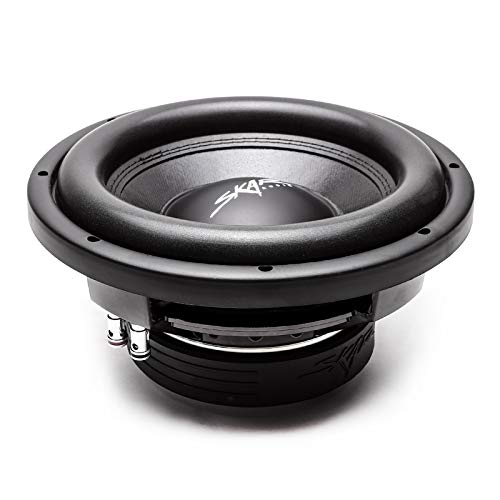
Skar Audio VD-10 D4 10″ Dual 4 Ohm Shallow Mount Subwoofer
Skar Audio VD-10 D2 10″ Dual 2 Ohm Shallow Mount Subwoofer

Pioneer A-Series TS-A2500LB Pre-Loaded Shallow Mount 10″ Sub

Pioneer A-Series TS-A2500LS4 Shallow-Mount 10″ Subwoofer

Pioneer A-Series TS-A250D4 10″ Subwoofer

Rockford Fosgate P3SD4-10 Punch P3S 4-Ohm DVC Shallow 10″ Subwoofer

CT Sounds Hydro 10″ Dual 4-Ohm Shallow Mount Car Subwoofer
More Details On Our Top Picks
Shallow installation is the whole point here, and the dual 4-ohm voice coil gives system builders a familiar wiring path. A voice coil is the part that connects the subwoofer to an amplifier, and dual coils usually make matching an amp easier across common setups. That matters in compact trunks where space is already spoken for by storage, tools, or stroller gear.
Compared with the Pioneer pre-loaded option later in this list, this Skar model asks for more planning because the enclosure is not bundled. The trade-off is more flexibility for custom boxes and amplifier matching, which suits hobbyists and installers who want control without a bulky footprint.
What We Like
- Shallow-mount form keeps depth demands lower in tight vehicle builds.
- Dual 4-ohm coils give broader wiring options for matching amplifiers.
- 10-inch sizing suits daily bass without taking over cargo room.
- Works well for custom enclosures, which helps in cleaner trunk layouts.
Points To Note
- Enclosure planning falls on the installer, so setup takes more attention.
- Custom builds usually need more measurement time than pre-loaded systems.
Feature Snapshot
Who It Suits Best
Custom audio installers and weekend system builders who need a compact 10-inch driver will get the most from this one.
Where A Sibling Pick Shines
Pioneer A-Series TS-A2500LB suits drivers who want an enclosure included and less planning around cabinet size.
The dual 2-ohm layout makes this version the more flexible coil option in the Skar pair. In practical terms, lower impedance often gives system builders more ways to aim for a specific amplifier load, which can matter in custom installs and multichannel setups.
Relative to the VD-10 D4 above, this one is for planning around wiring rather than changing the overall shallow-mount footprint. The honest read is that it rewards careful matching, so it fits home garages and installer-minded builds more comfortably than casual plug-and-play work.
Highlights
- Dual 2-ohm coils open up more amplifier pairing paths.
- Shallow design still preserves the space-saving advantage.
- 10-inch format keeps output focused without demanding a large enclosure.
- Good match for systems where tuning matters more than convenience.
Minor Gripes
- Wiring choices can feel more technical for first-time installers.
- Like the D4 version, enclosure work remains on the user side.
Details At A Glance
Built With In Mind
Installers who want coil flexibility and already know their amplifier target are the clearest fit here.
A Better Fit Elsewhere
Skar Audio VD-10 D4 suits simpler wiring plans and is easier to place in straightforward daily-driver builds.
This Pioneer stands apart because the enclosure is included, which removes a major step from the setup path. Pre-loaded means the driver arrives paired with its box, so space planning becomes easier for hatchbacks, sedans, and small SUVs with a narrow cargo bay.
Compared with the bare Skar units, this is the cleaner route for anyone who wants fewer moving parts in the install process. One thing worth considering is that the finished cabinet also sets the shape of the build, so it suits owners who value convenience over custom cabinet tuning.
Best Bits
- Enclosure included, which simplifies the install path.
- Pre-loaded format suits drivers who want a more straightforward setup.
- Shallow-mount design still helps preserve cargo space.
- 1200-watt max rating gives solid headroom for daily bass systems.
- Well suited to vehicles where box choice is a headache.
Room For Improvement
- The cabinet shape is fixed, so tuning choices are narrower than custom builds.
- Bulkier than a bare driver, which can matter in very small trunks.
Core Details
Who Should Grab It
Commuters and weekend installers who want a faster path to bass without building a cabinet from scratch will find the most value here.
Another Choice May Suit
Pioneer A-Series TS-A250D4 fits owners who want flexible wiring and plan to pair the sub with a separate enclosure.
The LS4 version keeps the shallow-mount theme but skips the pre-loaded box, so the balance shifts toward custom system planning. That makes sense in vehicles where the enclosure must fit around storage rails, folded seats, or a narrow cargo shelf.
Relative to the TS-A2500LB, this one is the more open-ended Pioneer choice. It fits builders who want the convenience of a slim driver yet still prefer to choose their own cabinet shape, size, and placement.
Standout Traits
- Shallow profile supports tighter installation spaces.
- 10-inch size keeps the footprint practical for daily use.
- 1200-watt max rating leaves room for matched amplification.
- Better suited to custom enclosures than boxed systems.
Small Caveats
- No enclosure included, so the install takes more planning.
- Custom setup work can add time in garage builds.
Spec Overview
Right Fit For
DIY audio builders who want a slim 10-inch driver and already have an enclosure plan are the best match.
Reach For A Different Pick When
Pioneer A-Series TS-A2500LB is the easier route for anyone who wants a box included with the sub.
Flexible wiring is the main reason this Pioneer earns attention. Dual voice coils let the sub be arranged in more than one way, which helps when an amplifier has specific load preferences or the rest of the system is already planned around another component.
Compared with the LS4 and the Skar pair, this model leans harder into custom system work. The honest read is that it suits owners who are comfortable coordinating amplifier load, enclosure choice, and trunk space rather than looking for a simple drop-in path.
Reasons To Buy
- Dual coil layout supports multiple wiring approaches.
- 1300-watt max rating gives the strongest ceiling among the Pioneer trio here.
- 10-inch format still stays manageable in compact vehicle layouts.
- Good fit for systems where amplifier matching matters.
Areas To Watch
- Wiring choice takes more thought than a single-purpose layout.
- Needs an enclosure, so the total build plan is broader.
Feature Rundown
Whose Shelf It Belongs On
Custom audio hobbyists who want more wiring control and a stronger power ceiling should look here first.
Swap It Out When
Pioneer A-Series TS-A2500LB suits simpler installs where a pre-loaded cabinet saves setup time.
Rockford Fosgate’s P3SD4-10 sits near the more serious end of the shallow category, with dual 4-ohm wiring and a compact body aimed at stronger system planning. In a sedan with limited trunk depth, that combination can make the upgrade feel more deliberate than decorative.
Compared with the Pioneer models, this one reads as the pick for more committed builds rather than casual bass additions. The trade-off is simple: a more premium-positioned component usually asks for a cleaner match between amplifier, enclosure, and vehicle layout.
Positives
- Dual 4-ohm coils keep wiring options open.
- Shallow design works well where mounting depth is tight.
- Rockford’s Punch line is a strong fit for more focused bass systems.
- Suited to compact installs that still want a firmer low-end presence.
- Feels at home in better planned audio builds.
Honest Caveats
- Setup quality matters, especially with enclosure matching.
- Less forgiving than simpler all-in-one style options.
Key Specs
Best Suited To
Experienced installers and car audio enthusiasts who want a compact sub with more serious system intent are the natural match.
Look Elsewhere When
Pioneer A-Series TS-A2500LB is the easier route for drivers who want enclosure convenience over a more involved build.
CT Sounds gives the shortlist a modern, straightforward shallow-mount option with dual 4-ohm coils and a 1000-watt max rating. That sits neatly between the lower-output Skar entries and the more power-hungry Pioneer choices, which makes it a sensible middle lane for daily-driver systems.
In a compact coupe or a family SUV with cargo gear behind the second row, the appeal is balance rather than spectacle. It’s a measured fit for owners who want cleaner bass shape without committing to a larger, more demanding build path.
Standout Traits
- Dual 4-ohm configuration keeps wiring practical.
- 1000-watt max rating places it in a useful middle ground.
- Shallow mount profile helps preserve valuable cargo depth.
- Good everyday fit for mixed commuting and weekend use.
Worth Noting
- Not as simple as a pre-loaded enclosure package.
- Less tailored for extreme custom builds than some higher-end choices.
Technical Sheet
Made For
Daily drivers that need a compact sub with flexible wiring and moderate build demands are the best match.
Where A Sibling Pick Shines
Pioneer A-Series TS-A2500LB fits better for shoppers who want the enclosure included from the start.
How To Choose The Right Shallow 10 Inch Subwoofers
Match Depth To The Vehicle First
Shallow 10-inch subs earn their keep by solving one problem, limited mounting depth. That makes them useful in sedans, hatchbacks, crossovers, and trucks with tight enclosure clearances, but the cabinet still has to fit the vehicle, not just the driver. Box depth, terminal placement, and seat travel matter just as much as cone size.
Coil Impedance Shapes The Build
Dual 2-ohm and dual 4-ohm versions serve different wiring goals. Impedance is the electrical load the amplifier sees, and the right match affects how easily the system can be configured around a stable amplifier target. Custom installers usually prefer more wiring options, while simpler builds often benefit from a straightforward coil layout.
Enclosure Style Changes The Whole Experience
A bare sub leaves cabinet choice in the installer’s hands, which suits custom tuning and tighter dimension control. A pre-loaded model, like the Pioneer TS-A2500LB, cuts down on decision-making and reduces the odds of a mismatched box. The trade-off is obvious: more convenience means less freedom over cabinet shape and tuning.
Power Numbers Need Context
Max wattage is only part of the story, because the amplifier, enclosure, and vehicle space all influence the result. A 1000 to 1300-watt ceiling can make sense for a daily system, while an 800-watt model may fit better in a more modest setup with cleaner integration. The key is matching the sub to the rest of the system rather than chasing the largest number on the page.
What To Weigh Before You Click
Hidden Buying Traps
Many shallow sub purchases go sideways because the enclosure dimensions are ignored until the last minute. Another common miss is choosing a coil configuration before the amplifier plan is clear, which can force awkward wiring choices later. Cable routing, mounting depth, and trunk access deserve attention before the box lands in the garage.
The Upgrade Payoff
Higher-tier shallow subs usually spend more on coil layout, build quality, and system flexibility. That extra spend makes sense for drivers who want cleaner integration, more tuning headroom, or a bass setup that feels more deliberate in a small cabin. For simple daily listening, a midrange option often covers the need without turning the install into a project.
Frequently Asked Questions
Are shallow 10-inch subwoofers strong enough for daily use?
Yes, for many daily-driver setups, a shallow 10-inch sub can add real low-end presence without swallowing cargo space. Output still depends on the enclosure, amplifier match, and vehicle layout.
What matters more, watts or wiring style?
Wiring style often matters more at the setup stage because it determines how the amplifier and sub work together. Wattage matters too, but only after impedance and enclosure fit are sorted out.
Do pre-loaded shallow subs make installation easier?
Yes, pre-loaded models reduce the number of parts involved and remove the need to source a separate cabinet. The trade-off is less control over enclosure tuning and shape.
Is dual 2-ohm or dual 4-ohm better?
Neither is universally better, because each serves a different amplifier plan. Dual 2-ohm setups often give more wiring paths, while dual 4-ohm versions can suit different matching goals.
Do shallow subs sacrifice bass quality?
Not automatically, though cabinet depth limits can narrow the design choices. A well-matched shallow sub can still deliver clean, useful bass in a compact vehicle.