


Bookshelf audio covers a lot of ground in 2026, from compact desktop setups to room-filling stereo pairs for living rooms and studios. The right match depends on input options, cabinet size, amplifier style, and how much control matters in daily use. Some of these picks lean toward nearfield work, others toward home theater or relaxed music listening, and a few split the difference with a cleaner all-purpose build.
Quick Look At The Shortlist

Edifier MR3 Powered Studio Monitor Speakers, Black
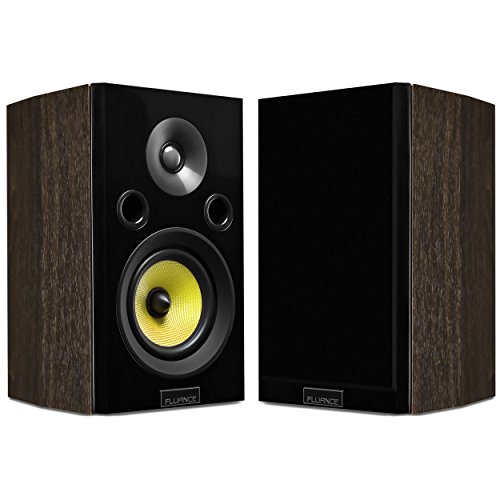
Fluance Signature HiFi 2-Way Bookshelf Speakers, Natural Walnut
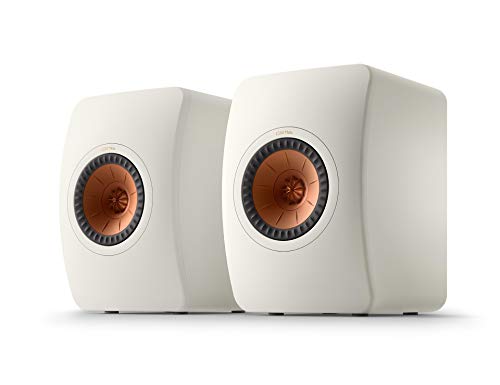
KEF LS50 Meta, Mineral White

Klipsch The Sevens Heritage Inspired Powered Speakers, Black

Fluance Signature HiFi 2-Way Bookshelf Speakers, Black Ash

Edifier MR5 2.0 Studio Monitor Bookshelf Speakers, Black

PreSonus Eris 3.5 Powered Studio Monitors, White
More Details On Our Top Picks
The MR3 suits a desk setup that needs more than a simple plug-in pair. Balanced TRS, RCA, and AUX inputs give it broad wired compatibility, while Bluetooth with multi-point pairing keeps it practical for a laptop plus phone routine.
The stated Hi-Res Audio certification and 52 Hz to 40 kHz response point toward a clean, controlled monitor style rather than heavy bass emphasis. That trade-off makes sense for editing, casual music, and late-night listening, although a small desk or narrow shelf still demands a little space planning.
What We Like
- Balanced, RCA, and AUX inputs cover several common source types.
- Multi-point Bluetooth keeps two-device switching less fussy in daily use.
- Headphone output adds a useful private-listening path on the same pair.
- Hi-Res Audio certification and wide response suit detail-focused listening.
Points To Note
- The studio-monitor tuning favors clarity over extra warmth.
- Desktop placement still matters, since nearfield positioning changes the balance a lot.
- Multiple inputs help, but cable management gets busy faster than on simpler pairs.
Feature Snapshot
Who It Suits Best
Home studio beginners, casual editors, and desk listeners who want wired flexibility fit this pair well.
A Better Fit Elsewhere
KEF LS50 Meta suits listeners who want a more upscale passive bookshelf route and already have the matching amplification in place.
Natural walnut changes the mood immediately, and the rest of the design stays conservative enough for a den or media room. This pair leans toward traditional passive bookshelf use, so a separate amp or receiver is part of the story, not an afterthought.
Compared with the Edifier MR3, this Fluance set is less about built-in convenience and more about a classic two-channel chain. That makes it appealing for stereo fans who already own an amplifier, although cable routing and speaker placement become more important than with powered models.
Highlights
- Walnut finish gives the cabinets a warm, furniture-like look.
- Passive format fits home theater and stereo systems cleanly.
- Two-way layout suits standard music and film listening roles.
- Strong room presence works well in medium living spaces.
Small Caveats
- A receiver or amplifier is required, which adds setup steps.
- Wall placement and stand height matter for a clean stereo image.
- Cabinet care is straightforward, though wood finishes show dust readily.
Core Details
Right Fit For
Two-channel listeners and home theater setups that already include an amplifier are the natural match.
Where A Sibling Pick Shines
Edifier MR3 is the better route for desk setups that need powered convenience and direct Bluetooth use.
KEF takes a more serious route than the Fluance pair above, with a compact form that tends to suit careful placement in a dedicated listening room. Mineral White keeps the finish visually quiet, so the cabinet doesn’t dominate the room even though the speaker itself sits in a higher-tier bracket.
The LS50 Meta is the kind of passive speaker that usually rewards strong amplification and deliberate setup. Its appeal sits in precision and build execution, and the trade-off is plain enough, because system cost and matching matter more here than with powered options like the Edifier MR3.
Standout Traits
- Compact cabinet size helps it fit cleaner on stands or shelves.
- Mineral White finish looks restrained in modern rooms.
- Passive design gives system builders more control over the chain.
- Well suited to careful stereo placement in dedicated spaces.
Areas To Watch
- Needs an external amplifier, which raises setup complexity.
- Placement and matching matter more than with powered speakers.
- The compact cabinet can be less forgiving in larger, open rooms.
Feature Rundown
Whose Shelf It Belongs On
Dedicated stereo hobbyists and room-conscious listeners who already own quality amplification fit this pair best.
Another Choice May Suit
Edifier MR3 is a better match for smaller desks where Bluetooth and built-in amplification matter more than system building.
The Sevens sit in a different lane from the passive KEF and Fluance models, because the powered cabinet approach simplifies the chain. That makes them well suited to a living room where television audio, turntables, and streaming all need to coexist without a separate rack of gear.
Heritage-inspired styling gives them a more furniture-like presence than many black studio monitors. The honest read is that this visual character is part of the appeal, yet the larger cabinet format means they ask for more shelf or stand space than the PreSonus Eris 3.5.
Reasons To Buy
- Powered design reduces the need for extra components.
- Works well for mixed TV and music listening.
- Distinct cabinet style suits more visible living spaces.
- Pairs naturally with turntables and streaming sources.
Honest Caveats
- Larger cabinets need more room than compact desktop picks.
- Style-forward design may not suit every minimalist setup.
- Powered format still needs careful source and cable planning.
Details At A Glance
Built With In Mind
Living rooms, mixed-use media spaces, and turntable setups benefit most from this powered pair.
Where A Sibling Pick Shines
PreSonus Eris 3.5 fits smaller desks better, especially where a compact footprint matters more than cabinet presence.
Black Ash gives this Fluance pair a more understated look than the walnut version, and that matters in rooms where the speakers need to blend in. The passive 2-way layout keeps it familiar for stereo and home theater owners who already know how receiver-based systems are wired.
Compared with Klipsch The Sevens, this model asks for more external gear but gives system builders a simpler visual profile. That trade-off fits neat, traditional setups, although anyone aiming for desk convenience will likely prefer the Edifier MR3 instead.
Upsides
- Black Ash finish works with many room styles.
- Passive bookshelf format fits common receiver setups.
- Two-way design supports everyday music and film use.
- Easy to place in a standard stereo layout.
Worth Noting
- External amplification is part of the package.
- Speaker stands or shelves affect the final sound balance.
- The finish is practical, though dust is still visible on dark surfaces.
Spec Overview
Made For
Stereo and home theater setups that already have a receiver or amplifier are the cleanest match.
Swap It Out When
Edifier MR3 is the easier route for desks, computers, and Bluetooth-first listening.
The MR5 pushes farther into desktop-monitor territory than the MR3, mainly through its 110W RMS rating. RMS, or root mean square power, points to sustained output rather than a flashier peak number, so the model makes more sense in larger work areas or rooms where headroom matters.
That extra muscle also shifts the ownership profile a little. It feels more suited to a serious workstation or a room that doubles for editing and music, while the trade-off is a larger, less casual footprint than the PreSonus Eris 3.5.
Bright Spots
- 110W RMS suggests stronger sustained output than small desktop pairs.
- Studio monitor format suits editing and close listening.
- Black finish keeps the look restrained.
- Useful for larger desks or wider work surfaces.
Minor Gripes
- More output usually comes with more size on the desk.
- Studio voicing may feel plain in casual background listening.
- Placement and isolation still affect how tidy the setup feels.
Technical Sheet
The Right Fit
Workstation users, editors, and roomier desk setups suit this pair best.
Look Elsewhere When
PreSonus Eris 3.5 makes more sense for tighter desks where compact size matters most.
PreSonus keeps this pair compact, and the white finish helps it feel lighter on a desk or studio shelf. The woven-composite woofer and silk-dome tweeter point to a split-driver design, where the woofer handles lower frequencies and the tweeter focuses on highs, which is a sensible arrangement for close-range listening.
The payoff is a tidy footprint that fits small workstations and compact rooms without much visual fuss. The compromise is obvious too, because the smaller cabinet format leaves less physical presence than the Edifier MR5 or Klipsch The Sevens.
Best Bits
- Small cabinet size suits tight desks and shelves.
- Woven-composite woofer gives the pair a modern driver setup.
- Silk-dome tweeter is a common choice for smoother highs.
- White finish works well in lighter, cleaner-looking spaces.
Room For Improvement
- The compact format leaves less room for scale in bigger rooms.
- Desk placement matters more because nearfield balance changes fast.
- White cabinets need routine dusting to keep the finish crisp.
Core Details
Perfect Match For
Compact desks, small studios, and lighter visual setups suit this pair best.
Reach For A Different Pick When
Edifier MR5 fits listeners who want more output and a larger desktop presence.
How To Choose The Right Speakers Hifis
Match The Speaker Type To The Room
Powered speakers suit straightforward setups because the amplification sits inside the cabinet. Passive speakers need an external amp or receiver, which adds cost and wiring but also opens more control over the chain.
For desktops and multipurpose rooms, a powered pair such as the Edifier MR3 or Klipsch The Sevens keeps the setup simple. For a living room that already has a receiver, passive options like the Fluance or KEF models often make more sense.
Focus On Inputs, Placement, And Size
Connection options matter more than the glossy finish. Balanced TRS, RCA, AUX, and Bluetooth each solve different source problems, so the right choice depends on whether the source is a computer, turntable, TV, or phone.
Cabinet size matters just as much. A compact model like the PreSonus Eris 3.5 fits narrow desks, while larger cabinets need space for stands, clearance, and cleaner stereo imaging.
Look Past Power Numbers Alone
Wattage helps frame headroom, but it does not tell the whole story. A 110W RMS model like the Edifier MR5 suggests more sustained output than a smaller desktop pair, yet room size, placement, and source quality still shape the final result.
That is why system fit matters more than a single headline number. Studio listeners usually value accuracy and connection flexibility, while home users may care more about simple operation and a cabinet finish that blends into the room.
Things Worth Knowing First
Wrong Turns To Avoid
Matching the speaker to the room matters more than chasing a larger cabinet. A compact desk rarely benefits from oversized boxes, and a living room setup can feel underfed by tiny nearfield monitors.
Another common slip is overlooking the source chain. Passive speakers need more gear, while powered speakers can be easier to live with but less flexible for system upgrades later.
The Upgrade Payoff
Higher-tier models tend to spend money on cabinet work, driver quality, and cleaner separation between parts of the audio range. That usually translates into better placement tolerance, stronger stereo focus, and a more finished feel in the room.
For casual listening, that extra cost often feels unnecessary. For dedicated stereo rooms, larger desks, or mixed use with music and film, the upgrade can pay back in control and consistency.
Frequently Asked Questions
What makes powered speakers easier to live with?
Powered speakers include the amplification in the cabinet, so the system needs fewer external parts. That usually shortens setup time and keeps the desk or media console cleaner.
Are passive bookshelf speakers still worth choosing?
Passive models remain a strong choice for existing stereo systems and home theater rigs. They ask for an amplifier or receiver, but they also leave more room for system matching.
Which speakers fit a small desk best?
PreSonus Eris 3.5 stands out for compact setups because the cabinets stay small and tidy. Edifier MR3 is the better desk pick when input flexibility matters more.
Do higher wattage numbers always mean better sound?
Wattage mainly points to output capability, not sound quality by itself. Room size, placement, and the rest of the system still matter a great deal.
Which option suits a mixed music and TV room?
Klipsch The Sevens fits that role well because powered operation reduces extra gear. Fluance Signature HiFi speakers also work in that space, as long as an amplifier is already part of the setup.