

Sealed enclosures reward careful matching. A box that suits the driver, the vehicle, and the available space can keep bass controlled instead of boomy, which matters in daily commutes, compact trunks, and truck cabins with little spare room.
The seven picks below focus on sealed designs, cabinet materials, and layout differences that matter in real installs. Some lean toward compact footprint, others toward dual-driver output, and a few suit shallow mounting or heavier-duty use.
Quick Look At The Shortlist

QPower Pack of 2 Single 10-Inch Sealed Subwoofer Boxes 0.9 Cubic Feet

QPower QTW12 Single 12-Inch Sealed Subwoofer Box Enclosures Pair

Q-Power Shallow Single 12-Inch Heavy-Duty Sealed MDF Truck Enclosure Box

BELVA MDFD12 Dual 12-Inch Car Subwoofer Box Sealed 3/4-Inch MDF
QPower Single 12-Inch Sealed Subwoofer Enclosure Heavy-Duty MDF Spray Finish

Atrend Bbox Single Sealed 12-Inch Subwoofer Enclosure Red Black Terminals

QPower 12-Inch Heavy-Duty Dual Sealed Carpeted Subwoofer Enclosure
More Details On Our Top Picks
A pair of 10-inch sealed boxes makes sense for a split install, especially in cars where matching enclosures matter more than flashy cosmetics. The 0.9-cubic-foot airspace per cabinet gives the driver a clear starting point, while the 5/8-inch MDF shell keeps the structure in the practical, sturdy range.
That smaller footprint suits sedans, hatchbacks, and compact builds where trunk room is already spoken for. The trade-off is straightforward, more enclosure than a single box, so placement and wiring take a little more planning than with Item 2.
Strong Points
- Pair configuration suits matched left-right layouts.
- 0.9 cubic feet per box helps define the build target.
- 5/8-inch MDF gives a solid cabinet feel for daily use.
- Works well in tighter trunks where separate boxes help positioning.
Things To Consider
- Two enclosures take more installation planning than a single cabinet.
- The compact size limits flexibility for oversized drivers or custom bracing ideas.
Feature Snapshot
Who It Suits Best
Daily drivers with matched 10-inch subs and limited trunk depth stand to gain the most here.
A Better Fit Elsewhere
BELVA MDFD12 makes more sense for a single, larger dual-woofer build that needs a stronger output focus.
This Q Power pair stays focused on the basics, a sealed layout for single 12-inch drivers and a form that fits standard audio builds without much drama. For most trunk installs, that makes setup simpler than Item 1 because each enclosure serves one larger woofer instead of two smaller ones.
The honest read is that the appeal comes from uncomplicated compatibility, not visual flair. It suits shoppers who already know the driver size and want a box that keeps the cabinet part of the system straightforward.
What We Like
- Single 12-inch format is easy to match with common subs.
- Sealed design supports controlled bass character in daily driving.
- Pair listing gives flexibility for multi-box planning.
- Simple enclosure style keeps the install process predictable.
Room For Improvement
- Pair packaging may be more box than a solo install needs.
- No material or volume details in the provided source, so fit planning leans on the product page.
Core Details
Who Will Love This
Installers building around one 12-inch driver per cabinet will get the most straightforward use from this set.
Another Choice May Suit
Q-Power Shallow Single 12 Inch Heavy Duty Sealed MDF Material Truck Audio Subwoofer Enclosure Box suits truck cabins that need a thinner cabinet.
Truck owners often need a sealed enclosure that respects depth limits before anything else, and this shallow Q-Power box speaks directly to that problem. The MDF construction and carpeted exterior make it a more complete cabin match than Item 2’s more general pair layout, especially in vehicles where every inch behind the seat matters.
The charcoal gray finish keeps the look restrained, which helps in work trucks and weekend rigs alike. One thing worth considering is access, because shallow boxes are easier to place but still deserve careful clearance checks around terminals and mounting points.
Highlights
- Shallow profile suits tight truck spaces.
- MDF cabinet gives the enclosure a firm, solid feel.
- Carpeted exterior helps the box blend into cabin interiors.
- Single 12-inch design keeps the install focused.
Small Caveats
- Shallow designs can narrow the range of subwoofers that fit well.
- Carpeted surfaces may collect dust and lint over time.
At A Glance
Built With In Mind
Truck drivers and compact-cabin installers needing a shallow sealed box are the clearest match here.
Where A Sibling Pick Shines
QPower 12 Inch Heavy Duty Dual Sealed Carpet Covered Car Audio Vehicle Subwoofer Enclosure Woofer Box fits larger trunk builds that want dual 12-inch capacity instead.
Dual 12-inch capacity changes the conversation, because this BELVA enclosure targets bigger bass hardware rather than space-saving simplicity. Compared with Item 3’s shallow truck fit, the 3/4-inch MDF shell and prelined polyfil lean toward a fuller, more serious cabinet for larger systems.
Polyfil, a fibrous fill used inside many enclosures, can help the box behave as though it has slightly more internal volume, depending on the design. The trade-off is size, since a dual cabinet asks for more room and more deliberate installation than a single-box setup.
Upsides
- Dual 12-inch layout supports larger sub builds.
- 3/4-inch MDF gives a stronger cabinet feel than thinner board.
- Prelined polyfil adds a more refined internal setup.
- Suited to trunks where cabinet size is less constrained.
Points To Note
- Dual-driver cabinets take more space than single-box options.
- Heavier construction can make handling and placement less convenient.
Quick Facts
Perfect Match For
Enthusiasts building a larger sealed trunk system with two 12-inch subs fit this enclosure best.
Look Elsewhere When
QPower Pack of 2 Single 10-Inch Sealed Subwoofer Boxes 0.9 Cubic Feet is a better fit for smaller cars that need more placement flexibility.
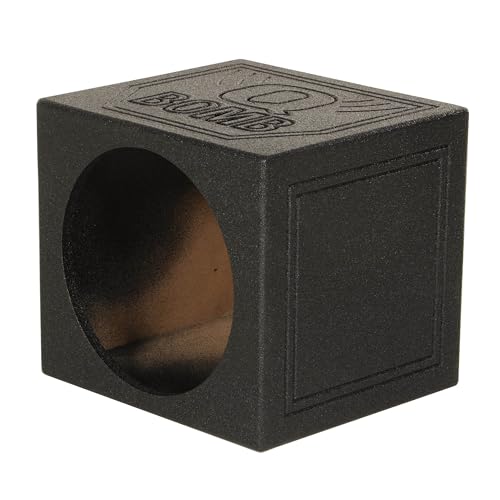
The spray finish gives this Q Power box a more utilitarian personality than Item 4’s carpeted BELVA cabinet. That matters in daily-driver builds, because a coated surface tends to be easier to wipe down after cargo contact, road grit, or routine trunk use.
The enclosure still stays focused on sealed-box fundamentals, so the appeal is clean, simple ownership rather than exotic tuning. For commuters who want one 12-inch setup and a cabinet that won’t demand much attention, it lands in a sensible place.
Bright Spots
- Spray finish simplifies routine cleaning.
- Heavy-duty MDF gives the cabinet a sturdy feel.
- Single 12-inch format suits common sealed-system plans.
- Works well for trunks that see regular loading and unloading.
Softer Spots
- The plain finish may feel less decorative than carpeted alternatives.
- Single-box layout leaves less flexibility for multi-sub systems.
Details At A Glance
Whose Shelf It Belongs On
Drivers who value easy maintenance and a plain sealed cabinet will fit this box well.
Swap It Out When
Atrend Bbox Single Sealed 12 Inch Subwoofer Enclosure suits setups that place more emphasis on terminal styling and a more finished visual presentation.
Atrend takes a more polished route than the plain Q Power box in Item 5, especially with the red and black spring terminals standing out as a practical visual cue. Those terminals, spring-loaded connection points that grip bare wire or small connectors, can make wiring feel cleaner in garages where setup time matters.
The charcoal cabinet keeps the rest of the look restrained, so the detail lands without becoming loud. That mix suits installers who care about organization and a tidy rear-panel layout as much as enclosure shape.
Standout Traits
- Red and black terminals help with fast, clear wire identification.
- Single 12-inch sealed format works with common car-audio builds.
- Charcoal finish keeps the cabinet visually understated.
- Feels like a neat fit for organized installations.
Worth Noting
- The source details focus more on terminals than on cabinet dimensions.
- Shoppers chasing maximum enclosure volume may want to compare larger dual-box options.
Feature Rundown
The Right Fit
Installers who value easy wire identification and a tidy sealed single-12 setup are the best match here.
Reach For A Different Pick When
QPower 12 Inch Heavy Duty Dual Sealed Carpet Covered Car Audio Vehicle Subwoofer Enclosure Woofer Box suits larger systems that need twin 12-inch space.
This QPower enclosure sits at the large end of the group, with dual 12-inch support and a carpet-covered body that looks built for fuller trunk systems. Compared with Item 6’s single-box emphasis, the extra width makes sense for setups where two woofers matter more than saving cargo space.
The source listing calls out a vented format, so the cabinet is clearly not tuned like the sealed options that define the rest of this roundup. That makes the listing better suited to shoppers exploring a bigger enclosure family, though the mismatch with the sealed-box brief is worth keeping in view.
Best Bits
- Dual 12-inch capacity supports larger audio builds.
- Carpeted exterior gives the cabinet a finished look.
- Heavy-duty construction suits more demanding installs.
- Spring-loaded terminals support straightforward wiring.
Areas To Watch
- The vented design does not match a sealed-box setup.
- Dual-box size asks for more cargo-room planning.
- Carpeted surfaces may gather dust in daily use.
Core Details
Who Should Grab It
Dual-sub builds in larger cargo spaces can make strong use of this cabinet.
Where Another Pick Suits Better
BELVA MDFD12 is the better sealed-box match for shoppers who need dual 12-inch support without switching enclosure style.
How To Choose The Right Subwoofers For Sealed Box
Match The Box To The Driver
Sealed enclosures work best when the enclosure volume and driver size are in the same conversation. A 10-inch pair like Item 1 suits compact installs, while a single 12-inch box such as Item 2 gives a more common all-around fit.
The internal volume matters because it shapes how the sub behaves in the cabinet. Too much box for the driver can loosen the sound, while too little can make placement awkward and limit usable depth.
Think About Vehicle Space First
Trucks, sedans, and hatchbacks do not offer the same real estate. Item 3 shows why shallow depth matters in a truck cabin, while Item 4 and Item 7 show how dual-driver setups quickly claim more floor or trunk area.
Cargo habits matter too. A grocery-laden hatchback or a work truck with tools in back benefits from a finish that survives contact and wipes down easily, which is where Item 5’s spray finish has a practical edge.
Choose Materials With Daily Use In Mind
MDF, or medium-density fiberboard, is common because it keeps the cabinet firm without the look of a flimsy shell. Thicker MDF, like the 3/4-inch build on Item 4, generally points to a heavier, more solid cabinet feel than thinner boards.
Finish also changes ownership. Carpeted enclosures blend into interiors and hide scuffs, while coated surfaces are often easier to clean after routine loading and unloading.
Decide How Much Wiring Simplicity Matters
Spring terminals can make connection work more straightforward, especially in garages or driveway installs where visibility is limited. Item 6 leans into that with red and black terminal hardware, which helps keep positive and negative leads easy to separate.
That detail sounds small until the system is installed. Clean terminal placement can save time and reduce confusion, especially in dual-box setups where wire management gets crowded fast.
Things Worth Knowing First
Hidden Buying Traps
A common mistake is focusing only on driver size and ignoring the actual enclosure style. Item 7 is a reminder, because a vented cabinet sits outside the sealed-box brief even though the size and heavy-duty build look appealing.
Another slip is buying more cabinet than the vehicle can comfortably hold. Dual enclosures and pair packs make sense on paper, then crowd the cargo area once daily life enters the picture.
The Case For Spending Up
Higher-tier cabinets usually cost more because of thicker MDF, better terminal hardware, fill material, or a more refined exterior. Item 4’s 3/4-inch MDF and polyfil show how small construction details stack up in a finished system.
That extra spend tends to matter most in long-term installs, larger trunks, or builds where a cleaner rear-panel layout pays off. For simpler commuter systems, Item 5 or Item 2 often makes a more sensible stop.
Frequently Asked Questions
What makes a sealed subwoofer box different?
A sealed box keeps the cabinet closed, which usually supports tighter, more controlled bass behavior. That makes it a common fit for daily driving and smaller spaces.
Are dual 12-inch boxes always better?
Not always, because size and placement matter as much as output potential. A single 12-inch enclosure can be the cleaner fit in compact trunks or truck cabins.
Does MDF matter in a subwoofer enclosure?
MDF helps the cabinet stay rigid, which is useful for reducing unwanted cabinet movement. Thicker MDF generally points to a sturdier enclosure feel.
What is polyfil in a subwoofer box?
Polyfil is a loose fiber fill used inside some enclosures. It can change how the box behaves acoustically, depending on the design.
Which option suits a truck best?
A shallow enclosure usually fits truck cabins more easily than a deeper cabinet. Item 3 is the clearest truck-focused match in this roundup.