


Music-focused bass changes the whole feel of a room, whether you’re mixing in a small studio, building a home theater, or giving a living room setup more weight. The seven picks below cover different spaces and listening styles, from compact studio units to larger room-filling options and a soundbar setup with a wireless sub. You’ll see where each one fits, what it asks of your space, and where the trade-offs show up. That makes it easier to choose a subwoofer that matches your setup instead of fighting it.
Quick Look At Our Seven Picks

Rockville Rock Shaker 10 Black 600W Powered Subwoofer
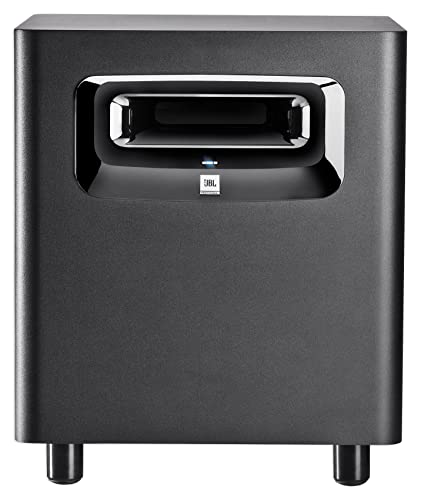
JBL Professional LSR310S Studio Monitor Subwoofer 10-Inch

Yamaha HS8 W 8-Inch Powered Studio Monitor Speaker
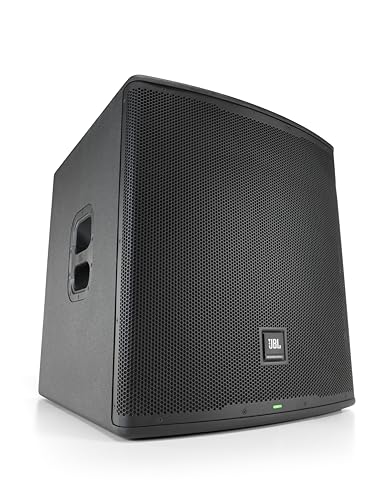
JBL Professional EON718S Powered PA Subwoofer

ULTIMEA Sound Bar with Wireless Subwoofer Poseidon M30
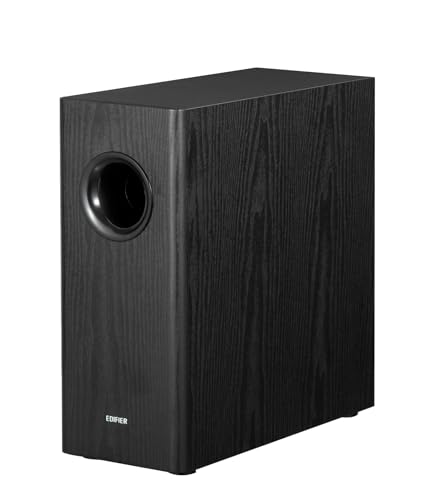
Edifier T5s Powered Subwoofer 70W RMS 8-Inch

Yamaha HS8 Studio Subwoofer
More Details On Our Top Picks
Rockville’s 10-inch format gives you a familiar middle ground, big enough to support music playback without crowding a desk or media cabinet. The Class-D amplifier is a practical fit for a home theater or a small project space, and the MDF enclosure usually appeals to people who want a sturdier cabinet feel than thin plastic.
The crossover adjustment and RCA plus high-level inputs and outputs make it friendlier to mixed setups, which matters in a room where the gear changes over time. The trade-off is that this kind of flexible sub can still ask for careful placement, especially in compact rooms where bass can build up fast.
What We Like
- 10-inch driver size gives you a useful middle ground for music and movies.
- Class-D amplification keeps the unit practical for everyday home setups.
- RCA and high-level connections help it fit more systems without adapters.
- MDF cabinet construction tends to suit people who prefer a firmer enclosure feel.
Points To Note
- Placement still matters, especially in rooms that already lean bass-heavy.
- Open control access can leave you spending a little time dialing in the crossover.
Feature Rundown
Who It Suits Best
Home audio setups that need flexible wiring and a moderate cabinet size will get the most from this Rockville.
A Better Fit Elsewhere
Edifier T5s Powered Subwoofer 70W RMS 8-Inch suits you better when floor space is tighter and you want a smaller cabinet for a desktop or compact room.
Studio-focused bass usually asks for a sub that stays out of the way until the low end needs attention, and that’s where the JBL LSR310S makes sense. The down-firing driver sends sound toward the floor instead of straight at you, which can feel less intrusive in a compact control room or a bedroom studio.
Its 10-inch size keeps it in the same general footprint zone as the Rockville above, but the goal here is more monitoring discipline than casual room thump. For mixing desks, that difference matters more than flashy output language, and the honest read is that this pick suits people who want their low end to stay workmanlike.
Strong Points
- Down-firing driver design helps the cabinet blend into a studio layout.
- 10-inch size fits well beside nearfield monitors on a sensible floor plan.
- Built for studio recording use, so the focus stays on monitoring tasks.
- 200W amplifier gives it enough headroom for day-to-day studio work.
Small Caveats
- Studio-first tuning may feel less lively for casual living-room playback.
- Down-firing placement works best on a stable surface with room to breathe.
- The cabinet footprint still needs planning in very small desk corners.
Core Details
Built With In Mind
You’ll get the most from this JBL in a studio setup where you monitor music rather than just enjoy it casually.
Swap It Out When
Yamaha HS8 Studio Subwoofer suits you better when you want a simpler studio voice tied to the Yamaha HS line.
This Yamaha leans toward studio monitoring first, with an 8-inch woofer and a 1-inch dome tweeter working together for a more controlled listening chain. That makes it a sensible fit for recording, mixing, and checking how bass sits against the rest of a track, especially in a space where accuracy matters more than sheer size.
Compared with the JBL LSR310S, this pick reads more like a monitor speaker than a dedicated sub, so your setup needs may decide the outcome. The white finish also gives you a cleaner visual match in bright rooms, though the source info around this listing is thinner than the others, which leaves less to go on for cabling or cabinet details.
Positives
- 8-inch woofer gives you a compact monitor shape for studio desks.
- 1-inch tweeter helps keep the top end separate and readable.
- 120W bi-amplified design suits recording and mixing setups.
- White finish can look calmer in a light-colored room.
Worth Noting
- The listing gives less detail than the more fully described picks.
- Monitor-style use means it’s better suited to nearfield setups than party-style playback.
At A Glance
Whose Shelf It Belongs On
Studio musicians and mix-focused home setups will appreciate this Yamaha most.
Where Another Pick Suits Better
JBL Professional LSR310S suits you better when you want a dedicated subwoofer rather than a monitor speaker in a studio chain.
Large-room sound is the clear lane here, because an 18-inch PA subwoofer brings a very different scale than the 10-inch home and studio models above. Bluetooth adds a bit of convenience for setup changes, while the wired electric design keeps it rooted in serious live-sound use.
For stage work, rehearsal spaces, or a bigger event rig, that size can make more sense than a smaller cabinet that runs out of breath early. The trade-off is plain, though, since an 18-inch enclosure takes up more room and asks for more transport planning than the Yamaha or Edifier choices.
Reasons To Buy
- 18-inch format brings the scale needed for live sound.
- Bluetooth adds a handy layer of setup flexibility.
- Built for stage subwoofer use, so it fits event-focused systems.
- JBL’s live-sound category fit makes it easy to place in a pro rig.
Areas To Watch
- Physical size calls for more storage and transport space.
- Live-sound focus makes it less natural for a small apartment.
- Wired event gear can take more planning during setup and teardown.
Technical Sheet
The Right Fit
Gigging setups, rehearsal rooms, and other live-sound spaces suit this JBL best.
Look Elsewhere When
Rockville Rock Shaker 10 Black 600W Powered Subwoofer suits you better for a smaller home system that needs easier placement.
Some setups need less box-count and more simplicity, and that’s the ULTIMEA story in a nutshell. The wireless subwoofer and soundbar pairing makes sense for a TV room where you want fuller movie sound without building a separate stereo stack, and the app control plus HDMI, optical, and Bluetooth 6.0 inputs widen the connection choices.
VoiceMX and BassMX suggest a strong focus on dialog clarity and bass shaping, which is useful in family rooms where different people care about different things. The main trade-off is that this is still a soundbar system first, so dedicated music listeners may prefer the more separated speaker-and-sub approach of the Rockville or Edifier picks.
Upsides
- Wireless subwoofer pairing reduces cable clutter around the room.
- App control gives you an extra way to manage sound settings.
- HDMI, optical, and Bluetooth 6.0 make TV integration easier.
- VoiceMX and BassMX focus on practical home-theater tuning.
- 2.1-channel layout suits people who want an all-in-one living-room audio path.
Softer Spots
- Soundbar-first design can feel less open than separate monitor components.
- Music-centric setups may want finer left-right separation.
- App-dependent control can be one more thing to manage.
Details At A Glance
Who Should Grab It
Living rooms that need simpler movie sound without extra shelves or stands will get the most from this ULTIMEA.
Skip It When
Yamaha HS8 Studio Subwoofer suits you better for a more monitoring-focused setup where music detail matters more than TV convenience.
Smaller rooms often need bass that stays controlled instead of taking over the floor plan, and the Edifier T5s follows that logic well. An 8-inch woofer, built-in amplifier, and 70W RMS output point to a more modest, room-friendly profile than the JBL EON718S or even the Rockville.
The phase selector matters too, because phase control helps line up the sub’s timing with the rest of your speakers, which can tidy up the handoff between bass and mids. The 35Hz low-end spec gives you a clear sense of the bottom end it aims for, though the lighter output means large rooms may want something bigger.
Bright Spots
- 8-inch woofer keeps the cabinet easier to place in smaller rooms.
- Built-in amp simplifies the setup path for home or studio audio.
- Phase selector helps you match the sub to your main speakers more neatly.
- 35Hz low-end spec gives you a useful sense of bass extension.
Trade Offs
- 70W RMS points to a more modest output ceiling.
- Small-room focus means it’s less suited to large open layouts.
- Owners commonly end up fine-tuning placement to keep bass from sounding lopsided.
Quick Facts
Made For
Compact apartments, desks, and smaller music rooms suit this Edifier well.
Another Choice May Suit
JBL Professional EON718S Powered PA Subwoofer fits you better when you need much larger room coverage and stage-scale output.
The HS8 name already tells you where this one belongs, it’s aimed straight at studio monitoring rather than casual room bass. That makes it a sensible match for a serious workspace where you want low frequencies to sit cleanly under the rest of the mix instead of turning into background rumble.
Compared with the Edifier T5s, this Yamaha sits in a more studio-specific lane, and the brand’s longer association with monitor work will matter to some setups more than extra convenience features. The source info is lean here, so the appeal rests more on the studio role than on a long feature list, which is fine for a focused pick like this.
Best Bits
- Studio-sub role makes the purpose of the unit very clear.
- Fits naturally into a monitoring chain with nearfield speakers.
- Useful for mixing spaces where low end needs to stay controlled.
Honest Caveats
- The source details are sparse, so setup depth is harder to judge.
- Studio-only focus leaves little reason to choose it for casual TV use.
- You may want a more feature-rich model if you need extra flexibility.
Feature Snapshot
Perfect Match For
Studio spaces that need a dedicated low-end anchor will get the most from this Yamaha.
Where A Sibling Pick Shines
JBL Professional LSR310S Studio Monitor Subwoofer 10-Inch suits you better if you want more published detail around amplifier and driver design.
How To Choose The Right Subwoofers For Music
Match The Driver Size To The Room
Driver size is the cone diameter, and it gives you a quick hint about how much air a subwoofer can move. An 8-inch model like the Edifier T5s suits smaller rooms and desks, while 10-inch options such as the Rockville and JBL LSR310S create more room to grow without jumping to a huge cabinet.
Go larger only when the space can support it. An 18-inch PA sub like the JBL EON718S belongs in bigger rooms, rehearsal spaces, or stage rigs, where that extra surface area can make sense.
Think In Terms Of Use Case, Not Just Bass
Studio monitoring and home theater are different jobs, and that difference matters more than raw wattage. The Yamaha HS8 and JBL LSR310S lean toward mixing and recording, while the ULTIMEA soundbar setup is built for easier TV sound with a wireless sub.
That split is useful because music listening can mean very different things from person to person. A home office setup needs clean placement and modest output, while a family room may care more about a simple connection path and fewer boxes.
Check Connections And Placement Early
RCA, high-level inputs, Bluetooth, and wireless sub links each solve a different wiring headache. Rockville’s RCA and high-level options help older and newer systems alike, while the ULTIMEA’s HDMI, optical, Bluetooth 6.0, and app control suit a modern TV room.
Placement matters just as much as the connector list. Bass can thicken fast in corners, so a compact room usually benefits from a smaller cabinet and a phase or crossover control that lets you shape the handoff with your main speakers.
Things Worth Knowing First
Hidden Buying Traps
Many people focus on wattage and ignore the room. A powerful sub in a small apartment can sound heavier than helpful, while a compact model in a large living room may feel underfed.
Another common slip is overlooking connection needs. A great studio sub can still be awkward beside a TV if it lacks the input options your setup needs.
The Upgrade Payoff
Higher-tier models usually cost more because of cabinet size, driver design, amplifier design, and more careful tuning. That extra spend often shows up as cleaner low-end control, easier integration with the rest of the system, and less struggle during setup.
The upgrade makes the most sense when your room is demanding or your listening is picky. A home studio, rehearsal space, or larger media room usually benefits more from better control than from simple extra volume.
Frequently Asked Questions
What size subwoofer works best for music in a small room?
An 8-inch subwoofer often fits smaller rooms well because it gives you useful bass without overwhelming the space. The Edifier T5s is the clearest example in this list.
Is a studio subwoofer better than a home theater subwoofer for music?
Studio subs are usually easier to trust for mixing and monitoring because they focus on control and balance. Home theater subs can still sound great for music, but they’re often tuned more for impact.
Do you need Bluetooth on a subwoofer?
Bluetooth helps in living rooms and flexible setups, especially with soundbar systems. It matters less in a wired studio chain, where consistency usually matters more.
Why does phase control matter?
Phase control helps the subwoofer line up with your main speakers so bass sounds more joined up. That matters most when you hear a gap or a hump around the crossover point.
Can a soundbar with a wireless sub work for music too?
Yes, and it can be a smart choice for simple home use. A setup like the ULTIMEA Poseidon M30 is easier to live with, though dedicated speaker-and-sub systems usually give you more separation for music.
Closing Thoughts
The right subwoofer for music depends on your room, your gear, and how focused you want the low end to feel. The Rockville and Edifier picks suit home setups with different space limits, while the JBL and Yamaha options lean harder into studio work. For bigger rooms and live sound, the EON718S stands apart, and the ULTIMEA gives you a simpler path for a TV-first space. Choose the model that matches your daily use, and the rest gets much easier.