

Picking an AGM deep cycle battery usually comes down to fit, reserve capacity, and how you plan to use it. A trolling motor, a marine stereo, an RV bank, or off-grid backup each asks for something a little different, and the wrong match can feel like carrying a backpack with the weight in the wrong place.
The seven options below lean into those different jobs. You’ll see compact choices for tighter spaces, heavier-capacity picks for longer runtimes, and dual-purpose models for setups that need starting power plus steady draw.
Quick Look At Our Shortlist

Newport 12V50Ah Deep Cycle Marine Battery
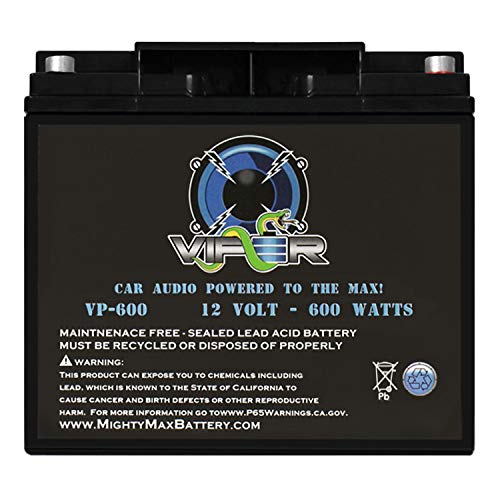
Mighty Max Battery Viper VP-600 12 Volt 18 AH

Interstate Batteries Marine/RV Battery 12V 100Ah 825CCA Group 31M AGM
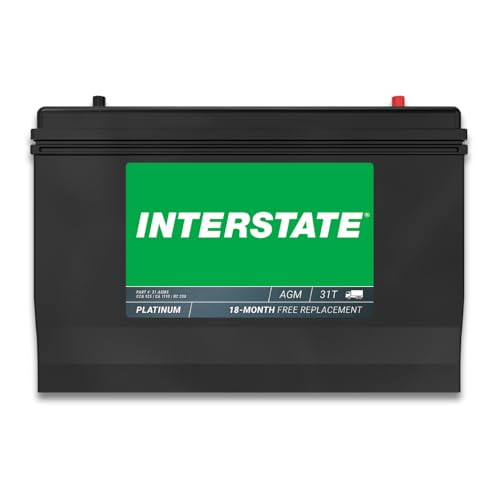
Interstate Batteries Marine/RV Battery 12V 100Ah 925CCA 1110CA Group 31 AGM

Interstate Batteries Marine/RV Battery 12V 70Ah 750CCA Group 24 AGM

UPLUS BCI Group 24M Dual Purpose AGM Marine Battery 12V 79AH 550CCA
VEVOR Deep Cycle Battery 12V 200 AH Rechargeable AGM Marine Battery
More Details On Our Top Picks
The Newport 12V50Ah keeps things simple, which makes sense for smaller boats and trolling-motor setups. The sealed AGM build matters here because it trims maintenance and helps the battery sit neatly in a tight compartment.
You’ll notice the lighter footprint more than with the bigger Interstate picks later in the list. That makes it easier to move, install, and store, though the trade-off is that 50Ah suits shorter outings rather than long days with several accessories running.
Strong Points
- Lightweight enough for easier lifting and placement in cramped boat storage.
- Sealed AGM design helps reduce routine upkeep compared with older flooded styles.
- 12V 50Ah capacity fits modest trolling-motor use and short marine trips.
- Works well for setups where cleaner handling matters more than sheer runtime.
Things To Consider
- 50Ah is modest, so long stretches of heavy accessory use call for a larger bank.
- You may prefer a heavier-duty option for RV service or extended off-grid use.
- Compact marine batteries still deserve secure mounting, especially on rough water.
Feature Snapshot
Who It Suits Best
Anglers with smaller boats and straightforward trolling-motor needs will get the most from this battery.
A Better Fit Elsewhere
Interstate Batteries Marine/RV Battery 12V 100Ah 825CCA Group 31M AGM suits you better for longer RV days or a larger marine load.
Compared with Newport’s marine-first shape, this Mighty Max unit leans toward compact, high-current use. The 18Ah rating keeps the physical size more manageable, which can matter in audio enclosures, small power boxes, or a setup where space is tight.
The 600-watt note tells you the intent: short bursts of strong output rather than long leisure runtime. That makes it a smart match for car audio builds, but you’ll want a larger battery from this list for RV living or all-day marine use.
What We Like
- Small footprint suits installations where cabinet space is already claimed.
- 18Ah capacity fits compact power-demand jobs better than long-duration loads.
- High-current focus lines up well with audio and other burst-heavy gear.
- Simple 12V format keeps system matching straightforward.
Worth Noting
- The smaller reserve leaves little room for long runtime expectations.
- It’s a niche pick, so general marine or RV duty calls for a different shape.
- Compact batteries can warm up faster in crowded installs, so spacing matters.
Details At A Glance
Who Will Love This
Car audio hobbyists and compact power-build users will appreciate the size-to-output balance.
Swap It Out When
Newport 12V50Ah Deep Cycle Marine Battery suits you better for boat use, and the VEVOR 12V 200 AH option makes more sense for long reserve needs.
This Interstate model sits in a very usable middle ground. The 100Ah capacity gives you a much deeper reserve than the Newport battery, while the Group 31M size is a familiar fit for many marine and RV compartments.
825CCA, or cold cranking amps, points to starting support in cooler conditions, which helps for mixed-use setups that need both engine starts and steady draw. For weekend RV trips or boats with extra accessories, it feels like a practical all-rounder rather than a specialist tool.
Highlights
- 100Ah capacity offers meaningful runtime for marine and RV loads.
- Group 31M format fits many larger battery trays without unusual adaptation.
- 825CCA helps with starting duties alongside deep cycle use.
- AGM construction usually means less day-to-day upkeep than flooded batteries.
- Good middle point between compact models and oversized reserve units.
Small Caveats
- Larger size means more weight and a bit less convenience during installation.
- The mixed-role design is useful, though dedicated starter or pure cycle setups may suit some rigs better.
- Tray fit deserves a quick check before you commit to Group 31M.
Core Details
Built With In Mind
Boat owners and RV users who want one battery to handle more than a single narrow job will find this a comfortable fit.
Where A Sibling Pick Shines
Interstate Batteries Marine/RV Battery 12V 100Ah 925CCA 1110CA Group 31 AGM makes more sense for stronger starting demands, while the VEVOR 12V 200 AH model suits bigger reserve needs.
This Interstate battery looks a lot like the previous Group 31 entry, but the cranking figures push it toward tougher starting work. The 925CCA and 1110CA ratings give you extra confidence for engines that ask for more at startup, especially in colder or heavier-duty setups.
For a boat with a stronger starting load or an RV that sees more demanding use, that extra headroom can matter. It’s not the lightest option here, so the honest trade-off is easier power delivery on one side and more battery to handle on the other.
Reasons To Buy
- Higher cranking figures support more demanding start routines.
- 100Ah capacity still gives you steady deep cycle reserve.
- Group 31 AGM format suits larger marine and RV trays.
- Good match for mixed-duty systems that need both start and cycle strength.
Areas To Watch
- It’s a larger battery, so lifting and placement take more effort.
- The stronger start emphasis may be more than casual setups need.
- Storage space in smaller compartments can feel tight with Group 31 gear.
Feature Card
Right Fit For
Captain-style marine use, larger RV systems, and setups that expect tougher starts suit this battery well.
Look Elsewhere When
Interstate Batteries Marine/RV Battery 12V 100Ah 825CCA Group 31M AGM is the calmer pick for simpler mixed use, and the Newport 12V50Ah battery fits smaller boats more neatly.
After the larger Group 31 Interstate models, this Group 24 version makes the case for easier packaging. The 70Ah capacity is smaller, but that also keeps it better aligned with tighter trays or simpler marine systems that do not need a huge reserve.
The 750CCA rating still gives it a useful starting role, so it isn’t just a light-duty afterthought. For small RV rigs, modest boats, or older compartments with limited room, that mix can be a better fit than forcing in a larger case.
Bright Spots
- Group 24 sizing helps in tighter battery compartments.
- 70Ah capacity can be enough for lighter marine or RV duty.
- 750CCA gives it a respectable starting side for mixed use.
- AGM format keeps the upkeep side simpler than wet-cell designs.
Points To Note
- The smaller reserve makes it less suited to long accessory-heavy days.
- You may outgrow it sooner in a larger RV or boat setup.
- Capacity margin matters here, so plan around your real load instead of guesswork.
At A Glance
Whose Shelf It Belongs On
This is a smart match for space-conscious marine or RV owners who need a tidy Group 24 footprint.
A Better Fit Elsewhere
Newport 12V50Ah Deep Cycle Marine Battery is lighter for small boats, while the Interstate 100Ah Group 31 picks make more sense for longer runtimes.
This UPLUS model stands out because it’s built for both starting and deep cycle use. That dual-purpose setup is useful in a boat or RV where lights, navigation gear, and engine starts all share the same battery path, so you aren’t forced into a single role.
At 79Ah and 550CCA, it sits between the smaller Newport battery and the larger Interstate Group 31 picks. You may find that middle ground especially helpful in mixed-use rigs where compact size matters, but you still want more reserve than a basic starter battery.
Best Bits
- Dual-purpose design covers starting and steady draw in one unit.
- 79Ah capacity gives a useful middle-ground reserve.
- 550CCA supports engine-start tasks for mixed boat setups.
- Group 24M sizing can work better than bulkier cases in tighter spaces.
- Good match for navigation devices, lights, and engines in one system.
Trade Offs
- 550CCA is lower than the stronger Interstate starting-focused picks.
- Dual-purpose batteries always involve some compromise versus a specialist model.
- Tray fit still deserves attention because Group 24M is not a universal match.
Quick Facts
The Right Fit
Boat and RV owners who want one battery to cover more than a single job will get the most from this design.
Reach For A Different Pick When
Interstate Batteries Marine/RV Battery 12V 100Ah 925CCA 1110CA Group 31 AGM suits stronger startup needs, while the Newport 12V50Ah battery stays easier to handle in smaller setups.
This VEVOR battery is the capacity-focused option in the group, and that 200Ah figure changes the conversation fast. It fits better for RV solar storage, off-grid backup, or UPS-style use than for lightweight marine jobs, so the real question is whether your setup wants endurance more than portability.
The 1400A current note gives it a strong electrical profile on paper, while the self-discharge detail suggests slower energy loss during storage. That combination is useful in a cabin, backup system, or travel rig that sits between uses, although the larger format means you should plan for space and handling before adding it to a cart.
Upsides
- 200Ah capacity provides a large reserve for longer gaps between charges.
- Well suited to RV solar, backup power, and off-grid storage needs.
- AGM construction keeps maintenance simpler than older flooded batteries.
- High current rating points to stronger electrical support on paper.
- Self-discharge note makes it attractive for seasonal or standby use.
Honest Caveats
- Size and weight are likely to matter more than with the smaller batteries above.
- Overkill for simple trolling-motor or light marine duty.
- Large reserve batteries need a charging setup that matches their scale.
Core Details
Made For
RV owners, solar users, and backup-power setups that need a deep reserve will find this the most capacity-heavy option here.
Where Shoppers Go Wrong
Interstate Batteries Marine/RV Battery 12V 100Ah 925CCA 1110CA Group 31 AGM makes more sense for smaller mixed-duty rigs, and the Newport 12V50Ah battery is easier to handle in compact boats.
How To Choose The Right Agm Deep Cycle Batteries
Match Capacity To Real Use
Ah, short for amp-hours, tells you how much stored energy the battery can hold in practical terms. Higher numbers usually mean longer runtime, which matters for RV lights, electronics, and marine accessories that stay on for hours.
A 50Ah battery suits lighter outings, while a 100Ah class battery gives more breathing room for weekends or heavier accessory loads. The 200Ah VEVOR model goes further still, but that extra reserve also means more size and weight to manage.
Don’t Ignore Cranking Needs
CCA means cold cranking amps, and it points to startup strength rather than steady runtime. A battery with stronger CCA, like the higher-rated Interstate Group 31 model, makes more sense for engines that need firmer starting support.
Dual-purpose batteries can cover both jobs, but they usually sit in the middle instead of excelling at just one. That trade-off works well for mixed marine and RV systems, though dedicated deep cycle use often benefits from a more cycle-focused shape.
Check Physical Fit Before Anything Else
Group size matters because battery trays and compartments are not all the same. A Group 24 battery fits differently from a Group 31, and the difference can save you from a cramped install or a return trip to the drawing board.
This is where the shorter Newport and Group 24 Interstate options shine for tighter spaces. Larger batteries give you more reserve, but the added bulk can change how easy the whole setup is to handle.
Think About Maintenance And Storage
AGM, or absorbed glass mat, uses a fiberglass mat to hold the electrolyte in place. That design usually keeps ownership cleaner and simpler than older flooded batteries, especially in boats or campers where access is awkward.
For seasonal storage, a lower self-discharge profile is useful because the battery holds up better between uses. Still, any battery stored for long stretches benefits from a proper charging plan and a dry, secure location.
Things Worth Knowing First
Common Shopping Slip Ups
One common mistake is sizing for one number and ignoring the rest of the system. A battery can have solid Ah on paper and still be the wrong fit for tray size, cranking needs, or accessory load.
Another slip is buying a starter-leaning battery for a setup that spends long hours powering lights, pumps, or electronics. That mismatch usually shows up as shorter runtime than you expected.
What The Higher Tier Buys
More expensive AGM options usually bring larger capacity, stronger cranking figures, or a dual-purpose design that broadens how you can use them. That extra engineering tends to matter in boats and RVs that work harder or sit idle for longer stretches.
You’re also paying for more material and a more substantial case, which is part of why the big Interstate and VEVOR models sit above the smaller Newport and Mighty Max choices. The upgrade pays off most when your setup genuinely needs the reserve, not just the label.
Frequently Asked Questions
What does AGM mean in a deep cycle battery?
AGM stands for absorbed glass mat, which holds the electrolyte in a fiberglass separator instead of leaving it sloshing freely. That design usually makes the battery easier to place in boats, RVs, and other tight compartments.
How do you choose between Ah and CCA?
Ah is about how long the battery can keep working, while CCA is about how well it supports startup. Deep cycle use leans more on Ah, and engine starts lean more on CCA.
What size works best for a small boat?
A smaller marine battery like the Newport 12V50Ah often fits better in compact boats. You still get sensible runtime without overcommitting to a bulky case.
Are dual-purpose batteries a good compromise?
They can be, especially in mixed marine and RV setups that need both starting support and steady draw. The trade-off is that a dual-purpose unit rarely matches a specialist battery in either single role.
What matters most for seasonal storage?
Look for AGM construction and manage charging carefully before putting the battery away. A battery with stronger storage behavior can be easier to keep ready between trips or backup uses.
Closing Thoughts
The right AGM deep cycle battery depends on how your setup actually works, not just the label on the box. Smaller boats usually do better with lighter, easier-to-handle options, while RVs and off-grid systems need more reserve and a stronger sense of fit. The Interstate and VEVOR models cover the higher-demand end well, while Newport, Mighty Max, and UPLUS handle narrower jobs with less fuss. Choose for your space, your load, and your routine, and the battery will feel like part of the system instead of an extra project.