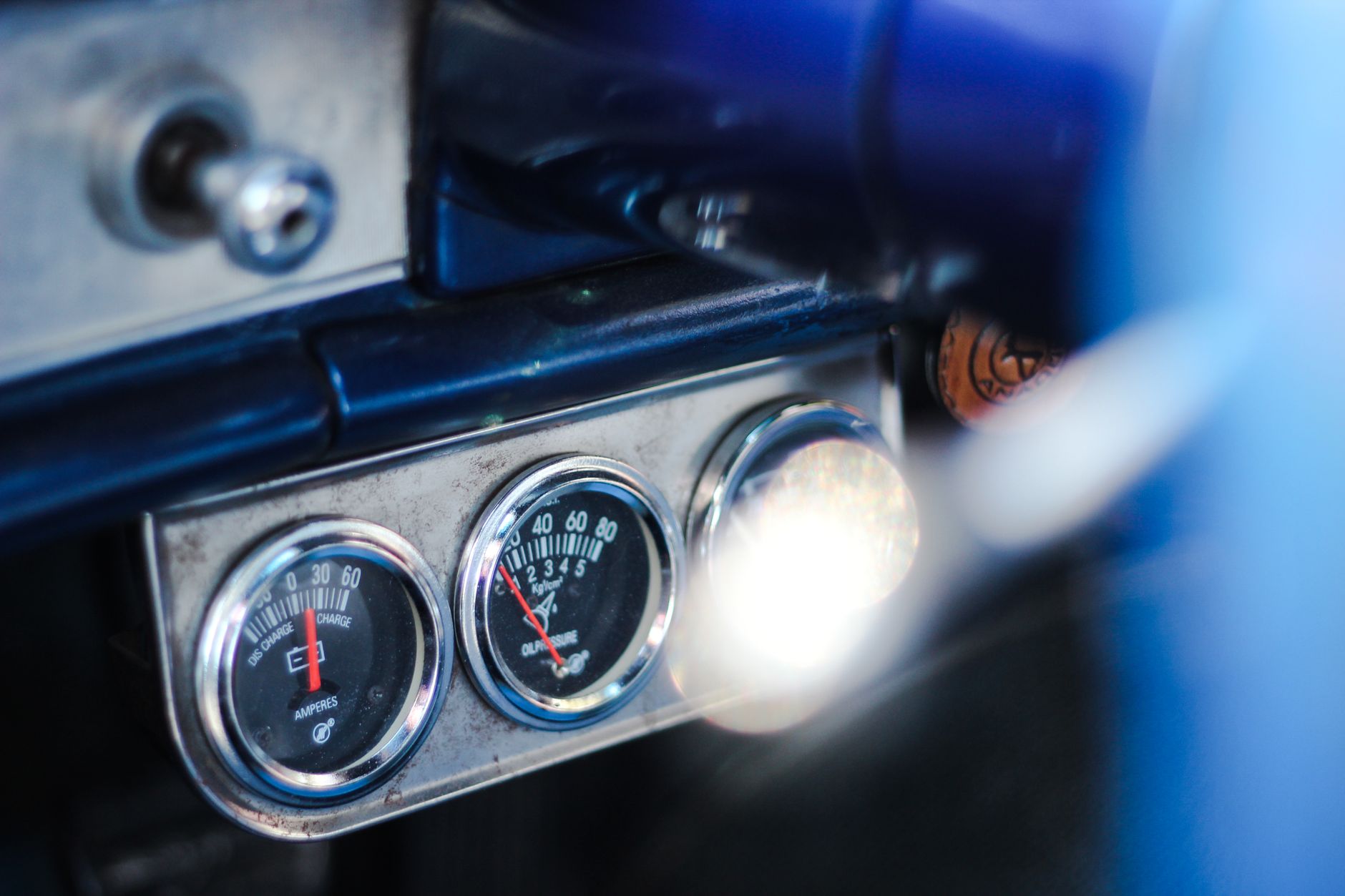

A dash needle that swings up and down usually points to an unstable reading, which can come from a faulty sender, wiring trouble, or a real drop in lubrication pressure. A needle that flickers at idle is one thing; a sudden fall at highway speed is another, and the next move depends on which one shows up.
Use the checks below if the gauge changes while driving, especially when the engine is warm, the warning light is involved, or the car has started acting differently after service.
Readings That Move And What They Can Mean
A few psi of movement with engine speed is normal on many cars. Trouble starts when the needle swings hard, lags behind throttle input, or bounces at a steady cruise.
Cold oil is thicker, so pressure often reads higher right after start-up. As engine temperature rises, pressure usually settles at hot idle and climbs again with rpm, and that pattern matters more than the exact number on the gauge.
A steady needle that shakes only at idle can point to low oil pressure at idle, but a jumpy display can also come from the instrument cluster. The job is to separate display noise from real hydraulic change before assuming engine wear.
Normal Changes Versus Trouble
Light movement during cold starts and hot idle isn’t the same as a gauge that swings several psi every few seconds. Oil viscosity drops as it warms, so a slower reading at idle can be normal once the engine reaches operating temperature.
On a Ford or Chevrolet with a factory cluster, the sender signal can lag a little at low rpm. A fast drop, a repeated spike, or a needle that jumps up and down under steady throttle points toward an electrical fault or a lubrication problem, not a harmless quirk.
Signs The Engine Is Losing Pressure
A warning light that flickers with the gauge is a bigger concern than a noisy needle alone. That light reacts to a pressure threshold, so a change there suggests the engine may not be getting the oil film that bearings need.
One small clue is engine noise. A brief tick from the top end on hot idle can show up before major damage, while a deeper knock points to bearing wear that needs prompt attention. From there, the fastest checks matter most.
That distinction sets up the quickest ways to rule out a false alarm before tearing into the engine.
The Fastest Checks Before Assuming Engine Damage
Start with the dipstick. Low oil level is still one of the simplest reasons a gauge reading turns erratic, and it can let air into the pump pickup during cornering or braking.
Look at the oil itself, too. Fuel dilution, a burnt smell, or a milky look can change oil viscosity enough to alter pressure, and overdue service leaves the fluid dirty enough to strain the system.
Then separate the light from the gauge. A flashing oil pressure warning light with a steady gauge can point to one circuit, while a shaky gauge and a normal light can point to another. Sudden pressure drops call for shutting the engine off right away.
- Check the level: Oil below the mark can make the pump draw air on turns and hard stops.
- Inspect leaks: Wet pans, valve covers, and filter housings can explain a slow loss of pressure.
- Look at service age: Old oil loses shear strength and can thin out under heat.
- Watch the warning lamp: A lamp that joins the gauge swing points to a real fault path.
- Shut it down fast: A sudden drop is a stop-now event, not a keep-driving moment.
These checks take minutes and can save engines. Once they are done, the next question is whether the problem sits in the signal path or inside the engine.
A bad reading often starts outside the block, where a sensor or gauge fault can imitate real trouble.
Sensor, Wiring, And Gauge Failures That Mimic Trouble
A bad oil pressure sending unit is one of the most common reasons for erratic gauge movement. The sender converts pressure into an electrical signal, so a worn diaphragm or unstable resistance can make the needle wander while the engine stays healthy.
Loose connectors, rubbed wiring, and poor grounds can do the same thing. Vibration from the engine bay can open a weak terminal for a split second, and that tiny interruption is enough to make the cluster needle twitch.
Dashboard faults matter too. The instrument cluster in many modern vehicles processes sender data before the needle moves, so an internal cluster fault can make the display vary even with normal oil pressure at the engine.
Sending Unit Problems
Set in a hot, oily spot, the oil pressure sensor or sending unit takes a lot of vibration. Heat cycles age the internal parts, and the signal can drift long before the unit fails completely.
An intermittent oil pressure gauge reading that clears after a restart often fits this pattern. A scan with OBD-II may show a plausible pressure signal, but the cluster still jumps because the fault sits between the sender and the display.
Wiring And Ground Faults
A chafed harness near the block or firewall can act like a bent straw, sending a broken signal to the dash. Ground loss can do the same thing, since the sender needs a clean return path to report accurately.
Here the fix is visual as much as electrical. Check for cracked insulation, oil-soaked connectors, and corrosion at the terminal before chasing engine hardware. That distinction keeps you from opening the engine for a problem in the wiring loom.
Once the wiring is cleared, attention shifts to filters, pumps, and passages that can disrupt flow internally.
When The Problem Is Inside The Lubrication System
Once the signal side is ruled out, attention shifts to the oil pump and the fluid itself. A worn pump can make low pressure at idle because clearances inside the pump let volume leak past the gears or rotors.
Thin oil makes the issue worse as temperature rises. Hot, diluted, or low-viscosity oil slips through engine clearances more easily, so the reading can sag after 10 or 15 minutes of driving even though it looked fine on a cold start.
A clogged oil filter can also restrict flow and create pressure swings. The bypass valve in the filter may open under load, then close again later, which can make the gauge needle fluctuate in a way that feels random from the driver’s seat.
Wear That Shows Up At Idle
Idle speed is where weak pumps show their hand. The pump turns slower, system flow drops, and a worn engine with wider bearing clearances may show unstable pressure long before it fails outright.
That pattern is why a tach needle and oil gauge should be read together. A stable reading at 2,500 rpm with a shaky hot idle often points to wear, while pressure that falls off across the rev range suggests a more serious hydraulic loss.
Oil Condition And Filter Flow
Oil viscosity is a physical property, not a guess. Thicker oil resists flow more, while thin hot oil slips through the clearances faster, and that balance is why the same engine can read fine in winter and weak in summer traffic.
Use the correct viscosity for the engine and climate. A wrong grade can mask a pump problem for a while, then expose it on a hot day in stop-and-go traffic.
Filter restriction can add another layer of confusion. A partly blocked filter raises upstream pressure and starves downstream flow, which can show up as a needle that rises, falls, and rises again on the same drive.
Because those symptoms can still mislead, the answer lies in testing pressure directly under operating conditions.
Mechanical Testing That Confirms The Real Pressure
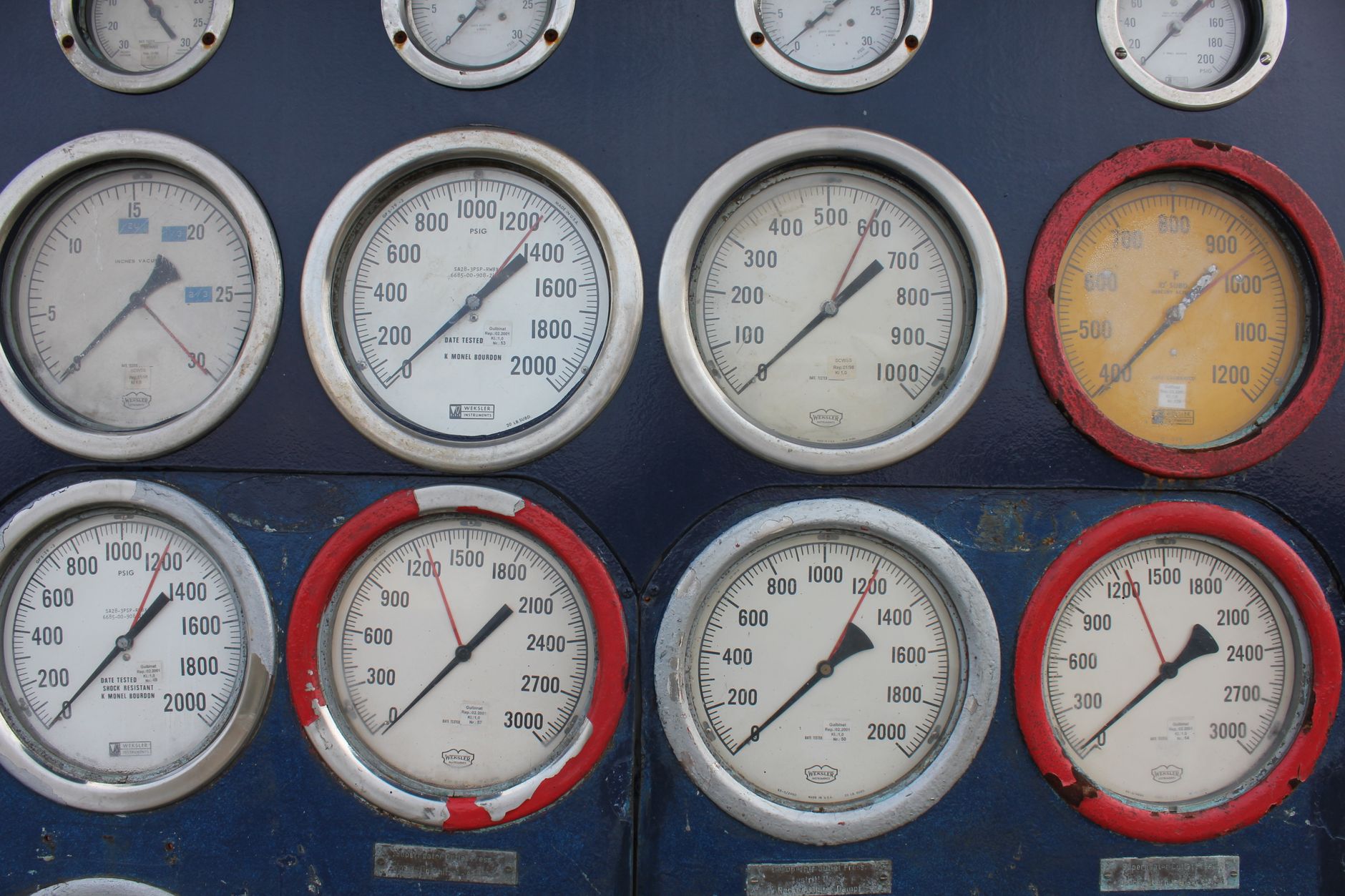
A mechanical pressure gauge removes guesswork. The tool screws into the sender port and reads pressure directly, so you can compare the dash display with the engine’s actual oil pressure in real time.
This is the cleanest way to separate an electrical fault from an internal engine fault. If the mechanical gauge stays steady while the dash swings, the sender, harness, or cluster is the problem. If both move together, the engine itself needs attention.
An intermittent oil pressure gauge reading can hide real wear for months. One bad connector can make a healthy engine look tired, and a tired pump can look harmless until a mechanical gauge exposes hot-idle collapse.
How The Test Helps
The mechanic watches the reading at cold start, hot idle, and 2,000 to 3,000 rpm. That range shows whether pressure climbs as expected with engine speed and whether heat changes the picture.
Data from the test also gives a repair path. Stable pressure points away from engine teardown, while low or unstable numbers point toward pump wear, bearing clearance, or filter flow trouble.
Those results then guide whether a simple repair will do or whether deeper engine work is unavoidable.
| Test result | What it points to | Next step |
|---|---|---|
| Dash swings, mechanical gauge stays steady | Sender, wiring, or cluster fault | Inspect the electrical path and cluster |
| Both readings fall at idle | Real low pressure | Check the pump, oil level, and filter flow |
| Pressure drops as oil warms | Thin oil, wear, or pump weakness | Review viscosity and internal clearances |
| Spike then normal reading | Intermittent signal or connector issue | Inspect terminals and ground points |
Driving Decisions And Repairs That Protect The Engine
Severe oil pressure loss can hurt bearings and camshaft components fast. Those parts ride on a thin oil film, and once that film breaks down, metal touches metal in seconds instead of minutes.
A reading that sits between 30 and 60 can mean very different things. At 2,500 rpm on a warm engine, that range can be normal for some setups; at hot idle, the same spread can point to weak pressure, a tired pump, or oil that has thinned too much.
Keep driving only when the reading is stable and the cause is known. A sudden drop, an oil pressure warning light, or a gauge that plunges as the engine warms is the point where the engine should be shut down, then checked before restart.
- Fluid service: Fresh oil can restore correct viscosity and cleaner flow.
- Filter replacement: A blocked filter can be the only restriction in the system.
- Sensor repair: A faulty sending unit can create the entire symptom set.
- Pump work: A worn pump or relief valve needs mechanical repair, not guesswork.
- Internal inspection: Bearing wear can explain pressure loss that follows engine temperature.
That repair path fits most cases of oil pressure gauge fluctuating, but the order matters: confirm the signal, confirm the pressure, then fix the part that failed.
That sequence is the safest takeaway when pressure readings wander without warning.
What To Remember
A moving gauge isn’t always an engine emergency, but it’s never something to shrug off. Start with oil level, sender wiring, and a mechanical pressure check, then move to the pump, oil condition, and filter flow only after the basics are clear.
FAQ
What causes oil pressure to jump up and down?
Broken sender signals, loose wiring, weak grounds, thin oil, clogged filters, and worn pumps can all make the reading swing. The pattern at cold start, hot idle, and cruising speed shows whether the fault is electrical or mechanical.
How do I know if my oil pump or sensor is bad?
A mechanical gauge is the cleanest divider. Stable pressure on the mechanical tool with a wild dash reading points to the sensor, wiring, or cluster, while low pressure on both points to the pump or the engine itself.
How much should oil pressure fluctuate?
Some movement with rpm and engine temperature is normal, especially after warm-up. Sharp swings, repeated drops, or a needle that moves while throttle stays steady deserve a direct check with a mechanical gauge.
Is it bad if my oil gauge reads between 30 and 60?
That range can be fine at cruising rpm for some engines and too low at hot idle for others. The real question is whether the number matches engine speed, temperature, and the maker’s pressure spec.
Can a bad oil pressure sensor cause fluctuating readings?
Yes. A failing oil pressure sending unit can send an erratic signal that makes the dash needle wander even though actual pressure stays steady at the engine.
Should I keep driving with a fluctuating oil pressure gauge?
Only after a quick check shows the oil level is right, the light is off, and the reading has been verified. A sudden drop or a warning lamp calls for shutdown because bearing damage can start very fast.