
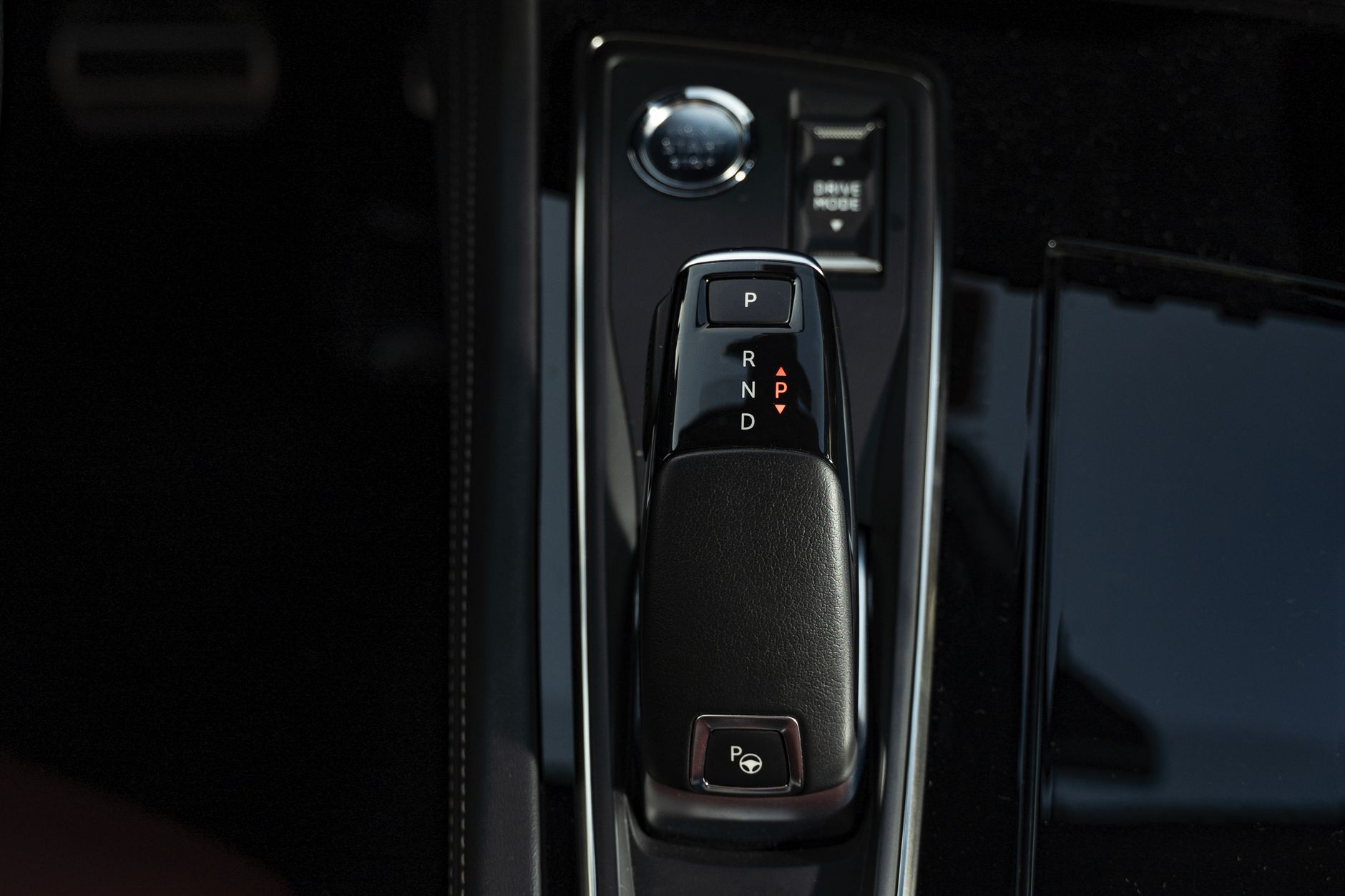

Shift to park message usually means the car isn’t fully confirming Park, so the ignition, shifter, or sensor keeps the system active. The key can stay trapped after shutdown, and the dash may keep warning you until the signal clears.
This guide covers why a stubborn shift-to-park warning appears after shutdown and what to check first, from a sticky console shifter to sensor faults, so you can narrow down the cause fast.
What the warning is telling you
A clean Park signal never reached the control system, so the dash keeps the message on. The transmission may be physically in Park, but the modules still see an uncertain position, which keeps shutdown tied to the shifter state.
That mismatch can show up as a shift to park warning, a key that won’t release, or an engine that acts like the selector is still live. In many cases, the trouble is a park switch, a transmission range sensor, or a weak electrical connection rather than the gearbox itself.
How the signal gets lost
Several systems have to agree before the vehicle powers down cleanly. The body control module, ignition logic, and shifter assembly all watch the Park signal and compare notes.
GM trucks and SUVs often use that chain to decide whether the key can come out. Honda and Acura models run a similar check through the shift interlock and sensor network, so a loose connector or worn switch can confuse the system even when the lever is in the right place. A small mismatch is usually the first clue, and the next step is ruling out simple causes.
That small mismatch often means the simplest fixes are worth checking first.
Fast checks that can clear it on their own
Because a signal mismatch often starts with something simple, the quickest fix is mechanical. Move the shift lever fully into Park, hold the brake, pause for one second, then restart the vehicle and watch the dash before moving on to deeper work.
Seat the shifter with intent
Worn detents and a stretched cable can leave the lever half a click short of full Park. On a GMC Sierra, Chevrolet Traverse, or Buick Enclave, that tiny gap is enough to trigger a shift to park after turning off engine warning.
Try the lever again with a steady motion instead of a soft tap. A cleaner engagement means the mechanism is still borderline usable, which points toward adjustment or wear rather than a hard electrical failure.
Check battery voltage and terminal condition
Low voltage can scramble the logic that reads gear position. Corrosion at the battery terminals, a loose ground, or a tired battery can make the body control module miss a clean Park signal.
Open the hood and look for white or green buildup on the clamps, then make sure the cables don’t twist by hand. A simple restart after a voltage dip can clear a temporary shift to park message, especially after a cold start or a short trip. Once the basics are clear, the fault pattern usually points at a part that’s wearing out.
When the basics check out, attention usually shifts to the components that wear out.
The parts most often behind the warning
A worn park switch sits near the top of the list. The switch or shifter assembly can lose contact inside the housing, so the car says shift to park even though the lever is already at the stop.
Wiring faults are close behind. A loose connector, rubbed wiring harness, or bad transmission range sensor can break the signal path for a split second, which is all it takes to confuse the control module.
Shifter wear and park switch failure
GM has seen this issue on a range of cars and crossovers, and the pattern is familiar: the warning comes and goes, then turns constant. Chevrolet, Cadillac, and Buick models can show it after years of lever use because the internal contact faces wear down like a switch clicked one time too many.
The same basic wear can affect Acura and Honda shifters, where the mechanical stop and sensor check have to agree. A tired shifter assembly often behaves fine while driving, then fails only at shutdown, which makes the fault feel random until you know where to look.
Wiring, connectors, and the brake pedal switch
On some vehicles, a brake pedal switch can interfere with shift logic. The car wants to see brake input before it accepts a shift or confirms Park, so a bad switch can mimic a transmission problem.
Loose pins at the connector, heat damage in the wiring harness, or moisture in the socket can do the same thing. That’s why a vehicle can show the warning only after rain, after a wash, or after a rough road hit. Once those parts are on the table, codes help sort signal noise from a real failure.
Those clues become more useful once codes separate a noisy signal from a genuine fault.
Diagnosing the failure with codes and symptoms
A scan tool gives you the fastest route to the real cause. Diagnostic trouble codes can point toward the shifter, the transmission range sensor, or a related circuit in the ignition and body control module network.
Read the codes before parts are swapped
Common codes can point to a circuit fault, a range signal mismatch, or a brake input problem. A code that returns right away after clearing tells you the fault is live, while a code that stays gone until the next cold start points to an intermittent contact.
The scan data matters as much as the code number. A selector that reads Park on the live data screen while the dash still complains suggests a communication fault. A selector that never shows Park points more directly at the switch, sensor, or linkage.
Use the symptom pattern to narrow the break
Repeated warnings after every drive point to a worn part. Intermittent operation, especially after hitting bumps or shutting off at a gas stop, points more toward wiring or connector movement.
A vehicle that won’t recognize park position at all needs a deeper look at the shifter assembly or the range sensor. Service bays see this pattern often: the difference between a loose plug and a dead switch is often the difference between a ten-minute fix and a replacement job. That distinction matters because some cases clean up with maintenance alone.
That difference matters because some problems respond to cleaning and recalibration alone.
When cleaning or recalibration is enough

Battery cleaning solves a fair number of warning lights. Fresh metal contact at the terminals restores stable voltage, and stable voltage gives the control module a cleaner signal from the start.
Some electronic shifters also need recalibration after repair or after wear shifts their alignment. The transmission control side learns the expected Park position, and a small offset can leave the vehicle thinking the lever is out of range even though it’s seated.
Clean the electrical path before replacing hardware
Scrub corrosion from the battery posts, tighten the clamps, and check the main grounds near the body and engine. A weak feed can trigger a shift to park service message without any broken hardware inside the console.
That said, cleaning works only when the switch contacts and sensor signals are still healthy. A clean battery terminal can’t rescue a park switch with worn internal copper pads, and it can’t fix a cracked wire inside the loom.
Calibration after repair or alignment drift
Some systems respond to a relearn procedure after parts are replaced. That step helps the control module map the exact Park, Reverse, Neutral, and Drive positions after the shifter or range sensor has moved.
Body control module logic is picky about position data because a bad read can block key removal or shutdown. Think of it like a gate latch with two eyes on the same bolt, both of which must line up before the latch opens. Once calibration stops holding, replacement moves to the front of the line.
Once calibration no longer holds, replacement becomes the more practical path.
Signs the shifter assembly or related parts need replacement
Replacement becomes the next move when the warning keeps returning after cleaning, restarts, and basic checks. A shifter assembly with worn contacts won’t stay reliable for long, and a failing park switch tends to repeat the same symptom pattern over and over.
Persistent faults that point past cleaning
A vehicle that needs repeated jiggles of the gear selector to clear the message has a mechanical wear problem, not a momentary voltage dip. The same goes for a dash that works one day and fails the next with no pattern in temperature, road surface, or battery condition.
Brake pedal switch failure can also demand replacement when the signal flickers on the scan tool or never changes state. In that case, chasing the shifter alone wastes time because the interlock input is the real source.
What replacement usually fixes
A new park switch, transmission range sensor, or shifter assembly restores clean position recognition. On GM platforms, that can also clear the car that says shift to park loop that keeps the ignition from releasing normally.
Persistent failure can leave the vehicle unable to shut off cleanly or allow key removal, which turns a nuisance into a parking-lot problem fast. Once the message reaches that point, the part list gets shorter and the diagnosis gets more direct.
At that stage, the problem is no longer subtle and the diagnosis narrows quickly.
What to do next when the warning returns
The smartest move is to treat the message as a signal problem before treating it as a transmission problem. Start with the lever, battery, and scan codes, then move toward the shifter assembly, range sensor, or brake pedal switch only after the simple checks fail.
That order saves time and keeps you from replacing the wrong part. A clean electrical feed, solid Park engagement, and clear sensor data solve many cases without drama, and the rest need a technician with the right scan data and a steady hand on the wiring.
FAQ
Why does my car say shift to park when it is already in park?
The system isn’t seeing a clean Park confirmation from the shifter, range sensor, or related wiring. A worn contact, weak battery voltage, or a brake switch fault can leave the dash convinced the lever is still out of position.
How do I fix a shift to park message?
Move the shifter firmly into Park, restart the vehicle, and inspect the battery terminals for corrosion or loose clamps. Scan codes next, because a repeated warning usually points to a worn switch, sensor, or wiring fault.
Can I drive with a shift to park warning?
Driving with the warning is risky because the car may not shut off normally or release the key later. The vehicle can also fail to confirm Park at the next stop, which makes the problem more than an annoyance.
What causes a shift to park warning on GM vehicles?
GM models often show the warning because of shifter assembly wear, park switch failure, range sensor trouble, or connector issues. Chevrolet, GMC, Buick, and Cadillac vehicles can all show the same pattern when the Park signal gets weak or intermittent.
Is the shifter assembly or park switch the problem?
Either part can cause it, but the scan data and symptom pattern help separate them. A warning that changes with lever movement often points to the shifter assembly, while a stable lever with bad signal data points more toward the park switch or range sensor.
Can a brake pedal switch cause the same warning?
Yes. A brake pedal switch can confuse shift logic in some vehicles, especially when the signal flickers or never reaches the control module cleanly. That is why scan data matters before parts are replaced.