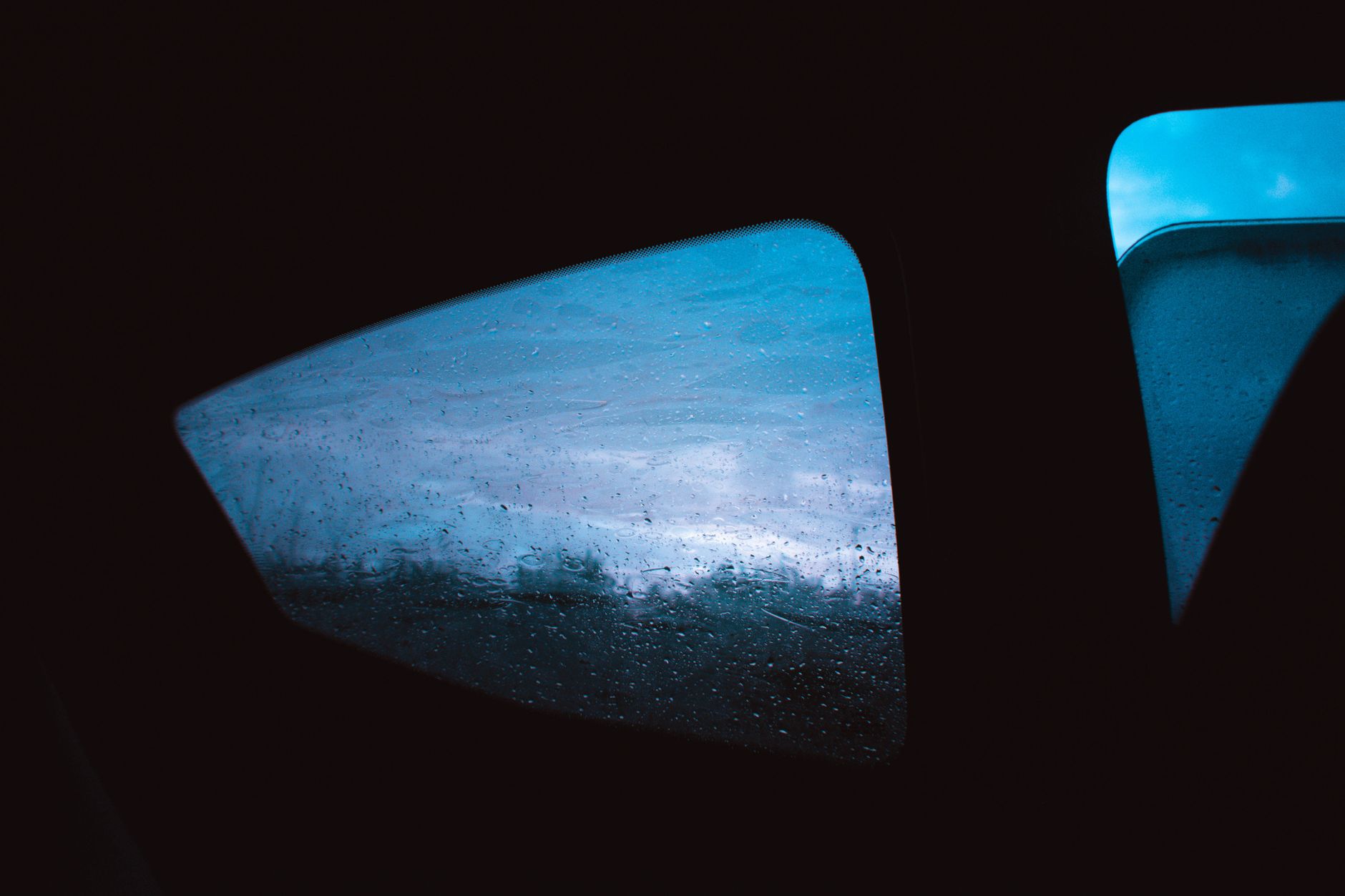

A thin film usually goes on the cabin side of the glass, where it can bond cleanly and stay protected from weather. For cars, it goes on the inside of the glass, on the cabin side. That placement shields the film from rain, road grit, and wash brushes, while helping it stay clearer on rear and side windows.
This article covers where car tint is installed, why installers choose the interior surface, and how factory-tinted glass differs from aftermarket film for a driver facing a tint job or replacement.
The Standard Placement For Car Tint
Most tint film belongs on the inside of the glass panel, not the outer face. That keeps the material away from weather, wiper wear, and every brush of a sponge during a wash.
Rear glass and side windows take the film more than the windshield does, because their shape and use fit privacy, glare reduction, and heat control. In shop terms, where is car window tint installed is not a mystery; it is a cabin-side job.
Rear And Side Glass Take The Film
Most installers start with the rear window and side glass because those surfaces add privacy without affecting the driver’s forward view. On a sedan, the back door glass and rear window usually get the darkest shade first.
A hatchback, SUV, or minivan follows the same pattern. The window tint for cars inside glass can wrap curved panels far better than an exterior layer can stay put.
Interior Placement Protects The Material
Wind, grit, and soap residue hit the outside of a vehicle all day. Interior mounting keeps the tint away from abrasion that would scratch a surface layer in short order.
That protection matters because the film itself is thin. A dyed film, ceramic tint, or sputtered film still needs a clean, sheltered bond line to hold its look.
Inside mounting also keeps the edge seal calmer during heat cycles, which matters on curved windows that expand and contract in sun and cold.
That protection is only part of the story. The real payoff shows up in the install itself, where clean glass and careful application make the difference.
Careful application matters because the film’s performance depends just as much on how it’s fitted as on the product itself.
Why Installers Put Film Inside The Cabin
A clean adhesive bond starts with clean glass. Dust, polish residue, and trapped moisture can leave little pockets that show up as bubbles or cloudy patches after the film dries.
That is why installers work from the cabin side. The interior surface gives them tighter control over the finish, and that control shows up later in clarity, bubble removal, and long-term adhesion.
Clean Glass Gives The Adhesive A Better Hold
Modern film systems from 3M, Llumar, and XPEL depend on close contact between the adhesive layer and the glass. The smoother the bond, the less chance the film has to lift at corners.
That bond is not cosmetic trivia. Pressure-sensitive adhesive forms a physical grip, and tiny flaws in that grip can telegraph as peeling or haze months later.
Inside Work Handles Curved Windows Better
Heat shrinking is easier from the interior because the installer can shape the film to the glass before the final squeegee pass. Curved windows need that shaping step, or the film wrinkles near the edges.
From there, the installer trims, tucks, and smooths the sheet so it follows the glass edge instead of fighting it. The result looks flat because the film and the panel now share the same curve.
Professional Fit Improves Clarity And Durability
Clarity depends on a tight laydown, not just on shade. A well-fit film cuts glare without leaving a milky finish or a rough seam line at the rubber gasket.
Durability rises for the same reason. A film that sits cleanly on the interior surface has fewer weak spots, and fewer weak spots mean less peeling at the corners after a hot summer.
That interior fit matters most when a shop has to work around curved glass, which is where outside mounting sometimes appears for a different purpose.
Curved glass can complicate an interior install, which sometimes sends attention to exterior mounting for a different goal.
When Exterior Tint Placement Appears
Some window films go on the outside, but they serve a narrow role. Temporary sun films, paint-protection style overlays, and certain specialty shop materials can be applied externally for short-term use or shaping work.
That setup is not the normal answer to can tint be applied on the outside of windows. For a permanent car tint, the outside of the glass is the wrong place because wear rises fast.
Temporary Films Fill Short-Term Needs
A temporary film can help during transport, testing, or display work. It may also appear on glass during a specialty wrap process, where technicians use the outside as a working surface before moving the material inward.
Those uses are practical, not standard. The film is there for a job, then it comes off before the weather does much damage.
Outside Placement Wears Faster In Real Use
Rain, dust, and repeated wiping grind down any exposed layer. Even a strong film loses surface quality faster on the exterior because the outside face takes the abuse first.
That is the main reason window tint installation on inside of glass is the default in automotive work. Interior placement keeps the look sharper for longer.
Specialty Shops Use Exterior Mounting For Shape Work
Glass shaping sometimes starts on the outside because the technician can trace the panel contour more easily. That step is part of the heat-shrinking process, not the final parked position of the tint.
Once the shape is right, the film moves to the cabin side. The outer use is a tool, not the destination, and that distinction keeps the process clear.
That distinction becomes even clearer when you compare aftermarket film with glass that was tinted at the factory.
That practical difference stands out even more when aftermarket film is set beside glass tinted during manufacturing.
Factory-Tinted Glass Versus Aftermarket Film
Factory tint is built into the glass itself. Aftermarket tint is a separate layer added later, so the two darken the window for different reasons and in different ways.
That split matters because factory tint and film do not age the same way. One is part of the pane, the other is a service layer you can replace.
| Feature | Factory-Tinted Glass | Aftermarket Film |
|---|---|---|
| How it is made | Color or shade is built into the glass during production | Film is added to the inside surface after the vehicle is built |
| Main purpose | Privacy and basic light control | Privacy, glare reduction, UV rejection, and heat control |
| Service life | Part of the pane itself | Depends on film quality, care, and installation quality |
| Replacement | Requires glass replacement | Film can be removed and replaced |
Factory Tint Lives Inside The Glass
Factory-tinted glass gets its color during production, so the shade runs through the pane rather than sitting on top of it. That is why it looks even from edge to edge.
Sputtered film and ceramic tint can mimic parts of that look, but they remain separate layers. The difference is simple: one is the glass, the other rides on the glass.
Aftermarket Film Adds A Separate Layer
Aftermarket tint changes the window with a film that the installer lays on the cabin side. That layer can be dyed, metalized, ceramic, or a hybrid design.
Because it is separate, you can remove it later. That flexibility is useful after damage, a shade change, or a vehicle sale.
Both Aim At Privacy And Heat Control
One uses dyed or metalized film, while the other comes baked into the glass at the factory to manage heat and visibility. The built-in glass absorbs or colors the pane, while film can add selective IR or UV rejection through its construction.
That mechanism matters on hot days. A dark pane alone does not tell the whole story, because infrared control depends on the material stack, not shade alone.
Automotive film makers such as Llumar and XPEL build different lines for different jobs, and the product choice changes glare, heat, and night visibility in real use.
Once you know how the materials differ, the install process itself makes a lot more sense.
When the materials are clear, the installation steps reveal why precision matters at every stage.
What Proper Installation Looks Like On A Vehicle
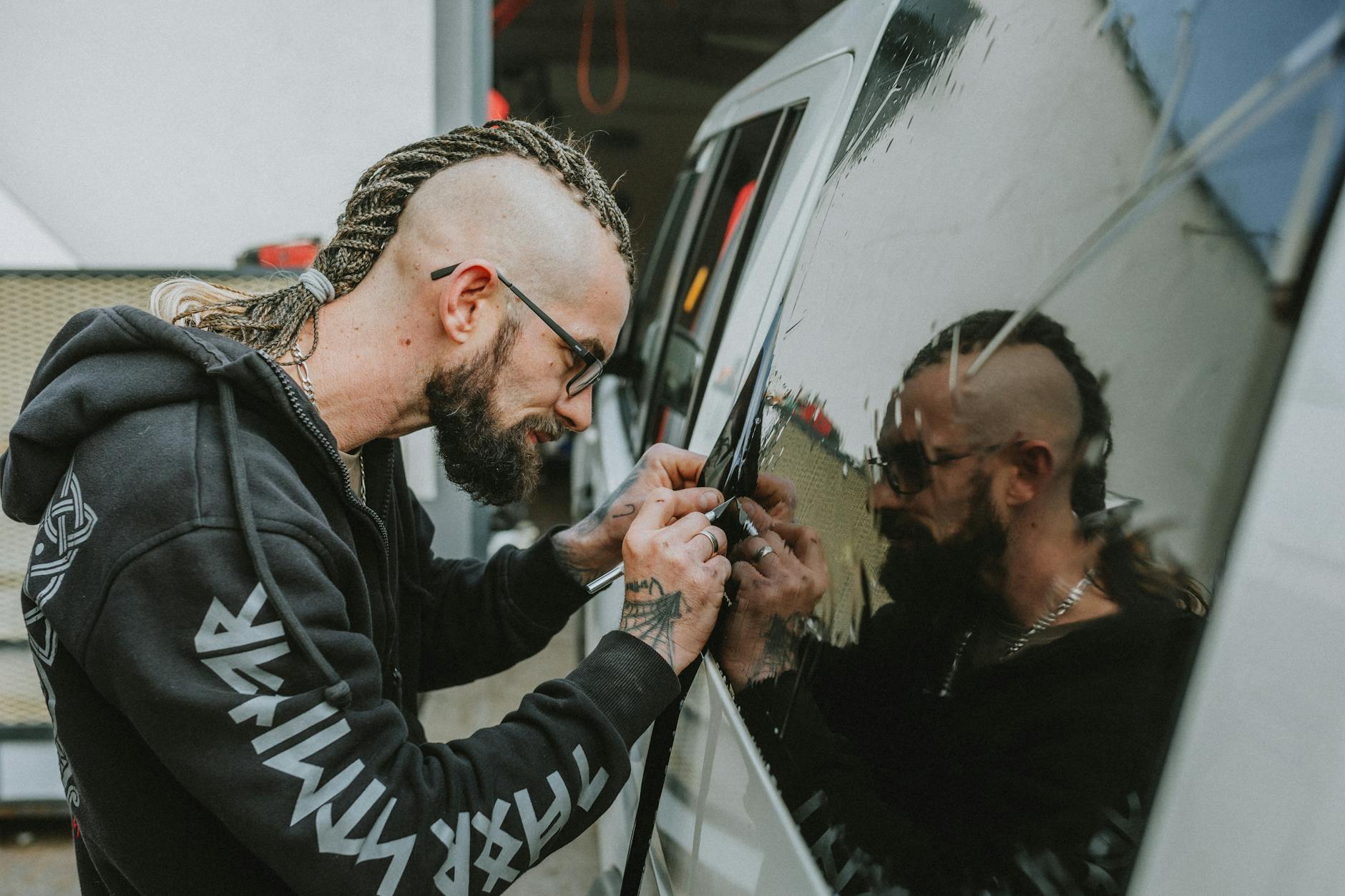
A clean install starts before the film ever touches the window. The inside glass must be washed, scraped, and dried so the adhesive can meet bare glass instead of grime.
That prep step separates a tidy result from a wavy one. A shop that rushes prep leaves you with edges that lift and seams that catch the eye.
Surface Prep Comes Before The Film
Installers use a scraper, a soft pad, and a lint-free wipe to clear the inner surface. Any trapped speck can show up later as a bump under the film.
That is why even a tiny fleck matters. Under clear light, a grain of dust can look like a crater once the sheet cures.
Cutting And Smoothing Match Each Glass Shape
The film gets cut to match each panel, then positioned, then smoothed with a squeegee. On rear glass with heavy curve, heat shrinking lets the film sit flat without wrinkles.
That sequence is how automotive tint is applied in serious shops. The goal is a tight fit, not a fast one.
Good Work Leaves Fewer Visual Flaws
Bubbles, peeling, and distortion often point to rushed installation or poor prep. A clean job looks quiet in daylight and does not ripple at the edges.
You should see a smooth sheet, straight trim, and crisp contact near the gasket. Anything else means the film and the glass are not fully married yet.
- Clean the glass before install so dust does not trap under the film.
- Use heat shrinking on curved glass so the sheet lays flat.
- Check edge fit so corners do not start peeling early.
- Work the squeegee firmly to push out moisture and air pockets.
- Trim with care so rubber seals and defroster lines stay intact.
After the film is in place, care and curing time decide how well it holds up in daily driving.
Once the film sets, routine care and curing time shape how it looks and lasts on the road.
Care, Visibility, And Everyday Use After Tinting
Fresh film needs curing time before the window gets hard use. The adhesive still finishes bonding as moisture leaves, so rolled-down glass too soon can disturb the edge.
That curing period affects how the car behaves in the first few days. Heat, sun angle, and shade choice all shape the final look.
Fresh Tint Needs Time To Settle
Installer instructions matter here. Waiting a few days before rolling windows down gives the adhesive film time to settle against the glass rather than shift at the lip.
The safer move is to follow the installer window, which can run from 3 to 7 days depending on film type, weather, and glass shape.
Night Visibility Depends On Shade And Light
A heavily tinted side window can look great in noon sun, yet the same glass may feel much darker once the streetlights come on. Street lighting, rain on the glass, and your own headlights all change what you can see.
Ceramic tint often keeps a clearer night view than a dark dyed film at the same shade because the material can control heat without leaning on darkness alone. That tradeoff matters on unlit roads.
Follow The Shop’s Care Rules
Do not scrub the film hard during the first weeks. Soft microfiber, a mild cleaner, and light pressure protect the surface while the adhesive finishes setting.
After that, the film behaves like part of the car interior. Treat it that way, and the inside mount keeps paying off with cleaner edges and steadier visibility.
That simple routine ties the whole topic together, from installation to long-term use.
That everyday habit closes the loop between a good install and a tint that keeps working well.
What To Remember
For a car, tint film belongs on the inside because that is where it stays protected, bonds cleanly, and holds its clarity longer. Factory-tinted glass is built differently, but the rule stays the same for aftermarket film: the cabin side is the right side.
FAQ
Does window tint go on the inside or outside?
For cars, tint film goes on the inside of the glass, on the cabin side. The outside face is reserved for short-term or specialty uses, not standard permanent tint.
Why do people put tint on the outside?
Exterior placement shows up during specialty shaping, temporary jobs, or testing. It is not the normal setup for a car because weather and abrasion wear it down faster.
Can window tint be applied on the outside?
Yes, some specialty or temporary films can be applied externally. For regular automotive use, the film belongs inside the vehicle, where it stays sheltered and lasts longer.
Can I roll my windows down 2 days after tint?
That depends on the film, weather, and installer instructions. Many shops ask for 3 to 7 days before rolling the windows down so the adhesive can settle.
Where should car tint be installed?
The cabin side of the glass is where professional installers place the film, especially on rear and side windows. That placement gives better adhesion, clearer edges, and stronger scratch resistance.
What is the difference between factory tint and aftermarket film?
Factory tint is built into the glass itself during production. Aftermarket film is added later as a separate layer, so it can be removed or replaced without changing the glass.