
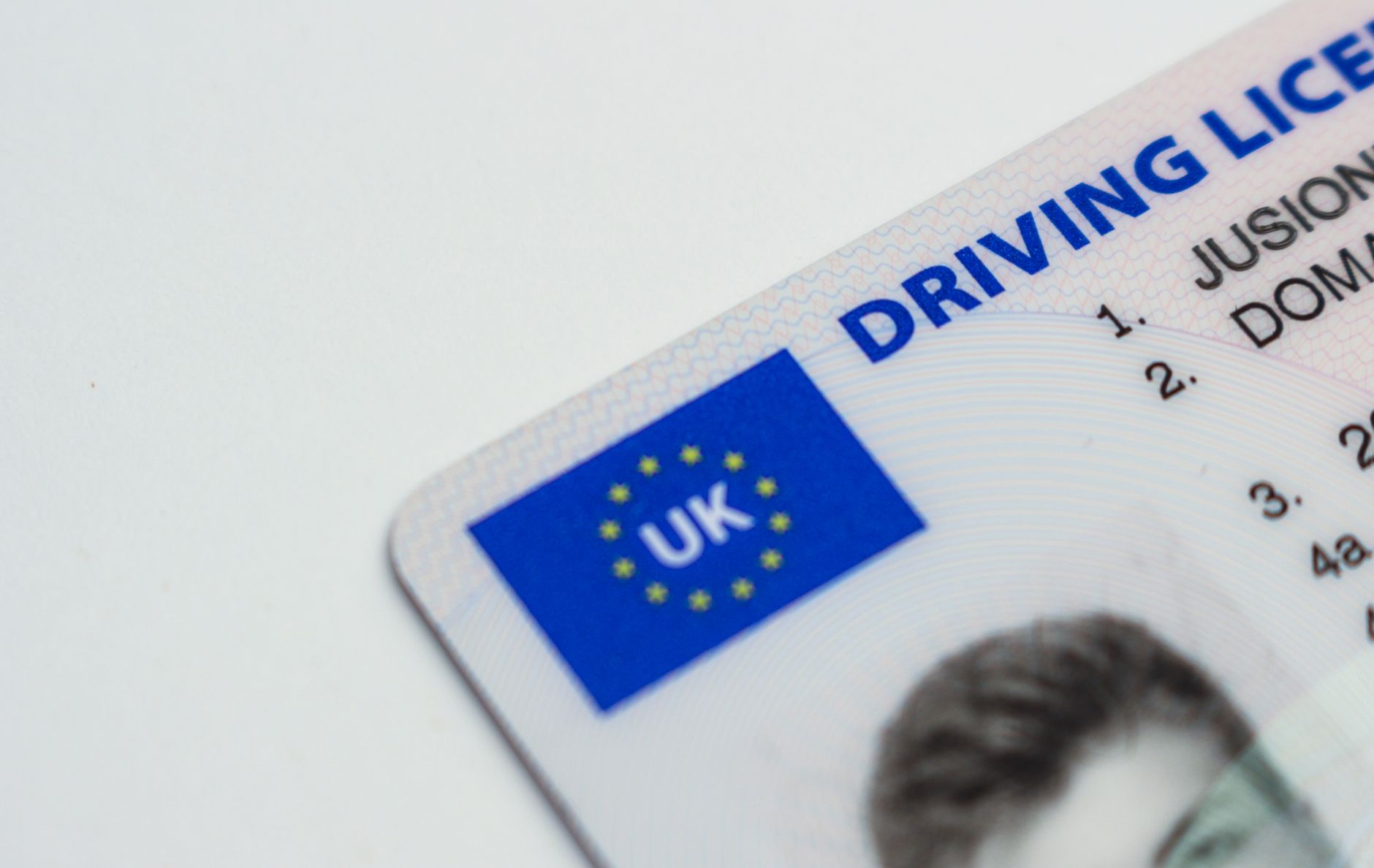

In most states, license numbers sit in motor vehicle records rather than Social Security files, so they cannot be pulled directly from an SSN alone. The practical route is to prove identity with the issuing agency and recover the number from the state record.
If the card is missing, this overview covers the legal options, the agencies that control access, and the safest ways to request a personal record without exposing more data than necessary.
Why An SSN Won’t Reveal A License Number
License numbers start in state systems, not federal ones. That matters because one record tracks driving privileges and the other tracks earnings and tax identity, so they are built for different jobs.
SSNs also create serious misuse risk. A nine-digit number can open credit files and tax records, so states limit how often it appears in driver databases and keep it from functioning like a public search key.
Fraud controls add a second wall. Driver files sit behind identity checks, and many states separate SSN fields from license records so one number cannot be used to pull up another person’s file.
Separate systems serve separate purposes
The Social Security number supports federal identity and wage tracking, while a license number lives inside a state driver record. Those systems can confirm identity against each other, but they do not offer a simple public index you can query on demand.
A practical example makes that clear. Someone may move after college and misplace the card, yet the state record follows the person, not the old mailing address. That file is what matters, and it stays behind DMV controls.
Privacy rules block direct matching
License numbers are protected personal data in most places. Direct SSN matching would make identity harvesting much easier after a data breach, a stolen form, or an old tax document left in a drawer.
Because of that, a quick find driver’s license number with SSN search rarely exists in legal form. The lawful path is to prove who you are, then ask the state agency that holds the record.
That legal route starts with authority, because the agency holding the record decides what can be disclosed.
Who Controls Driver Record Information
State motor vehicle agencies hold the records, not search sites and not federal offices. California uses the DMV, Florida uses the FLHSMV and its driver license offices, and New York relies on the Department of Motor Vehicles under a different label.
The name changes, but the job does not. That office issues cards, tracks renewals, stores document numbers, and confirms driving history for valid requests.
DMV and MVD names mean the same kind of office
Some states use DMV, some use MVD, and some use a broader motor vehicle department name. The title shifts, but the record-holder stays the same state agency that can verify identity and release a personal file.
That distinction matters because a third-party service does not have the same legal access. A site may gather public data from old forms or address histories, yet it cannot lawfully pull a license number from SSN alone in most cases.
Third-party sites lack the legal key
Most data brokers are missing the one thing that unlocks the file: statutory access. Without consent, court authority, or a direct agency request, they cannot treat your SSN as a shortcut to a driver record.
The process is layered even when it looks simple. State databases often compare identity elements step by step, and the agency decides whether the match is strong enough to release anything. That is why a fast web search can fail while a verified DMV request succeeds.
When identity checks clear, the record holder can release information that casual searches never reach.
The Lawful Paths To Retrieve A Lost Number
Once the record holder is clear, verification comes next. You can recover a lost driver license number through your own online account, a mail request, an in-person visit, or a replacement card request that confirms the number as part of the process.
A common example is a wallet theft. The plastic card may be gone, but you can still have enough identity evidence to ask the state for a replacement license, and that transaction often returns the number needed for insurance, employment, or travel forms.
Your own record request
Start with the state portal tied to your license. Many agencies let you check a driver record online after you sign in, answer identity questions, and verify a phone, email, or record number already linked to the file.
Documents can include a passport, birth certificate, proof of residence, or the last four digits of your SSN. The exact mix changes by state, but the goal stays the same: the agency wants to match you to the file before showing the number.
Someone else’s record needs legal authority
A spouse, parent, employer, or attorney cannot just type in another person’s SSN and pull a license number. Access to someone else’s information usually needs consent, a power of attorney, a court order, or a statutory reason tied to employment and safety rules.
This is where Real ID standards matter in a practical way. States already check source documents more tightly for identity cards, so the same verification culture carries into driver record requests and reduces casual access to private data.
Replacement requests can confirm the number
Replacing the card is often the cleanest route. The state may show the license number on the temporary printout, on the receipt, or inside the online replacement confirmation after your identity checks clear.
That path also gives you a fresh record review. Address, restrictions, expiration date, and class of license can all be checked at once, which helps after a move, a name change, or a wallet loss.
Those rules matter because each state limits what a requester may see and how quickly it can be found.
State-Specific Search Rules And Common Limits
Rules differ from one jurisdiction to the next, and Florida is a good example of how broad the range can be. Large state systems may offer online driver record checks, mail forms, customer service lines, and office visits, while smaller or stricter systems lean harder on in-person proof.
A method that works in Texas may not work in Michigan or California. Some agencies let you view parts of your record after account setup, and others release the number only after a replacement request or a signed form.
Online access varies by state
Online driver record portals save time, but they still rely on identity controls. A state may ask for a license number, a document number from a prior card, or layered identity questions before any record appears.
That is why the search for find driver’s license number with SSN becomes state-specific so quickly. The SSN may help prove identity in one office and do nothing useful in another, depending on local privacy rules and record design.
Mail and office requests still matter
Paper forms remain common for people who lost all card details or moved across state lines. A mail-in request gives the agency time to compare signatures, document copies, and residence proof against the driver file.
An office visit is slower, but it can solve edge cases. A clerk can spot a mismatch in a middle name, a suffix, or a transposed address faster than an automated screen, which matters when the record has changed since your last card.
Common limits keep SSN matching narrow
- Separated databases keep license files apart from broad SSN lookups.
- Identity checks ask for documents, not a single number.
- Consent rules block casual access to someone else’s record.
- State-only control keeps driver data inside the issuing agency.
- Fraud filters reject simple bulk queries tied to SSNs.
These limits are deliberate, not accidental. A stolen SSN can circulate for years after a breach, while a license file should stay behind tighter state gates. That is why the system resists shortcut searches and pushes you toward verified request channels.
Because records are tightly guarded, verification becomes the difference between a legitimate lookup and a dead end.
Safer Ways To Check A Personal Driver Record

Your safest path starts with the state agency website or office locator. USA.gov can point you toward the correct motor vehicle department, and the agency site can tell you whether online access, a mailed request, or a replacement card is the right route.
A direct personal record check often costs less time than chasing private lookup claims. It also gives you cleaner data, since the source is the issuing office rather than a scraped database or an ad-heavy form that collects more than it should.
Official portals and account access
State portals are the best place to start because they connect straight to the driver file. You may need a user account, a prior card number, a mailing address, and proof that your identity matches the record on file.
A logged-in portal can also help after a move. For example, someone who relocated from Ohio to Arizona may still need the old number for tax forms or insurance, and the state account may show enough of the record to confirm it.
Office visits and replacement cards
Local offices remain the fallback for edge cases, especially after theft, a legal name change, or a mismatch between documents. Bring identity proofs that match the record closely, since even a small name variation can slow the release.
A replacement license request can serve two purposes at once: it replaces the lost card and confirms the license number. That makes it the proper route for anyone trying to retrieve lost driver’s license number details without guessing.
A legitimate request beats risky shortcuts, especially when personal records are involved.
Carry more than one identity document to the office. A passport, a birth certificate, and a utility bill can solve a mismatch faster than a single card with an old address.
Protecting Yourself From Illegal Lookup Services
Sites that promise an instant license number from an SSN are a serious red flag. Some are plain data-harvesting forms, while others sell old records that may be stale, incomplete, or gathered without permission.
The risk is not only bad information. Handing your SSN to an unverified broker can expose you to identity theft, mail fraud, and account takeover, especially because a license number can pair with other personal records to pass weak verification checks.
Safer habits that protect your data
- Use agency sites before sending any personal document.
- Check the URL for the state motor vehicle department name.
- Share less data until you know the request is real.
- Save receipts from any replacement or record order.
- Report loss fast after wallet theft or card misplacement.
These habits matter because identity data tends to travel in layers. A stolen SSN plus an address and date of birth can be enough for misuse, so trimming the amount you hand over is the cleanest protection.
For a lost wallet, replace a lost driver’s license through the state office, then update insurance and employer records from that verified number. That route protects personal data better than any site that claims it can find driver’s license number with SSN in seconds.
Clear rules matter here, since the safest answer is usually the one returned through proper verification.
What To Remember
SSNs and license numbers live in different systems, so there is no honest shortcut that turns one into the other. The safest path is a state DMV or MVD request, backed by identity proof and, for someone else’s record, the proper legal authority.
FAQ
Can I find my driver’s license number with my Social Security Number?
No direct public lookup works that way. A state motor vehicle agency may use your SSN as one identity check, but it will still ask for account access, documents, or a replacement request before showing the number.
How do I look up my driver’s license number?
Use your state DMV or MVD portal, request a driving record, or visit an office with identity documents. A replacement card request can also surface the number on a receipt or temporary printout.
Can the DMV give me my license number if I lost my wallet?
Yes, after identity verification. Bring whatever documents your state asks for, since the agency may need photo ID, proof of address, and, in some cases, the last four digits of your SSN.
How do I request a copy of my driving record?
Start with the state motor vehicle agency website, then choose online, mail, or in-person service. Some states call this a driver record, an abstract, or a motor vehicle report, and each has its own form.
How to find my license number if I moved to another state?
Ask the old state agency for your record and the new state agency for transfer rules. A prior license number may still sit in the old file, but the new state will issue its own record after you complete local requirements.