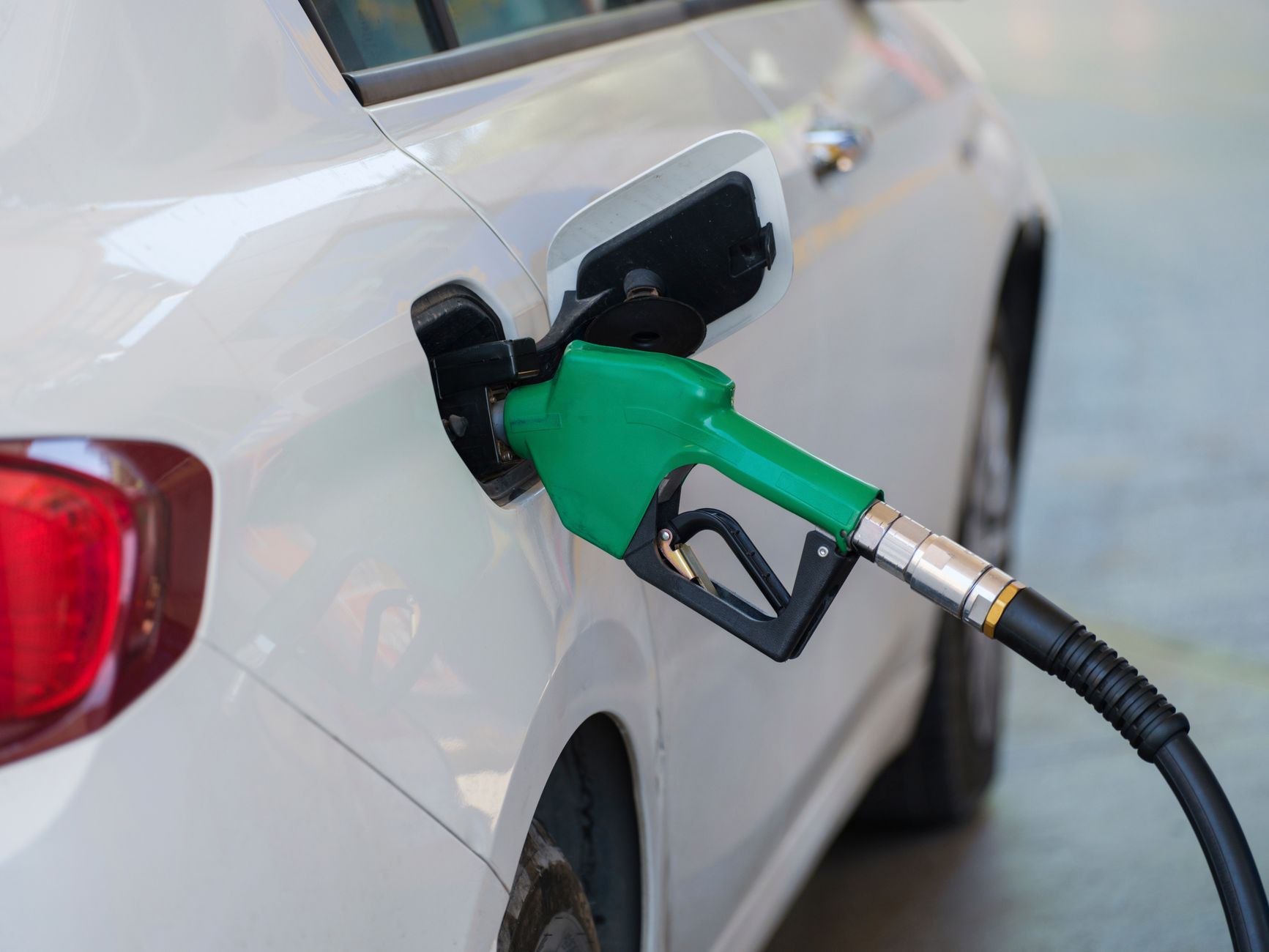

Foamy fuel or a blocked vent near the nozzle tip can trigger an early shutoff long before the tank is actually full. The usual causes are a fast fill, a splashback issue, a venting problem, or a filler-neck restriction that trips the shutoff early.
Here is a practical breakdown of station quirks, vehicle-side venting faults, and the checks that help pinpoint the cause for anyone dealing with repeated early cutoff at the pump.
How Automatic Nozzle Shutoff Works
Fuel flow matters first, because the nozzle does not measure tank level. It responds to pressure and airflow at the tip, so a little splashback can end the fill even when room remains in the tank.
Fuel At The Tip Triggers The Sensor
That click is mechanical, not random. When liquid fuel reaches the vent port inside the nozzle, airflow changes and the valve snaps shut. Your tank can still have room, which is why the gas pump keeps clicking off before the tank is full even though the dash gauge has not reached the top.
High station pressure, a rushed fill, or a nozzle pushed too far into the filler opening can send fuel back to that sensor. On a cold morning, foamy fuel and denser vapor can make the same nozzle stop far sooner than it did yesterday.
Fast Fueling Can Fool The Nozzle
A high flow rate creates turbulence inside the filler neck. Air and liquid compete for the same narrow passage, and the pump can read that churn as a full tank even when space is still available.
Slowing the flow changes the pattern. Fuel settles, vapor escapes more cleanly, and the shutoff has less false pressure to react to. That small adjustment often explains why one station fills normally while another turns into a filling gas tank problem.
That difference often starts with the nozzle, the venting, and how the station handles pressure at the pump.
Station Conditions That Can Trigger Early Cutoff
Once nozzle behavior makes sense, the station itself becomes the next likely source. Different hardware, line pressure, and handle wear can change how fuel enters your tank.
Pump Pressure And Nozzle Angle Matter
A high-pressure pump can move fuel so fast that the vapor space turns foamy. The sensor reads foam the same way it reads liquid backup, so the gas pump stops early when fueling even though the tank is not packed full.
Nozzle angle matters too. Hold the handle at a sharp tilt, and fuel can splash against the filler neck wall. Hold it too straight, and the tip may sit where fuel burps back faster. A slight repositioning often fixes the issue without touching the car.
Slow the fill rate for the last quarter of the tank. That small habit gives vapor more room to escape and reduces false shutoff at busy stations.
Cold Weather And Foamy Fuel Raise The Chance Of Shutoff
Cold fuel changes density and vapor behavior. In low temperatures, the tank may vent more slowly, and frothy fuel can pile up at the neck like suds in a narrow sink drain.
That is why your car won’t take full tank of gas on one freezing day and then fills normally later in the week. The station may still be fine, and the vehicle may be fine too, so repeating the fill at another pump gives you a cleaner answer.
After station variables are ruled out, the vehicle side becomes the next place to look for the blockage.
Once the station is cleared, attention shifts to the car’s breathing path and where fuel vapor gets trapped.
Vehicle Venting Problems Behind The Symptom
A fuel tank has to breathe while liquid enters. If venting is blocked, pressure builds and trips the nozzle before the tank is actually full.
Blocked Venting And EVAP Trouble
The evaporative emissions system, or EVAP, controls fuel vapor so it does not escape into the air. The charcoal canister stores that vapor, and purge and vent valves route it back into the engine later. When a vent line is blocked or a valve sticks shut, the tank cannot breathe at fueling speed.
That restriction creates back pressure at the filler opening. The result is familiar: the fuel nozzle keeps shutting off, and the click may happen every time you try to top off. An OBD-II scan can point you toward EVAP trouble codes, though a stuck vent valve can still leave you with no drivability complaint at all.
Filler Neck And Filler Hose Damage
A bent, rusted, kinked, or clogged fuel filler neck forces gasoline through a narrowed path on the way into the tank. Think of it like pouring water through a pinched garden hose: the liquid rebounds and splashes back toward the nozzle tip.
Even a small dent or debris inside the filler pipe can cause repeated early shutoffs at multiple stations. The clue stays the same every time: fuel burps back at the nozzle before the tank feels close to full.
Those repeated burps usually point to a vent path that cannot release vapor quickly enough during filling.
| Vehicle-side issue | What it does | Common clue |
|---|---|---|
| Blocked vent line | Traps air and vapor inside the tank | Shutoff at several stations |
| Faulty charcoal canister | Interrupts vapor storage and routing | Refueling slows after a few gallons |
| Kinked filler hose | Restricts liquid flow into the tank | Splashback near the neck |
| Stuck vent valve | Keeps the tank from breathing | Nozzle clicks off at many pumps |
Signs The Filler Neck Or EVAP System Needs Attention
Repeated clicking off is the loudest clue, but it is not the only one. Slow refueling, fuel burping back at the nozzle, and a handle that stops three or four times before ten gallons go in all point toward venting trouble.
- Frequent shutoffs: The nozzle clicks off after only a few seconds at different stations.
- Slow refueling: Fuel trickles in, then backs up near the neck.
- Burping sound: Air and fuel fight for space inside the filler pipe.
- Pump resets help: Re-seating the nozzle changes the result for a few seconds only.
- Top-off trouble: Filling past the click worsens pressure and splashback over time.
Topping off can backfire because liquid fuel can enter the charcoal canister or soak the vent plumbing. Once that happens, vapor storage gets messy, and the system may lose the ability to vent the tank cleanly during the next fill.
Most of the time, this problem shows up before any driving symptom appears. The engine can run smoothly, the dash can stay quiet, and the only clue is the filling gas tank problem at the pump, which is why the symptom gets ignored for months.
A few small fueling habits can ease the pressure, but they also hint when the problem runs deeper.
Simple Filling Habits That Reduce False Shutoffs

A few small changes can separate a station quirk from a true fault. Start with nozzle position, then lower the flow rate, and pause briefly after the first click before trying again.
Adjust The Nozzle And Fill Rate
Once the tank is past halfway, easing the flow rate and slightly changing the nozzle angle can keep the tip from pressing against the filler neck wall. That gentler approach gives air a way out and lets fuel move into the tank more smoothly.
Try another pump or another station before blaming the car. One worn handle, one weak venturi, or one overactive nozzle sensor can make the gas pump keeps stopping before tank is full problem appear even on a healthy vehicle.
Skip Top-Off Habit
Stop at the first click instead of trying to squeeze in a few extra drops. Overfilling can send liquid where only vapor should go, and that extra liquid can make EVAP trouble worse later.
A short pause helps too. After the nozzle stops, wait a few seconds, then try a slower flow once. A fuel tank that accepts another gallon after a pause is showing a venting delay, not a true full condition.
When that workaround fails, the pattern points away from the station and toward the vehicle itself.
Stop chasing the last few ounces. A clean fill is worth more than a tank brimmed by force, especially on vehicles with older vent parts.
When To Suspect A Car Problem Instead Of The Station
One station acting up points to a station issue. Many stations acting up points to a vehicle issue. That pattern matters because the gas pump keeps stopping before tank is full at several locations usually means venting, the filler neck, or the EVAP system.
Multiple Stations Point Toward The Vehicle
Repeated early cutoff across brands and neighborhoods cuts the odds of a bad pump. The tank and filler path are the shared parts in every fill, so a restricted vent line or damaged filler hose becomes the more likely cause.
A service check should focus on the fuel filler neck, vent valves, charcoal canister, and nearby hoses. A technician may also inspect the gas cap seal and run an EVAP pressure or smoke check, since a small leak or stuck valve can change how the tank breathes.
Fuel Pump Failure Shows Different Clues
Hard starting, rough idling, or stalling during acceleration often reveal fuel pump trouble well away from the gas station. Hard starts, sputtering under load, or a stall after a hot soak point to delivery trouble inside the fuel system, not a nozzle shutoff issue.
That distinction saves time. A pump can run fine on the road and still refuse to accept fuel cleanly, which is why a car won’t take full tank of gas is not the same complaint as a weak engine fuel pump.
Careful checks can separate a simple filling annoyance from a venting fault that needs real repair.
What To Check Before Scheduling A Repair
A quick walk-around can narrow the fault without tools. Try a different station, choose a slower flow, and listen for the difference between a clean click and splashback near the filler opening.
Field Checks That Point The Way
Use this short list before handing the problem to a shop:
- Try a new pump: A different nozzle rules out station hardware fast.
- Reduce flow: Slow fueling often exposes a simple splashback issue.
- Watch the neck: Fuel bubbling back suggests a venting or filler problem.
- Stop topping off: Extra fuel can saturate EVAP parts and muddy the diagnosis.
- Track the pattern: Same symptom at many stations points to the vehicle.
Those checks give you a clean story to hand a technician, and that story matters. A repeated shutoff at ten pumps says something very different from one stubborn nozzle on a winter morning, so the repair path gets clearer fast.
With that distinction in mind, the last step is deciding whether the issue is isolated or part of a recurring pattern.
Final Thoughts
Most premature shutoffs trace back to either the pump hardware or a tank that cannot vent cleanly. Once you separate station quirks from vehicle venting problems, the symptom stops feeling mysterious and starts acting like a clue with a clear path forward.
FAQ
Why does the gas pump keep clicking off before the tank is full?
The nozzle shuts off when fuel backs up near the tip and trips the sensor. Splashback, foam, fast fueling, or a blocked vent can cause that backup before the tank is actually full.
What causes a fuel nozzle to shut off early?
Common causes include high pump pressure, a poor nozzle angle, cold frothy fuel, a kinked filler hose, or a venting problem in the EVAP system. A single station can also have a sensitive or worn nozzle.
Can a bad EVAP system make it hard to fill the gas tank?
Yes. A stuck vent valve, clogged vent line, or charcoal canister problem can keep the tank from breathing while fuel enters. That pressure buildup can make the gas pump keeps stopping before tank is full at multiple stations.
Is it safe to keep trying to pump gas when the nozzle keeps stopping?
One extra slow attempt is reasonable, but repeated forceful tries can push fuel into the EVAP system or overflow the filler neck. Stop at the first click and change stations or diagnose the vehicle instead.
What should I check if my car won’t take a full tank of gas?
Start with a different pump, a slower fill rate, and no top-off attempt. If the symptom repeats at many stations, inspect the fuel filler neck, vent hoses, gas cap seal, and EVAP parts.