

Wheelbase, roof height, and body length make this full-size van vary widely from one setup to another. Some versions stay easy to park and store, while others stretch beyond 20 feet and need real planning for garages, curbs, and tight streets.
This overview looks at cargo and passenger layouts, with the measurements that matter most for parking, garage clearance, and usable interior space for work or travel.
The Transit Family And Its Place In Ford’s Lineup
Size is the main divider here, and it starts with Ford Motor Company’s full-size van class. The Transit sits above the Ford Transit Connect, which is smaller and behaves more like a compact city hauler than a large work van.
That difference affects daily use right away. A Transit gives you far more load space, but the extra body length and roof height also change turning room, roof clearance, and whether the van fits a home garage or a downtown curb spot.
Full-Size Van Versus Compact Van
The Transit is built around volume, not compactness. Its frame, body choices, and payload capacity put it in the full-size category, so it offers more interior cargo space than a smaller van.
The Transit Connect is easier to place on tight streets and narrow lots, but it gives up a lot of load volume. For work crews, campers, and shuttle use, that difference can decide whether the van solves the job or becomes a parking headache.
Model Year And Market Changes
A 2020 Transit may not match a 2024 van inch for inch because dimensions shift by model year, trim, and market. Ford also sells different body rules in different regions, and those changes affect overall length and roof height options.
That is why a spec sheet matters more than a nickname like cargo van or passenger van. One Transit can fit a driveway where another version will hang over the curb, and the only reliable answer comes from the build sheet for that exact van. That same idea carries into the body choices that shape the van’s footprint.
That distinction matters because wheelbase and body length determine how the van feels in tight spaces.
The Dimensions That Change The Van’s Footprint
Wheelbase sets the basic stance, body length sets the footprint, and roof height sets the vertical reach. Together, those three choices shape Ford Transit van dimensions more than any badge or trim name.
Low-roof, Medium Roof, and High Roof versions change what you can carry and how you move through space. A van with a shorter wheelbase turns tighter, while a longer body gives you more load area and can push overall length beyond 20 feet.
Wheelbase Sets The Stance
The wheelbase is the distance between the front and rear axles, and it changes how the van rides through turns and lots. A longer wheelbase gives you more stable tracking on the road, while a shorter one is easier to swing into parking spaces.
Ford Transit wheelbase and height choices work together, not separately. A short wheelbase with a high roof can still feel large overhead, while a longer wheelbase with a low roof can be easier to place under a parking deck.
Roof Height Changes The Vertical Space
Low-roof models keep the van lower and make garage clearance easier. Medium Roof versions add enough room for more gear stacking, and High Roof models can give many adults enough interior height to stand upright.
That extra standing room changes daily use. A contractor can move inside the van without crouching, and a camper conversion gets a more usable aisle, but the tradeoff is a taller body that asks for more overhead clearance at home and on job sites. The next step is understanding how body length changes the usable load area.
Body Length Shapes The Load Area
Body length is what makes a Transit feel compact in one trim and long in another. Extended Length versions stretch the rear section, which raises cargo volume and often adds enough room for shelving, bulk items, or a third seating row in passenger form.
The van’s width changes less than its length, so the footprint grows forward and back more than side to side. That matters in a loading bay, where a longer rear section can block a lane even while the van still fits between painted lines. You see the same effect in everyday driving, especially when you start comparing short and long body styles.
Longer bodies change more than parking ease; they also reshape loading, turning, and day-to-day maneuvering.
What The Length Means In Real-World Use
A shorter Transit is easier to swing into a curbside slot, and that difference shows up fast in city traffic. The shorter body gives you a better chance of threading through tight alleys, angled driveways, and crowded commercial lots.
Longer versions earn their keep in hauling jobs, but they can feel like steering a small bus in crowded neighborhoods. Once overall length climbs past 20 feet, garage fit and driveway overhang become real planning points, not side details.
Shorter Versions Handle Tight Streets Better
A short-wheelbase Transit gives you less rear swing and less room to misjudge a turn. That helps in old neighborhoods, service yards, and parking garages with narrow ramps.
Ford Transit cargo van dimensions in the shorter body styles suit trade work that jumps between stops. You lose some load area, but you gain faster placement in spaces where a long van would force a second pass.
Longer Versions Add Cargo Space
An Extended Length model can swallow long materials, tall shelving, and more stacked inventory. The extra body section lets you organize tools by zone instead of piling everything into one open bay.
That extra room has a physical cost. A longer rear overhang can drag through steep driveways, and the turning arc needs more room at the tail, which is why curb clearance matters as much as driveway width.
Garage Clearance And Parking Reality
Measure the opening, the floor slope, and the ceiling depth before you trust a garage estimate. A van can clear the door frame and still fail at the last few inches inside because the roof, mirrors, or rear step add height and length.
Your tape measure should check the full path, not just the door opening. A Transit that fits at the threshold can still catch on a sloped apron, a low beam, or a storage shelf near the back wall.
That kind of measurement also helps when you compare height and width inside the van itself, because the outside footprint does not tell the whole story.
Those external differences matter less than how much room is actually usable once people and gear come aboard.
Height, Width, And The Space Inside
Interior height changes how the van feels once you step inside. A High Roof Transit gives many adults enough standing room to work without hunching, and that makes repeated loading less tiring across a long shift.
Width matters too, but not in the same way as roof height. The body needs enough interior width for shelving, aisle space, and seated passengers, yet the van still has to stay narrow enough for road use and parking access.
Standing Room Changes Daily Work
A van with enough height lets you move boxes onto shelves at chest level instead of floor level. That reduces bending, which matters on routes with dozens of stops or in conversion builds that use cabinets, bed platforms, or tool storage.
The Transit roof height also changes how you plan roof clearance in places like garages and drive-through lanes. A few inches can decide whether you pass cleanly or stop at the entrance and back out.
Cargo Volume And Comfort Pull In Different Directions
More interior cargo space usually comes from more height, more length, or both. That helps with bulk freight, but a tall, long body can feel harder to place in low ceilings and tighter urban blocks.
The physics is simple. A bigger box gives you more cargo volume, yet drag and wind sway rise as the van gets taller and longer, so the body that carries more also asks for more attention on the highway. The same tradeoff shows up again when you compare passenger layouts with cargo layouts.
Passenger Layouts Change The Available Space
A passenger van gives up some open load area so people can sit, enter, and exit with less strain. The seats, aisles, and door placements take space that a cargo van keeps open for boxes, bins, and tools.
That shift changes how the cabin works. A Transit Passenger Van can be right for shuttle duty or group travel, while a cargo-focused body works better for freight, mobile service, and shelving-heavy builds.
Those interior dimensions matter differently once the van is assigned to hauling people or carrying equipment.
| Version | Space Focus | What You Feel |
|---|---|---|
| Low Roof Cargo Van | Easy roof clearance | Better for low garages and simple loading |
| Medium Roof Cargo Van | Balanced height | More room without the tallest body |
| High Roof Cargo Van | Stand-up interior space | Best for work inside the van |
| Passenger Van | Seating and access | Less open load area, more people space |
Cargo Versions And Passenger Versions
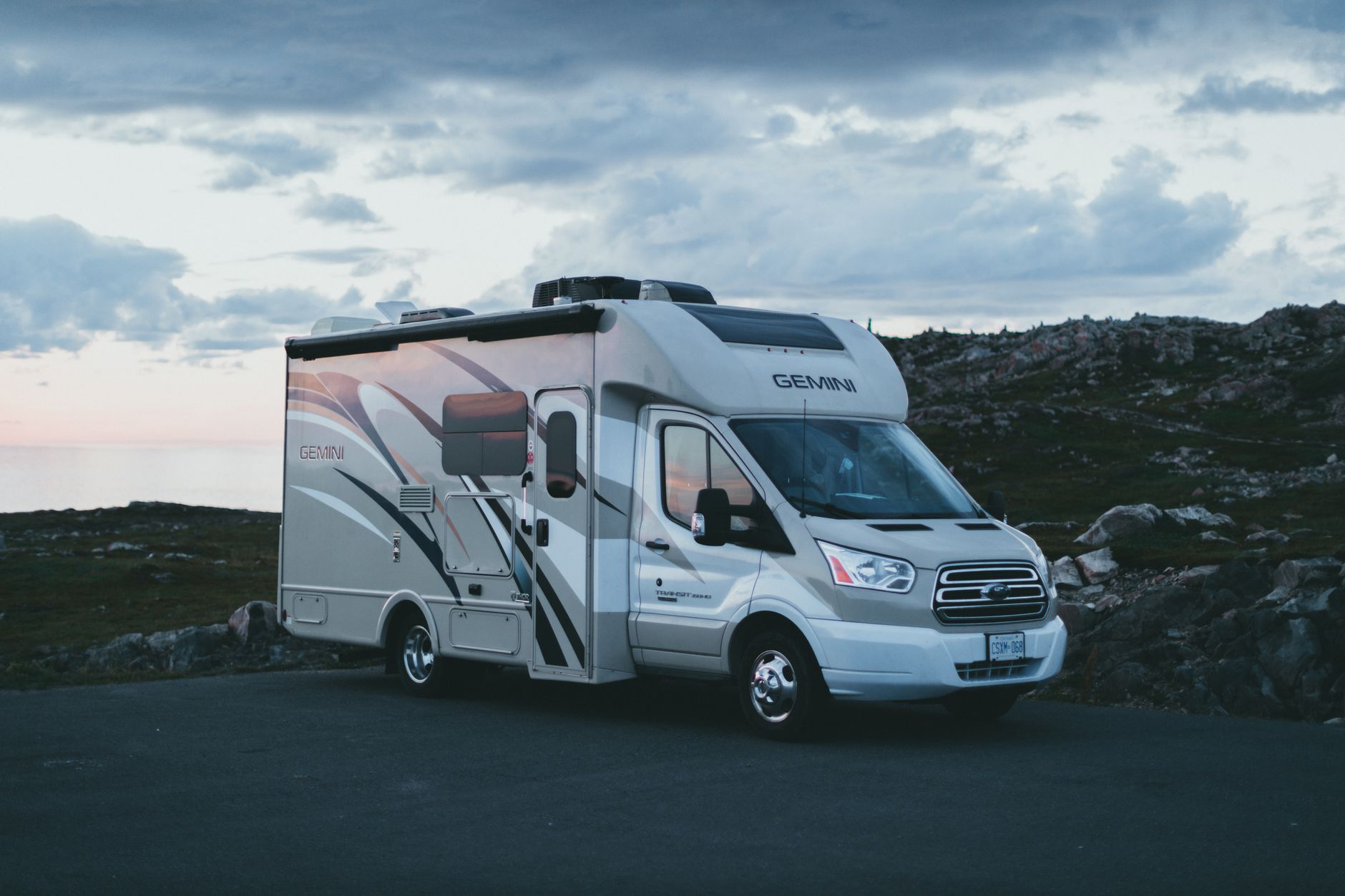
The cargo body is stripped for volume, and that makes it the cleaner choice for tools, parcels, and commercial shelving. Ford Transit cargo van dimensions favor open space, wide access, and payload use over cabin comfort.
Passenger versions move the balance the other way. They add seating, trim, and entry space, so the van works for shuttle duty, group transport, or large families that need a lot of interior room.
Cargo Vans Prioritize Open Load Space
A Transit Cargo Van gives you a blanker rear area, which is useful for racks, partitions, and tiedown points. The flat load floor makes it easier to secure equipment without working around extra seats.
Payload capacity matters here. The van can carry a lot, but the total allowable weight still depends on the exact trim, axle setup, and powertrain, so cargo volume alone never tells the whole story.
Passenger Vans Prioritize Seating And Access
The Transit Passenger Van shifts dimensions toward people, not freight. The seats change the usable shape of the cabin, and the door openings need to support faster entry and exit for a group.
That layout makes sense for shuttle routes, church transport, team travel, and family use. The tradeoff is clear, because every row of seating takes space that a cargo-focused layout would leave open.
Configuration Choices That Matter Most
Wheelbase, roof height, and body length matter more than trim badges. A Medium Roof with a longer wheelbase can fit one job neatly, while a High Roof with the same wheelbase can work better for standing work inside the van.
For a work van, start with load area and parking. For a shuttle, start with seating count and door access. That simple order keeps the spec sheet tied to your real use instead of to a brochure name. The same method helps when you narrow the choice to the right size for your space.
Practical needs usually settle the question, since payload, seating, and storage all compete for the same space.
Choosing The Right Transit Size For Your Use
Ford Transit van size should match the space where the van lives, not just the job it does. A driveway with a short apron, a shop lot with low beams, or a job site with tight turns can rule out a body that looks fine on paper.
A practical comparison starts with wheelbase, then moves to roof height, then checks overall length. That sequence tells you whether the van will fit at home, move cleanly at work, and still leave enough room for loading doors and rear swing.
Match The Van To Your Parking Space
Measure the full parking route, not just the final spot. A garage door that clears a tall Transit may still fail because of slope, trim, or a hanging opener rail near the ceiling.
- Check the height path – Measure the door, the apron, and any low beams along the route.
- Measure the turning room – Long bodies need more swing space in driveways and lots.
- Leave rear clearance – Tail swing and door opening space matter for cargo access.
- Match wheelbase to streets – Shorter wheelbases help in dense parking and tight turns.
- Plan for interior use – Standing room matters more than exterior height for mobile work.
Choose By Hauling Or Passenger Need
A cargo-first setup suits shelving, packages, and trade tools, while a passenger-first setup suits seats, legroom, and aisle access. Ford Transit van dimensions make both jobs possible, but not in the same body shape.
Concrete examples help here. A plumber may prefer a High Roof Cargo Van with a long load area, a shuttle operator may want a passenger body with easier entry, and a contractor with a low garage may need a shorter, lower Transit that clears the opening without drama.
Use The Specification Sheet Before You Buy
Ford Transit wheelbase and height data belong on the spec sheet before anything else. That sheet tells you overall length, overall height, interior width, and the body style that fits your route or workspace.
Ford Transit van dimensions change enough that a guess can waste a lot of time. The right combination gives you parking access, usable cargo volume, and a van that fits the way you work instead of forcing your routine around the vehicle. That leaves the core takeaway simple and practical.
All of that points to one simple rule: choose the van that matches your work, not the other way around.
What To Remember
The Transit is big because it is meant to be flexible, and that flexibility starts with wheelbase, roof height, and body length. Get those three numbers right and the van fits your garage, your street, and your daily load without forcing awkward compromises.
FAQ
How big is a Ford Transit van?
It is a full-size van with a wide spread of body styles, so size depends on the exact setup. Shorter versions stay easier to park, while longer versions can run past 20 feet overall.
What are the dimensions of a Ford Transit van?
Wheelbase, roof height, body length, trim, model year, and market all cause these van measurements to vary. The usual choices include low-roof, Medium Roof, and High Roof versions, each with a different footprint.
How much cargo space does a Ford Transit have?
Ford Transit interior cargo space depends on the body style and roof height. Cargo models give you the most open load area, while passenger models trade some of that room for seats and access.
What is the height of a Ford Transit van?
Height changes with the roof choice, from low-roof versions to High Roof models that give many adults enough standing room inside. The exact overall height also shifts with trim and market.
Will a Ford Transit fit in a garage?
Some will, and some will not. A low-roof or shorter Transit has a better chance, but you still need to measure door height, ceiling depth, floor slope, and rear clearance before you rely on a fit.