
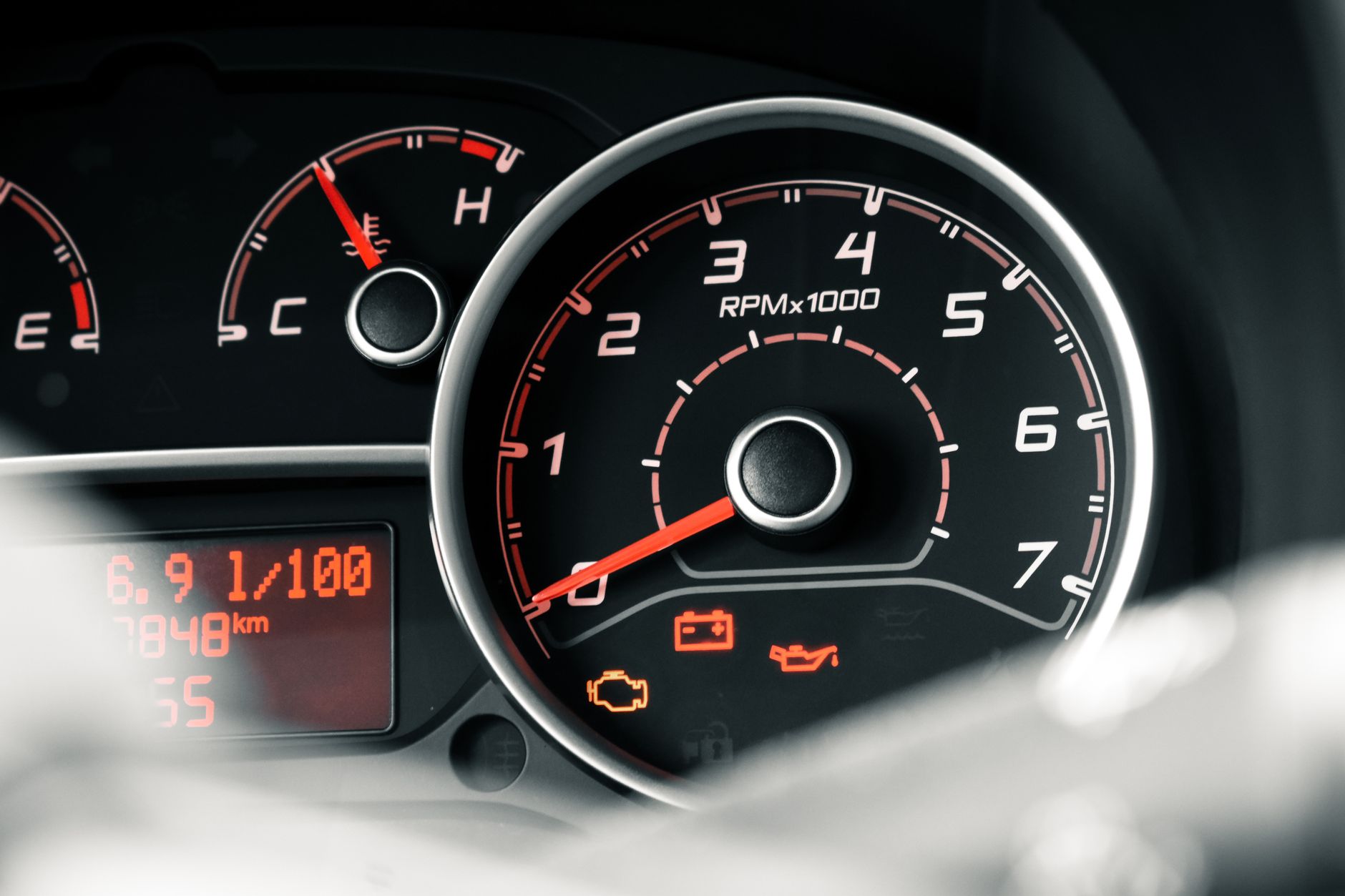

Bad mass air flow sensor symptoms usually mean the engine is getting the wrong air measurement, which throws off fuel delivery and causes rough idle, stalling, weak acceleration, hard starting, and poor mileage. A truck that bucks at a stoplight or a sedan that cranks twice before firing can point to the same small sensor.
This overview covers the signs, codes, and checks that help separate a Mass Air Flow sensor issue from a leak, dirty intake, or wiring fault when the engine starts acting strange.
The First Drivability Clues
At a red light, rough idle is often the first clue that airflow data has gone off track. The engine control unit uses that signal to shape the air-fuel mixture, so a bad reading can make the idle hunt up and down or feel like the engine wants to quit.
Stalling at cold start or during the last few feet before a stop can follow the same pattern. A weak sensor signal skews fuel delivery just enough to upset combustion, and bad mass air flow sensor symptoms can show up before any code lights the dash.
Uneven Idle at Stoplights
Idle quality changes fast because the engine is running in a narrow fuel window at low speed. A dirty sensing wire or film element can misread intake air, and that small error turns into a shaking steering wheel, a wavering tachometer, or a stumble that feels like a miss.
Cold weather can make the problem stand out. Dense air carries more oxygen, so a sensor that reads low can leave the engine lean at startup, while a sensor that reads high can send too much fuel and flood the mixture.
Stalling During Warm-Up or Stops
During the first few miles, a drifting sensor signal can make the engine quit as heat and airflow change. The engine may catch, run for a moment, then die as the computer chases a bad input.
Hard starting often lives in the same neighborhood. You may hear extended cranking because the ECU is guessing at the fuel pulse width instead of getting a clean airflow count, and that guess can be off by enough to delay ignition.
What the Signal Is Doing
The Mass Air Flow sensor sits in the intake tract and measures the amount of air entering the engine. Hot-wire sensors, common on many Ford and Toyota models, use the cooling effect of incoming air on a heated element, and that cooling changes electrical resistance.
Because the signal is electrical, contamination matters. A thin film of oil from an over-oiled air filter, dust from a torn intake boot, or residue from a dirty air filter can change the reading without breaking the part outright. That sets up the next set of symptoms, which show up most clearly under load.
That kind of hidden restriction often shows up first when the engine has to work harder.
Power Loss That Shows Up Under Load
Road load exposes weak airflow data fast because acceleration needs a richer mixture and a quick throttle response. A sensor that lags or misreads can make the engine feel lazy right when you merge, climb a grade, or pull away from a stop.
Poor acceleration is one of the most common mass air flow sensor symptoms, and it can feel almost like a transmission problem at first. The difference is simple: the transmission shifts, but the engine never gives you the pull you asked for.
Hesitation During Acceleration
A flat spot when you press the pedal hard points to delayed fuel delivery. The computer sees less air than it should, trims fuel too lean, and the engine hesitates before it finally catches up.
That lag can be brief, like a half-second pause entering traffic, or long enough to make a highway merge feel strained. A healthy sensor sends a fast, smooth signal; a failing one makes the throttle feel soft and disconnected.
Sluggish Throttle Response
A quick stab of the pedal should produce an immediate engine change because the ECU adjusts fuel in near real time. A bad sensor blunts that response, so the engine sounds busy without matching the pedal.
A worn spark plug set or low fuel pressure can mimic the same complaint, which is why the symptom alone does not settle the diagnosis. The sensor still stays high on the list when the sluggishness comes with rough idle, stalling, or a check engine light MAF sensor code.
Weak Pull in Normal Driving
Not every failure shows up as a dramatic miss. Some cars simply feel underfed, with slow passing power, poor hill climbing, and a need for more pedal than usual.
One common example is a pickup that feels fine empty but labors with a trailer attached. Another is a commuter car that reaches speed, then needs a longer stretch to get from 45 mph to 65 mph than it used to. That softer pull leads straight into unstable running at steady speeds.
When power fades under throttle, steady cruising can start feeling uneven as well.
Unstable Running at Different Speeds
Airflow errors do not stay in one rpm band. As the engine load changes, the signal can swing too high or too low, and the result is a surge, a sputter, or a rhythm that changes for no clear reason.
That pattern matters because a clogged injector or bad coil tends to misbehave in a narrower way. A failing MAF sensor can act like a moving target, which makes the car feel fine for a mile and rough the next.
Surging at Steady Cruise
A surge happens when fuel trims chase the wrong airflow number and overshoot, then pull back. The car speeds up, then eases off, even though your foot stays steady.
That seesaw effect is common at light throttle on the highway, where the sensor signal is tiny and every error carries more weight. The engine is not getting a stable air-fuel mixture, so smooth cruise turns into a gentle lurch.
Sputtering at Light Throttle
Small gaps in the signal often show up first during light throttle driving, while full-throttle runs can hide them. A sputter at 30 mph or 40 mph, especially on level ground, often means the airflow reading is drifting rather than failing all at once.
OBD-II scan data helps here because grams-per-second readings should rise in a clean line as rpm climbs. A wild jump, a flat spot, or a value that makes no sense for engine load points toward sensor trouble or an intake leak.
Keep the symptom log simple. A note that says “surge at 35 mph, warm engine, light throttle” helps far more than a vague complaint when you compare scan data later.
Why Speed Changes Matter
On the highway, shifting air density, throttle angle, and engine vacuum can all change at once as speed rises. The sensor has to stay believable across those shifts, and bad mass air flow sensor symptoms often appear where that demand is hardest.
An engine misfire can join the picture too, especially when the mixture drifts lean enough to upset combustion. Once that pattern starts, fuel use and exhaust clues usually appear next.
As combustion slips out of balance, the exhaust and fuel bill begin telling the story.
Fuel Mixture Problems You Can See and Smell
Black exhaust smoke is the clue most people notice from a distance. It points to too much fuel for the air entering the cylinders, and that rich condition often comes from a MAF reading that is too high or contaminated.
Reduced fuel economy is the quieter sign. The engine wastes fuel trying to correct a false signal, and that extra burn shows up at the pump before it shows up on a scanner.
Black Smoke and Soot
Heavy dark exhaust from the tailpipe usually points to an engine that is running rich. On gasoline engines, excess fuel can leave carbon at the tailpipe, on the plugs, and inside the combustion chamber.
A strong fuel smell at the exhaust or a soot ring around the tailpipe makes the case stronger. Those signs can also appear with leaking injectors, but a bad sensor often adds rough idle and hesitation to the mix.
Poor Fuel Economy
More trips to the pump happen because the ECU keeps correcting a bad air measurement. A sensor that underreports airflow can make the engine run lean, then the computer adds fuel, and the long-term trim can wander until mileage suffers.
That effect matters on daily driving, not just on long road trips. A commuter that loses 2 to 4 mpg over a few tanks can point to a problem that was hiding behind ordinary traffic and short trips.
What Rich Running Leaves Behind
Sticky carbon deposits can build on the sensor body, spark plugs, and oxygen sensor tips when the engine runs rich. That carbon changes exhaust chemistry and can make the O2 sensors work harder, which adds noise to the diagnostic picture.
Because of that, cleaning the sensing element without checking the rest of the intake path is only half a fix. The intake tract can still leak or carry debris, and that keeps the airflow signal unstable.
Those symptoms often point back to airflow faults that trigger the dashboard warning.
Warning Lights And Diagnostic Codes

The check engine light often arrives after the driving complaints, not before them. A scan tool then turns the symptom into a specific diagnostic trouble code, which is where P0100, P0101, and P0102 start to matter.
Those codes do not always mean the sensor itself has failed, but they do tell you the ECU sees a signal problem. That is useful because a wiring fault, air leak, or contamination issue can mimic a bad sensor just as well as a worn part can.
Codes That Point Toward Airflow Trouble
P0100 signals a general Mass Air Flow circuit issue, while P0101 points to range or performance, and P0102 points to a low input. Each one frames the fault a little differently.
Scan data from a good OBD-II tool should rise with rpm and load in a way that matches the engine size. A 2.0-liter four-cylinder at idle will show a very different airflow number than a 5.4-liter V8, so the engine needs to be the reference point.
What the Data Should Look Like
Stable numbers matter more than flashy peaks. A signal that bounces, sticks, or reads far outside normal airflow for the rpm can send you toward the sensor, the connector, or the intake boot.
Toyota and Ford both use sensor strategies that can differ by year and engine family, so service information matters. The part may be called a Mass Air Flow sensor in one manual and a MAF sensor in another, but the symptom pattern is still the same: the engine is reacting to a bad signal.
How the Light Fits the Symptom Pattern
A check engine light MAF sensor code paired with rough idle or poor acceleration is more persuasive than the light alone. A code by itself can follow a loose clamp or a cracked hose, and that is why the code should guide, not replace, a physical check.
Once the electronics speak, the intake hardware gets the last word. That makes the inspection step the place where a lot of false part swaps get avoided.
Even with a code stored, the quickest answer usually comes from inspecting the sensor setup itself.
Checking The Sensor Before Replacing It
Loose clamps and air leaks can imitate bad mass air flow sensor symptoms almost perfectly. A split intake boot after the sensor lets unmetered air enter the engine, so the ECU fuels the wrong amount even though the sensor itself may still be fine.
A quick visual check can save the expense of a part swap that never needed to happen. The sensor body, connector pins, air filter housing, and ductwork all deserve attention before you spend time or money on replacement.
Inspect The Intake Tract
Look for dust tracks, torn rubber, missing clamps, and gaps between the air box and throttle body. A dirty air filter can choke flow, while a leak downstream of the sensor can confuse the mixture calculation in the opposite direction.
Small leaks matter because the ECU only sees metered air. That is why a crack the width of a pencil can cause a stumble, even though the engine still sounds close to normal.
Check For Sensor Contamination
Oil film on the sensing element is a common culprit, especially after an oiled aftermarket filter has been over-serviced. The film insulates the hot wire or hot film, and that changes the cooling rate the sensor uses to judge airflow.
Dust, moisture, and road grime can do similar harm. A contaminated sensor can underreport intake air, overreport it, or simply become erratic enough that the engine control unit cannot settle on a steady fuel trim.
Compare Replacement Cost With The Real Cause
MAF sensor replacement cost varies by vehicle, and that range is wide enough that cleaning and testing deserve a look first. A scan tool, a careful wiring check, and a smoke test for leaks can point to the real fault faster than guessing.
Cleaning helps only when contamination is the issue. A broken connector, corroded ground, or damaged harness will keep the fault alive after a new sensor goes in, so the better move is to verify the signal path before parts shopping.
A clean signal path matters more than a fresh part when the fault keeps returning.
Rinse the air box, not the sensor element. The part itself needs a proper electronics-safe cleaner and a light touch, because scraping the wire can ruin the reading outright.
What To Do With The Clues You Have
A bad sensor seldom leaves just one clue behind. The more symptoms that stack together, the stronger the case gets, especially when rough idle, hesitation, poor economy, and a code all show up in the same week.
The smartest next step is to match the symptom with a simple check, not a guess. That order keeps you from replacing a useful sensor while the actual problem stays in the intake hose or wiring.
- Check the air path: Inspect the filter box, ducting, and clamps for cracks or loose joints.
- Read the codes: Scan for P0100, P0101, or P0102 and record freeze-frame data.
- Watch live data: Compare airflow readings with idle, revs, and road load.
- Inspect contamination: Look for dust, oil film, or debris on the sensing element.
- Verify wiring: Check the connector for corrosion, bent pins, or broken insulation.
That short checklist gives you a clean path through the confusion that it create. It also helps separate a real sensor fault from a dirty intake, a vacuum leak, or a harness problem that can sound the same from behind the wheel.
That checklist helps separate a true sensor failure from lookalike intake and wiring problems.
Wrap Up
The key clue is the pattern, not a single symptom. Rough idle, stalling, hesitation, surging, black smoke, and poor mileage point toward the same airflow problem when they travel together, and the fastest fix starts with the intake path before the sensor itself.
FAQ
What are the symptoms of a bad mass air flow sensor?
You may see rough idle, stalling, hard starting, hesitation, surging, black exhaust smoke, poor fuel economy, and a check engine light. The pattern matters because a single symptom can come from another part, but several together point more strongly toward the sensor or its circuit.
Can you drive with a bad MAF sensor?
You can move the vehicle short-term, but the engine may run rich, lean, or stall at the wrong time. That can make merging, idling, and cold starts unpredictable, so the risk is drivability, not just fuel use.
How do you test a mass air flow sensor?
You start with a scan tool, live data, and a visual check of the intake tract and connector. A smoke test for leaks, a wiring check, and a comparison of airflow readings against engine speed give you a clearer answer than guesswork alone.
What causes a MAF sensor to fail?
Sensor contamination, dirt from a dirty air filter, oil from an over-oiled intake filter, vibration, heat, and wiring faults can all cause trouble. A leak after the sensor can also make the signal look bad even when the part still works.
Will cleaning a MAF sensor fix the problem?
Cleaning helps only when contamination is the issue. A damaged wire, cracked intake boot, or corroded connector will keep the symptom alive, so cleaning is a good check, not a blanket fix.