
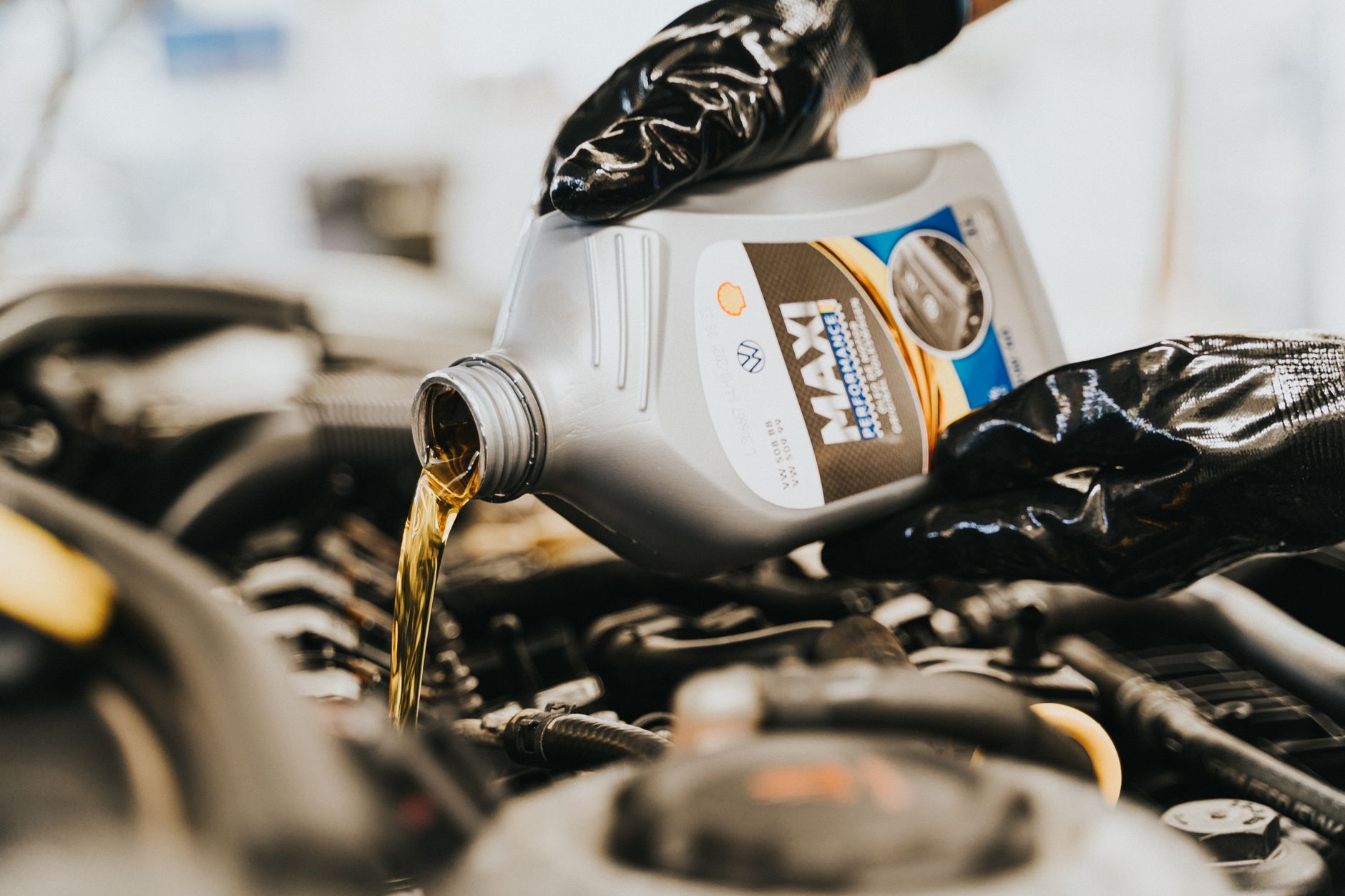

At freezing temperatures, a low-viscosity full synthetic rushes through tight passages at startup and still shields modern engines once they reach operating temperature. It fits newer cars, hybrids, and cold-weather driving because it reduces drag without giving up the film strength modern engines need.
Here’s a practical look at bottles for commuting, high-mileage engines, turbo use, and Toyota applications, so the choice matches the manual and the way the car is actually driven.
What 0W-20 Brings To Daily Driving
A cold engine needs oil moving fast, not oil sitting like syrup. The 0W rating means the oil pumps more easily in low temperatures, while the 20-weight part keeps viscosity low enough for modern tight tolerances and fuel economy targets.
Cold Starts And Fast Flow
Wear rises at startup because the oil film is still spreading through passages, lifters, and cam lobes. A 0W oil reaches those parts faster than thicker grades, which helps during a Chicago January morning or any short-trip routine that never lets the engine warm fully.
Mobil 1 and similar full synthetic formulas use synthetic base oil that stays fluid at lower temperatures than many conventional blends. That flow advantage matters most in the first minute, before pressure and splash lubrication fully stabilize.
Why Automakers Specify It
Many newer gasoline engines use narrower oil galleries, tighter bearing clearances, and variable valve timing systems that respond well to lower-viscosity oil. Toyota, Honda, and other manufacturers often factory-fill or specify SAE 0W-20 because it supports fuel economy without giving up the wear control these engines were designed around.
The tradeoff is simple: your manual matters more than brand loyalty. Engine calibration, oil pump design, and ring pack shape all point toward a specific viscosity window. That leads straight into the standards that separate a serious bottle from shelf filler.
That same engineering logic is what separates a credible oil spec from clever packaging.
The Standards That Separate Serious Oils From Marketing
API SP and ILSAC GF-6 are the labels that tell you the oil has passed modern protection targets for deposit control, timing-chain wear, and low-speed pre-ignition concerns in turbocharged gasoline engines. Those labels give you a cleaner filter than packaging claims alone.
API SP And ILSAC GF-6 Matter
API SP is the current gasoline engine category from the American Petroleum Institute. It focuses on better oxidation resistance, cleaner pistons, and better defense against LSPI, a damaging pressure spike that can affect small turbo engines running low-speed, high-load conditions.
ILSAC GF-6 adds fuel-economy requirements and timing-chain wear control. That matters because chain stretch changes cam timing and can trigger noise or performance loss long before a driver sees a warning light.
Look for both API SP and ILSAC GF-6 on the label, then check your owner manual for any extra factory approval. That sequence cuts out a lot of guesswork.
Manufacturer Approvals As The Tie Breaker
Some engines call for a specific approval from Toyota, General Motors, Ford, or another automaker. Those approvals can matter more than a generic industry label because they tie the oil to a named engine family, drain interval, and test sequence.
That is why a bottle can carry the right viscosity and still miss the mark for your car. Once the spec side is clear, the real question becomes which formulas hold up best in day-to-day use.
With the spec questions settled, attention turns to which blends actually perform when driven every day.
Seven Oils That Stand Out In Real-World Use
The bottles below have strong reputations, broad store availability, and enough formulation detail to matter in actual driving. Each one fits a different need, from all-around commuting to high-mileage engines and harder service.
| Oil | Why It Stands Out | Best Use |
|---|---|---|
| Mobil 1 Extended Performance | Known for strong oxidation resistance and clean-running deposits | Long highway intervals and mixed commuting |
| Castrol Edge | Built around high-temperature stability under load | Turbo cars and hot climates |
| Valvoline Advanced Full Synthetic | Balanced additive package with easy shelf access | Daily drivers and value-minded upkeep |
| Pennzoil Platinum | Made from natural gas based synthetic base oil, which helps cleanliness | Engines prone to sludge or short trips |
| Royal Purple High Performance | Strong film behavior for loaded driving | Towing, spirited use, and hotter operation |
| Quaker State Ultimate Protection | Reliable detergent package and broad compatibility | Everyday service in mixed weather |
| Valvoline High Mileage Full Synthetic | Seal conditioners and wear-focused formulation for aging engines | Engines with higher miles and light seepage |
All-Around Picks For Daily Commuting
Mobil 1 and Pennzoil Platinum sit near the top for mixed driving because they hold viscosity well and keep deposits under control. Pennzoil’s gas-to-liquid synthetic base oil gives it a cleaner starting point than many conventional refinery streams, which is one reason it has a strong reputation in stop-and-go use.
Valvoline Advanced Full Synthetic and Quaker State Ultimate Protection make sense for a driver who wants a dependable bottle without chasing a specialty label. You get solid API SP and ILSAC GF-6 coverage, and the oil change interval can stay aligned with the vehicle manual instead of the package slogan.
High-Mileage And Harder-Use Options
Valvoline High Mileage Full Synthetic is a smart pick for a worn engine with 90,000 miles, a slight rear main seep, or a valve cover that leaves faint oil marks. The seal conditioners and deposit control package help old engines stay cleaner without jumping to a thicker viscosity.
Castrol Edge and Royal Purple suit harder use better than a generic commuter fill. Castrol’s focus on high-temperature stability helps in hot running and turbo heat soak, while Royal Purple earns attention from drivers who spend more time under load or pulling a trailer.
One practical detail matters here: a bottle with a strong brand name still has to match your service spec. That brings the choice back to the engine in your driveway, not the ad copy on the shelf.
Real-world results matter most when the right formula has to fit both the engine and the weather.
Matching The Oil To Your Car And Climate
Your owner manual sets the starting point, and that rule beats brand loyalty every time. A Toyota that calls for 0W-20 can behave differently from a turbocharged Mazda, a hybrid Camry, or a commuter sedan with long interstate runs, so the driving pattern should shape the final pick.
Toyota Hybrids And Commuters
best oil for Toyota 0W-20 engines usually means a bottle carrying the right viscosity plus the manual spec for that model year. Toyota hybrids shut off and restart the engine often, so fast flow at startup and strong deposit control matter more than an aggressive race-style formulation.
For a commuter that racks up short trips, fuel economy and cold-start performance deserve as much attention as wear control. That is why a full synthetic with API SP and ILSAC GF-6 can fit this role so well.
Turbo Engines, Heat, And Heavy Loads
Inside the turbo center section, oil faces brutal heat and rapid shear, so boosted engines break it down faster than naturally aspirated ones. Castrol Edge and Royal Purple tend to make sense here because high-temperature stability helps the oil hold its film after repeated boost runs.
Towing and stop-and-go traffic stress oil in different ways. Towing raises heat, while city traffic invites fuel dilution and short warm-up cycles, so the best oil for 0W-20 synthetic oil use is the one that handles both oxidation resistance and deposit control without drifting outside spec.
Under heat and repeated short trips, synthetic base stocks show why they are worth the extra scrutiny.
Use the manual as the gatekeeper, then match climate and load. A mild-weather sedan and a summer tow vehicle can both run 0W-20, but they do not need the same additive priorities.
Where Full Synthetic Formulas Earn Their Keep

Full synthetic oil resists oxidation better than many conventional oils because its base molecules are more uniform. That uniformity helps the oil stay stable under heat, which slows sludge formation and keeps viscosity from thinning too fast in severe use.
High Temperature Stability And Cleanliness
Oxidation is a chemical reaction with oxygen that thickens oil, darkens it, and forms sticky deposits. In plain terms, heat and air age the oil, and a better synthetic base stock slows that aging so the engine stays cleaner between oil changes.
That matters in engines with small oil sumps and hot rings, where a few thousand extra miles can separate clean varnish from baked-on residue. Mobil 1, Castrol Edge, and Pennzoil Platinum all aim at that problem from slightly different additive and base-oil angles.
When Premium Formulation Beats Shelf Price
A plain bottle can work fine in a mild-duty engine with short change intervals, but a stronger formula earns its keep once heat, turbo pressure, or long highway runs enter the picture. The extra deposit control helps the oil filter, the piston rings, and the timing chain stay cleaner.
Think of it like choosing a tire with the right load rating. The tread may look similar, but the internal structure decides how it behaves under stress, and that is where a serious synthetic earns attention.
A familiar label can hide major differences, which is why the bottle itself deserves a closer look.
Picking The Right Bottle Without Overthinking It
The label tells you more than the color of the bottle ever will. Viscosity, API SP, ILSAC GF-6, manufacturer approval, mileage claims, and service interval language give you enough information to narrow the field in under a minute.
Quick Label Checks That Matter
- Match SAE 0W-20 so the oil fits the engine clearances the manufacturer selected.
- Look for API SP because it signals current gasoline-engine protection.
- Look for ILSAC GF-6 because it adds fuel-economy and wear targets.
- Check factory approval for brands and engines that call for a named spec.
- Use mileage claims carefully because a high-mileage blend suits wear better than a new-engine formula.
The wrong viscosity can cut fuel economy and reduce oil film control, especially in engines built for tight oil passages. Too thick can slow flow in cold weather, while too thin can leave less margin under heat and load.
For a newer Toyota commuter, a mainstream full synthetic with the right spec is usually the cleanest fit. For a turbo car or a high-mileage engine, Castrol Edge, Royal Purple, or Valvoline High Mileage Full Synthetic may fit the job better, and the best 0W-20 synthetic oil for your driveway is the one that matches the manual, the climate, and the load you actually carry.
When the choices are narrowed properly, the simplest pick is usually the safest one.
Wrap Up
The smartest choice is rarely the flashiest bottle. Matching SAE 0W-20, API SP, ILSAC GF-6, and any factory approval to the engine in front of you, then adjusting for heat, mileage, and driving style, delivers better results. That combination protects the engine while keeping cold starts and fuel use in the range your car was designed for.
FAQ
What does 0W-20 mean on engine oil?
0W-20 describes the oil’s viscosity grade. The 0W part shows how it flows in cold weather, and the 20 shows its operating viscosity once the engine reaches temperature.
What is the best 0W-20 synthetic oil for my car?
The right bottle is the one that matches your owner manual, API SP or ILSAC GF-6, and any factory approval your engine asks for. Mobil 1, Pennzoil Platinum, Castrol Edge, and Valvoline all fit different driving needs.
Is 0W-20 synthetic oil good for high-mileage engines?
Yes, as long as the engine manual allows it and the bottle fits your wear pattern. A high-mileage 0W-20 synthetic oil with seal conditioners can suit engines with seepage, oil use, or long service history.
How often should you change 0W-20 synthetic oil?
Your manual sets the interval, and driving conditions can shorten it. Short trips, towing, and heavy stop-and-go traffic age the oil faster than steady highway use.
Can I use 0W-20 instead of 5W-20?
Only when the owner manual allows 0W-20. The two grades are close in warm viscosity, but the cold-flow behavior differs, so the engine spec should make the call.
Which 0W-20 synthetic motor oil brands work well for Toyota engines?
Mobil 1, Pennzoil Platinum, Valvoline, and Toyota Genuine Motor Oil are common fits for Toyota engines that call for SAE 0W-20, provided the label shows the required approvals. The manual still decides the final fit.