
The American Standard: The Lincoln Continental’s Journey from Presidential Flagship to a Symbol of Lost Luxury

Let’s be real – in a world of aggressive German sport sedans and minimalist Japanese luxury, the Lincoln Continental stands as a monument to when luxury meant comfort above all else. This isn’t just a sedan – it’s the automotive equivalent of a fine whiskey in a world of energy drinks. If the Cadillac CT6 is the sharp executive and the Genesis G90 is the value proposition, the Continental is the gentleman who still opens doors and remembers your name.
From Presidential Limousine to Modern Luxury
The Continental nameplate dates back to 1939 when Edsel Ford decided America needed its own answer to European luxury cars. While Mercedes-Benz was perfecting engineering and BMW was chasing driving dynamics, Lincoln was remembering that some people value serenity over sportiness. The modern Continental represents what happens when American luxury rediscovers its identity in a world dominated by German performance.
Lincoln Continental Power & Specifications
| Specification | Details | What It Actually Means |
|---|---|---|
| Engine Options | 2.7L V6 / 3.0L V6 / 3.7L V6 | From “adequate” to “surprisingly quick” |
| Horsepower | 305 hp / 400 hp / 335 hp | Enough power for dignified acceleration |
| Torque | 280 lb-ft / 400 lb-ft / 280 lb-ft | Smooth, effortless power delivery |
| 0-60 mph | 6.5s / 5.5s / 6.8s | Quick enough to merge with confidence |
| Fuel Economy | 20 MPG combined (3.0L) | Respectable for a luxury sedan |
| Transmission | 6-speed automatic | Shifts so smoothly they’re nearly imperceptible |
| Wheelbase | 117.9 inches | Limousine-like proportions |
| Special Feature | 30-way Perfect Position seats | The ultimate in seating customization |
Design & Presence: Understated Elegance
The Continental doesn’t scream for attention – it commands respect through subtle details. That elegant grille, the clean lines, the suicide doors on coach door editions – it’s luxury that doesn’t need to try too hard. While the Audi A6 shouts its technology and the Lexus ES embraces angular styling, the Continental whispers sophistication through timeless American design cues.
Driving Experience: Serenity Above All
Behind the wheel, the Continental prioritizes comfort in a way few modern luxury cars do. The ride is sublime, soaking up imperfections that would upset German rivals. The cabin is library-quiet, with acoustic glass and active noise cancellation creating an oasis of calm. This isn’t a sports sedan – it’s a rolling sanctuary designed for arriving relaxed.
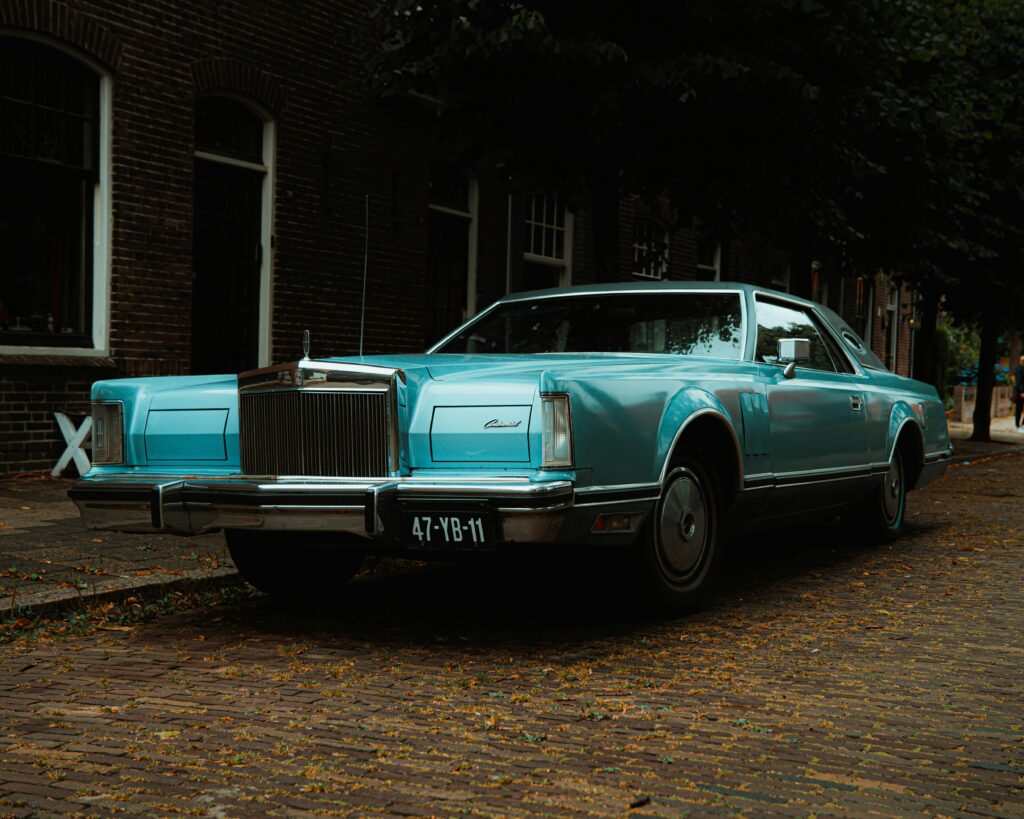
Lincoln Continental Pros & Cons: The Unfiltered Truth
PROS:
- Ride Quality: Arguably the best in its class
- Interior Comfort: Incredible seats and spacious cabin
- Quietness: Near-silent at highway speeds
- Styling: Elegant and distinctive American design
- Technology: User-friendly and comprehensive
- Value: Well-equipped for the price
CONS:
- Driving Dynamics: Not for enthusiasts
- Fuel Economy: Not class-leading
- Brand Perception: Lincoln still playing catch-up
- Infotainment: Good but not class-best
- Resale Value: Steeper depreciation than German rivals
- Discontinued: No longer in production after 2020
Continental vs The Competition: The Luxury Sedan Showdown
vs Cadillac CT6:
“The Cadillac CT6 is the sporty alternative – sharper handling, more engaging, more performance-focused. The Continental is the comfort specialist – plusher ride, quieter cabin, more traditional luxury. One is for driving; the other is for being driven.”
vs Genesis G90:
“The Genesis G90 is the value leader – more features for the money, longer warranty, impressive quality. The Continental is the American traditionalist – more distinctive styling, better seats, stronger brand heritage.”
vs Mercedes E-Class:
“The Mercedes E-Class is the all-rounder – better driving dynamics, stronger brand cachet, more advanced technology. The Continental is the comfort specialist – superior ride quality, more spacious, better value.”

Ownership Reality: The Smart Luxury Choice
Financial Analysis:
Originally $45,000-$70,000, now used examples offer incredible value at $25,000-$40,000. Depreciation was steep, making them bargains on the used market. Maintenance costs are reasonable for the class, and Lincoln’s service experience is consistently praised.
Who Actually Bought These:
- Traditional luxury buyers tired of German cars
- People who prioritize comfort over sportiness
- Lincoln loyalists appreciating the brand revival
- Value-conscious luxury shoppers
- Those who appreciate American design heritage
Real-World Verdict: The Ultimate Comfort Machine?
BUY THE CONTINENTAL IF:
- Ride comfort and quietness are your top priorities
- You appreciate elegant, understated American design
- You want maximum luxury for your money
- You prefer serene cruising over sporty driving
- You think luxury should be relaxing, not engaging
CHOOSE SOMETHING ELSE IF:
- You’re a driving enthusiast who loves corners
- Brand prestige and resale value are important
- You want the latest technology and features
- You do mostly short city driving
- Your idea of luxury includes sporty dynamics
Frequently Asked Questions
Q: Is the ride really that good?
A: Yes, it’s exceptional. The Continental prioritizes comfort in a way few modern luxury sedans do.
Q: How’s the real-world fuel economy?
A: The 3.0L averages 19-22 MPG. Not class-leading, but reasonable for a powerful luxury sedan.
Q: Are the 30-way seats worth it?
A: Absolutely – they’re among the best seats in any car at any price point.
Q: What’s maintenance like?
A: Reasonable for a luxury vehicle. Lincoln dealerships typically provide excellent service experiences.
Q: How is the reliability?
A: Generally good, though some early models had electronic gremlins. The powertrains are proven Ford units.
Q: What’s the difference with coach doors?
A: The coach door edition features rear-hinged rear doors for easier entry/exit and maximum presence.
Q: How does it compare to a Navigator?
A: The Lincoln Navigator is the ultimate luxury SUV – more practical, higher seating. The Continental is the sedan alternative – better driving dynamics, more elegant.
Q: What’s the insurance like?
A: Reasonable for the class – typically $1,500-$2,500 annually depending on location and driving record.
Q: Why was it discontinued?
A: The sedan market collapsed in favor of SUVs, making large luxury sedans increasingly niche products.
Q: Would you buy a used one?
A: Absolutely – they represent incredible value on the used market with most of the luxury at half the price.