


You want steady power that fits the way you travel, whether that means a weekend trailer, a boat with a trolling motor, or a home setup that leans on stored energy. The right 12v Rv Battery keeps lights, fans, and small appliances running without turning every trip into a power-management chore.
Some picks favor lithium speed and lighter weight, while others stick with sealed AGM simplicity or larger storage for longer off-grid stretches. The shortlist below helps you match battery size, monitoring, and chemistry to the way you actually camp and charge.
Quick Look At Our Top Picks

dumfume 12V 150Ah Max Lithium LiFePO4 Battery

ECO-WORTHY 12V 100Ah LiFePO4 Lithium Battery with Bluetooth
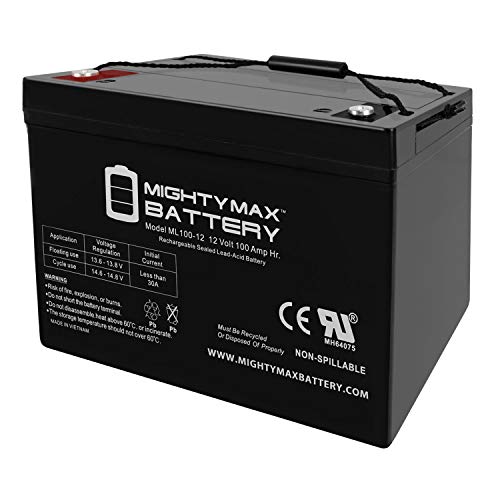
Mighty Max Battery ML100-12 12 Volt 100 AH AGM Battery

Litime 12V 100Ah LiFePO4 Battery, Group 27 Bluetooth

WEIZE 12V 100Ah Deep Cycle Battery, Group Size 31

ECO-WORTHY 12V 280Ah Metal Case LiFePO4 Lithium Battery with Bluetooth

Newport 12V50Ah Deep Cycle Heavy-Duty Marine Battery
More Details On Our Top Picks
The dumfume pack leans toward bigger RV systems and longer stretches away from shore power. A 150Ah lithium iron phosphate setup gives you a roomy energy bank, and the IP65 rating points to a sealed case that can handle dust and splashes better than an open, delicate housing.
For campers who keep a fridge, lights, and device charging in rotation, that reserve matters more than flashy extras. The trade-off is simple: it’s a larger battery, so you want the physical space and the charging setup to match before you commit.
Strong Points
- 150Ah capacity gives you more breathing room for overnight loads and longer stays.
- LiFePO4 chemistry usually suits frequent cycling better than older sealed lead-acid styles.
- IP65 protection adds peace of mind in damp storage bays and dusty compartments.
- Built-in 100A BMS, or battery management system, helps the pack manage charge and discharge behavior.
- Works well for solar-backed RV rigs, where storage depth matters more than compact size.
Things To Consider
- The larger format asks for more installation space than the 100Ah Group 27 and Group 31 options here.
- You’ll want a charging system that’s set up for lithium, not just a generic charger from an older rig.
- No Bluetooth or app monitoring is listed, so status checks stay more traditional.
Feature Snapshot
Who It Suits Best
RV owners who want a larger lithium bank for off-grid weekends and solar charging will get the most from this pick.
A Better Fit Elsewhere
Newport Vessels 12V50Ah Deep Cycle Heavy-Duty Marine Battery suits lighter boat setups and smaller power demands better.
This ECO-WORTHY option stands out for the phone-based monitoring angle, which is handy on fishing trips or in an RV storage bay where you’d rather not guess at battery health. Bluetooth 5.1 lets you check voltage, current, and remaining capacity from your phone, and that’s the sort of detail that saves you from surprise shutoffs.
It also supports flexible system building, since the listing calls out 2S4P use and expansion up to 10.24kWh. That makes it more interesting than the simpler dumfume pack for people piecing together a bigger bank, though the app side will feel unnecessary for anyone who just wants a plain battery and moves on.
Highlights
- Bluetooth monitoring gives you a live look at voltage, current, and remaining capacity.
- Group 24 sizing helps it fit many common battery bays without awkward rework.
- Low-temperature protection is useful in shoulder-season camping and cooler storage spaces.
- 2S4P support makes the pack more flexible for modular system planning.
- 100A built-in BMS adds a familiar layer of pack management for everyday use.
Areas To Watch
- The app feature adds value, but it also adds one more thing to learn and keep track of.
- Expansion planning takes a little thought, especially for first-time solar or RV system builders.
- Size fit still matters, since Group 24 compatibility won’t suit every tray or compartment.
Details At A Glance
Who Should Grab It
RV and solar users who like app-based battery checks and future expansion will get the most from this pick.
Look Elsewhere When
Litime 12V 100Ah LiFePO4 Battery, Group 27 Bluetooth suits you better if you want a lithium battery with a larger fit profile and a higher cycle-life claim.
The Mighty Max ML100-12 keeps things plain, which is exactly why some RV setups still lean on AGM. AGM stands for absorbent glass mat, a sealed lead-acid style that handles routine use without the fuss of watering cells or managing vented liquid.
That makes it a sensible fallback for a trailer, backup power cabinet, or compact utility build where simple maintenance matters more than lithium weight savings. The honest read is that it won’t match the lighter feel or deeper cycling habits of the lithium picks above, but it can suit a familiar install path very well.
Best Bits
- Sealed AGM construction keeps day-to-day upkeep straightforward.
- Internal thread terminals help create a secure connection point in a fixed install.
- 100Ah capacity is enough for many basic RV and backup uses.
- Return window and seller support details may matter to shoppers who prefer a more conventional purchase path.
Small Caveats
- AGM is heavier than lithium, so handling and mounting take more effort.
- It gives up some usable capacity and cycle convenience compared with the lithium batteries in this list.
- The listing is spare on modern extras such as Bluetooth or app monitoring.
Core Details
Whose Shelf It Belongs On
Shoppers replacing an older sealed lead-acid battery in a routine RV or backup setup will find this an easy fit.
Where A Sibling Pick Shines
ECO-WORTHY 12V 100Ah LiFePO4 Lithium Battery with Bluetooth suits tech-minded RV users who want app monitoring and lighter lithium handling.
Litime’s Group 27 format is the kind of detail that matters in real RV ownership, because fit often decides the whole upgrade path. Compared with the smaller Group 24 ECO-WORTHY pack, this one gives you a larger footprint while keeping the same 100Ah class and Bluetooth visibility.
The lithium chemistry, 100A BMS, and low-temperature protection make it a strong match for travel trailers and trolling motor use where steady output matters. You may find the cycle-life claim especially attractive for frequent travelers, though the practical win here is still the shape, feature mix, and broad RV fit.
What We Like
- Group 27 sizing helps it fit common RV battery bays more naturally.
- Bluetooth adds convenient status checks without opening the compartment.
- Low-temperature protection supports use in cooler seasonal conditions.
- 100A BMS supports controlled current delivery in everyday operation.
- LiFePO4 construction suits repeated cycling far better than old lead-acid habits.
- The 12V format keeps it familiar for common RV wiring layouts.
Worth Noting
- The feature set is strong, so you’ll want to pay attention to charger compatibility.
- Bluetooth is helpful, though not every setup needs that extra layer.
- Group 27 still needs a proper physical fit, so tray space should be checked before ordering.
Technical Sheet
Made For
RV owners who want a lithium battery with a standard battery-bay fit and app-based checking will get the best use from this one.
Swap It Out When
dumfume 12V 150Ah Max Lithium LiFePO4 Battery makes more sense for longer off-grid trips where storage capacity matters more than compact fit.
The WEIZE pack sits in a useful middle ground for RV, cabin, and off-grid setups that want a familiar 12V deep cycle format. Its Group 31 size points to a common utility battery role, and the 3% self-discharge rate is the sort of detail that matters during storage or seasonal downtime.
Compared with the lithium models above, this pick is more about steady conventional use than feature-heavy monitoring. The trade-off shows up in weight and chemistry, but the straightforward profile makes sense for people who want a single battery that can cover several basic jobs without much drama.
Reasons To Buy
- Group 31 sizing works across many RV and marine battery compartments.
- 3% self-discharge is useful for storage between trips or seasonal use.
- 1150A max discharge current suggests strong burst capability on paper.
- Fits a broad set of uses, from camping cabins to off-grid backup roles.
Points To Note
- The listing gives less detail about modern monitoring, so it stays more traditional.
- Deep cycle lead-style batteries usually need more attention to weight and mounting.
- Shipment and return wording in the listing suggest you should inspect the package carefully on arrival.
At A Glance
Right Fit For
Casual RV and cabin setups that need a dependable all-purpose battery without app features or lithium-specific planning are a strong match here.
Another Choice May Suit
ECO-WORTHY 12V 100Ah LiFePO4 Lithium Battery with Bluetooth is the better fit for shoppers who want live battery monitoring and lighter lithium handling.
For larger off-grid systems, this ECO-WORTHY pack looks built to do more than a standard weekend battery. The 280Ah capacity and 3584Wh energy figure point to serious storage, while the metal case and 200A BMS give it a more industrial feel than the smaller lithium options in this roundup.
Bluetooth and low-temperature protection round out the package, which makes it appealing for cabins, RV banks, and home backup roles where a bigger battery can earn its keep. One thing worth considering is the physical size and weight of any 280Ah class battery, because a large reserve only helps when the compartment and charging gear are ready for it.
Upsides
- Large 280Ah capacity supports longer runtime between charges.
- 3584Wh energy gives you a clearer sense of usable storage for planning.
- Metal case construction feels better suited to fixed installations.
- Bluetooth monitoring helps with routine status checks.
- 200A BMS supports a stronger current ceiling than the smaller 100A packs here.
Softer Spots
- The larger format can be overkill for small trailers or weekend-only use.
- Installation planning matters more here, especially in tight battery compartments.
- Extra capacity also means you’ll want to think carefully about charging time and system setup.
Feature Rundown
Perfect Match For
Off-grid RV owners and cabin users who need a larger lithium bank will benefit most from this battery.
Where Another Pick Suits Better
Litime 12V 100Ah LiFePO4 Battery, Group 27 Bluetooth is the better fit for smaller bays and more modest daily loads.
The Newport marine battery is the smallest-capacity pick here, and that’s exactly why it deserves attention for lightweight boating and simpler trailer setups. A sealed AGM design keeps the maintenance side tame, while the 50Ah size helps trim bulk for carrying, mounting, and routine handling.
Compared with the larger AGM Mighty Max and the lithium choices above, this one is the kind of battery that fits a narrower job. In a small boat with a trolling motor or a compact marine compartment, that restrained size can be a very practical trade-off.
Positives
- 50Ah size keeps the battery manageable for lighter marine setups.
- Sealed AGM construction simplifies routine care.
- Heavy-duty marine build suits trolling motor compatibility.
- Lightweight positioning helps when you’re carrying or swapping batteries often.
Room For Improvement
- The lower capacity leaves less room for long sessions or bigger electrical loads.
- AGM still lacks the lighter weight and deeper-cycle advantages of lithium.
- It’s a fit-focused choice, so larger RV systems will outgrow it quickly.
Feature Card
The Right Fit
Boaters and compact-trailer owners who want a lighter sealed battery with modest storage needs are the best match here.
Reach For A Different Pick When
WEIZE 12V 100Ah Deep Cycle Battery, Group Size 31 works better for shoppers who want more reserve and a broader all-purpose setup.
How To Choose The Right 12v Rv Battery
Start With Your Real Power Load
Your battery choice should start with the gear you actually run, not a wish list. A few LED lights and phone charging calls for a very different setup than a refrigerator, water pump, and fan running through the night.
Ah, or amp-hours, tells you how much storage the battery carries, while Wh, or watt-hours, describes energy more directly. For RV use, that difference matters because one battery can look similar on paper and still behave very differently once you add loads.
Match Chemistry To Your Travel Style
LiFePO4, short for lithium iron phosphate, suits frequent cycling, lighter handling, and modern RV power systems. Sealed AGM is more familiar, usually simpler to install, and often easier to understand for someone stepping up from a basic lead-acid setup.
The trade-off sits in weight, cycle habits, and charging needs. Long-season travelers and off-grid campers usually lean toward lithium, while occasional weekend use can still suit a sealed AGM model very well.
Check Fit, Not Just Capacity
Group 24, Group 27, and Group 31 are size classes, and that label often matters as much as capacity. A battery that stores more energy but does not fit the tray is a headache, not an upgrade.
Also look at terminals, mounting space, and the path for cables. The neatest choice on paper can become the messiest install in a cramped battery bay, especially in older trailers with tight compartments.
Think About Monitoring And Climate
Bluetooth monitoring helps you check state of charge, current, and voltage without opening a compartment. That is useful for people who camp often, use solar, or keep a battery bank hidden in a storage bay.
Low-temperature protection matters in shoulder seasons and colder storage spaces, because lithium batteries tend to be more sensitive than sealed AGM in those conditions. If your trips stretch into chilly mornings, that feature deserves real attention.
What To Weigh Before You Click
Hidden Buying Traps
One common slip-up is focusing on capacity alone and forgetting physical fit. Another is pairing a lithium battery with an old charger that was never meant for it.
Storage habits matter too. A battery that sits through the off-season should match your charging and maintenance routine, or it can become more hassle than help.
The Upgrade Payoff
Higher-tier batteries usually cost more because they add smarter battery management, app monitoring, stronger current handling, or larger storage in a more compact package. Metal cases, low-temperature protection, and higher BMS ratings also push up build complexity.
That extra cost makes the most sense for frequent travelers, solar users, and anyone who depends on a battery bank day after day. For light seasonal use, a simpler sealed AGM can still be the calmer choice.
Frequently Asked Questions
What Size 12v Rv Battery Do You Need?
Your best size depends on how long you stay off-grid and what you power during the day. A small trailer can live comfortably with 50Ah to 100Ah, while larger setups often benefit from more reserve.
Is Lithium Better Than AGM For An RV?
Lithium usually gives you lighter weight, deeper cycling habits, and stronger long-term convenience. AGM still makes sense for simpler installs and for setups where you want a familiar sealed design.
Does Bluetooth Monitoring Matter?
Bluetooth matters most when your battery is tucked away or you like checking status from your phone. It’s less important for very simple systems that only need basic power storage.
What Does A BMS Do?
A BMS is a battery management system that helps control charge and discharge limits. It adds another layer of pack management, which matters in lithium batteries built for regular use.
Can You Use A Marine Battery In An RV?
Yes, a marine battery can work in an RV as long as its size, voltage, and charging needs match the setup. The real question is whether the battery’s storage and cycle style fit your daily load.
Final Verdict
The right 12v Rv Battery comes down to space, chemistry, and how often you live from the battery bank instead of shore power. The lithium picks here suit frequent travel and solar-heavy habits, while the AGM options stay attractive for simpler installs and lighter electrical needs. Match the battery to your bay, your charger, and your travel rhythm, and the rest gets a lot easier.