
Upgrading 6×9 component speakers usually comes down to one thing: you want cleaner vocals, firmer bass, and less strain from the factory system. That matters whether you spend your time in a daily commuter, a work truck, or a weekend car that still needs to sound composed at speed.
The five picks below cover different priorities, from easy factory-style swaps to more ambitious setups with separate tweeters and crossovers. You’ll also see where each one fits best, since a speaker that feels right in a family sedan can be overkill, or underwhelming, in a louder road-going setup.
Quick Look At Our Shortlist
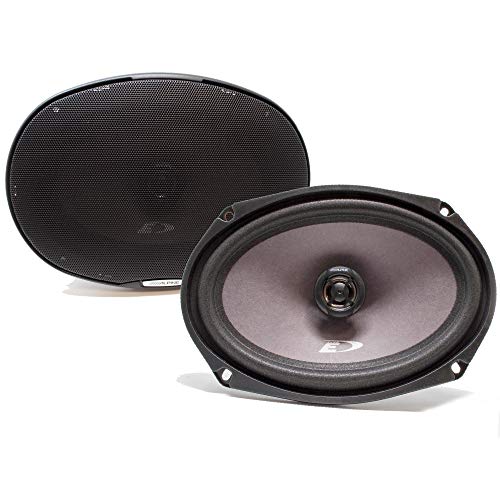
Alpine SXE-6926S 6×9 2-Way Coaxial Speakers
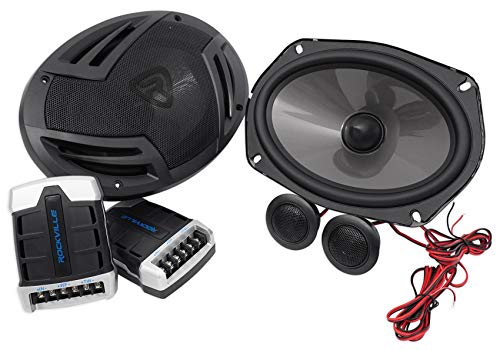
Rockville RV69.2C 6×9 Component Car Speakers

Pioneer A-Series Standard TS-A6961F 6×9 4-Way Coaxial Speakers

JBL CLUB9600C 6×9 Club Series 2-Way Component Car Speaker

Pioneer A-Series Plus TS-A6901C 6×9 2-Way Component Speakers
More Details On Our Top Picks
Alpine keeps this one straightforward, and that’s part of the appeal. A 2-way coaxial design means the main speaker and tweeter share the same frame, so the install path stays simpler than a full split system, which suits a car that needs better sound without extra complexity.
The 45-watt RMS rating points to a sensible match for modest amps or a cleaner head-unit upgrade, while the 280-watt peak figure gives you a little room for spirited listening. The trade-off is that you’re buying comfort and balance first, not the kind of heavy-output attitude that more aggressive setups chase.
What We Like
- 2-way coaxial layout keeps the upgrade more approachable for a stock-style dash or door setup.
- 45-watt RMS support suits many everyday systems without demanding a huge amplifier.
- The 280-watt peak spec leaves room for higher bursts without sounding strained in normal use.
- Good fit for commuters who want clearer voices and a cleaner top end on longer drives.
Room For Improvement
- It’s not built for people chasing very high output or heavy bass emphasis.
- Coaxial design is simpler than a separate tweeter setup, but that also limits placement flexibility.
Feature Snapshot
Who It Suits Best
Daily drivers and first-time upgraders who want a cleaner factory replacement with low fuss.
Where A Sibling Pick Shines
Pioneer A-Series Standard TS-A6961F makes more sense for you if you want a broader feature list and a little more refinement at the same size.
This Rockville set leans harder into output, and you can see that in the parts list. A polypropylene cone is a rigid woofer material that helps keep motion controlled, while the butyl rubber surround adds a flexible edge that supports durability during long listening sessions.
The separate PEI dome tweeters, 2-way crossovers, and OFC voice coils tell you this is built for a more ambitious front stage than Alpine’s coaxial setup. You may find it especially appealing in a louder sedan, coupe, or custom door install where bass weight and tuning flexibility matter more than quick simplicity.
Strong Points
- 1000-watt peak rating gives you substantial output headroom on paper.
- 4-ohm impedance is a common match for many car audio amplifiers.
- Separate tweeters and crossovers support a more layered front sound.
- Polypropylene woofer and butyl surround point toward sensible long-term wear handling.
- OFC voice coils are a practical touch for signal transfer and system build quality.
Softer Spots
- The setup asks for more planning than a simple coaxial pair.
- That higher-output lean can be overkill for a quiet commuter car with no amp upgrade.
- Owners usually need to think more about mounting depth, wiring, and crossover placement.
Core Details
Who Will Love This
Custom installers and louder-music commuters who want a component-style system with more punch and more tuning room.
Another Choice May Suit
Alpine SXE-6926S fits you better if you want a calmer, easier coaxial upgrade with less installation work.
Pioneer’s A-Series Standard feels like the practical middle ground in this group. A 4-way coaxial layout usually spreads the sound work across more drivers than a basic 2-way design, so the presentation can feel more open in a car with decent door mounting and a clean source unit.
The included installation adaptors matter more than they sound, because fitment is where a lot of factory upgrades get annoying. For most everyday setups, that makes this a friendlier path than the Rockville pair, while still offering more apparent detail than Alpine’s simpler two-way approach.
Positives
- 4-way coaxial design gives you a more layered sound arrangement.
- 450-watt max rating leaves reasonable room for upgraded listening levels.
- Installation adaptors help reduce some of the usual fitment friction.
- Works well as a factory replacement for drivers who want clearer mids and cleaner highs.
Points To Note
- Coaxial placement keeps installation easier, but it still won’t offer the same tuning freedom as a split component build.
- You’ll get the most from it in a car with solid mounting and a decent source signal.
Details At A Glance
Best Suited To
Drivers who want a straightforward replacement with a little more polish than a basic entry-level coaxial set.
Look Elsewhere When
JBL CLUB9600C suits you better if you want a more upscale component-style setup with a stronger focus on separation and detail.
JBL brings a more focused component layout here, and that usually appeals to you when vocal clarity matters as much as bass presence. A 2-way component design keeps the tweeter separate from the main driver, so the sound can feel more tailored in a front-door install with room for careful positioning.
That 540-watt peak figure suggests a stronger ceiling than Alpine’s more restrained pair, though real-world payoff still depends on the rest of the system. The honest read is that this suits a more deliberate build, not a quick swap, so the payoff makes more sense in a car audio setup you expect to keep and refine.
Bright Spots
- Separate component layout gives you more freedom with tweeter placement.
- 540-watt peak spec provides a healthy headroom cushion for lively listening.
- Good choice for front-stage clarity in a vehicle that sees long highway stretches.
- Better fit for people who want more precise staging than a basic coaxial pair can offer.
Minor Gripes
- Component installs usually take more time and planning than coaxial swaps.
- The more serious layout may feel like extra work in a simple daily driver.
Technical Sheet
Perfect Match For
Enthusiasts building a front stage that values placement control and a more refined sound field.
Swap It Out When
Pioneer A-Series Plus TS-A6901C makes more sense if you want a simpler route to clearer vocals without stepping into a more involved component install.
This Pioneer Plus set looks tuned for clarity first, with a 2-way component format that should appeal to you in a practical factory replacement. Compared with the standard Pioneer TS-A6961F, it narrows the focus a bit, so the result feels more direct for vocals and treble detail in everyday driving.
The 450-watt max rating keeps it in the same general power neighborhood as the standard Pioneer pick, which makes the choice less about brute force and more about presentation. For a daily car that needs a cleaner top end without a dramatic install headache, that balance is easy to live with.
Best Bits
- 2-way component format gives you a more tailored front-stage setup than a plain coaxial pair.
- 450-watt max rating lines up well with common upgrade paths.
- Clearer vocal focus makes long drives feel less muddy at moderate volume.
- Installation adaptors help simplify the swap in many factory locations.
Areas To Watch
- It still asks for a bit more installation attention than a basic coaxial choice.
- The sound profile favors clarity, so bass-first setups may want a separate subwoofer later.
Spec Overview
Whose Shelf It Belongs On
Commuters and weekend drivers who want a crisp, sensible upgrade without stepping into a more complicated sound build.
Reach For A Different Pick When
Rockville RV69.2C suits you more if you want a louder, more aggressively specified component system with extra tuning depth.
How To Choose The Right 6×9 Component Speakers
Match The Speaker Style To Your Install
Coaxial speakers place the tweeter and woofer in the same frame, so they keep the swap simpler and usually work well for factory replacement jobs. Component speakers separate those parts, which gives you more placement control and often a cleaner front image, but the install takes more planning.
That choice matters more than raw wattage in many cars. Alpine SXE-6926S and Pioneer TS-A6961F are easier paths, while JBL CLUB9600C and Rockville RV69.2C suit more involved builds.
Read Power Ratings With Context
Peak power tells you the upper short-burst figure, while RMS, or continuous power, gives a steadier sense of what the speaker can handle day to day. The RMS number usually helps more when you’re matching an amplifier, especially in a system you want to keep clean at normal volume.
A 45-watt RMS speaker like the Alpine sits in a calmer zone than the Rockville set with its 220-watt RMS rating. That doesn’t make one “better” on its own, it just means the Rockville is aimed at a more serious power path.
Think About Your Car, Not Just The Box
Mounting depth, door space, and access to the tweeter location can change the whole experience. A sedan with solid door panels can handle a more involved component layout, while a compact commuter may reward a cleaner coaxial choice.
The included adaptors in the Pioneer models matter here because fitment problems are where a lot of upgrades lose momentum. That small detail can save time and reduce guesswork during installation.
Balance Clarity, Bass, And Effort
Some sets lean toward sharper highs and vocal detail, while others are built to give you more body and volume. In real driving, that means you should choose by how you listen, not just by the biggest number on the page.
If your music lives in podcasts and talk radio, a calmer coaxial option can be enough. For louder playlists and a more sculpted front stage, a separate tweeter and crossover setup usually earns its keep.
Things Worth Knowing First
Common Shopping Slip Ups
One common miss is focusing on peak power alone and ignoring how the speaker fits your amp or head unit. Another is choosing a component set without enough room for tweeter placement, then running into awkward mounting later.
You’ll also want to avoid treating every 6×9 as interchangeable. The Alpine and Pioneer coaxials are far easier to live with in a straightforward upgrade, while the JBL and Rockville sets ask for more planning.
The Upgrade Payoff
Higher-tier sets usually cost more because they use more separate parts, more careful crossover work, and more refined materials. That extra spending often shows up as better control, cleaner separation, and less strain at higher listening levels.
It makes sense to spend up when you keep vehicles for years, care about front-stage clarity, or already know you want a stronger amplifier path. For a simple commuter refresh, the midrange Pioneer or Alpine choices are often enough.
Frequently Asked Questions
Are 6×9 component speakers hard to install?
They usually take more effort than coaxial speakers because the tweeter and main driver are separate. A car with easy door access and a clear mounting spot makes the job less frustrating.
What’s the difference between coaxial and component 6×9 speakers?
Coaxial speakers keep more of the sound hardware in one assembly, which simplifies the swap. Component speakers separate the tweeter, so you get more placement control and often a more defined front image.
Does RMS matter more than peak power?
RMS gives you a better sense of steady power handling. Peak power still matters, but it’s less useful on its own for day-to-day matching.
Which pick is easiest for a factory upgrade?
Alpine SXE-6926S and Pioneer TS-A6961F are the most approachable choices here. Their coaxial layouts keep the install simpler than the component sets.
Which option suits a louder system build?
Rockville RV69.2C is the most obvious fit for a more ambitious audio setup. JBL CLUB9600C also suits a refined front-stage build where speaker placement matters.