
You want fuller sound without turning your car into a project, and that usually means choosing speakers that fit the factory opening, hold together over daily use, and bring out the low end without muddying vocals. These six 6×9 options cover a wide spread, from easy factory-style swaps to heavier mid-bass picks for drivers who want more punch on the commute or road trip.
Quick Look At The Shortlist
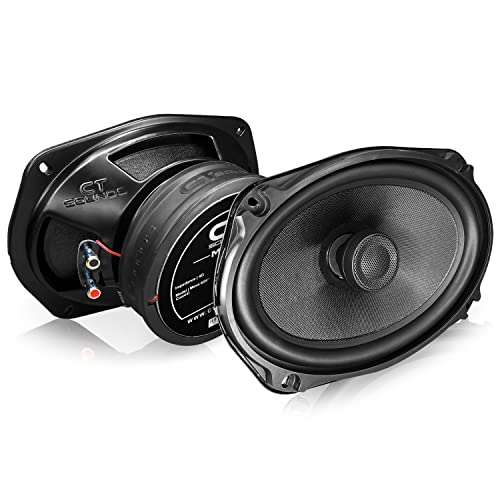
CT Sounds Meso 6×9” 400 Watt 2-Way Premium Coaxial Car Speakers, Pair

BOSS Audio Systems CH6930B 6 x 9 Car Speakers, 400 Watts Per Pair, 3 Way

Pioneer A-Series Plus TS-A6971F 6′ x 9′ 4-Way Coaxial Car Speakers 600W Max

ORION Cobalt CB693 6×9 3-Way Coaxial Car Speakers, 320W Pair

Kenwood KFC-PS6996EX Performance 6×9 INCH 5-Way 700W Car Audio Speakers

Rockville RVL69W 6×9 Competition Cast Aluminum Car Mid-Bass, 2-Pack
More Details On Our Top Picks
CT Sounds keeps this pair focused on the basics that matter in a daily driver, a 2-way coaxial layout that blends the main driver and tweeter into one frame. That usually helps when you want cleaner installation in factory openings, and the trade-off is that it stays more straightforward than the multi-driver options farther down the list.
In a commuter car or family sedan, that kind of tuning can make bass feel fuller without pushing the top end too hard. You may find it especially sensible for someone upgrading from tired stock speakers and wanting a steady step up rather than a showy rewrite.
Strong Points
- Two-way coaxial design keeps installation simple.
- 400-watt pair rating gives the setup room to breathe.
- Good fit for replacing worn factory speakers.
- Should serve daily music and podcasts well.
Things To Consider
- Coaxial tuning tends to favor easy balance over flashy separation.
- The listing stays light on mounting specifics, so a quick fit check helps.
Feature Snapshot
Who It Suits Best
Daily commuters and first-time upgraders who want an easy, sensible 6×9 replacement should feel right at home here.
A Better Fit Elsewhere
Pioneer A-Series Plus TS-A6971F suits you better for a more layered factory-upgrade sound and a little more tuning flexibility.
The three-way layout here adds a dedicated layer to the sound path, so you get a little more separation than the simpler CT Sounds Meso pair. For a work truck, older sedan, or second car, that extra driver count can make everyday playlists sound less flat without asking much from the installation side.
The honest read is that this sort of speaker usually appeals to practical upgrades, not perfection chasing. It’s a sensible middle ground for drivers who want a straightforward 6×9 step-up and don’t need a more specialized mid-bass build.
Best Bits
- Three-way design adds another layer of sound handling.
- 400 watts per pair suits common head unit and amp pairings.
- Good everyday upgrade for older vehicle audio.
Softer Spots
- Three-way layout can still feel less refined than higher-tier models.
- Owners usually want to confirm door depth before ordering.
Details At A Glance
Who Should Grab It
Budget-minded drivers who want an uncomplicated audio refresh with a little extra layering are the best match.
Swap It Out When
Kenwood KFC-PS6996EX fits better for a more ambitious system where added detail matters more than keeping things simple.
Pioneer’s four-way setup pushes sound handling a step beyond the simpler two-way and three-way picks above. That matters because a more divided layout can support smoother treble and a more even handoff across the range, which is exactly what many factory-upgrade shoppers are chasing.
The included installation adaptors also make this one feel more thought-through for real cars, not just idealized mounts. For someone who listens to mixed playlists and wants bass that stays present without crowding the vocals, this is the most rounded choice in the group.
Positives
- Four-way coaxial layout gives the sound more room to separate.
- 600W max rating leaves a stronger ceiling than the first two picks.
- Installation adaptors help the swap feel less fussy.
- Balanced tuning suits long drives and everyday listening.
- Good bridge between factory replacement and a more serious refresh.
Minor Gripes
- The extra driver count may be more than a casual listener needs.
- As with most upgrades here, checking door depth still pays off.
Core Details
Perfect Match For
Drivers replacing factory speakers in a family car or daily commuter should get the most from this set.
Where A Sibling Pick Shines
ORION Cobalt CB693 fits better for a simpler, lower-key upgrade where you want less complexity and a straightforward price-to-sound balance.
This ORION set leans into easy ownership, with grills included and a three-way layout that tries to spread the workload cleanly. In a door location that sees everyday use, that kind of packaging makes sense, especially for someone who wants bass presence without moving into a more specialized build.
Compared with Pioneer’s more layered TS-A6971F, this one feels easier to treat as a practical replacement. The 320W pair rating is modest next to some others here, but for many stock systems that also means the speaker can stay approachable and uncomplicated.
Reasons To Buy
- Three-way structure supports a fuller sound spread.
- Included grills add a practical touch for door installs.
- Works well as a simple step up from factory speakers.
- Durable construction suits regular car use.
Points To Note
- 320W pair rating sits below several other picks here.
- Those wanting the deepest low-end push may look higher up the list.
Quick Facts
Built With In Mind
Casual upgraders who want a sturdy replacement for worn door speakers should feel comfortable starting here.
Another Choice May Suit
CT Sounds Meso 6×9” 400 Watt 2-Way Premium Coaxial Car Speakers, Pair makes more sense for drivers who prefer a simpler two-way path with a bit more power room.
Kenwood moves deeper into layered sound handling with a five-way design, which means the audio work is split across more sections than the Pioneer and ORION picks. That can pay off in a car where you want more texture and a little more polish, though the added complexity usually only makes sense for someone who cares about the whole soundstage.
The 700W rating also gives this set more headroom on paper than the earlier speakers. For a sedan with a decent amplifier or a driver building toward a stronger system, that extra ceiling is the main draw, though the setup asks a bit more from the rest of the chain too.
Upsides
- Five-way design offers more segmented sound handling.
- 700W rating gives the most headroom among the coaxial picks listed.
- Well suited to a more serious audio refresh.
- Can bring more texture to daily music listening.
Room For Improvement
- More layers mean more of a match for committed audio setups.
- May be more speaker than a basic factory replacement needs.
Spec Overview
Whose Shelf It Belongs On
Drivers who want a more committed audio upgrade and already think in terms of system tuning will get the most out of this Kenwood set.
Look Elsewhere When
ORION Cobalt CB693 is the easier match for a simpler install and a less ambitious everyday replacement.
Rockville stands apart because it isn’t really aiming for the same coaxial path as the other five. This is a component-style mid-bass piece, so it makes more sense for a system that already has other drivers handling the upper range and needs a dedicated foundation in the lower registers.
The cast aluminum frame, 2-inch voice coil, double 60-ounce magnet, butyl rubber surround, and non-pressed paper cone tell a very different story from the lighter all-in-one picks above. That combination often appeals to installers who want a tougher physical build and are comfortable matching parts around it.
Highlights
- Mid-bass focus gives your system a more dedicated low-end role.
- Cast aluminum frame adds a sturdy feel.
- 2-inch voice coil suits a more serious build.
- Double 60-ounce magnet points to a more substantial design.
- Butyl rubber surround is a practical durability touch for car use.
Areas To Watch
- As a mid-bass component, it asks for a more complete system plan.
- The 2-pack format and build style make it less casual than the coaxial picks.
- Installation can take more planning than a simple door-speaker swap.
Feature Card
Right Fit For
System builders who want a separate mid-bass piece and know their way around speaker matching will get the most from this Rockville pair.
Reach For A Different Pick When
Pioneer A-Series Plus TS-A6971F is the safer move for a straightforward factory-style upgrade with less planning.
How To Choose The Right 6×9 Speakers With Deep Bass
Start With The Speaker Type
Coaxial speakers put multiple drivers in one basket, which makes them easier to install in stock openings. That’s the comfortable route for most daily drivers, especially when you want fuller bass and clearer highs without rebuilding the door.
Component mid-bass drivers sit in a different lane. They make more sense in a system that already has other speakers handling the upper range, like the Rockville RVL69W above.
Match Power To The Rest Of The System
Power ratings matter, but only as part of the whole chain. A 700W speaker such as the Kenwood KFC-PS6996EX can offer more headroom, yet it still needs the rest of the setup to keep pace.
For a factory head unit or a modest amplifier, a more moderate option often feels easier to live with. That’s why the CT Sounds Meso and BOSS Audio Systems picks make sense for simpler builds.
Look At Driver Count And Tuning
Two-way, three-way, four-way, and five-way labels describe how the sound work gets divided. More ways can mean more separation, but they can also bring more complexity than a casual upgrade needs.
Pioneer’s four-way setup and Kenwood’s five-way design suit listeners who want more layered sound. ORION’s three-way and CT Sounds’ two-way styles are easier to understand and easier to pair with a normal car system.
Think About The Car, Not Just The Box
Door depth, mounting shape, and grille clearance matter in real ownership. A speaker that looks great on paper can still be awkward in a narrow door panel or a truck with shallow space.
That’s why installation adaptors and included grills are worth a close look. They don’t make the speaker sound different by themselves, but they can make the whole upgrade far less fussy.
Things Worth Knowing First
Mistakes Worth Dodging
One common slip is chasing power ratings while ignoring fit. A speaker that doesn’t sit cleanly in the door turns a simple upgrade into a long weekend.
Another easy miss is treating every 6×9 the same. A coaxial all-rounder and a mid-bass component serve different roles, so the right choice depends on how your system is built.
The Case For Spending Up
More money in this category usually buys more driver layers, sturdier baskets, and better support for system tuning. That’s why the Kenwood and Pioneer models sit above the simpler options in both complexity and ceiling.
The upgrade is worth it when you listen often, keep cars for years, or already have an amplifier and want cleaner separation. For a short commute in an older sedan, a simpler model often gives you enough.
Frequently Asked Questions
What does 6×9 mean in car speakers?
It describes the speaker’s oval size, roughly six inches by nine inches. That shape often fits factory locations in doors and rear decks.
Are 6×9 speakers good for deep bass?
They can deliver fuller low end than many smaller coaxial speakers, especially in a well-matched car setup. The deepest bass still depends on the speaker design, enclosure, and the rest of the system.
Do coaxial speakers or component speakers work better here?
Coaxial speakers are usually simpler and easier to install. Component-style mid-bass drivers work better when you already have a more complete audio plan.
How many ways should you choose?
More ways can bring more separation, but they also add complexity. Two-way and three-way designs suit simpler upgrades, while four-way and five-way models make more sense for a more serious build.
What should you check before ordering?
Check mounting depth, opening size, and whether your car needs adaptors or grills. Those small fit details often matter as much as the power rating on the listing.