
Replacing worn factory speakers can make a commute feel less dull and a road trip feel less strained. The right set also matters when you want cleaner vocals, firmer bass, or simply better volume without obvious distortion. This roundup keeps the focus on fit, size, and sound character, so you can match the right pair to your car and your listening habits.
The Shortlist At A Glance
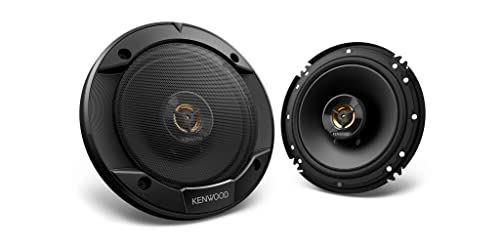
Kenwood KFC-1666R Road Series Car Speakers 6.5″ Pair

PIONEER F-Series TS-F6935R 6″ x 9″ 3-Way Car Speakers 230W Max

KICKER 46CSC654 CS-Series CSC65 6.5-Inch Coaxial Speakers, 2 Pairs

PIONEER F-Series TS-F1035R 4″ 2-Way Car Speakers 150W Max

Pioneer TS-501M 5.25″ 4-Way Coaxial Car Speakers 300W Max

BATVOX CS401 150 Watts 4 Inch 2 Ways Car Speakers, 2 Speakers
More Details On Our Top Picks
This Kenwood pair makes sense for a daily driver that needs cleaner mids without getting fussy about the install. The 6.5-inch coaxial layout keeps the tweeter in the same speaker, so you get a simpler swap than a separate-component setup. The cloth woofer and balanced dome tweeter suggest a polite, usable sound rather than a shouty one.
You may find the 4-ohm load and 300W max rating more useful as a pairing guide than a promise of thunder, since the real payoff depends on the rest of the system. For most commuting setups, that trade-off is fine, and the honest read is that this set fits drivers who want a steadier upgrade without a lot of drama.
Reasons To Buy
- 6.5-inch coaxial format keeps installation straightforward in many door locations.
- Cloth woofer construction points toward controlled midrange in everyday listening.
- Balanced dome tweeter helps voices and instruments stay clear on the highway.
- 4-ohm impedance suits many common head units and amp pairings.
Points To Note
- It does not lean into big bass the way larger 6 x 9 options can.
- The cloth cone may appeal more to balanced sound than to hard-edged punch.
- Owners in noisy trucks may still want added sound deadening for better clarity.
Feature Snapshot
Who It Suits Best
Commuters and weekend drivers who want a straightforward door-speaker swap will get the most from this Kenwood pair.
A Better Fit Elsewhere
PIONEER F-Series TS-F6935R suits drivers with larger rear decks or 6 x 9 openings who want a broader soundfield.
The 6 x 9 size gives this Pioneer set a different job from the Kenwood above, with more surface area for fuller cabin coverage. A 3-way design splits the sound across three drivers, which usually helps treble stay smoother while the mids do less heavy lifting. That makes it a sensible fit for rear decks, larger doors, or an OEM replacement that needs a wider feel.
In a family car or hatchback with a long back seat, that extra size can help the sound fill the cabin without making you push the volume too hard. The trade-off is simple, though, since you need the right opening and enough depth behind the panel for a clean fit.
Highlights
- 6 x 9 format gives you a broader sound footprint than a 6.5-inch pair.
- Three-way layout spreads the workload across more drivers.
- Balanced tuning suits everyday radio, podcasts, and mixed playlists.
- Works well as a factory-style replacement in many larger openings.
Room For Improvement
- Size is the main hurdle, so fitment matters more than with smaller speakers.
- The wider body may be awkward in compact doors or shallow panels.
- It aims for balance, not the kind of bass surge some shoppers chase.
Core Details
Who Will Love This
Drivers replacing larger rear speakers in sedans, wagons, or hatchbacks will appreciate the broad, easygoing fit.
Swap It Out When
Kenwood KFC-1666R fits better for smaller 6.5-inch doors or for shoppers who want a simpler upgrade path.
This KICKER set stands out because it covers two pairs, so a full-car refresh is easier to plan around one order. That matters in older cars with tired factory speakers, where all four corners often need attention at once. The 6.5-inch coaxial format keeps the install path familiar, while the 4-ohm impedance keeps it in the standard lane.
For someone restoring an everyday sedan or compact SUV, this is the practical move that avoids mixing mismatched front and rear sound. The catch is that you still need to confirm your vehicle’s mounting space, and two pairs only help when the rest of the system is ready to keep up.
Best Bits
- Two pairs simplify a four-speaker refresh.
- 6.5-inch size keeps it useful for many common factory openings.
- 4-ohm design matches a lot of ordinary in-car audio setups.
- Good fit for drivers who want the whole cabin to sound more even.
Areas To Watch
- Buying by the pair would be simpler for one-axle or partial upgrades.
- You still need to match mounting depth and connector style to your vehicle.
Technical Sheet
Made For
Drivers replacing all four factory speakers in one go will get the cleanest value from this KICKER bundle.
Where A Sibling Pick Shines
BATVOX CS401 is the better match for very small dash openings and tighter mounting spaces.
Small factory openings often force you to choose between fit and sound, and this 4-inch Pioneer keeps the problem simple. A 2-way design usually means the speaker divides duties between the main driver and tweeter, so voices and treble stay more organized than on older single-driver setups. That makes it a neat option for dash locations, compact doors, or vehicles that only accept a small cutout.
The honest trade-off is obvious: a 4-inch frame cannot move air like a larger speaker, so you should expect clarity first, not room-shaking output. Still, for a tidy replacement in a cramped panel, that restraint is part of the appeal.
Positives
- Small 4-inch size helps with tight fitment.
- Two-way layout supports cleaner separation of vocal and treble detail.
- Useful for older cars with limited mounting depth.
Softer Spots
- Smaller cones trade away low-end fullness.
- It suits compact spaces more than larger cabins.
- You may want extra support from the rest of the system for fuller sound.
Feature Card
The Right Fit
Drivers with compact factory locations, especially in older or smaller cars, are the strongest match for this Pioneer pair.
Look Elsewhere When
Kenwood KFC-1666R suits you better if your vehicle can accept a 6.5-inch speaker and you want more body.
The four-way design here is the hook, because it suggests a more layered approach to sound than the simpler two-way sets above. For a driver who cares about vocal texture and treble separation on streaming playlists, that extra structure can be useful in an ordinary cabin. The black and red finish also gives it a slightly more styled look without changing how it mounts.
At 5.25 inches, it sits between the tiny Pioneer 4-inch option and the larger Kenwood 6.5-inch pair, which makes it a middle-ground choice for many doors. You may find that balance appealing in a compact car where size matters, but the speaker still needs enough room to breathe.
Upsides
- 4-way layout gives you more layered driver coverage.
- 5.25-inch size splits the difference between small and full-size options.
- 300W max rating leaves room for system matching.
- Black and red styling adds a little visual character.
Small Caveats
- More drivers can mean more fitment questions in shallow doors.
- The styling is visible, so it suits you more when the speakers are on display.
Details At A Glance
Whose Shelf It Belongs On
Detail-focused drivers who want a mid-size speaker with a bit more visual personality will feel at home with this Pioneer pair.
Not Your Match When
PIONEER F-Series TS-F1035R makes more sense for ultra-compact mounting spaces where a 4-inch frame is the safer fit.
BATVOX keeps the footprint small, which is the main reason it belongs in this roundup. A 4-inch, 2-way setup with a piezo tweeter aims to handle the upper range cleanly, and the removable grill can help in spots where the speaker face needs a little extra protection. For tight dash mounts or older vehicles with limited room, that combination is appealing.
The 87 dB sensitivity is worth a look too, since sensitivity tells you how efficiently a speaker turns power into sound. That matters in lower-power systems, where you want usable volume without asking too much from the head unit. The trade-off is that small drivers still have physical limits, so this is more about clarity and fit than fullness.
What We Like
- Very compact size suits cramped factory openings.
- Piezo tweeter helps high notes stay present.
- 87 dB sensitivity makes it easier to get useful output from modest power.
- Removable grill adds a practical layer for exposed mounts.
Honest Caveats
- The small cone size limits bass weight.
- Best fit is narrow, so larger door openings deserve a bigger speaker.
- The grill helps with exposure, but fitment still deserves a careful check.
Quick Facts
Built With In Mind
Drivers dealing with small factory openings, older dash locations, or basic stereo upgrades will get the most from this BATVOX pair.
Reach For A Different Pick When
PIONEER F-Series TS-F6935R is the stronger fit for larger openings and a broader cabin sound.
How To Choose The Right Aftermarket Auto Speakers
Match The Size To The Opening
Speaker size matters because the frame has to fit the cutout, the depth, and the surrounding trim. A 4-inch pair like the Pioneer TS-F1035R works in compact spaces, while a 6.5-inch set such as the Kenwood KFC-1666R suits many doors that can accept a more standard round speaker.
6 x 9 models, including the PIONEER F-Series TS-F6935R, usually serve larger rear deck or door openings. Measure before you shop, and keep the mounting depth in mind so the basket does not press against glass, brackets, or wiring.
Think About Speaker Design
Coaxial speakers place the tweeter and main driver in one housing, which keeps installation simpler than a separate-component setup. Two-way models usually focus on a straightforward split between mids and highs, while three-way and four-way designs divide the work further.
That extra driver count can help detail, but it can also make fitment a little more demanding. For most daily drivers, a solid two-way pair is enough, while more layered designs suit listeners who want a touch more separation in the cabin.
Check Electrical Match And Sensitivity
Impedance, usually shown in ohms, helps determine how the speaker pairs with your stereo or amplifier. Many of the picks here sit at 4 ohms, which is a common car-audio load and easy to plan around.
Sensitivity, measured in decibels, shows how efficiently a speaker turns power into sound. BATVOX lists 87 dB, so it is the sort of number that matters in lower-power systems where you want decent output without leaning hard on the stereo.
Choose The Sound Character You Want
Some speakers aim for a balanced, polite voice, which suits commuting, podcasts, and long drives. Others spread the sound across more drivers or use larger cones, which can bring a fuller cabin presentation.
Kenwood and Pioneer’s 6 x 9 set lean toward broad everyday usability, while KICKER’s two-pair bundle makes more sense for a whole-car refresh. That is the real decision point, because the best fit is the one that matches your cabin size and your listening habits.
Things Worth Knowing First
Wrong Turns To Avoid
Many shoppers focus on power numbers and miss the fit details. A speaker can look capable on paper and still be awkward in a shallow door or an unusual dash opening.
Another common miss is mixing one new pair with three tired factory speakers. The sound often feels lopsided, so a full refresh or a matched pair tends to make more sense.
The Upgrade Payoff
Higher-tier speakers usually cost more because the design gets more layered, the materials tend to be better chosen, and fit tolerances are often tighter. A 4-way model like the Pioneer TS-501M carries more driver complexity than a plain two-way layout, and that usually shows up in the final sound character.
Spending up also makes sense when your car is noisy, your music depends on vocal clarity, or you want less strain at moderate volume. The point is not to chase a label, but to pay for the shape of sound you will actually hear every day.
Frequently Asked Questions
What size aftermarket speaker fits most cars?
There is no single size that fits every car, because factory openings vary a lot by make and model. 6.5-inch speakers fit many doors, but 4-inch and 6 x 9 options matter in tighter or larger openings.
Do coaxial speakers work well for daily driving?
Yes, coaxial speakers are a practical choice for daily use because they keep the install simpler. They usually suit drivers who want a cleaner swap without moving into a more complex component setup.
What does 4-ohm impedance mean?
Impedance is the electrical load a speaker presents to your stereo or amplifier. A 4-ohm speaker is a common car-audio match, so many systems can work with it easily.
Is a higher watt rating always better?
No, wattage only tells you part of the story, and it does not guarantee better sound on its own. Fit, sensitivity, and system matching matter just as much.
Should you replace all speakers at once?
Replacing all of them at once can help keep the cabin sound even. Two new speakers paired with two worn ones can make the upgrade feel uneven.