


You want an AGM deep cycle battery that fits the way you actually use power, whether that means trolling on a quiet lake, backing up an RV setup, or keeping a scooter steady through daily errands. The right pick comes down to voltage, amp-hour capacity, case size, terminal style, and how much weight you’re willing to carry. Some models favor portability, others lean into longer run time, and a few are better matched to heavier electrical loads. This roundup keeps those trade-offs clear so you can match the battery to the job, not the other way around.
Quick Look at the Shortlist

Newport 12V50Ah Deep Cycle Heavy-Duty Marine Battery

ML75-12INT 12 Volt 75 AH Internal Thread Battery

VEVOR Deep Cycle Battery 12V 40AH AGM Marine Rechargeable Battery
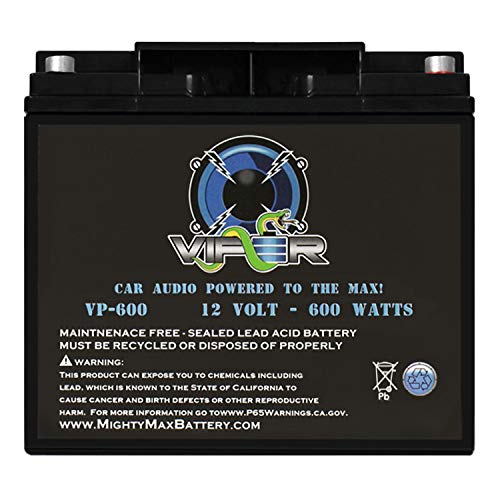
Mighty Max Battery Viper VP-600 12 Volt 18 AH Battery

Interstate Batteries Marine RV Battery 12V 100Ah 825CCA Group 31M AGM
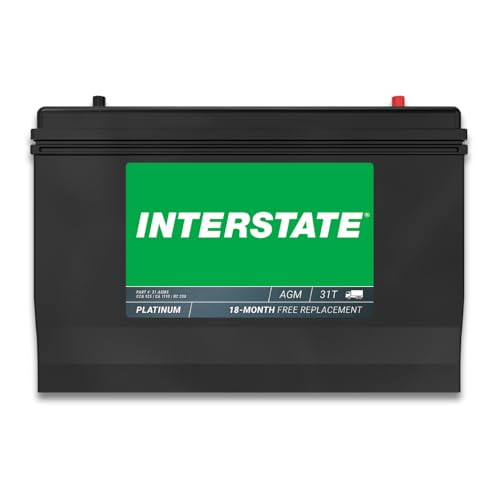
Interstate Batteries Marine RV Battery 12V 100Ah 925CCA 1110CA Group 31 AGM

Interstate Batteries Marine RV Battery 12V 70Ah 750CCA Group 24 AGM
More Details On Our Top Picks
Newport keeps this one straightforward, which helps a lot in a small boat where weight and space both matter. The sealed AGM build means you’re not dealing with liquid maintenance, and the 12V 50Ah format fits lighter-duty trolling and auxiliary use without feeling oversized.
Compared with the larger Interstate Group 31 options later in the list, this is the easier carry and easier stow choice. For weekend fishing runs or a simple backup power setup, that lighter profile can be the whole point, though longer runtime naturally trails the bigger batteries.
Strong Points
- Sealed AGM design keeps upkeep simple in a damp or cramped setup.
- 50Ah capacity suits short trips and modest accessory loads.
- Lightweight format makes hauling and placement less awkward.
- Works well for trolling motor use without adding bulk.
Things To Consider
- Smaller capacity means less cushion for long run times.
- You may need to plan charging more carefully on frequent outings.
Feature Snapshot
Who It Suits Best
Weekend boaters and casual trolling motor users who want a lighter battery with simple upkeep fit this one well.
Where A Sibling Pick Shines
Interstate Batteries Marine RV Battery 12V 70Ah 750CCA Group 24 AGM suits you better for a slightly larger compartment and more reserve capacity.
The internal thread terminal is the detail that makes this Mighty Max stand out for fixed installs, because wiring stays neat and secure once it’s in place. At 75Ah, it gives you more breathing room than Newport’s 50Ah battery, which helps in backup roles that need steadier runtime.
For a home power chair, small UPS-style setup, or a general-purpose sealed lead-acid replacement, that extra capacity is handy. The trade-off is simple, it’s not the lightest carry, so portability matters less than a stable mounted fit.
What We Like
- 75Ah capacity offers more runtime than the smaller marine picks.
- Internal thread terminals support tidy, fixed wiring.
- Maintenance-free SLA construction keeps day-to-day care simple.
- Group 24 sizing can suit common replacement slots.
Worth Noting
- Terminal style is best suited to planned, stationary installs.
- Heavier construction can matter in setups that move often.
Technical Sheet
Built With In Mind
Anyone replacing a stationary battery in a backup or mobility setup should find the 75Ah, threaded-terminal layout easy to work with.
Skip It When
VEVOR Deep Cycle Battery 12V 40AH AGM Marine Rechargeable Battery is the leaner option for smaller vehicles and lighter carry needs.
VEVOR aims this battery at compact machines that need a sturdy burst of current without a big case taking over the frame. The 12V 40Ah size lands in a sweet spot for scooters, electric wheelchairs, and smaller ride-on setups where space is tight.
Compared with the Newport and Mighty Max picks, this one is more about concentrated output than long, leisurely runtime. For a daily mobility setup or a small electric vehicle, that balance can make sense, though heavier-duty marine users will likely want more capacity.
Highlights
- AGM construction keeps water top-offs out of the picture.
- 400A discharge current for 5 seconds supports short, demanding starts.
- Compact size works well in tight battery bays.
- Suited to several light electric vehicle types.
- Lower self-discharge helps the battery sit idle more comfortably between uses.
Areas To Watch
- 40Ah capacity leaves less reserve than larger marine batteries.
- Best fit leans toward light electric transport, not big house loads.
- High-output use still benefits from sensible charging habits.
Core Details
Whose Shelf It Belongs On
You’ll get the most from this one in a scooter, wheelchair, or compact electric ride where the battery bay stays limited.
Another Choice May Suit
Interstate Batteries Marine RV Battery 12V 100Ah 925CCA 1110CA Group 31 AGM makes more sense for bigger marine rigs that need a heavier reserve.
This Mighty Max is built around a different job entirely, high-current audio support rather than long marine runtime. The 18Ah capacity is modest, but the 600-watt power cell role makes sense for compact systems that care more about punch than duration.
Compared with the AGM marine batteries above, this is the specialist in the group. Car audio hobbyists or small auxiliary setups may appreciate the focused format, while boaters looking for all-day reserve will probably want one of the 75Ah or 100Ah options instead.
Reasons To Buy
- Purpose-built for high-current audio use.
- Small 18Ah footprint can suit tight installs.
- 100 Ah? No, sorry, this is not that kind of battery, so the focus stays on short, sharp power delivery.
- Clear fit for compact car audio builds.
Minor Gripes
- Low capacity limits it outside short-duration use.
- Not the right fit for marine runtime needs.
- System matching matters, so audio load planning takes a little care.
Feature Rundown
Who Should Grab It
You’ll like this most for a compact car audio setup where short, strong output matters more than long runtime.
Look Elsewhere When
Newport 12V50Ah Deep Cycle Heavy-Duty Marine Battery is the better fit for boat owners who need a fuller deep-cycle reserve.
Once you move into Group 31 territory, the battery starts feeling like a serious anchor point for RV or marine power. This Interstate model pairs 100Ah capacity with 825CCA, and CCA, or cold cranking amps, tells you how much starting power a battery can deliver in cold conditions.
That mix suits larger compartments and heavier accessory loads better than the smaller picks earlier in the list. The honest trade-off is size and weight, so it pays most for setups that can actually use the extra reserve instead of just carrying it around.
Upsides
- 100Ah capacity supports longer off-grid use.
- 825CCA adds useful starting strength for marine-style loads.
- Group 31M format suits larger battery trays.
- AGM construction keeps upkeep simpler than flooded designs.
Points To Note
- Group 31 size needs a roomier compartment.
- Heavier physical footprint can complicate handling.
Details At A Glance
Made For
RV owners and boat setups with room for a Group 31 tray will get the best match here.
A Better Fit Elsewhere
Interstate Batteries Marine RV Battery 12V 70Ah 750CCA Group 24 AGM makes more sense for tighter compartments and lighter handling.
This Interstate adds more starting muscle than the previous Group 31 entry, and the 1110CA figure is the clue. CA, or cranking amps, reflects starting output under more general conditions, so that higher number matters in systems that ask for a stronger launch.
For large marine rigs with demanding electrical loads, the extra headroom can be comforting. Compared with the 825CCA version, this one is the more assertive choice, though the same size and handling considerations still apply.
Best Bits
- 100Ah capacity keeps reserve strong for extended use.
- 925CCA and 1110CA point to stronger starting output.
- Group 31 format suits larger marine and RV bays.
- AGM construction supports simpler ownership than flooded batteries.
Softer Spots
- It still needs the room and weight tolerance of a Group 31 battery.
- More output only helps when your setup can use it.
Core Details
Right Fit For
You’ll appreciate this most in a full-size marine or RV setup where stronger starting power is worth the extra bulk.
Reach For A Different Pick When
ML75-12INT 12 Volt 75 AH Internal Thread Battery suits a more fixed install with less emphasis on cranking output.
The Group 24 format gives this Interstate a friendlier footprint than the larger Group 31 models, and that matters in compact battery boxes. With 70Ah and 750CCA, it sits between the lighter Newport and the heavier Interstate options, which makes it a sensible middle ground.
For smaller boats, modest RV systems, or replacement work where dimensions matter as much as output, that balance is useful. It’s not the most spacious reserve in the lineup, but it avoids the bulk that can make installation frustrating.
Positives
- Group 24 size helps in tighter compartments.
- 70Ah capacity gives useful reserve without overcommitting space.
- 750CCA provides respectable starting support.
- AGM format keeps routine care simpler.
Room For Improvement
- Smaller reserve than the Group 31 Interstate choices.
- Less appealing for very heavy accessory loads.
- You’ll want to measure the tray carefully before ordering.
Feature Card
The Right Fit
You’ll get the best match here in a smaller marine or RV compartment where Group 31 batteries feel too large.
Where A Sibling Pick Shines
Interstate Batteries Marine RV Battery 12V 100Ah 925CCA 1110CA Group 31 AGM suits you better for bigger cabins and heavier electrical demand.
How To Choose The Right Agm Deep Cycle Battery
Start With Voltage, Capacity, And Fit
Voltage has to match the system first, and these picks all sit at 12V, which is common for marine, RV, and many mobility uses. Capacity, measured in amp-hours, tells you how much stored energy the battery can hold, so a 100Ah unit gives you more runtime than a 40Ah or 50Ah model. Physical size matters just as much, because a battery that technically fits the job can still be a headache if the tray is too small or the handles are awkward.
That’s why the Newport 50Ah, the VEVOR 40Ah, and the two Interstate Group 31 batteries serve different jobs. Smaller capacity works for lighter, shorter-duty use, while larger cases make sense only when your setup can actually use the extra reserve.
Match Terminal Style To The Install
Terminal design changes how neatly the cables connect and how easy the install feels. The Mighty Max ML75-12INT uses internal thread terminals, which suit fixed connections, while the other batteries lean toward more conventional marine or automotive-style setups.
That detail sounds small until you’re fitting the battery into a tight bay or replacing a unit that already has a cable layout in place. A tidy terminal match reduces fiddling and makes future swaps less annoying.
Read Starting Numbers With Care
CCA, or cold cranking amps, and CA, or cranking amps, both describe starting output, but they’re not the same thing. Higher numbers matter more for starting engines, powering demanding equipment, or supporting systems that ask for a stronger initial burst.
The Interstate Group 31 model with 1110CA leans harder into starting output than the 825CCA version, while the VEVOR focuses on short, high-discharge bursts for compact electric vehicles. Deep-cycle use is about steadier energy delivery, so don’t let a big starting number distract you from the runtime you actually need.
Choose By Real-World Use, Not Just The Label
Boat owners usually care about reserve, vibration-friendly construction, and fit in the battery tray. RV owners tend to care about capacity and how often the battery will be cycled, while scooter and wheelchair users need compact size and manageable weight more than anything flashy.
That’s the practical way to sort this category: Newport for lighter marine work, Mighty Max for a fixed threaded install, VEVOR for compact mobility gear, and the larger Interstate batteries for heavier marine or RV loads. The right battery usually looks less impressive on paper than the one that actually fits your setup without compromise.
What To Weigh Before You Choose
Mistakes Worth Dodging
One common slip-up is treating every AGM battery as interchangeable. A 40Ah compact unit and a 100Ah Group 31 model can both use AGM construction, yet they serve very different spaces and load demands.
Another is overlooking terminal style and battery case size. That’s where installation friction shows up, usually after the battery is already on the bench.
The Upgrade Payoff
Higher-tier AGM batteries usually cost more because they offer more capacity, more starting output, or a larger physical format that suits heavier systems. Better terminal layouts and stronger case sizing can also make ownership easier over time.
That upgrade makes sense when your boat, RV, or mobility setup genuinely asks for it. Paying more for extra reserve is practical; paying more for unused headroom is not.
Frequently Asked Questions
What does AGM mean in a deep cycle battery?
AGM stands for absorbent glass mat, a design that keeps the electrolyte held in fiberglass mats instead of sloshing around. That construction usually simplifies upkeep and suits enclosed setups.
How do amp-hours affect runtime?
Amp-hours show how much energy the battery can store, so higher numbers generally support longer use between charges. A 100Ah battery usually gives you more reserve than a 40Ah or 50Ah option.
What’s the difference between CCA and CA?
CCA means cold cranking amps, which points to starting output in colder conditions. CA means cranking amps, which is another way to describe starting strength under general conditions.
Which size works better for a small boat?
A Group 24 or lighter 50Ah battery usually feels easier in a smaller hull. Larger Group 31 models make more sense when the tray and electrical load are both bigger.
Are sealed AGM batteries easier to live with?
They usually are, because routine top-offs are not part of normal ownership. That makes them a practical choice for boats, RVs, and compact mobility setups.
Closing Thoughts
The right AGM deep cycle battery usually comes down to fit first, then runtime, then starting output. Newport keeps things light, Mighty Max favors a tidy fixed install, VEVOR suits compact electric transport, and the Interstate models step up for larger marine or RV loads. You do not need the biggest case on the page, you need the one that matches your space and your use pattern. Choose for the job in front of you, and the battery tends to feel like a smart upgrade rather than a compromise.