

You’re probably here because your factory sound feels flat, or your current setup runs out of steam the moment bass, road noise, and music all fight for space. The right auto amplifier gives your speakers cleaner headroom, steadier output, and a setup that feels more composed on the commute or the highway.
This roundup keeps the focus on real installation fit, channel count, crossover control, and the kind of power that matches daily driving. You’ll see compact four-channel picks for balanced systems, plus a mono option for subwoofer-focused builds.
Quick Look At The Shortlist

Pioneer GM-A6704 Bridgeable 4-Channel Car Amplifier
Yaeccc 4 Channel Car Amplifier 3200W

AUDIOZERONE ZE1000.1 Monoblock Car Audio Amplifier

Taramps TS 1200×4 Car Audio Amplifier

Taramps TS 400X4 Black 4-Channel Car Audio Amplifier
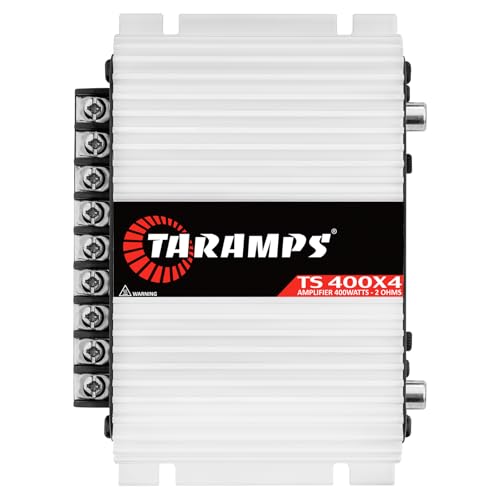
Taramps TS 400X4 White High Level Car Audio Amplifier
More Details On Our Top Picks
For a daily driver with front and rear speakers, this Pioneer keeps the setup straightforward. The Class AB design usually appeals to people who want a familiar, stable-feeling four-channel layout rather than something ultra-compact or heavily specialized.
The built-in high-pass and low-pass filters matter because they help shape what each speaker group gets, which is useful in mixed systems with tweeters, mids, or a small sub added later. The trade-off is that Class AB gear tends to run less efficiently than Class D, so you’re choosing control and straightforward tuning over maximum space savings.
What We Like
- Bridgeable channels give you more wiring flexibility for a system that may grow later.
- High-pass and low-pass filtering help you send cleaner ranges to the right speakers.
- The four-channel layout suits front and rear cabin sound without forcing a mono-only setup.
- Good fit for commuters who want clearer detail at normal listening levels.
Points To Note
- Class AB designs usually take more room and more attention to airflow than leaner Class D units.
- You’ll want to plan the install carefully, since tidy wiring matters with multi-channel layouts.
- It’s less specialized for a big sub-only system than the mono AUDIOZERONE pick below.
Feature Snapshot
Who It Suits Best
Drivers upgrading a stock stereo into a cleaner four-speaker setup will get the most from this one.
Where A Sibling Pick Shines
Taramps TS 400X4 Black suits tighter installs better, especially where a smaller Class D footprint matters more than Pioneer’s broader tuning feel.
This Yaeccc unit is aimed at a straightforward 12-volt four-channel install, which makes it appealing for basic speaker upgrades and low-fuss replacements. In most budget builds, the appeal is less about refinement and more about getting a multichannel layout in place without overcomplicating the wiring.
Compared with the Pioneer GM-A6704, this pick reads more like a utility-focused option than a polished tuning tool. The honest read is that it suits practical setups best, especially when you want a simple four-channel amp for a car stereo system and don’t need a more brand-name feature set.
Strong Points
- Four-channel format supports a full cabin setup instead of a single speaker zone.
- Full-range design gives you room to pair it with different speaker roles.
- 12-volt compatibility lines up with standard car audio installs.
- Works well for owners who want a simple path away from weak factory output.
Small Caveats
- It feels more basic than the Pioneer and Taramps options, so fine-tuning flexibility is likely more modest.
- The broad product naming leaves less clarity than the better-specified picks above.
- Matching it to the rest of your system may take extra attention during installation.
Core Details
Made For
Weekend installers and cost-conscious drivers looking for a basic four-channel step up from stock speakers will fit this best.
A Better Fit Elsewhere
Pioneer GM-A6704 makes more sense for drivers who want a more refined four-channel platform with clearer filter controls.
Subwoofer builds need a different kind of attention, and that’s where the AUDIOZERONE ZE1000.1 makes sense. It’s a monoblock amplifier, meaning it’s built around one output channel, which is exactly what many bass-focused systems want.
The 1 to 4 ohm stability, low-pass crossover, and MOSFET power supply point toward a setup that’s meant to manage low frequencies with more control than a general-purpose multichannel amp. Compare that with the Pioneer and both Taramps four-channel units, and you’re looking at a far more focused tool, not a jack-of-all-trades.
Highlights
- Monoblock layout keeps the design centered on subwoofer duty.
- 1 to 4 ohm stability gives you more room for matching different sub setups.
- Low-pass crossover helps keep higher frequencies out of the bass channel.
- The MOSFET power supply is a practical detail for efficient power handling.
- Good fit for trunk builds where bass control matters more than full-range versatility.
Worth Noting
- It’s not the right shape for a full four-speaker cabin system.
- Subwoofer-focused setups need careful gain and crossover matching during install.
- The specialized layout means it’s less flexible than the multi-channel options in this list.
Details At A Glance
Built With In Mind
Bass enthusiasts and trunk-install owners who want a dedicated sub channel will get the most from this one.
Another Choice May Suit
Taramps TS 1200×4 fits better for drivers who need to run several speakers and want bridged flexibility instead of mono-only bass duty.
This Taramps model feels aimed at more ambitious cabin upgrades, especially where you want four channels and the option to bridge two channels. Bridging means combining channels for a different power delivery setup, and that gives you more layout flexibility than the basic Yaeccc amp.
The fixed RCA and wire inputs, plus full-range crossover control, make it easier to slot into systems that need a more deliberate signal path. One thing worth considering is that this is the sort of amp that rewards a clean install, because a higher-output multichannel layout can get messy fast in a cramped dash or under-seat space.
Reasons To Buy
- Four channels support full cabin sound without needing separate amps for every role.
- Two bridged channels open the door to more flexible system layouts.
- Full-range crossover control helps shape the output across different speaker types.
- Fixed RCA and wire inputs make the connection style clear from the start.
Areas To Watch
- The more advanced layout asks for careful planning during installation.
- It’s more amp than some simple speaker refresh projects really need.
- Space and cable routing matter more here than with the smaller Taramps TS 400X4 pair.
Core Details
Right Fit For
Drivers planning a more serious full-system upgrade, especially with flexible speaker routing, will get the most from this amp.
Swap It Out When
Taramps TS 400X4 White makes more sense for OEM-style installs where simpler high-level input handling matters more than higher-output flexibility.
For tight install spots, this black TS 400X4 keeps the focus on flexibility without turning the amp into a space hog. The Class D design is the main reason it stands out next to the older Pioneer, because it suits compact routing and warmer cabin environments where smaller gear usually feels easier to live with.
High-level and RCA inputs help it fit both factory systems and aftermarket head units, and the bridgeable channels add some room to grow. The trade-off is that this model is more about efficient practicality than deep system complexity, so it suits clean, modest upgrades more than elaborate builds.
Best Bits
- Compact Class D design helps it fit into tighter mounting spaces.
- High-level and RCA inputs widen the range of stereo setups it can join.
- Bridgeable channels give you a bit more layout freedom.
- Built-in crossover support helps keep basic tuning simpler.
Room For Improvement
- It’s less ambitious than the Taramps TS 1200×4 for larger audio plans.
- Compact format means you still need to think about cable placement and airflow.
- The black version is mainly a practical finish choice, not a functional difference.
Feature Card
The Right Fit
Commuters and weekend upgraders with limited dash or seat space will likely appreciate this most.
Where A Sibling Pick Shines
Pioneer GM-A6704 is the better move for someone who wants a more traditional filter-driven four-channel layout with a slightly more polished feel.
The white TS 400X4 is the cleanest match in this list for factory-audio upgrades that need high-level speaker input. High-level input means the amp can take speaker-level signal straight from an existing head unit, so it’s handy for OEM systems where you’re not starting with a fresh aftermarket deck.
Automatic turn-on also helps keep the install less fussy, and the Class D design keeps the package efficient for everyday use. Compared with the black TS 400X4, the white version leans a little more toward factory-integration convenience, which makes it an easy fit for straightforward upgrades.
Positives
- High-level and RCA speaker inputs make factory and aftermarket paths easier to handle.
- Automatic turn-on reduces the amount of extra trigger planning in a retrofit install.
- Class D efficiency usually suits compact spaces and regular daily listening.
- Its four-channel format works well for front and rear speaker refreshes.
Softer Spots
- It’s tuned more for convenience than for the bigger headroom focus of the Taramps TS 1200×4.
- White housing can show grime more readily in a busy cabin.
- Owners who want deep system tuning may prefer the Pioneer GM-A6704 instead.
Technical Sheet
Whose Shelf It Belongs On
Drivers upgrading an OEM system without changing the whole dashboard setup will benefit most here.
Look Elsewhere When
Pick the Taramps TS 400X4 Black instead for a similar layout with a darker finish and a slightly different install feel.
How To Choose The Right Auto Amplifiers
Match The Channel Count To Your Setup
Four-channel amps fit front-and-rear speaker systems, while mono amplifiers are built for a single subwoofer path. That split matters because a sub-heavy build and a cabin-wide speaker refresh ask for very different wiring and tuning decisions.
Pioneer GM-A6704 and both Taramps TS 400X4 versions make sense for full-car sound, while the AUDIOZERONE ZE1000.1 fits a bass-only role. The Taramps TS 1200×4 sits in the middle with more flexibility, since you can run four channels or bridge pairs for a different layout.
Check The Input Type Before You Install
High-level inputs let you tap speaker-level signal from a factory head unit, which is useful in OEM upgrades. RCA inputs usually suit aftermarket decks and cleaner signal routing.
The Taramps TS 400X4 White is especially practical for stock-system upgrades, while the black TS 400X4 and Pioneer GM-A6704 make more sense once you already know your signal path. A mismatch here can turn a tidy install into a headache, so this detail deserves attention before anything else.
Think About Space, Heat, And Daily Use
Class D amps usually fit tighter spaces more easily, which helps under-seat or trunk-side installs. Class AB designs can feel a bit more old-school in layout, but they’re still a solid option when sound control matters more than compact size.
That trade-off shows up in the Pioneer versus the Taramps TS 400X4 pair. For commuters, compact chassis and straightforward wiring are often more valuable than a larger amp with extra tuning ideas.
Use Crossover Control To Shape The Sound
Crossovers split the audio range so each speaker gets a more sensible slice of the signal. High-pass filters keep deep bass away from smaller speakers, while low-pass filters steer a mono amp toward sub duty.
If your system already has a subwoofer, the Pioneer GM-A6704 and AUDIOZERONE ZE1000.1 give you more direct control over frequency ranges. That makes them better suited to mixed systems than basic amps that just push power without much shaping.
Things Worth Knowing Before You Choose
Wrong Turns To Avoid
Many first-time setups go sideways because the amp was chosen before the speaker layout. A mono model won’t replace a four-channel unit for cabin speakers, and a full-range four-channel amp won’t behave like a dedicated sub amp.
Another common miss is ignoring input compatibility. A factory radio usually needs different integration thinking than an aftermarket head unit, so the Taramps TS 400X4 White has a real advantage for OEM-style jobs.
The Upgrade Payoff
Higher-tier amps tend to bring more control, more layout flexibility, and better support for complex installs. That often means bridgeable channels, more detailed crossover options, or cleaner compatibility with different signal sources.
That extra headroom matters most in larger vehicles, louder cabin environments, or systems that already have upgraded speakers and a subwoofer. For a basic speaker refresh, spending up makes less sense than it does for a build you expect to keep and grow.
Frequently Asked Questions
What does bridgeable mean on an auto amplifier?
Bridgeable means two channels can be combined to act like one stronger output path. That’s useful when your system layout needs more flexibility than separate channels can provide.
Is a mono amplifier only for subwoofers?
A mono amplifier is mainly used for bass-heavy setups because it drives one channel at a time. The AUDIOZERONE ZE1000.1 fits that role much better than the four-channel picks in this list.
Do high-level inputs matter for factory stereos?
Yes, they make it easier to connect an amp to a stock head unit without replacing the whole stereo. The Taramps TS 400X4 White is a strong example of that kind of fit.
What makes Class D useful in a car?
Class D amps are known for efficient power handling and compact layouts. That helps when space is tight or you want a cleaner install under a seat or in a trunk corner.
How do crossovers help with sound setup?
Crossovers direct certain frequencies to the right speakers, which keeps small speakers from handling deep bass they don’t need. That’s why the Pioneer GM-A6704 and Taramps TS 1200×4 feel more adaptable for mixed systems.