

Group 35 batteries sit in a sweet spot for many sedans and crossovers, especially vehicles that ask for start-stop support and steady cranking. The right choice matters most on cold mornings, in stop-and-go traffic, and for drivers who would rather replace a battery once than keep chasing weak starts.
AGM, or absorbent glass mat, batteries usually bring better spill resistance and steadier output than basic flooded designs. That extra stability can feel worth it for commuters, weekend trip cars, and vehicles packed with electronics, but the trade-off is often a higher upfront price and more weight.
The Shortlist At A Glance
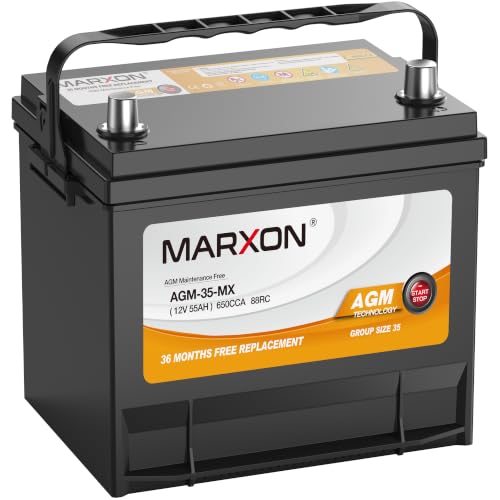
MARXON Group 35 Car Battery 12V 55Ah 650CCA AGM

UPLUS BCI Group 35 AGM Car Battery 12V 55Ah 650CCA

Interstate Batteries Car Battery 12V 55Ah 650CCA Group 35 AGM

Goodyear 35-AGM BCI Group Size 35 12V 55Ah 100RC

Autocessking Group Size 35 Start and Stop AGM Automotive Battery 12V 55Ah 650 CCA
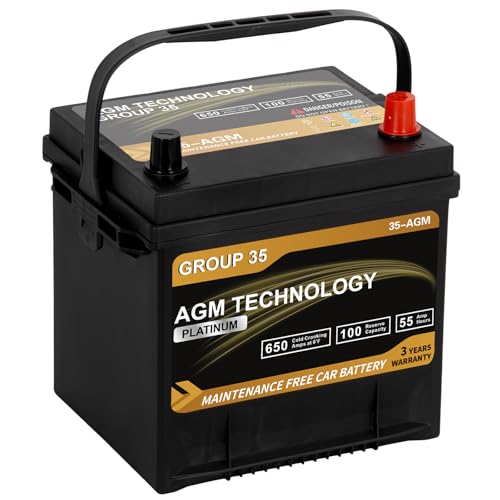
Platinum AGM Car Battery Group Size 35 12V 55Ah 650 CCA

Mighty Max Battery MM-G35 Group Size 35 12V 55Ah 100RC
More Details On Our Top Picks
This MARXON entry keeps the focus on familiar Group 35 dimensions, which makes it easier to match against many common sedan and crossover battery trays. The 55Ah capacity and 650 CCA, meaning cold-cranking amps, point to a battery built for steady starts rather than flashy extras.
Its 88RC reserve capacity adds a little breathing room for accessories and short stop-and-go trips, while the AGM format suits vehicles that spend time in traffic. Compared with the Interstate pick later on, this one reads more like a straightforward replacement choice for everyday driving, not a premium-name statement piece.
Strong Points
- AGM construction helps suit modern electrical loads and start-stop use.
- 55Ah output fits many daily-driver needs without sounding oversized.
- 650 CCA supports dependable starts in colder weather.
- 88RC gives you a useful cushion for short errands and accessories.
- Maintenance-free design cuts down on routine checking.
Things To Consider
- Group fit still needs to match your vehicle’s tray and terminal layout.
- The 88RC figure is solid, but not as generous as the Goodyear pick.
- AGM replacements usually ask a little more care during installation than basic flooded batteries.
Core Details
Who It Suits Best
You benefit most here if your car calls for a Group 35 AGM battery and you want a practical replacement for routine commuting, school runs, and grocery duty.
Where A Sibling Pick Shines
Goodyear 35-AGM BCI Group Size 35 12V 55Ah 100RC suits you better if your vehicle carries more accessories and you want a little more reserve capacity.
UPLUS keeps the same 55Ah and 650CCA formula as the MARXON, but the start-stop wording makes its fit feel especially relevant for cars that shut the engine off at lights. That matters in city driving, where frequent restarts can expose a weak battery fast.
You may find the maintenance-free design appealing if your car lives in a garage or on a busy commute route and you want less routine fuss. The trade-off is simple, really, this one stands on the same core numbers as the first pick, so the decision comes down more to brand preference and vehicle match than raw output.
What We Like
- Start-stop framing fits modern commuting patterns well.
- AGM build supports vehicles with lots of electronics.
- 55Ah and 650CCA keep it in a familiar replacement range.
- Maintenance-free handling keeps upkeep simple.
Worth Noting
- It overlaps closely with the MARXON pick on core output.
- You still need to confirm exact Group 35 fit before ordering.
- No extra reserve figure is listed here, so longer accessory use is harder to judge.
At A Glance
Built With In Mind
You fit this pick best if your daily drive includes stop-and-go traffic and your car asks for a Group 35 AGM replacement.
A Better Fit Elsewhere
MARXON Group 35 Car Battery 12V 55Ah 650CCA AGM is the easier call for you if you want a nearly identical spec set and prefer a more general-purpose replacement profile.
Interstate brings a familiar battery name to a very specific size class, and that can matter more than people admit during a roadside replacement. The 55Ah, 650CCA setup keeps it in the same practical lane as the MARXON and UPLUS options, which makes the brand feel like the main difference here.
For long-haul commuters or drivers who like a plain, known replacement path, that simplicity is useful. The honest read is that it looks less feature-forward on paper than the Goodyear or Daakmax picks, but that can be exactly what some garages want.
Highlights
- Well-known brand presence can make replacement decisions feel easier.
- 55Ah capacity stays in the expected Group 35 range.
- 650CCA supports ordinary starting needs without overcomplicating the spec sheet.
- AGM construction suits vehicles with heavier electrical demands.
Small Caveats
- It does not list the reserve capacity figure here.
- The feature set is leaner than the premium-leaning Goodyear option.
- Group fit still needs a careful check before installation.
Feature Rundown
Made For
You suit this battery best if you want a straightforward Group 35 replacement and care more about recognizable fit than extra bells and whistles.
Another Choice May Suit
Daakmax Platinum AGM Car Battery Group Size 35 12V 55Ah 650 CCA works better for you if a longer listed coverage term matters more than brand familiarity.
Goodyear steps up the reserve capacity to 100RC, and that alone makes it feel better suited to vehicles with more electronics or habits like short errands with the engine off often. Compared with the MARXON and UPLUS picks, the extra reserve gives you a bit more cushion between drives.
Reserve capacity is the length of time a battery can support a load when the alternator isn’t doing the work, so that number matters more than it first looks. You may appreciate this one in a family car with accessories, though the trade-off is that its advantages live more in margin and confidence than in a radically different core spec.
Upsides
- 100RC gives it a stronger reserve than the earlier 55Ah-only options.
- AGM design fits modern electrical demands well.
- 650CCA keeps startup strength in familiar territory.
- Maintenance-free operation keeps routine attention low.
- Platinum-series positioning suggests a more polished replacement path.
Areas To Watch
- The added reserve does not change the need for correct Group 35 fit.
- It can be more battery than you need for a plain commuter car.
- The listing leans on broader marketing language, so specs matter more than branding here.
Details At A Glance
Whose Shelf It Belongs On
You fit this pick best if your vehicle spends time in traffic, carries accessories, or simply benefits from a larger reserve cushion.
Skip It When
Mighty Max Battery MM-G35 Group Size 35 12V 55Ah 100RC is the cleaner match for you if your goal is a vehicle-specific replacement rather than a broader premium-leaning battery choice.
Autocessking sits in the middle of the pack in a useful way, because it pairs 55Ah and 650CCA with a listed 100RC. That reserve number gives it a little more staying power than the MARXON or UPLUS options, which can matter on short errands where the engine spends more time off than running.
For most city drivers, that mix is easy to understand: normal battery size, decent starting strength, and a stronger reserve than the bare-minimum listings. The catch is that it still needs exact Group 35 compatibility, so it feels like a sensible fit rather than a universal answer.
Best Bits
- 100RC improves usefulness for short-drive patterns.
- Start-stop wording matches newer vehicle behavior.
- 55Ah and 650CCA stay inside the expected replacement range.
- AGM format works well for cars with more electrical demand.
Points To Note
- It overlaps heavily with the Goodyear and Daakmax numbers.
- Fit still depends on your vehicle’s exact Group 35 callout.
- Reserve capacity helps, but it does not replace proper charging system health.
Quick Facts
Right Fit For
You benefit most here if your car uses start-stop behavior and you want a Group 35 AGM battery with extra reserve on paper.
Reach For A Different Pick When
Interstate Batteries Car Battery 12V 55Ah 650CCA Group 35 AGM makes more sense for you if brand familiarity matters more than the added reserve figure.
Daakmax stands out here mostly because of the 36-month coverage term, which gives it a different kind of appeal than the spec-matching batteries around it. For drivers planning to keep a car longer, that extra coverage window can matter as much as reserve capacity.
Its 55Ah, 650 CCA, and 100RC numbers place it in the same practical class as the Goodyear and Autocessking picks, so you are not paying for a wildly different battery shape. The honest read is that this one looks aimed at the person who wants a more reassuring ownership horizon rather than a dramatic spec jump.
Positives
- 36-month coverage term adds long-view appeal.
- 100RC gives it a useful reserve margin.
- AGM construction suits start-stop driving patterns.
- 55Ah and 650CCA keep it in the familiar Group 35 lane.
Softer Spots
- The main upgrade story is the coverage term, not a big shift in output.
- It still needs the same careful tray and terminal match as the rest of the group.
- Drivers with short ownership plans may not use the longer coverage window fully.
Feature Card
Best Suited To
You should look here if you plan to keep your vehicle for a while and want a Group 35 AGM battery with a longer listed coverage term.
Look Elsewhere When
Goodyear 35-AGM BCI Group Size 35 12V 55Ah 100RC is the better fit for you if reserve capacity matters more than the extra coverage term.
Mighty Max feels different because the compatibility callout points straight at Nissan Altima fitment, which removes some guesswork for a specific driver. That can be a relief in a driveway repair situation, where a close-enough battery is not close enough at all.
It still carries the same 55Ah, 650CCA, and 100RC pattern found in the stronger mainstream options, so the value here is in fit confidence more than spec novelty. Compared with the Interstate pick, this one is the more vehicle-focused route for Altima owners who want a replacement battery built around that use case.
Bright Spots
- Vehicle-specific compatibility makes fit selection easier.
- 100RC adds useful reserve for short trips and accessory use.
- AGM format suits modern electrical loads.
- 55Ah and 650CCA stay in the expected replacement range.
Trade Offs
- The compatibility focus helps one vehicle family more than the whole category.
- You still need to verify exact trim and battery tray requirements.
- It is less about premium extras and more about exact-fit usefulness.
Core Details
The Right Fit
You get the most from this pick if you drive a Nissan Altima that calls for a Group 35 AGM replacement and you want the fit to feel clearly targeted.
Swap It Out When
Interstate Batteries Car Battery 12V 55Ah 650CCA Group 35 AGM is the broader option for you if you want a less vehicle-specific replacement path.
How To Choose The Right Auto Battery Group 35
Start With Vehicle Fit, Then The Details
Group 35 is a size class, so the case dimensions and terminal placement matter before anything else. A battery can look right on paper and still be awkward in the tray, which turns a simple swap into a headache.
Start with your vehicle manual or the old battery label, then compare the group size, voltage, and terminal layout. That basic check keeps you from buying a battery that works electrically but fails physically.
Read The Numbers Like A Driver, Not A Catalog
55Ah tells you the battery’s stored capacity, while 650 CCA points to cold-start strength. Reserve capacity, often shown as RC, is the quiet helper that matters during traffic jams, errands, and short engine-off stops.
For city use, reserve capacity can matter more than people expect, because short trips leave less time for the charging system to recover. For colder climates, CCA deserves more attention, since that number speaks directly to starting confidence.
Match AGM To Your Driving Pattern
AGM batteries use a glass-mat separator to hold electrolyte in place, which helps with spill resistance and output stability. That makes them a natural fit for start-stop systems, tech-heavy cabins, and cars that sit through a lot of idling.
The trade-off is cost and weight, so a basic commuter with few electrical demands may not need the extra structure. On the other hand, anyone who keeps a vehicle past the first battery cycle usually appreciates the steadier feel.
Choose For Ownership, Not Hype
Coverage terms, brand familiarity, and vehicle-specific fit all matter, but they matter in different ways. A longer listed coverage term helps the long-term planner, while a targeted fit like the Mighty Max can save time for a specific car.
The best match is the one that fits your tray, supports your driving pattern, and feels sensible for how long you plan to keep the car. That’s the part worth slowing down for.
Things Worth Knowing Before You Order
Mistakes Worth Dodging
Many problems in this category come from skipping the fit check and focusing only on voltage. Group number, tray space, and terminal layout still decide whether the battery installs cleanly.
Another common slip is treating reserve capacity like a bonus number with no real use. In a car that sees short trips, accessories, or start-stop traffic, RC can matter quite a bit.
The Upgrade Payoff
Higher-tier Group 35 batteries usually cost more because AGM construction is more involved and reserve capacity can be higher. A longer listed coverage term also adds value for drivers who keep the same car for years.
The upgrade feels worth it for stop-and-go commuters, winter drivers, and vehicles with heavier electrical loads. For a lightly used car with simple needs, a more basic spec set can be enough.
Frequently Asked Questions
What vehicles use Group 35 batteries?
Many sedans and crossovers use Group 35, especially models with AGM requirements. You still need to confirm your exact tray size and terminal layout.
What does 650 CCA mean?
CCA means cold-cranking amps, a measure tied to startup strength in cold weather. A 650 CCA battery is aimed at ordinary passenger-car starting needs in this size class.
Is AGM better for start-stop driving?
AGM batteries usually suit start-stop use better than basic flooded designs because they handle repeated cycling more comfortably. That does not make them mandatory for every car, but they fit the use case well.
Why does reserve capacity matter?
Reserve capacity shows how long the battery can support electrical loads when the engine is off. It matters most in traffic, during accessory use, and on short drives.
Should you replace both battery and charging system parts together?
Not always, but a weak alternator or poor cable connection can make a new battery seem worse than it is. A clean install and healthy charging system matter just as much as the battery itself.
Final Thoughts
Choosing a Group 35 battery gets much easier once you stop treating the category like a wall of similar numbers. The MARXON and UPLUS picks cover the practical middle ground, Interstate keeps things familiar, and Goodyear, Daakmax, and Mighty Max each add a different reason to spend a little more attention on fit, reserve, or coverage. Your best outcome comes from matching the battery to your car’s tray and your daily driving pattern, not from chasing the flashiest listing. Slow down once, and the right call usually becomes obvious.