Dead batteries usually show up at the worst time, especially on a commuter car that sits all week or a weekend truck that only wakes up for errands. The right charger keeps that battery ready without turning your garage routine into a chore. This roundup focuses on smart, practical picks for different vehicle types, battery chemistries, and storage habits. You get the clearest match for your setup, not a generic list.
The Shortlist At A Glance

CRAFTSMAN 12A Car Battery Charger Maintainer 6V/12V CMXCESM258

PCHH 12V 24V Car Battery Charger Heavy Duty 0-15A Automatic Maintainer

PZ.P 15-Amp 12V/24V Smart Battery Charger Maintainer Trickle Charger

Schumacher Electric 8A Car Battery Charger Maintainer 6V/12V SC1363
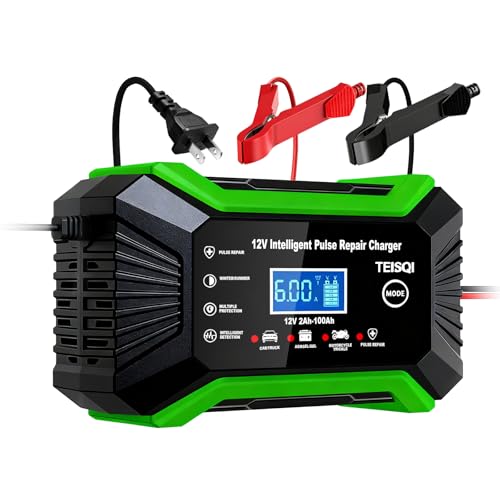
Car Battery Charger 12V 6A Smart Battery Trickle Charger Green
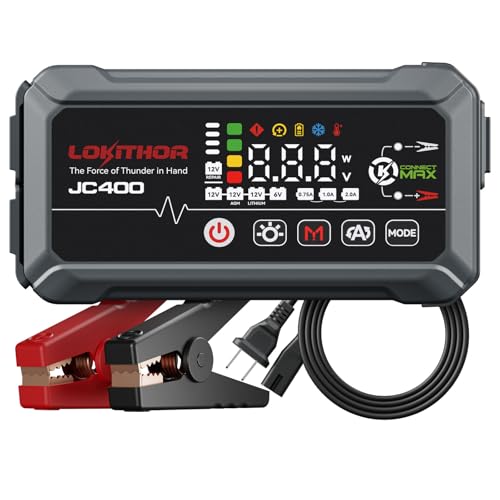
LOKITHOR JC400 2A Car Battery Charger and 2500A Jump Starter

1.5A 6V/12V Car Battery Charger Automatic Trickle Charger Maintainer
More Details On Our Top Picks
That 12-amp ceiling gives this CRAFTSMAN a more confident feel than the lighter-maintenance picks later in the list. For a daily driver that spends weekdays parked, the extra output can matter more than a tiny desktop footprint.
You also get 6V and 12V support, which keeps it useful for older cars as well as the usual household vehicles. The trade-off is simple, it’s better suited to a garage shelf than a glovebox-sized carry kit.
What We Like
- 12A output gives you more breathing room for a fuller recovery cycle.
- 6V and 12V support makes it useful across older and newer vehicles.
- Works well as a maintainer, so it fits seasonal cars and weekend trucks.
- For a busy garage, that broader output range reduces the need to keep multiple chargers around.
Points To Note
- The higher-output format feels less compact than a small trickle-only unit.
- For very light maintenance jobs, the extra capacity can be more than you need.
Feature Snapshot
Who It Suits Best
You benefit most here if you want a garage charger for cars, small trucks, or older 6V equipment and you’d rather have extra capacity than the smallest possible body.
Where A Sibling Pick Shines
Schumacher Electric SC1363 suits you better if you want a simpler 8A option for routine upkeep and don’t need the higher-output feel of the CRAFTSMAN 12A.
Range is the big story here, because the PCHH covers both 12V and 24V setups and stretches from low maintenance work to heavier charging needs. That makes it a stronger fit for a garage with a car, a truck, and maybe a mower or boat battery sharing the same shelf.
The automatic shutoff and repair, winter, and AGM support give it a more tool-like feel than the stripped-down 1.5A unit later in the list. The catch is that this kind of flexibility usually asks for a little more attention to setup, especially around matching the right mode to the battery type.
Reasons To Buy
- 12V and 24V support broadens the kinds of vehicles and equipment you can maintain.
- 0 to 15A range gives you room for gentler upkeep or stronger charging needs.
- Auto shutoff helps keep routine charging more hands-off.
- Winter and AGM modes make it more adaptable for seasonal storage and battery-specific care.
- It suits a mixed garage better than the lighter single-voltage options in this roundup.
Small Caveats
- The broader feature set can feel more involved than a basic maintainer.
- For a tiny space or occasional top-offs, the size and capability may be more than you need.
Core Details
Built With In Mind
You’ll get the most from this one in a mixed-vehicle garage where 12V and 24V batteries live side by side and you want a single charger to handle both.
Look Elsewhere When
Schumacher Electric SC1363 is the easier fit for straightforward 6V and 12V maintenance, especially for someone who does not need the wider mode set of the PCHH.
This PZ.P model leans into control, with a 9-stage charging routine and temperature compensation, which means it’s built for someone who wants a smarter charging path rather than a bare-bones maintainer. Compared with the simpler CRAFTSMAN and Schumacher units, it asks for less guesswork once the battery type is matched.
Support for LiFePO4 and lead-acid batteries makes it especially useful in garages that mix newer accessory batteries with older vehicle batteries. The honest read is that the extra logic helps, but only when you want to pay attention to battery chemistry instead of treating every battery the same.
Highlights
- LiFePO4 and lead-acid support opens the door to more battery types.
- 9-stage charging gives you a more controlled maintenance path.
- Temperature compensation helps the charger adapt to changing conditions.
- 12V and 24V support keeps it relevant across several vehicle categories.
- For hobby garages, that added control can feel more reassuring than a plain maintainer.
Worth Noting
- The extra charging logic may feel more involved than a simple plug-and-leave model.
- It makes the most sense for people who already know their battery type.
Details At A Glance
Whose Shelf It Belongs On
You’re the right fit for this charger if you keep several battery types around and want a more technical, fully automatic unit for a garage bench or workshop shelf.
Skip It When
TEISQI’s 12V 6A charger is the simpler route for everyday 12V upkeep, especially for someone who wants less setup and fewer charging modes to think about.
The Schumacher SC1363 feels like the calm middle ground in this group, with 8A output and support for 6V and 12V batteries. That puts it closer to a steady household charger than a high-drama recovery tool, which suits most garages just fine.
Compared with the CRAFTSMAN 12A model, it gives up some charging headroom, but that also makes it easier to think of as a routine maintainer. You may find that balance easier to live with if your vehicles sit for stretches and need dependable top-offs rather than aggressive charging.
Upsides
- 8A output is a comfortable middle point for routine garage use.
- 6V and 12V support gives it broad day-to-day usefulness.
- Feels well suited to seasonal vehicles that need regular maintenance.
- Less aggressive than the higher-output picks, which can be easier for simple upkeep.
Areas To Watch
- It does not offer the wider voltage range found on the PCHH unit.
- For faster recovery jobs, the 8A ceiling may feel modest.
Quick Facts
Best Suited To
You’ll appreciate this one most if you want a reliable charger for household vehicles, a classic car, or a motorcycle that needs steady upkeep without a lot of fuss.
Another Choice May Suit
LOKITHOR JC400 makes more sense if you want one compact unit to handle maintenance and emergency jump starting in the same tool.
TEISQI keeps the formula straightforward, 12V, 6A, and a maintenance-first setup that suits everyday garage work. Compared with the more feature-loaded PZ.P, this one is easier to picture on a shelf beside a lawn mower or motorcycle battery that only needs regular attention.
The desulfator feature and temperature compensation add practical value, especially for vehicles that sit through changing seasons. The trade-off is that it stays focused on 12V use, so it’s not the broadest option in the lineup.
Best Bits
- 12V and 6A output make it a solid everyday maintainer for common vehicles.
- Temperature compensation helps the charger respond to changing ambient conditions.
- Desulfator support is handy for batteries that need a more careful maintenance routine.
- Its simpler profile makes it easier to store and bring out as needed.
Minor Gripes
- It stays within 12V use, so it is less versatile than multi-voltage picks.
- Green housing is functional, though some garages may prefer a more neutral look.
Feature Rundown
The Right Fit
This is a smart match for everyday drivers and hobby garage use, especially when the battery stays on one vehicle type and doesn’t need multi-voltage flexibility.
Reach For A Different Pick When
PCHH 12V 24V Car Battery Charger Heavy Duty 0-15A Automatic Maintainer is the stronger fit for mixed-voltage garages and bigger equipment needs.
The LOKITHOR JC400 stands apart because it folds charging and jump-starting into one unit, which is useful for a car that sits in storage or a work vehicle that can’t afford downtime. Compared with every maintainer-only pick above it, this one serves two jobs while still offering 6V and 12V battery support.
Its 750mA, 1A, and 2A charging options make it feel more precise than the higher-amp models, and that can be helpful for keeping a battery topped off without overdoing the routine. The catch is that you’re paying for flexibility, so it makes the most sense when you value the jump starter side as much as the charger side.
Standout Traits
- Combines a battery charger and jump starter in one compact unit.
- 6V and 12V support keeps it useful across more vehicle types.
- Three lower charge settings give you more control over maintenance pace.
- Works well for storage vehicles where a backup start option adds peace of mind.
Room For Improvement
- Its dual-purpose design adds cost and complexity compared with a basic maintainer.
- The lower charge rates are best for upkeep, not quick recovery jobs.
Technical Sheet
Who Will Love This
You’re a strong match for this charger if you want one unit for maintenance, occasional boosting, and smaller storage-vehicle jobs.
Swap It Out When
Schumacher Electric SC1363 suits you better if all you need is a dependable maintainer and you’d rather skip the added jump-starter hardware.
This VibeXtr charger is the most maintenance-minded pick in the list, with a 1.5A output that suits long, gentle top-offs for storage batteries. Compared with the TEISQI 6A model, it moves more slowly, but that slower pace fits better for vehicles that sit a lot and don’t need frequent rescue charging.
Support for lead-acid, AGM, gel, and LiFePO4 batteries gives it wide chemistry coverage, and the overcharge protection adds a practical safety margin for unattended upkeep. The honest read is that it makes sense for patience, not urgency.
Positives
- 1.5A output suits steady maintenance rather than aggressive charging.
- Works with lead-acid, AGM, gel, and LiFePO4 batteries.
- Overcharge protection is reassuring for long storage periods.
- Temperature compensation helps it adapt to changing conditions.
- Fits neatly into a maintenance setup for seasonal cars and motorcycles.
Trade Offs
- The slower pace is not the right match for a battery that needs quick recovery.
- It is focused on upkeep, so it won’t replace a heavier charger in a busy garage.
Core Details
Made For
You’ll like this best for a car, motorcycle, or mower that spends long stretches parked and only needs light, reliable maintenance.
A Better Fit Elsewhere
LOKITHOR JC400 2A Car Battery Charger and 2500A Jump Starter is the better move when you want maintenance plus emergency starting in the same piece of gear.
How To Choose The Right Auto Battery Trickle Chargers
Match Output To How The Vehicle Sits
The first thing to sort out is amperage, which is the charging current and tells you how much push the charger can deliver. Higher numbers tend to suit faster recovery and heavier batteries, while lower numbers are better for slow upkeep on seasonal vehicles.
That’s why a 1.5A or 2A maintainer fits a stored motorcycle better than a 15A unit, while a truck, mower fleet, or mixed garage can benefit from more headroom. The right pace keeps the charger useful instead of overbuilt.
Check Voltage And Battery Chemistry
Voltage needs to line up with the battery, usually 6V or 12V in this category, and some units also support 24V. Chemistry matters too, because lead-acid, AGM, gel, and LiFePO4 batteries do not all respond the same way to charging logic.
A single-voltage charger is easier to live with for one car, but a multi-voltage unit pays off in garages with different equipment. Battery chemistry support matters even more once you start rotating between newer and older vehicles.
Look For Automatic Controls That Fit Your Routine
Automatic shutoff, temperature compensation, and multi-stage charging reduce the amount of babysitting needed. In a real garage, that matters because your charger often sits plugged in while you’re doing something else.
Multi-stage charging usually means the charger moves through steps instead of pushing one fixed current the whole time. You don’t need every feature for every setup, but a smart maintainer makes seasonal storage much easier to manage.
Think About Extra Jobs Beyond Charging
Some units only maintain a battery, while others add repair modes or jump-start capability. That extra range helps when one piece of gear needs to do more than sit on a shelf between uses.
A dual-purpose model like the LOKITHOR JC400 is useful in a tight garage, while a simpler charger often feels calmer and easier to store. The best match is the one that fits the way you actually park, maintain, and restart your vehicles.
Things Worth Knowing First
Mistakes Worth Dodging
A common slip is choosing by amperage alone and ignoring voltage or battery chemistry. That can leave you with a charger that looks capable but doesn’t suit the battery you own.
Another frequent miss is buying a maintenance-only unit for a battery that often needs a stronger recovery cycle. Storage use and recovery use are not the same job.
When Paying More Pays Off
Higher-tier models usually cost more because they add wider voltage support, more charging stages, temperature compensation, or jump-start hardware. Those features are useful when your garage has more than one vehicle type or your batteries sit through long off-seasons.
The upgrade makes sense for commuters with a backup vehicle, small-business garages, and hobby setups with different battery chemistries. A simpler charger still fits fine for one vehicle and straightforward upkeep.
Frequently Asked Questions
What does a battery maintainer do?
A maintainer keeps a battery topped off during long idle periods instead of only charging it once. That suits cars, motorcycles, and lawn equipment that sit for days or weeks.
Do 6V and 12V chargers serve the same vehicles?
No, the voltage has to match the battery system. A 6V and 12V charger simply gives you support for both types in one unit.
Is a higher amp charger always better?
Not always, because higher output is useful for faster charging but can be more than you need for steady storage maintenance. A lower amp model is often a calmer fit for long-term upkeep.
Why does temperature compensation matter?
It helps the charger adapt as garage conditions change through the year. That is especially useful in places with cold winters or hot summers.
Can one charger handle several battery types?
Yes, some models are built for lead-acid, AGM, gel, and LiFePO4 batteries. You still need to match the charger settings to the battery type you have.
Closing Thoughts
The right auto battery trickle charger depends on how your vehicles live, not just how they start. A commuter car that sits all week needs a different pace from a truck, mower, or seasonal toy in storage. Choose the voltage, chemistry support, and output that fit your garage routine, and the charger will feel like a small habit that saves a larger headache later.