
Upgrading your door speakers can make a tired commute feel less flat, especially when factory sound starts to blur vocals or thin out bass. This roundup focuses on models that fit real driving habits, from daily errands to long highway stretches, with an eye on installation fit, tonal balance, and how much effort each choice asks from you.
You’ll see coaxial and component designs here, and that matters because each style handles the split between lows, mids, and highs a little differently. The goal is simple: help you match the speaker to your car, your listening habits, and the level of install work you’re comfortable taking on.
Quick Look At The Shortlist
PIONEER F-Series TS-F6935R 6″ x 9″ 3-Way Car Speakers
Rockford Fosgate Prime R165-S 6.5” 2-Way Component Speaker System
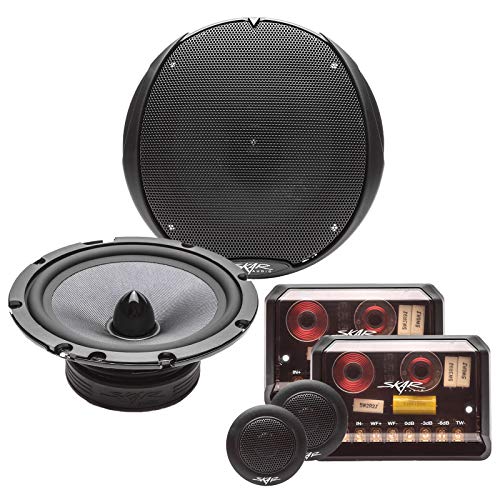
Skar Audio TX65C 6.5″ 2-Way Elite Component Speaker System
PIONEER A-Series Plus TS-A1681F 6.5″ 4-Way Coaxial Car Speakers
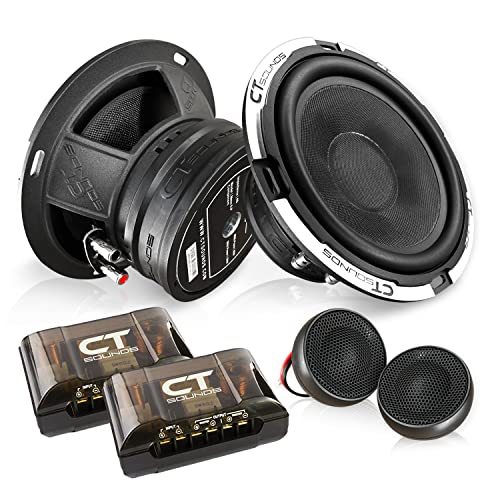
CT Sounds Meso 6.5” 320 Watt 2-Way Premium Component Car Speaker Set
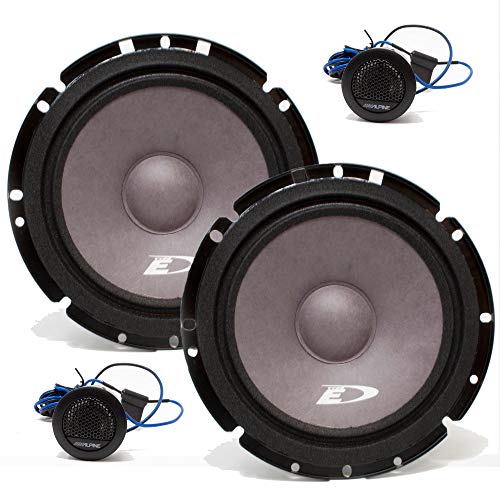
Alpine SXE-1751S Component System 280W Max, 45W RMS 6 1/2″ 2-Way Component Speakers
CT Sounds Meso 6.5” 500 Watt 3-Way Premium Component Car Speaker Set
More Details On Our Top Picks
That 6 by 9 size makes this Pioneer set feel like a straightforward factory refresh for sedans, coupes, and older door openings that already expect a larger driver. The 3-way layout means the sound is split across low, mid, and high ranges, so you get a more orderly presentation than a tired stock speaker usually gives you.
The honest read is that this looks best for daily driving rather than a full custom audio build. You may appreciate the efficient design most in cars that rely on modest head unit power, since that tends to reduce the need for extra hardware just to wake the speakers up.
Strong Points
- 6 x 9 sizing suits common rear-deck and door upgrades.
- Three-way layout helps vocals and treble stay separated from bass.
- High-efficiency design fits many stock-style systems well.
- Good match for a plain factory refresh without extra drama.
Things To Consider
- The larger frame won’t suit every door opening.
- You may need adapter work depending on your vehicle.
- As with many coaxial speakers, deep-bass impact still depends on the rest of the system.
Feature Snapshot
Who It Suits Best
Drivers replacing worn stock speakers in vehicles that accept 6 x 9 units will get the most from this set.
Where Another Pick Suits Better
Pioneer A-Series Plus TS-A1681F is the cleaner fit for smaller 6.5-inch openings and simpler installs.
Component systems like this Rockford Fosgate set split the woofer and tweeter, which helps place higher frequencies up top instead of letting them come from the same spot as the mids. That separation can make the front stage feel more open in a daily commuter, especially once the tweeters are aimed well.
Because the grilles are included, the package feels friendlier for a first component install than the more stripped-back Skar option later in the list. One thing worth considering is the extra wiring and placement work, since component systems ask a little more of the install than a plain coaxial set.
What We Like
- Separate tweeters give you more placement flexibility.
- Grilles included, which helps with a cleaner finish.
- Two-way layout suits front-stage focused listening.
- Good entry point for a component setup.
Minor Gripes
- Install work takes more planning than a coaxial swap.
- The separate pieces mean more parts to place neatly.
Details At A Glance
Who Will Love This
Front-seat listeners who want a clearer stage and are comfortable with a more involved install will like this set.
Another Choice May Suit
Alpine SXE-1751S works better for drivers who want a calmer upgrade with 45-watt RMS support and a less involved component layout.
This Skar Audio set leans harder toward an enthusiast-style install, and that’s exactly where its appeal starts. The two-way component format gives you the same sort of separation the Rockford set offers, but this one feels more aligned with people building a stronger front stage around aftermarket amplification.
You may find the overall approach more appealing than the Pioneer coaxial picks if your build already includes extra tuning pieces. The trade-off is that component setups tend to ask for more patience during mounting and wire routing, so the payoff suits a more hands-on project car.
Upsides
- Component layout supports a focused front soundstage.
- Good fit for more ambitious audio builds.
- Set of two works cleanly for front doors.
- Feels better suited to system upgrades than a quick swap.
Points To Note
- Install effort is higher than with coaxial speakers.
- Extra tuning and placement decisions matter here.
- The kit format favors planned setups over casual replacements.
Core Details
Perfect Match For
Project-minded drivers building a stronger front stage around aftermarket amplification will get the most from this set.
Swap It Out When
Rockford Fosgate Prime R165-S is easier to live with for a first component install that needs grilles and a calmer learning curve.
Compared with the 6 x 9 Pioneer above, this A-Series Plus set is easier to fit into more common 6.5-inch openings. A four-way coaxial speaker puts more of the frequency work into one frame, which can simplify the upgrade path for a daily car that just needs clearer, fuller sound.
The included installation adaptors make this feel especially practical for a factory replacement, and that helps when you want less guesswork at the door panel. The honest read is that coaxial convenience usually comes with less stage flexibility than a true component system, but for many cars that trade-off is exactly the right one.
Bright Spots
- 6.5-inch format fits many common factory openings.
- Four-way coaxial layout keeps installation simpler.
- Included adaptors help the swap feel more straightforward.
- Good match for a clean upgrade without added hardware.
Room For Improvement
- Coaxial design gives less placement control than components.
- Install fit still depends on your vehicle’s door shape.
Feature Rundown
Best Suited To
Drivers who want a simpler factory-style upgrade with a common 6.5-inch fit will feel at home with this set.
Look Elsewhere When
CT Sounds Meso 6.5” 320 Watt 2-Way Premium Component Car Speaker Set fits better for someone chasing a more adjustable front stage.
This CT Sounds Meso set sits in the more involved camp, and that usually makes sense for cars getting a serious audio refresh. At 320 watts, the published power figure suggests a setup built to handle more ambitious listening than a plain replacement pair, though the rest of your system still shapes the final result.
In a weekend project car, that extra headroom can feel useful once the tweeters are placed where the front stage opens up. Compared with the Rockford Fosgate set, this one reads as a touch more performance-minded, while still staying in a fairly familiar 6.5-inch format.
Best Bits
- 320-watt rating signals strong headroom for the class.
- Two-way component layout supports better driver placement.
- Good fit for custom front-stage planning.
- Useful choice for cars getting broader audio upgrades.
Softer Spots
- Installation takes more planning than a coaxial swap.
- More ambitious setups tend to need careful tuning.
- Best results depend on where the tweeters end up.
Spec Overview
The Right Fit
Drivers planning a more serious front-stage upgrade will get the most value from this set.
Reach For A Different Pick When
PIONEER A-Series Plus TS-A1681F is the easier answer for a faster factory-style swap with included adaptors.
This Alpine set feels aimed at steady daily use rather than chasing a big, flashy install. The 45-watt RMS figure, where RMS means a continuous power target rather than a burst number, gives you a clearer idea of the kind of regular power handling the system expects.
That makes it a sensible match for drivers who want dependable front-door sound without moving into a more complex audio project. Compared with the higher-output CT Sounds options, this one looks calmer and easier to integrate into a modest system, which can be exactly what a normal commute needs.
Reasons To Buy
- 45-watt RMS rating helps frame realistic daily use.
- 6.5-inch size suits many common front-door openings.
- Two-way component layout gives you better placement control.
- Good fit for measured upgrades, not just loudness chasing.
Areas To Watch
- Less aggressive than the higher-output picks in this list.
- Component wiring still asks for a careful install.
Quick Facts
Who Should Grab It
Drivers who want a restrained, dependable upgrade for a standard daily car will appreciate this Alpine set.
A Better Fit Elsewhere
CT Sounds Meso 6.5” 500 Watt 3-Way Premium Component Car Speaker Set suits people building a louder, more layered front stage.
Three-way component systems spread the work across more drivers, so this CT Sounds set is the most layered option in the roundup. That usually appeals to drivers building a stronger front stage with separate attention on lows, mids, and highs, especially in cars where sound quality takes priority over install simplicity.
Compared with the Alpine pair, this one leans harder into output and system complexity. The trade-off is a more involved install and more setup decisions, but that extra effort can suit a dedicated build like a weekend cruiser or a heavily upgraded daily.
Positives
- Three-way layout gives each frequency band more room to breathe.
- 500-watt figure points toward a more ambitious build.
- Strong fit for an upgraded front stage.
- Useful for vehicles already moving beyond stock audio.
Small Caveats
- Install work is heavier than with coaxial choices.
- Three-way tuning asks for more care.
- Best results usually come from a broader system plan.
Technical Sheet
Built With In Mind
Drivers building a high-output, front-stage-focused system will get the most from this set.
Where Shoppers Go Wrong
Alpine SXE-1751S is a calmer fit for a modest daily driver that needs less installation work.
How To Choose The Right Auto Component Speakers
Match The Speaker Type To Your Install
Coaxial speakers place the drivers in one housing, so they usually make sense for quicker swaps and simpler door work. Component systems split the woofer and tweeter, which gives you more placement control and often a cleaner front image.
The trade-off is effort. Coaxials fit the driver who wants less fuss, while components suit the person willing to route wires, mount tweeters, and spend a little longer on setup.
Focus On Size, Power, And Vehicle Fit
Size comes first because a great speaker means little if it does not match the opening in your door or rear deck. A 6.5-inch model suits many cars, while 6 x 9 units often work better in larger factory locations.
Power figures matter too, but only as part of the whole system. RMS, the continuous power rating, is useful for matching everyday output, while max wattage gives a rough sense of headroom.
Think About Sound Goals, Not Just Output
Some setups aim for a balanced, relaxed tone that works well on podcasts and long commutes. Others lean toward a more energetic top end or stronger bass presence, which can suit music-heavy drives.
The right choice depends on what you notice most in the cabin. Thin vocals, muted highs, or muddy doors each point to a different speaker style, so matching the symptom matters more than chasing the biggest number.
Plan For Installation And Long-Term Living
Installation time is part of the purchase, not an afterthought. Grilles, adaptors, and integrated crossovers can make life easier, while separate tweeters and extra wiring ask more from you.
Cleaning and durability also deserve attention. A setup with fewer loose pieces is easier to live with in a family car, while a more complex component kit usually rewards careful placement and patient upkeep.
A Quick Reality Check Before You Choose
Mistakes Worth Dodging
Plenty of shoppers fixate on wattage alone and miss the bigger fit problem. A speaker that sounds promising on paper can still be a poor match for your opening, wiring plan, or head unit output.
Another common slip is buying a component set without wanting component-level installation work. That leads to frustration, while a coaxial like the Pioneer A-Series Plus often solves the same basic problem with less effort.
What The Higher Tier Buys
Higher-tier speakers usually pay for better driver separation, more complex layouts, and sturdier materials around the basket, cone, and tweeter path. That can translate into cleaner staging, better control at higher volume, and a more convincing front seat sound.
The upgrade makes the most sense for drivers who spend serious time in the car or who already have a stronger amplifier plan. For simpler commuting, a well-matched mid-tier coaxial can make more sense than paying for extra complexity you will never set up fully.
Frequently Asked Questions
What Is The Difference Between Coaxial And Component Speakers?
Coaxial speakers keep the drivers together in one frame, which makes installation simpler. Component systems split the woofer and tweeter so you can place each part where it works best.
Do 6.5-Inch Speakers Fit Most Cars?
They fit many common front-door openings, but not every vehicle uses the same mounting pattern. Door depth, bracket shape, and factory hardware can change the final fit.
What Does RMS Mean On Car Speakers?
RMS refers to a continuous power figure, so it gives you a more practical guide than a burst-only wattage number. It helps you match the speaker to the power your system can supply over time.
Are 3-Way Speakers Better Than 2-Way Models?
Not automatically, because the extra driver only helps when the rest of the system and install suit it. A 2-way set can sound cleaner and be easier to live with in a normal daily car.
Which Pick Is Easiest For A First Upgrade?
PIONEER A-Series Plus TS-A1681F is the simplest path for many factory-style swaps. Its included adaptors and coaxial layout reduce the amount of planning you need.