
Factory speakers often fade into the background, and that’s fine until the bass gets thin, the treble turns dull, or a door panel starts sounding rough at normal volume. This roundup helps you sort through common replacement sizes and styles so your upgrade fits the car, the listening habits, and the amount of effort you want to spend. You’ll see compact options for simple swaps, mixed-size packages for broader coverage, and vehicle-specific fitment for Mazda owners.
The Shortlist At A Glance

PIONEER F-Series TS-F6935R 6 x 9 3-Way Car Speakers

PIONEER G-Series TS-G4620S 4 x 6 2-Way Speakers Pair

BOSS Audio Systems BRS69 6 x 9 Replacement Car Door Speaker

KICKER Speaker Package of 2 Items CS Series 46CSC654 46CSC464

PIONEER F-Series TS-F1035R 4 2-Way Car Speakers

Sound Storm Laboratories EX369 6.5 Inch Car Speakers Pair
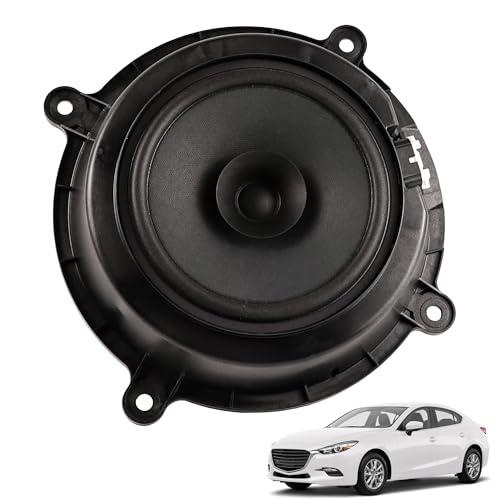
Front Door Speaker Compatible with 2013-2018 Mazda 3 6 CX-5
More Details On Our Top Picks
Door-speaker upgrades like this make sense for commuters who want cleaner vocals without turning the car into a project. The 6 x 9 format gives you a roomy footprint, and the 3-way layout splits the sound across different drivers, which usually helps keep highs cleaner than a plain single-driver swap.
The honest read is that this style fits OEM systems well, especially when you want an easier step up from tired factory cones. It’s a strong match for daily drivers, though you still need the right opening and mounting depth for your vehicle.
Strong Points
- 6 x 9 sizing suits many rear-deck and door openings.
- 3-way design can help keep treble more orderly at everyday volume.
- High-efficiency tuning works well with factory power in many cars.
- Good fit for steady commuting, not just casual weekend listening.
Things To Consider
- You still need to confirm fitment before opening the doors.
- The larger frame is less forgiving in shallow or unusual housings.
- Open-backed door installs often benefit from careful sealing and trim work.
Feature Snapshot
Who It Suits Best
Car owners replacing worn 6 x 9 factory speakers in a daily commuter will get the most from this pick.
A Better Fit Elsewhere
PIONEER G-Series TS-G4620S is the more practical match for smaller 4 x 6 openings and compact door panels.
This pair speaks to drivers with smaller factory openings who still want a cleaner front stage. A 2-way speaker means two main sound paths, usually a woofer and a tweeter, so you get a simpler layout than the 3-way Pioneer above without losing the same easy-fit mindset.
You’ll probably appreciate it most in compact doors or older cars with 4 x 6 cutouts that need a tidy, low-fuss replacement. It’s not the biggest-sounding option here, but it’s easier to match to space-constrained installs than the larger 6 x 9 picks.
What We Like
- 4 x 6 format fits many smaller factory openings.
- Two-way layout keeps the design straightforward.
- High-efficiency build suits stock power setups.
- Good choice for cleaning up weak original speakers.
Softer Spots
- Smaller cabinet size limits low-end presence compared with 6 x 9 models.
- Older vehicles may still need adapter work for a neat install.
Core Details
Whose Shelf It Belongs On
You’ll get the most from this pair in a car with 4 x 6 openings and modest factory power.
Swap It Out When
PIONEER F-Series TS-F6935R is the stronger fit for people who have room for a 6 x 9 upgrade and want more scale.
This BOSS Audio option keeps the focus on a plain 6 x 9 replacement path, which is exactly what many older sedans and trucks need. The simpler feature set makes sense for someone who wants a practical door refresh without chasing extra complexity.
Compared with the Pioneer picks, it feels more stripped back and less tuned around a polished sound signature. That trade-off can work in your favor when the main goal is getting a broken or tired speaker out of the way fast.
Bright Spots
- 6 x 9 size suits many common door openings.
- Direct replacement focus keeps the choice easy to understand.
- Good fit for basic restoration projects.
Minor Gripes
- The feature set is sparse, so you should expect a simple build.
- Owners doing a neat install may want extra care around door seals and fasteners.
- It gives less room for tailoring than the KICKER package.
At A Glance
Built With In Mind
People replacing a basic 6 x 9 factory speaker in an older daily driver should find this path easy to live with.
Another Choice May Suit
PIONEER F-Series TS-F6935R is the better route for drivers who want a more layered sound profile from a similar 6 x 9 opening.
This package makes sense for a car that needs more than one opening refreshed, because it bundles two 6.5-inch coaxial speakers and two 4 x 6 coaxial speakers in one set. That mix is handy for people dealing with front and rear doors that don’t share the same size, and it can save you from piecing together separate orders.
The 4-ohm load matters too, since that’s a common electrical match in car audio setups. You may find the package especially useful during a full cabin refresh, though the multi-size approach means fitment planning still matters.
Reasons To Buy
- Two speaker sizes in one package simplify mixed-fit jobs.
- 4-ohm design fits many standard car audio setups.
- Good match for full-door or full-cabin refreshes.
- Helps keep a multi-speaker project organized.
- Useful when your car needs more than one size at once.
Areas To Watch
- You still need to verify which doors take 6.5-inch and which take 4 x 6.
- A package like this can be more than you need for a single broken speaker.
Quick Facts
Perfect Match For
Drivers with more than one speaker size to replace will get the most value from this set.
Look Elsewhere When
Sound Storm Laboratories EX369 makes more sense for a simpler single-pair swap in a basic setup.
Smaller factory openings can be awkward, and that’s where a 4-inch coaxial like this makes life easier. The two-way layout keeps the design clean, while the compact frame suits dashboards and other tight spaces where bigger speakers simply won’t fit.
It’s a sensible step for older cars or vehicles with very small front locations, especially when you want a tidy replacement instead of reworking trim. The trade-off is obvious, though, because the smaller size usually leaves less room for fuller low-end sound.
Standout Traits
- 4-inch size is useful in tight factory openings.
- Two-way design keeps replacement straightforward.
- Works well in compact dash or front locations.
- Good for drivers who want a clean, simple swap.
Points To Note
- Smaller speakers usually give up some body compared with larger doors.
- Vehicle fit still needs checking before you start.
Feature Card
Who Should Grab It
You’ll appreciate this most in a car with tiny front locations that need a neat replacement.
Where A Sibling Pick Shines
PIONEER G-Series TS-G4620S is the better fit for cars with 4 x 6 openings and a little more space to work with.
Some installs just need a sensible pair that fills the opening and gets the cabin back in shape, and this one leans that way. The source details point to a 6 x 9 three-way layout, which suggests a fuller spread of sound than a plain two-way pair, even though the listing also frames it as a 6.5-inch set.
That mixed presentation means you’ll want to verify fit carefully, especially in a daily driver where you want the swap to be smooth. Compared with the Pioneer models, this pick feels more bare-bones, but that also keeps the focus on practicality rather than extras.
Best Bits
- Pair format works well for common two-speaker jobs.
- Three-way layout can spread sound more evenly.
- Simple enough for basic replacement projects.
Room For Improvement
- The listing language is less tidy than the Pioneer options, so fitment checking matters.
- You may want to confirm the opening size before planning the install.
- It feels more utilitarian than the KICKER package.
Details At A Glance
The Right Fit
Drivers who want a basic two-speaker upgrade for a general-purpose car install will get the most from this pair.
Reach For A Different Pick When
PIONEER F-Series TS-F6935R is a stronger match for anyone who wants a cleaner, more clearly defined 6 x 9 upgrade.
Vehicle-specific fitment changes the whole conversation, because this pick is built around certain Mazda 3, Mazda 6, and CX-5 model years rather than a generic opening. That makes it especially useful for owners who want a replacement that follows the car’s original layout more closely.
The wide-frequency-response note points to broader sound coverage, which can be welcome in a front door position where dialogue and music both matter. It’s a focused solution, not a universal one, so it works best when your car matches the stated vehicle range.
Positives
- Made around specific Mazda fitments.
- Front door use keeps the target job clear.
- Wide frequency response suggests a broader sound range.
- Good route for owners who want a model-matched replacement.
Worth Noting
- It only makes sense for the listed Mazda vehicles.
- Model-year matching needs careful checking before ordering.
- A custom-fit part leaves less room for cross-vehicle flexibility.
Technical Sheet
Made For
Mazda owners with matching model years who want a front door replacement built around the car.
Not Your Match When
PIONEER F-Series TS-F6935R is the safer pick for drivers who need a broader, more universal 6 x 9 option.
How To Choose The Right Automotive Replacement Speakers
Match The Opening Before Anything Else
Speaker size decides far more than most people expect. A 6 x 9, 6.5-inch, 4 x 6, or 4-inch opening can change how much bass you hear, how much trim work you face, and whether the swap feels clean or awkward.
That’s why fitment beats headline wattage in most real garages. A speaker that fits the factory hole well usually gives you a better result than a louder part that needs brackets, trimming, or extra patience.
Look At Driver Layout And Load
Coaxial speakers place multiple sound elements in one frame, which keeps replacement simpler. Two-way designs split the work between two main elements, while three-way designs spread it further, often helping the sound feel more layered.
Impedance matters too, especially the 4-ohm load on the KICKER package. In plain terms, impedance is the electrical resistance the speaker presents, and matching it properly helps your factory radio or amp stay in its comfort zone.
Think About Power And Factory Use
High-efficiency speakers are built to sound decent without demanding much from stock power. That makes them a good match for commuters, family cars, and older vehicles where you want a cleaner cabin without replacing the whole audio chain.
Larger power-handling numbers matter less than a careful match between the speaker and the rest of the system. For daily use, clean fit and sensible efficiency usually matter more than chasing a huge printed figure.
Choose Around Your Actual Cabin
A two-door car, an older sedan, and a Mazda front door do not need the same solution. Mixed-size packages help when different doors take different formats, while vehicle-specific models make sense when you want a more exact replacement path.
For everyday driving, the right pick is the one that fits the opening, matches the electrical load, and suits the kind of music you actually play. That combination keeps the upgrade practical instead of fussy.
What To Weigh Before You Click
Common Shopping Slip Ups
Fitment errors cause the most frustration in this category. A speaker can look right online and still miss the opening depth, mounting pattern, or door clearance in your car.
Another common miss is focusing only on size while ignoring the system around it. A compact 4-inch unit in a full-size door can work, but it won’t behave like a larger 6 x 9.
Where The Extra Money Goes
Higher-tier speakers usually use more refined driver layouts, more careful tuning, and sturdier materials around the cone and surround. That often shows up as cleaner vocals, smoother treble, and less strain at normal listening levels.
The upgrade makes sense for people who spend a lot of time in the car and notice harshness quickly. For short local trips, a simpler replacement can be enough.
Frequently Asked Questions
What size speaker should you match first?
Start with the factory opening, not the power number. A proper fit saves more hassle than a larger spec sheet.
Are coaxial speakers easier to install?
Usually, yes, because the drivers sit in one assembly. That keeps replacement simpler in many door and rear-deck jobs.
Does a 3-way speaker always sound better than a 2-way?
Not always, because fit and tuning matter just as much. A well-matched 2-way can sound better in your car than a poorly matched 3-way.
Why does impedance matter in car audio?
Impedance helps determine how the speaker loads the radio or amp. A correct match keeps the system working in a more predictable range.
Should you choose a vehicle-specific speaker or a universal one?
Vehicle-specific parts make sense for exact fitment, especially in Mazda-style applications. Universal picks work better when you want more flexibility across different cars.