

Choosing the right 2 0 Battery Cables matters most when the run is long, the load is demanding, or the install lives in a tight bay where sloppy wire gets annoying fast. You want cable that bends cleanly, matches the terminals you plan to use, and holds up in a car, RV, inverter setup, solar bank, or generator tie-in. This roundup keeps the focus on practical fit, not flashy extras.
Quick Look At The Shortlist
WNI 2/0 Gauge 20 Feet Welding Battery Cable

WindyNation 2/0 Gauge Cable Kit With Lugs

TEMCo 2/0 Gauge Flexible Pure Copper Cable

Spartan Power 1/0 AWG Battery Cable 5 Foot Red

Shirbly 2/0 Gauge Battery Cable 20 Feet

Shirbly 2/0 AWG Cable With 3/8 Inch Terminals

Shirbly 2/0 AWG Cable With 5/16 Inch Terminals
More Details On Our Top Picks
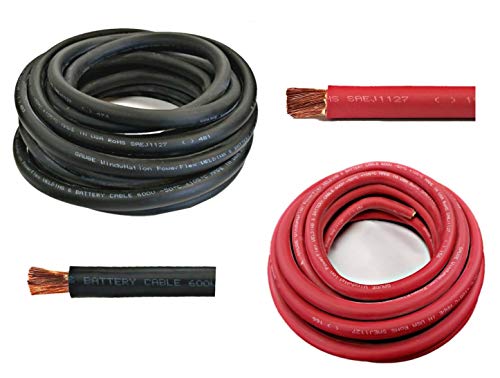
Long cable runs are where this WNI set earns attention, because you get 10 feet of black and 10 feet of red for cleaner routing across a vehicle bay or equipment area. The ultra-flexible build matters in cramped spaces, since stiff wire can fight every bend like a stubborn hose.
Made in the USA is a useful trust signal for many shop and off-grid installs, though the trade-off is that you’re buying cable only, so you still need the right lugs and finish work. For RV owners, inverter setups, and solar tie-ins, the 20-foot total length gives room to plan a tidy path instead of stretching every inch.
What We Like
- Full 20-foot total length helps with longer routing jobs.
- Separate red and black runs make polarity easy to keep straight.
- Flexible welding-cable construction suits tight bends and corner turns.
- Pure copper construction is a strong fit for current-heavy applications.
- Works well for car, inverter, RV, and solar layouts.
Points To Note
- No terminals are included, so your install still needs matching hardware.
- The longer length is handy, but it can feel excessive for short starter-cable jobs.
- Basic cable-only packaging means more prep on your side.
Feature Snapshot
Who It Suits Best
Shop owners and DIY installers who need a long, flexible 2/0 run for vehicles, inverters, or solar banks will get the most from it.
Where A Sibling Pick Shines
WindyNation’s 2/0 Gauge Cable Kit With Lugs suits first-time installers better because the connector bundle trims extra parts shopping.
This WindyNation bundle is easier to live with than a bare cable set because it includes 10 tinned copper lugs and 3 feet of black heat shrink tubing. Tinned copper means the lug surface has a thin protective coating, which helps slow surface corrosion in damp garages or marine-adjacent storage.
The cable itself is 10 feet red and 10 feet black, so you still get the same usable reach as the first pick, but with less parts chasing afterward. For a garage install or a clean battery-bank build, that convenience can save you from piecing together mismatched parts.
Strong Points
- Included lugs and heat shrink make the kit more complete.
- Tinned copper connectors are useful in humid storage areas.
- Ten feet per color gives practical flexibility for paired runs.
- Less separate sourcing means a smoother setup for new installers.
- Better fit than bare cable for a first battery-bank build.
- Still keeps the familiar 2/0 gauge size for heavier service needs.
Small Caveats
- The kit approach can add pieces you may not need for a simple cable swap.
- Anyone with a very specific terminal preference may still choose separate parts.
Core Details
Who Should Grab It
You’ll like this kit most if you want a cleaner, more complete parts box for a battery, inverter, or solar project.
Skip It When
TEMCo’s 2/0 Gauge Flexible Pure Copper Cable fits better for a cable-only job where you already have lugs and heat shrink on hand.
Compared with the WindyNation pair, this TEMCo option keeps the same 10-foot black and 10-foot red layout but leans harder into a heavy-work feel. The flexible pure copper construction is the part that matters most, because cable that stays easy to route is less annoying during a cramped install.
That makes it a sensible fit for inverter banks, truck builds, and RV power runs where clean bends matter as much as raw thickness. The honest read is that you still need to finish the ends yourself, so this suits a shopper who already has the right lugs or plans to choose them separately.
Reasons To Buy
- Pure copper cable supports demanding electrical use.
- Flexible jacket helps with route planning in tight compartments.
- Paired red and black lengths keep wiring organized.
- Good fit for inverter, solar, truck, and RV layouts.
- USA-made build note may matter for some shop projects.
Worth Noting
- Terminal hardware is not part of the package.
- It is more suited to planned installs than quick patch jobs.
- Length works well for longer routes, but short runs may feel wasteful.
Details At A Glance
The Right Fit
You’re the right match for this one if you want cable first, extras second, and you’re planning a serious vehicle or power-system install.
Another Choice May Suit
WindyNation’s 2/0 Gauge Cable Kit With Lugs makes more sense for a cleaner all-in-one box because the connector bundle is already there.
This Spartan Power cable steps away from the longer 2/0 sets and lands in a shorter 1/0 AWG format, which makes it useful for compact custom runs. A 600-volt rating is listed on the product page, and that kind of headroom matters to a DIY installer planning a tighter electrical path.
Five feet is short enough to keep clutter down in a workshop or under-hood layout, but that same brevity is the trade-off. For short battery leads, test bench setups, or trimmed automotive routing, it feels tidy and deliberate rather than oversized.
Highlights
- Short 5-foot length works well for compact layouts.
- 1/0 AWG sizing suits custom automotive and workshop leads.
- 600-volt listing gives useful specification context for planning.
- Red jacket makes positive-side routing easy to spot.
Areas To Watch
- The shorter format is not a fit for longer battery-bank runs.
- Only one color is listed, so a full paired setup needs another part.
- It leans toward custom work, not full kit convenience.
Quick Facts
Built With In Mind
Custom installers and shop users who need a short, red battery lead will get the cleanest fit here.
Look Elsewhere When
TEMCo’s 2/0 Gauge Flexible Pure Copper Cable suits longer inverter or RV runs better because it keeps the paired red and black layout together.
Shirbly keeps the formula simple: 10 feet of red, 10 feet of black, and pure copper wire sized at 2/0 AWG. That plain setup is useful because it gives you a familiar starting point for automotive, battery, solar, or generator work without extra clutter in the listing.
Compared with the WNI set, the appeal is less about a special angle and more about straightforward versatility. You may find it especially handy for a general-purpose garage build, where the same cable can move between different projects as your setup changes.
Positives
- Balanced 20-foot total length supports common project layouts.
- Red and black pairing helps keep polarity clear.
- Pure copper construction fits current-demanding use.
- Works across automotive, battery, solar, and generator jobs.
Softer Spots
- The listing is straightforward, so it does not add many extras.
- Installation still depends on the lugs and tools you already have.
At A Glance
Whose Shelf It Belongs On
This belongs with you if you like a plain, flexible 2/0 cable set that can handle a few different jobs without overcomplicating the cart.
A Better Fit Elsewhere
WindyNation’s 2/0 Gauge Cable Kit With Lugs makes more sense for a first-time install because the added hardware reduces setup friction.
This Shirbly pair trims setup time because the 3/8-inch terminals are already attached, which is a major convenience in a garage or RV compartment. The 2-foot length keeps it compact, so it feels more like a purpose-made connection than a general cable run.
Compared with the longer 2/0 cable sets, this one is for tight spaces and direct hookups. The trade-off is obvious, though, since short leads are great for tidy installations but not useful for spanning distance across a large battery bank.
What We Like
- Pre-attached terminals save assembly steps.
- 2-foot paired length suits compact connections.
- 2/0 gauge still gives you heavy-duty cable sizing.
- Useful for automotive, solar, RV, and motorcycle applications.
- Red and black pair keeps polarity simple.
Minor Gripes
- Short length limits use to close-range hookups.
- Terminal size needs to match your existing hardware.
- Not a fit for larger battery-bank spacing.
Feature Rundown
Who Will Love This
You’ll appreciate this most for short, tidy hookups where the terminals need to be ready from the start.
Reach For A Different Pick When
The WindyNation 2/0 Gauge Cable Kit With Lugs suits a broader first build better because it adds more finish parts in one box.
This version follows the same compact 2-foot paired layout as the 3/8-inch terminal model, but the 5/16-inch ends make it a better match for different studs and lugs. That small change matters more than it sounds, because terminal fit is where a tidy project either stays simple or turns into a parts chase.
For battery posts, inverter leads, or motorcycle and RV hookups, the shorter length keeps the cable neat and contained. It sits in the same practical lane as the previous Shirbly pick, but the terminal size gives you a different compatibility path.
Bright Spots
- 5/16-inch terminals suit a different connection style than the 3/8-inch version.
- Short 2-foot pair helps avoid cable slack.
- OFC pure copper build fits power-focused use.
- Good for compact automotive, solar, RV, and motorcycle layouts.
Honest Caveats
- Short length limits the cable to close connections.
- Terminal fit needs to be checked carefully before install.
- Not meant for large equipment spacing.
Core Details
Perfect Match For
You’re a good fit for this cable pair if you need a short, finished lead with 5/16-inch terminals and a compact layout.
Swap It Out When
Shirbly’s 2/0 AWG Cable With 3/8 Inch Terminals is the better choice for your setup if your hardware calls for that larger terminal size.
How To Choose The Right 2 0 Battery Cables
Gauge, Length, And Load Fit
2/0 AWG is a heavy cable size, so it suits installs that need a thicker conductor for battery banks, inverters, solar equipment, or vehicle power runs. Length matters just as much, because a short lead can keep a bay tidy while a 20-foot pair gives you room to route cleanly around panels, trays, and brackets.
The right mix depends on distance and layout, not just thickness. A longer cable can make a neat install easier, but extra length also means more material to manage and store.
Pure Copper Versus Finished Kits
Pure copper cable is a smart call for power-focused projects because it gives you the conductor without extra filler. A kit with lugs and heat shrink is easier for a new install, since it reduces the number of parts you need to source and match.
That trade-off is simple: bare cable gives you flexibility, while a bundle saves setup time. For a first battery-bank job, the kit approach usually feels calmer.
Terminal Size And Compatibility
Terminal diameter is easy to overlook, and that’s where a lot of installs stall out. A 3/8-inch lug, for example, fits different hardware than a 5/16-inch end, so you want to match the stud, post, or bolt before you commit.
Short cable with the wrong terminal is still the wrong cable. The safest route is to confirm your connection points first, then choose the cable pair that matches them without forcing adapters into the job.
Where Flexibility Helps Most
Flexible welding-style cable is useful in RV compartments, under-hood spaces, and inverter enclosures where the route bends around corners. Stiffer wire can fight you there, while a more pliable jacket tends to settle into place with less strain.
That flexibility does not replace proper routing or protection, but it makes the install feel less cramped. For a project that lives in a tight bay, that’s a meaningful quality-of-life benefit.
What To Weigh Before You Decide
Mistakes Worth Dodging
Many shoppers focus only on gauge and skip the terminal size, which is how a cable set ends up close but not quite right. Another common miss is buying a bare pair when the job really needs lugs and heat shrink in the same box.
Length gets overlooked too. A 2-foot pair works beautifully for compact hookups, yet it can feel useless for a battery bank spread across a larger compartment.
The Upgrade Payoff
Higher-tier cable sets usually cost more because of conductor quality, terminal finishing, included heat shrink, and tighter attention to flexibility. Those details matter most in installs that see movement, vibration, or repeated access, such as an RV bay or a custom truck setup.
That extra spend makes sense when you want fewer headaches at install time and a cleaner finished path. For simple one-off repairs, a basic cable-only set often does enough.
Frequently Asked Questions
What does 2/0 AWG mean?
2/0 AWG is a wire size label, and in this category it points to a thicker cable meant for heavier electrical paths. It’s useful for battery, inverter, solar, and vehicle applications where smaller wire would feel undersized.
Do you need lugs with 2/0 battery cable?
Yes, most cable-only sets still need lugs or terminals added before installation. A kit that already includes them can save setup time and reduce mismatched parts.
Is flexible welding cable a good choice here?
It usually is, especially in tight spaces where a stiff lead would be annoying to route. The flexible jacket makes bends easier without turning the cable into a wrestling match.
What length works best for a battery bank?
The right length depends on where the battery, inverter, or accessory actually sits. Short runs suit compact installs, while longer paired cable helps when the components are spread apart.
How do you choose the right terminal size?
Measure the stud or post the cable will connect to, then match the lug opening exactly. A 3/8-inch terminal and a 5/16-inch terminal are not interchangeable in practice.
Closing Thoughts
The right 2 0 Battery Cables come down to layout, terminal fit, and how finished you want the install to feel. A bare 20-foot pair gives you flexibility, a kit with lugs trims extra work, and a short terminal-ready lead keeps tight spaces neat. Match the cable to the project instead of chasing the heaviest-looking option, and the result usually feels cleaner from day one.