Boat fuel storage asks for more than a plain tank. You need the right size for your runabouts or outboard setup, a shape that fits the space you actually have, and venting that makes filling and storage less fussy.
This roundup focuses on compact marine tanks and larger fuel caddies for boats, trailers, and mixed-use garages. You’ll see which options suit under-seat storage, longer outings, and heavier fueling jobs, so you can match the container to the way you really use your boat.
Quick Look At Our Shortlist

Scepter 6 Gallon Portable Marine Gas Can


Scepter 9 Gallon Portable Marine Gas Can

Scepter 3.2 Gallon Portable Marine Gas Can

Attwood 6-Gallon Portable Marine Boat Fuel Tank
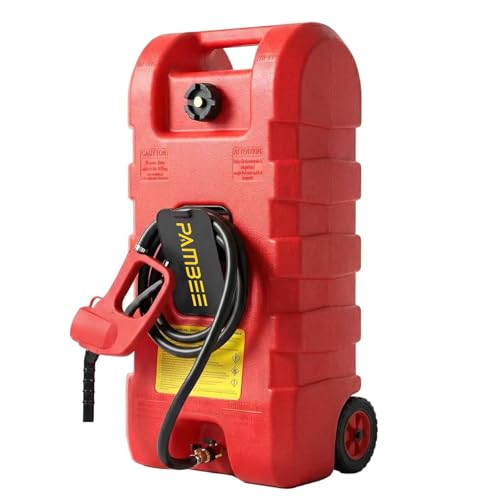
15 Gallon Gas Can Fuel Tank Container with LE Fluid Transfer Manual Siphon Pump and 10FT Hose, Red

15 Gallon Gas Can Fuel Tank Container with LE Fluid Transfer Manual Siphon Pump and 10FT Hose, Grey

15 Gallon Gas Can Fuel Tank Container with LE Fluid Transfer Manual Siphon Pump and 10FT Hose, Yellow
More Details On Our Top Picks
The 6-gallon size sits in a useful middle ground for many small boats, especially the ones that live on a trailer or in a garage with limited floor space. Its underseat shape helps it stay out of the way, and the top handle makes carrying less awkward than a tank with no proper grip.
The 2-way vented cap matters because venting helps the tank breathe during use and storage, while the built-in gauge and pick-up give you a more practical read on remaining fuel. The honest trade-off is simple: larger boats will want more capacity, but this format makes sense for day trips and regular refills.
Strong Points
- Underseat profile fits tight boat storage areas.
- Top handle helps with carrying and repositioning.
- Built-in gauge supports quicker fuel checks.
- Pick-up setup suits routine outboard fueling.
- Compliant build is a plus for everyday ownership.
Points To Note
- Six gallons can feel modest on longer runs.
- The compact body suits smaller layouts more naturally than wide-open decks.
- Like most fuel tanks, it benefits from careful storage and cap checks after use.
Feature Snapshot
Who It Suits Best
You get the most from this tank if you run a smaller boat, keep fuel needs moderate, and want a container that slides into a defined underseat space without fuss.
A Better Fit Elsewhere
The Scepter 9 Gallon Portable Marine Gas Can suits boaters who want fewer refueling stops and can handle a larger footprint.
This one is the easiest fit for very small boats, short outings, or storage spots where every inch counts. Compared with the 6-gallon Scepter above, it trims capacity for a lighter carry and a lower profile, which is handy in cramped compartments.
The built-in gauge and pick-up keep it practical, and the top handle gives you a cleaner handhold than a bare tank body. The trade-off is obvious, though, since you give up runtime to gain convenience, so this shape suits close-to-shore use more than all-day cruising.
What We Like
- Small footprint works well in tight storage bays.
- Top handle keeps lifting straightforward.
- Built-in gauge helps you track fuel at a glance.
- 2-way vented cap adds everyday usability.
Small Caveats
- Three gallons is a limited reserve for longer runs.
- It suits compact boats more naturally than larger hulls.
- You may need to refill more often than with the 6-gallon or 9-gallon Scepter tanks.
At A Glance
Made For
You’ll appreciate this tank most on small craft where light weight and a low profile matter more than extended range.
Skip It When
The Scepter 6 Gallon Portable Marine Gas Can is the better match for boaters who want a little more breathing room between fill-ups.
The 9-gallon capacity changes the feel right away, because you get a larger reserve for longer days on the water or boats that don’t get refueled often. Compared with the 3- and 6-gallon Scepter tanks, this one leans toward range and stability, not compactness.
Its rectangular shape and dual handles make it easier to manage than a tall, awkward container, though the larger body does ask for more storage room. The honest read is that this fits serious use better than casual hop-around boating, especially when less frequent refilling matters.
Reasons To Buy
- Higher capacity supports longer intervals between refills.
- Rectangular body helps with stable placement.
- Handles on the tank improve moving and positioning.
- Built-in gauge gives a clearer fuel read.
- Works well for boaters who prefer a larger reserve.
Areas To Watch
- The larger size asks for more storage room than the compact Scepter options.
- Filled weight will be more noticeable during carrying.
- It makes the most sense for boats that can accommodate a bigger tank shape.
Technical Sheet
The Right Fit
This suits boaters who want more reserve fuel and have the room to store a larger rectangular tank without crowding the deck.
Look Elsewhere When
The Attwood EPA and CARB Certified 6-Gallon Portable Marine Boat Fuel Tank is easier to live with for mid-size boats that don’t need the extra reach.
Shorter than the 6-gallon Scepter, this 3.2-gallon tank is built for boats that need a lower profile under seat or in narrow storage spaces. The molded-in feet are a smart touch because they lift the body slightly off the floor, which helps with ventilation and steadier placement.
The slim shape is the main reason to choose it, and that pays off in tighter compartments where taller tanks become a hassle. You do give up capacity, so this works best for day use, smaller engines, or owners who refill often anyway.
Bright Spots
- Low-profile body suits narrow storage areas.
- Molded-in feet help with stability and air circulation.
- Top handle makes moving the tank easier.
- Built-in gauge and pick-up support routine use.
Worth Noting
- Capacity stays modest at 3.2 gallons.
- It favors compact boats more than larger setups.
- Shallow storage is the main reason to choose it, so roomier boats may prefer the 6-gallon Scepter instead.
Core Details
Whose Shelf It Belongs On
This is a smart match for boat owners who want compact storage and a simple tank shape that stays out of the way.
Another Choice May Suit
The Scepter 6 Gallon Portable Marine Gas Can gives you more buffer between fill-ups without giving up the same storage-friendly design.
This Attwood tank keeps the formula straightforward, which is useful for boaters who want a familiar 6-gallon format without extra clutter. Compared with the Scepter 6-gallon model, it stays centered on the same capacity class and should appeal to anyone who values a simpler layout.
The built-in gauge is the main practical detail here, since fuel visibility matters more than fancy extras in daily use. One thing worth considering is that the lighter feature set can be a plus or a minus depending on how much you want to manage by hand.
Highlights
- 6-gallon size fits many mid-size boat routines.
- Built-in gauge adds quick fuel awareness.
- Straightforward format keeps day-to-day use simple.
- Good match for owners who want a familiar tank style.
Room For Improvement
- It does not lean into compact underseat shaping the way some Scepter tanks do.
- Owners who want more capacity may prefer the 9-gallon Scepter.
- Less detailing means fewer built-in conveniences overall.
Feature Rundown
Best Suited To
This fits boaters who want a plain, dependable 6-gallon tank and do not need a lot of shape-specific storage tricks.
Where A Sibling Pick Shines
The Scepter 6 Gallon Portable Marine Gas Can is the better fit for anyone who wants an underseat form and a more compact physical footprint.
This 15-gallon caddy moves into a different lane from the compact marine tanks above, because it’s meant for bigger transfer jobs rather than a simple underseat setup. The included manual siphon pump and 10-foot hose make it practical for boats, ATVs, mowers, and vehicles, especially in a garage where one fuel source serves several machines.
Wheels change the day-to-day experience a lot, since a full 15-gallon container is not something you want to drag by hand. The trade-off is size and complexity, so this feels better for storage space and rolling access than for quick stow-and-go boating.
Plus Points
- Large 15-gallon capacity handles bigger fueling routines.
- Wheels make movement easier once the container is filled.
- Manual siphon pump supports transfer without extra gear.
- 10-foot hose adds reach around vehicles and equipment.
- Useful for mixed storage in garages or sheds.
Areas To Watch
- Its size asks for more floor space than the marine tanks.
- The rolling setup fits home storage better than tight boat compartments.
- More moving parts also mean more to keep clean and organized.
- It can feel oversized for small craft that only need modest reserve fuel.
Details At A Glance
Built With In Mind
You get the most from this caddy if you fuel multiple machines and want one rolling container instead of several small cans.
Reach For A Different Pick When
The Scepter 9 Gallon Portable Marine Gas Can is a neater fit for boaters who want a simpler marine tank rather than a rolling transfer caddy.
The grey version keeps the same 15-gallon rolling setup as the red model, but the source details call out the tank and nozzle as high-density polyethylene, which is a tough plastic commonly used for fuel containers. That matters because the material choice can help the container hold up better in garage use, while the automotive-grade rubber hose adds a more serious feel than a basic short hose.
The included hose holder is a small detail, yet it helps with storage and keeps the setup tidier between uses. Compared with the red PAMBEE caddy, this one stands out more for material and hose details than for a totally different shape, so it makes sense for shoppers who want a bit more structure in the build.
Best Bits
- High-density polyethylene tank and nozzle add durable everyday utility.
- Automotive-grade rubber hose feels more serious for repeated fueling tasks.
- Hose holder helps keep the setup organized.
- 15-gallon capacity covers multiple pieces of equipment.
- Rolling format reduces the strain of moving a full container.
Softer Spots
- The size still asks for floor space and a clear path.
- Its strengths matter most in garages, sheds, and mixed-use storage, not compact boat compartments.
- The larger system takes a little more care when storing the hose and accessories.
Core Details
Who Will Love This
This suits you best if you want a rolling transfer tank for regular garage work and value a sturdier hose-and-tank setup.
Swap It Out When
The Scepter 3.2 Gallon Portable Marine Gas Can is the cleaner choice for boaters who care more about compact underseat storage than transfer capacity.
The yellow finish makes this caddy easier to spot in a crowded garage, and that’s not a trivial detail when you share space with tools, bins, and lawn gear. It keeps the same 15-gallon capacity, manual siphon pump, 10-foot hose, and wheeled format as the other PAMBEE options, so the difference is mostly visual and organizational.
That visibility can help you keep track of where the unit lives, especially in darker storage areas or a workshop with a lot of similar containers. Compared with the grey version, this one is the better fit for anyone who wants the same transfer setup but prefers quicker visual identification at a glance.
Positives
- Yellow body is easy to spot in busy storage areas.
- 15-gallon size suits larger fuel-handling routines.
- Wheels make repositioning more manageable.
- Manual siphon pump and hose keep the setup self-contained.
Minor Gripes
- The main advantage here is visual clarity, so it may not matter much in neatly organized spaces.
- Like the other 15-gallon caddies, it needs more room than a standard marine tank.
- The transfer setup asks for tidy hose storage after use.
Quick Facts
The Right Fit
You’ll like this best if color-coding or quick visual spotting helps you stay organized around the garage or dock area.
Where A Sibling Pick Shines
The PAMBEE 15 Gallon Gas Can Fuel Tank Container in grey is the cleaner match if you want the same setup with a more subdued look and a material-focused spec set.
How To Choose The Right Boat Gas Cans
Size Should Match Your Fuel Rhythm
Capacity is the first thing to weigh, because a 3-gallon tank and a 9-gallon tank solve very different problems. Smaller marine tanks suit short hops, backup fuel, and compact underseat compartments, while larger ones make more sense for longer days or boats that stay out longer between fills.
The right size is often the one that fits your actual outing pattern, not the one that sounds reassuring on paper. A full tank also gets heavier, so carrying comfort matters more than many people expect.
Shape Matters As Much As Volume
Underseat and low-profile tanks are useful in boats with shallow storage bays, and rectangular tanks usually sit more predictably than oddly shaped containers. That helps with stability, but it also affects how easily you can lift, stow, and secure the tank during transport.
Wide-open boats can tolerate a bulkier tank, while compact center sections usually reward slimmer bodies and molded-in feet. The trade-off is simple, you often choose between better storage fit and a larger fuel reserve.
Venting, Gauge, And Fuel Pickup
A vented cap lets the tank breathe, which matters for routine fueling and storage because pressure management is part of how these containers stay manageable. A built-in gauge adds a useful glance check, and a pick-up or hose connection supports the actual transfer process.
Those details are easy to overlook until you are filling late in the day or checking fuel with wet hands at the dock. Tanks with more of those features usually feel easier to live with, even when the shell itself is plain.
Think About Storage And Cleanup
Fuel containers live better in places that stay dry, organized, and away from clutter. Tanks with handles, feet, or wheels are easier to move and keep off a damp floor, while smooth surfaces and simple fittings are usually easier to wipe down.
For mixed garage use, hose holders and compact accessories can save a lot of hassle. That small convenience matters more than flashy extras, especially when you want the setup ready without a long reset.
Things Worth Knowing First
Common Shopping Slip Ups
Many people pick capacity first and ignore fit, which is how a tank ends up too tall for the compartment. Another common miss is overlooking how often you actually refuel, since the smallest can may force more stops than you want.
Shape and access matter just as much as gallon count. A tank that sits neatly under a seat often feels easier to live with than a larger option that fits only on paper.
What The Higher Tier Buys
Higher-end models usually bring better material choices, longer hoses, rolling bases, or more complete fuel-transfer setups. Those additions cost more because they make the container easier to move, easier to store, and more versatile around boats plus other equipment.
The upgrade makes sense for frequent use, shared storage, or bigger fueling jobs. For a small boat with simple needs, a compact marine tank often covers the job without extra complexity.
Frequently Asked Questions
What size works best for a small boat?
A 3-gallon or 3.2-gallon tank fits small boats that make shorter runs or stay near the dock. A 6-gallon tank gives you more breathing room without jumping to a bulky footprint.
Why do vented caps matter?
A vented cap helps the tank manage airflow during use and storage. That makes filling and routine handling feel less awkward.
Do underseat tanks really save space?
Yes, the lower profile helps the tank sit in shallow compartments more easily. That’s useful on boats with tight storage bays.
Are larger rolling caddies good for boats?
They work better for boats that share fueling duties with lawn or garage equipment. Smaller craft usually do better with a marine tank made for onboard storage.
What’s the main trade-off with bigger capacity?
You gain fewer refills and more reserve fuel. You also take on more weight and a larger footprint.
Closing Thoughts
The right boat fuel container is the one that fits your storage space, your refill routine, and the way you handle gear around the dock or garage. Compact Scepter tanks make sense for small boats and underseat storage, while the larger PAMBEE caddies suit shared fueling jobs and rolling transport. Attwood’s 6-gallon tank sits comfortably in the middle for boaters who want a simple, familiar layout. Choose the shape that fits your space first, and the rest gets easier.