A good boost pedal does one job well, then gets out of the way. You might want a little more push for solos, a cleaner front end for an amp, or tighter control over bass or midrange without rebuilding your whole rig.
This roundup focuses on pedals that suit rehearsal rooms, home setups, club stages, and grab-and-go boards. You’ll see simple clean boosts, EQ-driven options, and a couple of broader overdrive-style picks for players who want more than just volume.
The Shortlist At A Glance
EX 7 Band EQ Mini Guitar Pedal

Electro-Harmonix LPB-1 Linear Power Booster Pedal
MOSKY Golden Horse Overdrive Effect Pedal

JOYO Bass Overdrive Guitar Pedal, DOUBLE THRUSTER R-28

JHS Pedals JHS Clover Preamp/Boost Guitar Effects Pedal
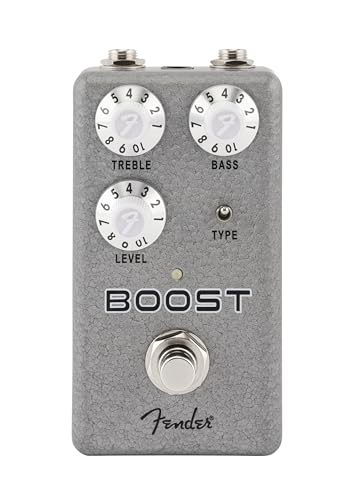
Fender keeps this one straightforward, which helps in a crowded pedalboard. A clean boost like this fits a home practice amp just as naturally as a louder rehearsal rig, and the appeal is the clarity it can add without demanding a lot of menu-style thinking.
Compared with the EQ-heavy EX mini pedal later in the list, this is the simpler path, less shaping and more direct lift. Players who want a familiar Fender build feel and a pedal that stays out of the way usually land here first.
Strong Points
- Simple boost layout keeps setup fast.
- Clean level lift suits rhythm and lead work.
- Compact shape helps on tight boards.
- Works well as an always-on helper for push and presence.
Points To Note
- It stays focused on boost, so deep tone shaping is limited.
- Players chasing heavier coloration may want a different style.
Feature Snapshot
Who It Suits Best
Players who want a clean, familiar boost for electric guitar will get the most from it, especially in straightforward rigs.
A Better Fit Elsewhere
JHS Pedals JHS Clover Preamp/Boost Guitar Effects Pedal suits players who want more preamp-style control and a broader range of shaping.
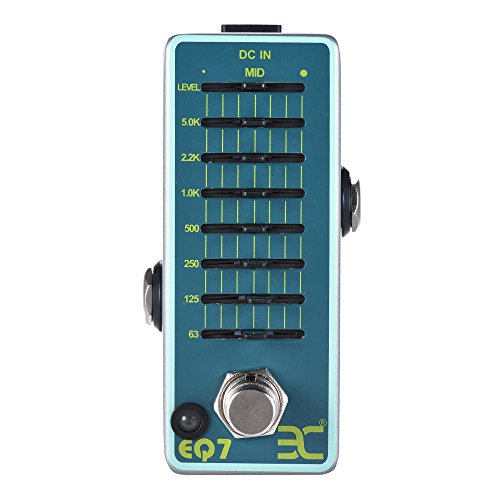
This tiny EQ pedal makes the case for control over volume alone. Seven bands mean you can raise or trim separate parts of the frequency range, which matters when a room sounds boxy, a guitar sits too far back, or your amp needs a little cleanup around the edges.
Unlike the Fender Hammertone Boost, this one asks you to think about tone a bit more, but that also gives you more room to fix a stubborn rig. For home players and tinkerers, that extra control can be the difference between “close enough” and “right there.”
Upsides
- Seven-band EQ lets you shape problem spots with precision.
- Mini footprint helps on crowded boards.
- Useful for matching different guitars to one amp.
- Handy in a small room where bass or mids can build up.
Small Caveats
- EQ pedals reward patience, so it may take a little dialing-in.
- Players wanting a single clean push may find it more involved.
- Very small controls can feel tight on fast adjustments.
Quick Facts
Who Will Love This
Players who like shaping tone at the pedalboard, rather than just lifting level, will get the most from this compact EQ.
Another Choice May Suit
MXR Micro Amp is the cleaner fit for players who want quick level lift without the extra EQ work.
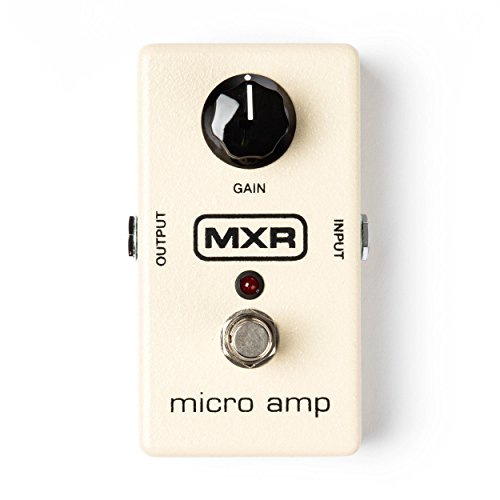
The Micro Amp is the sort of pedal that makes sense in a real working rig, where you want a push for solos without rethinking the rest of your chain. The single-purpose design keeps the signal path easy to understand, and that suits players who want less fiddling between songs.
Compared with the EQ-heavy EX mini pedal, this one is much more direct, and that simplicity is the point. In a live set or a rehearsal room, you may find the quick level lift easier to trust than a more detailed tone tool.
Highlights
- Single-control layout keeps operation fast.
- Good fit for lead lifts and slight amp push.
- Small enclosure works on compact boards.
- Easy to understand in a dark rehearsal space.
Areas To Watch
- It is focused on boost, so tone shaping stays minimal.
- Players who want multiple controls may outgrow it.
Core Details
Best Suited To
Guitar players who want a simple, dependable push for solos or amp response will appreciate the Micro Amp most.
Skip It When
EX 7 Band EQ Mini Guitar Pedal makes more sense for players who need to sculpt troublesome frequencies instead of just raising level.
This LPB-1 keeps the idea of boost old-school and plainspoken. A linear booster raises signal in a direct way, which can be handy for players who want their amp to react a little harder without adding extra pedalboard complexity.
Compared with the MXR Micro Amp, the feel here is similarly focused, but the LPB-1 has a more classic booster reputation among players who like simple signal push. For stage use or a no-nonsense practice rig, that straightforward character can be exactly enough.
Best Bits
- Very simple layout keeps setup fast.
- Useful for pushing an amp into a more animated response.
- Easy to place near the front of a signal chain.
Worth Noting
- It is a basic booster, so tonal shaping stays limited.
- Players seeking multiple controls may want a more layered option.
Details At A Glance
Right Fit For
Players who want a plain booster for electric guitar, especially in a straightforward rig, should feel at home here.
Where A Sibling Pick Shines
Fender Hammertone Boost is the better match for players who prefer a more modern-brand voicing and a fresh compact enclosure.
This MOSKY pedal sits in the overlap between boost and overdrive, so it suits players who want a touch of grit with the lift. True bypass means the pedal can stay out of the circuit when it’s switched off, a simple design choice that matters in a pedalboard with several effects.
Compared with the pure boosters above, it brings more color to the sound, which some rigs need and others don’t. In most bedroom setups and small-stage boards, that extra texture can be useful, though players chasing a transparent push may prefer the Fender or MXR options.
What We Like
- Blend of boost and overdrive gives more texture than a pure lift.
- True bypass suits boards where you want a cleaner bypass path.
- Compact form makes it easier to fit beside other dirt pedals.
Room For Improvement
- It is less transparent than a dedicated boost.
- Players who only want level lift may find the voice a little colored.
- Model details are lighter than on some bigger-brand pedals.
Spec Overview
Whose Shelf It Belongs On
Guitar players who like a little saturation along with their boost will get the most from this pedal.
Reach For A Different Pick When
MXR Micro Amp is the cleaner choice for players who want a more direct, no-frills level bump.
This JOYO pedal is clearly built with bass players in mind, and the blend control is the headline feature. Blend means you can mix the processed signal with your clean tone, which helps keep low end present while still adding drive or emphasis.
Compared with the guitar-focused MOSKY and Fender picks, this one gives bassists more control over how much core tone stays intact. In a rehearsal room or a stage rig with a strong low end, that can matter more than extra sparkle on top.
Reasons To Buy
- Blend control helps keep bass fundamentals in the mix.
- Mid and gain boost switches add useful shaping options.
- Tone, volume, and gain knobs give you practical control.
- Well suited to bass rigs that need both punch and body.
Trade Offs
- Its feature set is more involved than a basic boost pedal.
- Guitar players may find the bass-first design less direct.
- More controls can mean a little more time spent dialing in.
Core Details
Built With In Mind
Bass players who need more control than a simple boost can offer will get the most from this pedal.
Look Elsewhere When
MXR Micro Amp suits guitarists who want a cleaner, smaller, and simpler level boost.
The Clover is the most flexible pedal here for players who want boost plus broader preamp-style control. A preamp is the part of a signal chain that shapes and strengthens the signal before it reaches the next stage, so this kind of pedal can do more than just add volume.
Compared with the MXR Micro Amp, it asks more of you and gives more back in return, especially in a full stage rig or a recording-style setup. The honest read is that it makes the most sense for players who like to fine-tune rather than set and forget.
Positives
- Preamp-plus-boost design offers broader control than a plain booster.
- Useful for shaping how your guitar sits in a mix.
- Feels well suited to more serious pedalboard setups.
- Can work as both a level lift and a tone shaper.
Minor Gripes
- Less immediate than a single-knob boost.
- Players wanting a very simple setup may not need this much control.
Feature Card
The Right Fit
Electric guitar players who want a more capable boost with preamp-style shaping should look here first.
Swap It Out When
Fender Hammertone Boost is the simpler match for players who want a more direct, less involved push.
How To Choose The Right Boost Pedals
Start With The Job You Want Done
Boost pedals do not all behave the same way. Some simply raise level, while others let you shape mids, bass, treble, or even the mix between clean and driven signal.
A stage player chasing a louder solo needs something direct, while a home setup with a fizzy amp may need a pedal that trims a problem area first. That difference matters more than brand names on the enclosure.
Match The Pedal To Your Signal Chain
Where the pedal sits changes the result. A boost in front of an amp can push the preamp harder, while an EQ or preamp-style unit can help you shape the whole sound before it reaches the amp input.
Guitarists usually want a cleaner, brighter lift, while bass players often need to keep low end intact. The JOYO bass pedal earns its place here because blend control helps preserve that foundation.
Look At Control Count, Not Just Size
A tiny enclosure is handy, but fewer knobs also means fewer options. That trade-off is fine for players who want a quick on-off lift, and it becomes limiting once you need to correct room response or balance different guitars.
Three controls can already feel generous in a boost pedal, while seven EQ bands take you into more detailed shaping. The honest read is that the right amount of control depends on how often you change guitars, amps, or venues.
Think About Maintenance And Board Space
Simple pedals are easier to keep tidy, especially on a board that gets packed for rehearsals or church gigs. More complex units may need more careful knob placement and more time during setup, which is normal for feature-rich designs.
Also consider power and cable routing, because a neat board is usually the one you’ll keep using. A clean layout can save more frustration than another layer of features.
A Quick Reality Check Before You Choose
Common Shopping Slip Ups
Many players reach for a boost pedal without asking whether they actually need volume, EQ, or drive. That leads to pedals that feel a little off for the rig.
Another common miss is buying a complex model for a simple job, then never touching half the controls.
The Case For Spending Up
Higher-tier pedals usually give you better control, more flexible voicing, or a broader role in the signal chain. That matters most on boards where the pedal has to solve real problems, not just add a touch of level.
It also makes sense to spend more when you want a preamp-style unit that can stand in for part of your front end. In that situation, extra knobs are not decoration, they are the point.
Frequently Asked Questions
What does a boost pedal actually do?
A boost pedal raises signal level, which can make solos pop or push an amp harder. Some models stay very clean, while others add color or extra gain.
Do you need a boost if you already have overdrive?
Many players still like a separate boost because it gives a clearer jump in level. Overdrive can add more grit than you want for a simple volume lift.
Where should a boost pedal go in the chain?
Placing it early can push later pedals and the amp input more strongly. Placing it later can feel more like a volume lift.
Is a graphic EQ useful as a boost?
Yes, because it can raise level while also shaping frequencies. That extra control helps in rooms that make your tone sound muddy or thin.
What should bass players look for first?
Blend control is very helpful because it keeps some clean low end in the mix. Mid and gain controls also matter when you want presence without losing body.
Closing Thoughts
For most players, the right boost pedal comes down to one question, do you want a simple lift or a more useful control surface for your whole tone? MXR Micro Amp and Electro-Harmonix LPB-1 keep things easy, while the EX 7 Band EQ Mini Guitar Pedal and JHS Clover give you far more room to shape the result. Bass players have a stronger match in the JOYO DOUBLE THRUSTER R-28, and the MOSKY Golden Horse sits neatly between boost and overdrive. Pick the pedal that fits the rig you already use, and the choice gets much easier.