
Choosing a booster seat for a 4 year old is mostly about fit, comfort, and how much hassle you want on school runs, carpools, and longer drives. The right seat should make buckling simpler, sit well in your vehicle, and leave enough room for growing legs without turning the back seat into a puzzle. This roundup focuses on backless and combination styles that suit everyday family use, with a few practical trade-offs called out along the way.
The Shortlist At A Glance

Baby Trend Hybrid SI 3-in-1 Combination Booster Seat, Dash Orchid

Baby Trend Hybrid SI 3-in-1 Combination Booster Seat, Dash Plum

Baby Trend Hybrid SI 3-in-1 Combination Booster Seat, Hoboken Black
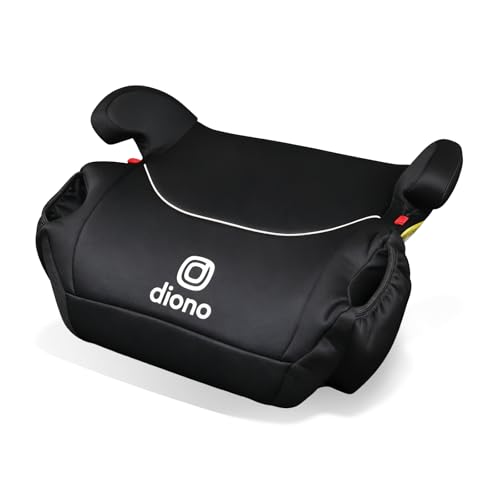
Diono Solana, No Latch, Single Backless Booster Car Seat, Lightweight, Machine Washable Covers, Cup Holders, Black

Chicco GoFit ClearTex Plus Backless Booster Car Seat with Latch, Tropic/Green

Chicco GoFit Plus Backless Booster Car Seat with Latch, 40-110 lbs, Stream/Blue

Chicco GoFit Plus Backless Booster Car Seat with Latch, 40-110 lbs, Vivaci/Pink
More Details On Our Top Picks
The three-stage layout makes this Baby Trend seat useful beyond one short age window, which matters in a house where a car seat has to keep pace with growth. The adjustable headrest helps the fit feel less fixed, and the cushioned build should suit longer school runs without feeling barebones.
It sits in a different lane from the backless Diono Solana and Chicco GoFit models, because you get a more structured combination seat rather than a simple booster. Families who want one seat for a longer stretch will appreciate that, though the trade-off is more bulk in the second row.
Strong Points
- Three-stage design gives you more usable runway as your child grows.
- Adjustable headrest helps the seat adapt to changing height.
- Cushioned padding is a plus for longer commutes.
- Side-impact protection adds reassuring structure around the seating area.
Things To Consider
- Combination seats usually take more room than backless boosters.
- More structure also means more weight to move between vehicles.
- Cleaning can take a bit longer than with a simpler backless design.
Feature Snapshot
Who It Suits Best
You should look here for a family that wants a longer-term seat for regular errands, school pickups, and weekend driving in one vehicle.
A Better Fit Elsewhere
Chicco GoFit Plus Backless Booster Car Seat with Latch, 40-110 lbs, Stream/Blue suits you better when you want a lighter, easier-to-shift option for carpools and quick vehicle changes.
Same Hybrid SI structure, different finish. That makes this one easy to place in a vehicle where you want the same growth-friendly layout as the first Baby Trend pick, but with a richer plum tone that feels a little less utilitarian.
The practical appeal is steady rather than flashy, and that suits busy families well. The honest read is that color is the main reason to choose this over the Dash Orchid version, so the best value here comes from personal taste and how the seat looks in your car.
Positives
- Three-stage setup gives you long-term flexibility.
- Adjustable headrest helps the seat track growing height.
- Soft padding adds comfort for daily driving.
- Side-impact protection brings a more supportive shell than a backless booster.
Softer Spots
- It still takes more cabin space than a backless option.
- Moving it between cars is less effortless than with a lighter seat.
Core Details
Who Should Grab It
You should choose this for a family that wants the Baby Trend layout but prefers a plum color that feels a little warmer inside the cabin.
Another Choice May Suit
Diono Solana, No Latch, Single Backless Booster Car Seat, Lightweight, Machine Washable Covers, Cup Holders, Black fits better for households that need a slimmer seat for frequent transfers.
Black is the easy answer for a car seat that has to live with crumbs, bags, and daily in-and-out use. This Hybrid SI version keeps the same growth-friendly shape as the other Baby Trend seats, but the darker finish makes it the least fussy of the trio.
That makes it a sensible fit for carpool duty or a family SUV where the seat stays installed for long stretches. You may find the color choice more forgiving in real life, especially in vehicles that see muddy shoes and snack spills every week.
Highlights
- Three-stage design gives the seat more staying power.
- Adjustable headrest supports a better fit as height changes.
- Dark finish is easier to live with in busy vehicles.
- Side-impact structure adds a more substantial feel.
Minor Gripes
- It is still a fuller seat than a backless booster.
- Cleaning takes a little more effort than with the simplest options.
Details At A Glance
Built With In Mind
You should place this on your shortlist for a daily driver where appearance needs to stay calm and practical.
Where A Sibling Pick Shines
Baby Trend Hybrid SI 3-in-1 Combination Booster Seat, Dash Orchid suits you better if you want the same build in a brighter cabin accent.
The Solana keeps things simple, and that simplicity is the point. A no-latch, backless layout tends to feel less fussy for short hops, especially in a second car or a vehicle where you need to preserve as much bench space as possible.
Machine-washable covers and cup holders make it easier to live with than a bare-bones booster, which matters once snacks and school routes become part of the routine. Compared with the Baby Trend combination seats, you give up the extra structure, but you gain a lighter footprint and easier handling.
What We Like
- Backless shape keeps the seat visually and physically slimmer.
- No-latch design avoids extra hardware to manage.
- Machine-washable covers help with routine cleanup.
- Cup holders support messier rides and longer drives.
Areas To Watch
- Backless boosters offer less structure than combination seats.
- No latch system means placement depends on the vehicle seat and belt routing.
- It may feel less supportive for longer trips than padded models.
Quick Facts
Right Fit For
You should choose this for compact back seats, second cars, and straightforward school-day transport.
Look Elsewhere When
Baby Trend Hybrid SI 3-in-1 Combination Booster Seat, Hoboken Black is the better match when you want more structure and a longer growth path.
This Chicco version leans into convenience, with latch support and a carry handle that make seat moves feel less awkward. Compared with the Diono Solana, it asks for a bit more attention up front, but the payoff is easier repositioning in households that swap vehicles often.
ErgoBoost padding adds a more shaped seat feel, which helps on regular drives, and the 44 to 57 inch fit range gives you a clear size lane to work within. The ClearTex fabric line is aimed at a cleaner-feeling material setup, although you still want to expect normal upkeep from a car seat that sees everyday use.
Upsides
- Latch support helps keep the seat more settled in place.
- Carry handle makes moving the seat less awkward.
- ErgoBoost padding adds a more supportive sitting area.
- Clear size range helps you judge fit more easily.
Worth Noting
- Backless design still gives less side support than a combination seat.
- More features usually mean a bit more to manage during cleanup.
Core Details
Made For
You should look here for school runs, shared custody schedules, and families that move a booster between vehicles often.
Swap It Out When
Chicco GoFit Plus Backless Booster Car Seat with Latch, 40-110 lbs, Stream/Blue is the closer match if you want dual cup holders and a washable pad.
The Stream/Blue GoFit Plus feels tuned for busy routines, with a washable pad and two cup holders that make daily cleanup and snack handling easier. The quick-release latch is the part that stands out most, since it helps the seat come out without a wrestling match in family vehicles.
ErgoBoost contoured seating gives it a more shaped feel than the plainest backless boosters, while the 40 to 110 pound range makes the size envelope easy to understand. In most minivans and SUVs, that combination is practical, though you still give up the higher side walls and deeper structure of the Baby Trend combination seats.
Best Bits
- Quick-release latch makes removal simpler.
- Washable pad helps with everyday cleanup.
- Two cup holders give drinks and snacks a defined place.
- Contoured seat shape feels more supportive than a flat booster.
Room For Improvement
- Backless format offers less enclosure than a combination seat.
- More moving parts can mean a little more upkeep.
Spec Overview
Best Suited To
You should choose this for everyday school routes, family shuttling, and vehicles that need a booster with less fuss.
Reach For A Different Pick When
Baby Trend Hybrid SI 3-in-1 Combination Booster Seat, Dash Orchid suits you better when you want a more structured seat with adjustable head support.
This Vivaci/Pink version follows the same GoFit Plus formula, so the real difference is the finish and how you feel about moving a backless booster between cars. For families that split time between vehicles, latch support and the contoured seat make it feel organized rather than loose and temporary.
The washable pad and 40 to 110 pound span make it sensible for a growing child who still fits a backless format. Compared with the Stream/Blue version, this one leans more on style than utility, so the choice comes down to color and the look you want in the cabin.
Bright Spots
- Latch support helps keep the seat in place.
- Contoured seat shape adds a more settled feel.
- Washable pad simplifies routine cleanup.
- Portable format suits travel and quick vehicle swaps.
Points To Note
- Backless design offers less upper-body structure than a combination seat.
- Color choice matters more here than in a darker interior-friendly model.
Feature Rundown
Whose Shelf It Belongs On
You should keep this in mind for travel days, grandparent cars, and any setup where easy movement matters more than extra structure.
Skip It When
Baby Trend Hybrid SI 3-in-1 Combination Booster Seat, Hoboken Black is the better fit when you want more enclosure and a darker finish for a main family vehicle.
How To Choose The Right Booster Seat For 4 Year Old
Fit Comes Before Flash
For a 4 year old, the first question is how the seat works with the child’s height, weight, and the vehicle’s belt path. A backless booster can be a smart everyday tool, but a combination seat often feels more supportive for taller kids or longer rides.
Seat depth, head support, and how the belt lies across the shoulder all matter more than a bright color. A seat that looks neat on the page can still feel awkward in a small sedan, so the right choice starts with real cabin space.
Match The Seat To Your Routine
Family cars that stay parked in one driveway can handle a fuller combination seat more easily. Carpools, split households, and second cars usually benefit from lighter backless options that move faster and take up less room.
That difference shows up every week, not just on day one. A latch-equipped booster can be calmer to place in a vehicle, while a no-latch model is often easier to lift in and out.
Think About Cleaning And Carrying
Crumbs, sports snacks, and muddy shoes turn car seats into maintenance items fast. Machine-washable covers, wipeable pads, and cup holders help keep that routine manageable without making the seat feel too spare.
Weight matters too, especially for grandparents and caregivers who change seats often. A lighter booster is easier to move, but a more structured model often gives you a steadier feel for everyday school runs.
Choose For The Next Stretch, Not Just Today
Growth design matters because you do not want to replace a seat too soon. Adjustable headrests and wider fit ranges give you more breathing room as your child gets taller.
The sweet spot is a seat that suits today’s commute and still feels sensible six months later. For many families, that means choosing the simplest seat that still leaves enough room to grow.
Things Worth Knowing First
Common Shopping Slip Ups
One common mistake is choosing a booster that looks compact online but feels cramped once installed. Another is overlooking how often the seat will move between vehicles, which makes weight and latch style more important than they first seem.
It also helps to avoid buying on color alone. A darker finish can be easier to keep tidy in a busy car, while a lighter look may show wear sooner.
The Upgrade Payoff
Higher-tier boosters usually cost more because they add smoother adjustments, better padding, or easier attachment hardware. Those details matter most in homes where the seat gets used every day and cleaned often.
The extra spend makes sense when you want less wobble, better comfort on longer drives, or a seat that stays useful through more growth stages. For shorter, occasional trips, a simpler booster can still be the smarter fit.
Frequently Asked Questions
What makes a booster seat fit a 4 year old well?
A good fit keeps the belt positioned correctly and leaves enough support for the child’s size. The seat should also suit your vehicle without crowding the back row.
Is a backless booster enough for daily use?
Backless boosters work well for many everyday rides, especially in cars with good head support. A combination seat gives you more structure, which some families prefer for longer drives.
Do latch systems make a real difference?
Latch systems can help a booster stay better placed during regular use. They also make some seats easier to manage in shared vehicles.
What matters more, padding or portability?
Padding helps on longer trips and in vehicles where your child rides often. Portability matters more for carpools, second cars, and frequent seat swaps.
Should you choose one booster for growth or several simpler seats?
A growth-focused seat is useful when you want fewer replacements and a longer usable span. Separate simpler seats can make sense when different vehicles have very different space limits.
Closing Thoughts
The best booster seat for your 4 year old is the one that fits your vehicle, your routine, and your child’s size without turning every ride into a small project. The Baby Trend Hybrid SI seats make sense for families who want more structure and a longer growth path, while the Chicco and Diono backless options suit tighter cabins and easier movement. You do not need the most complicated seat, just the one that makes your daily drives feel calm and straightforward.