
You want a simple upgrade that makes your daily drive sound less flat without turning the install into a weekend project. That usually means looking for 6×9 speakers with the right balance of fit, output, and clarity, not just the biggest wattage number on the box.
This roundup focuses on common factory-replacement and step-up options from Pioneer, Alpine, CT Sounds, BOSS Audio Systems, and ORION. You’ll see where each pick fits best, from mild OEM refreshes to livelier setups for commuting, errands, and long highway stretches.
Quick Look At The Shortlist

PIONEER F-Series TS-F6935R 6′ x 9′ 3-Way Car Speakers 230W Max
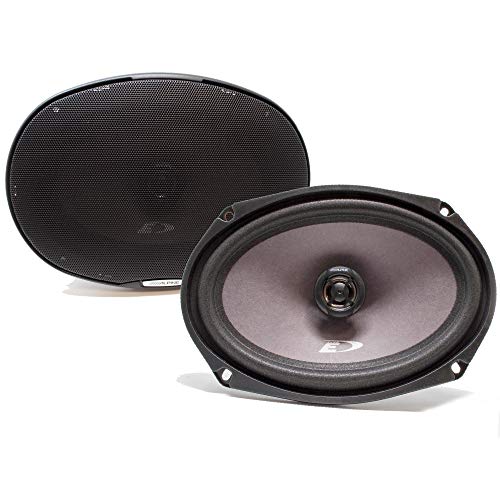
Alpine SXE-6926S 6×9 2-Way Coaxial Speakers (Pair)
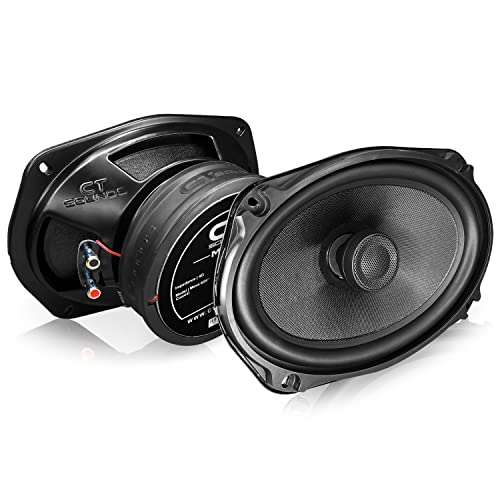
CT Sounds Meso 6×9” 400 Watt 2-Way Premium Coaxial Car Speakers, Pair

BOSS Audio Systems CH6930B 6 x 9 Car Speakers, 400 Watts Per Pair, 3 Way

Pioneer A-Series Standard TS-A6961F 6′ x 9′ 4-Way Coaxial Speakers 450W Max

Pioneer A-Series Plus TS-A6971F 6′ x 9′ 4-Way Coaxial Car Speakers 600W Max

ORION Cobalt CB693 6×9 3-Way Coaxial Car Speakers, 320W Pair
More Details On Our Top Picks
For a worn factory system that sounds thin, this Pioneer F-Series set keeps the upgrade straightforward. The 3-way layout splits the work across separate drivers, which usually helps the treble feel cleaner than a basic two-way design, and the high-efficiency tuning suits OEM head units that don’t push a ton of power.
You may find it especially useful in older sedans, commuter cars, or a daily driver where you want clearer vocals without chasing heavy bass. The trade-off is simple, it’s built more for smooth, balanced listening than for the kind of hard-hitting output that fills a large cabin.
Strong Points
- Three-way driver layout helps separate highs, mids, and low-end detail.
- High-efficiency design works well with modest factory power.
- Smooth treble suits talk radio, podcasts, and everyday playlists.
- Good fit for a no-fuss OEM refresh.
Things To Consider
- It’s more about balance than aggressive output.
- Owners who want deep bass will likely want an added sub later.
- As with many replacement speakers, fit still depends on the vehicle’s mounting depth and opening shape.
Feature Snapshot
Who It Suits Best
Commuters and casual listeners who want a simple factory replacement with smoother top-end detail will get the most from this set.
A Better Fit Elsewhere
Pioneer A-Series Standard TS-A6961F suits you better if you want a newer factory-upgrade path with more added detail and a broader feature set.
This Alpine pair keeps things plain in a good way, which helps when you want a clean swap instead of a long upgrade project. The 2-way design usually means fewer parts in the signal path, so the sound profile tends to stay direct and easy to live with on long commutes.
With 45 watts RMS and 280 watts peak power listed, it sits comfortably in the modest-to-mid power lane. That makes it a sensible match for daily drivers where you care more about steady clarity than a dramatic jump in volume.
What We Like
- 2-way coaxial layout keeps the design uncomplicated.
- Reasonable power figures fit many basic car audio setups.
- Easy to picture in a commuter car or older hatchback.
- Brand reputation often appeals to shoppers who want a familiar name.
Minor Gripes
- The sound approach is conservative, so it won’t feel wild or aggressive.
- Owners who want extra sparkle up top may prefer a more elaborate multi-way setup.
- Installation still depends on vehicle-specific fit, especially behind tight factory grilles.
Technical Sheet
Who Should Grab It
Budget-conscious commuters who want a dependable, uncomplicated replacement will feel right at home with this Alpine set.
Another Choice May Suit
PIONEER F-Series TS-F6935R fits you better if you want a 3-way layout and a smoother OEM-style refresh.
CT Sounds leans harder toward output than the first two picks, so this one suits a system that already has some ambition. The 400-watt figure points to more headroom, which matters when your music stays loud for highway runs or your cabin tends to swallow lower frequencies.
The trade-off is that a stronger speaker usually asks a bit more from the rest of the setup, especially source quality and installation fit. In a small daily driver, that extra headroom can feel satisfying, though the honest read is that it makes more sense for people who like a livelier setup than for those who just want a polite background upgrade.
Bright Spots
- Higher stated power gives you more breathing room for spirited listening.
- Premium coaxial build suits systems that need a bit more presence.
- Useful for drivers who want the music to stay full at cruising speed.
- Pair format makes planning easier for front or rear placements.
Small Caveats
- More output potential can be wasted in a very basic stock setup.
- Strong speakers can expose weak source gear or poor install choices.
- Cabin fit and mounting depth still matter, especially in older vehicles.
Core Details
Who Will Love This
Drivers building a louder, more energetic daily system will get the most value from this set.
Look Elsewhere When
Alpine SXE-6926S suits you better if you want a simpler, lower-pressure upgrade for a stock system.
This BOSS pair lands in the middle ground that many shoppers want, enough spec to feel like a real upgrade without pushing into the more expensive-feeling end of the category. The 3-way layout should help with fuller separation than a basic 2-way design, which can matter in a car that makes vocals sound crowded.
You may find it a sensible choice for rear deck swaps or a full cabin refresh where you want clearer everyday playback. It’s not the flashiest route, but the honest read is that a well-balanced middle option often ages better than a more extreme pick.
Upsides
- 3-way layout can make music feel a little more layered.
- 400 watts per pair gives it a decent output ceiling for the class.
- Good match for an affordable system refresh.
- Works well for everyday radio, streaming, and playlist use.
Areas To Watch
- It’s still tuned for broad appeal, not ultra-precise sound shaping.
- Cabin noise can hide some detail unless the rest of the setup is solid.
- Mounting and door-panel depth remain worth checking before you commit.
Details At A Glance
The Right Fit
Shoppers wanting a middle-ground upgrade for an everyday car stereo will find this BOSS set easy to justify.
Where A Sibling Pick Shines
ORION Cobalt CB693 fits you better if you want a stronger bass tilt and a more lively full-range feel.
Compared with the earlier Pioneer F-Series model, this A-Series Standard step-up brings a more elaborate 4-way layout, so it aims for a fuller spread of sound. The included installation adaptors also make it friendlier for a factory replacement job, which matters more than fancy numbers when you’re working in a tight door opening.
That broader driver split can help treble feel a touch cleaner while bass gets a bit more room to breathe. For most cars, it’s the kind of upgrade that sounds like a real improvement without tipping into overbuilt territory.
Reasons To Buy
- 4-way coaxial design gives the speaker more range-handling structure.
- 450W max power keeps it comfortably above the entry-level group.
- Installation adaptors simplify more factory-style replacements.
- Good option for drivers who want a clearer jump from stock sound.
Room For Improvement
- More parts in the design can still sound busy in a very rough factory system.
- As with any door or rear-deck install, exact fit still depends on the vehicle.
- It asks a little more from setup care than the simpler Alpine pick.
Feature Rundown
Built With In Mind
This suits you best if you want a factory replacement that feels more refined without needing a full custom audio plan.
Skip It When
PIONEER F-Series TS-F6935R fits better if you want a simpler 3-way upgrade with a softer, more conservative personality.
Right after the TS-A6961F, this Plus version looks like the more ambitious sibling. The jump to 600W max suggests extra headroom, which helps if your system already has a stronger amplifier or you want a more forceful response in a larger cabin.
The included adaptors keep the install story familiar, but the personality shifts toward more output and a bit more sparkle. That’s useful for highway listening and fuller door-panel swaps, though it may be more than you need for a quiet stock setup.
Best Bits
- 600W max power gives it more room to stretch than the Standard version.
- 4-way layout aims for fuller frequency coverage.
- Installation adaptors help simplify the swap process.
- Good fit for drivers planning future system growth.
Worth Noting
- The extra headroom makes more sense with better supporting gear.
- In a basic factory system, part of the upgrade may be left untapped.
- Fit checks still matter, especially in doors with limited clearance.
Feature Card
Whose Shelf It Belongs On
This is the better match for drivers who want a more serious step up and plan to keep improving the audio system later.
Where A Sibling Pick Shines
Pioneer A-Series Standard TS-A6961F fits better if you want a gentler upgrade with less emphasis on power headroom.
ORION closes the list with a familiar formula, a 3-way design, a 320W pair rating, and grills included for a more complete package. That combination suits drivers who want fuller everyday sound without moving all the way into the heavier-output Pioneer and CT Sounds options.
The bass tilt makes it appealing in older cars or smaller cabins where the low end can use a little help. The trade-off is that this is still a practical coaxial setup, so it’s better for general listening than for anyone chasing a very tailored audio stage.
Positives
- 3-way layout helps the speaker cover more of the audible range.
- 320W pair rating gives it a decent ceiling for everyday use.
- Included grills are handy for drivers who want a more finished install.
- Works well for fuller sound in compact or older cabins.
Ongoing Caveats
- The bass-forward personality may not suit every taste.
- Grills help with protection, but install fit still needs attention.
- More serious sound tuning usually calls for a stronger supporting system.
Core Details
Made For
Drivers who want an affordable full-range upgrade with a little extra bass presence will get the most from this set.
Swap It Out When
CT Sounds Meso fits better if you want a more output-focused pair for a louder daily system.
How To Choose The Right Budget 6×9 Speakers
Match The Speaker Layout To Your Goals
Two-way speakers usually keep the install simple and the sound straightforward, which suits older cars and basic factory refreshes. Three-way and four-way designs split the audio work across more driver sections, so they often feel fuller and more layered in the cabin.
That extra layering can help vocals stay clearer at highway speed, though it also raises the chance that you’ll notice weaker source gear more easily. For a stock head unit, a simpler layout can actually be the smarter fit.
Pay Attention To Power, But Read It In Context
RMS power tells you the continuous level a speaker is built around, while peak power shows a short burst ceiling. Those numbers help you compare models, but they only matter if they match the rest of your setup, especially the stereo or amplifier feeding them.
A modest factory system often pairs well with efficient speakers like the Pioneer F-Series TS-F6935R. A stronger amp setup can make better use of higher-headroom picks such as CT Sounds Meso or Pioneer A-Series Plus TS-A6971F.
Think About Fit Before Sound
6×9 speakers sound appealing on paper, but the real win comes from proper mounting depth, opening shape, and vehicle-specific clearance. A speaker that fits poorly can rattle, sit unevenly, or make the install harder than it needs to be.
That’s why included adaptors, like the ones with the Pioneer A-Series models, can matter just as much as the speaker design itself. In a door or rear deck that already feels cramped, easier fit usually beats a fancier spec sheet.
Choose A Sound Style That Matches Daily Use
Balanced speakers suit podcasts, talk radio, and mixed playlists because they keep voices clear without overdoing the bass. Bass-leaning models work better for people who listen to hip-hop, pop, or fuller electronic tracks during longer drives.
Small details also matter, like grills for extra coverage or smoother treble for long commutes. The right choice should feel natural after a week of use, not impressive for five minutes and tiring after that.
What To Weigh Before You Click
Hidden Buying Traps
The biggest mistake is shopping by wattage alone, because output numbers never tell the whole story. Fit, efficiency, and driver layout matter just as much, especially in older vehicles with limited mounting space.
Another common miss is buying a stronger speaker than the rest of the system can really support. That can leave you paying for headroom you never hear.
The Upgrade Payoff
Higher-tier models usually cost more because they add more driver layers, stronger materials, better tuning, or installation extras. Those additions can improve clarity and make the install cleaner, especially in a vehicle that needs a more careful replacement.
The upgrade is worth it when your current speakers sound congested, your cabin is noisy, or you plan to keep the car long enough to appreciate a more polished setup. For a second car or a simple commuter, a midrange pair is often enough.
Frequently Asked Questions
Are 6×9 speakers a good factory replacement?
Yes, they’re a common replacement size for many rear decks and doors. The key is checking mounting depth and opening shape before you settle on a model.
Do 2-way or 3-way speakers sound better?
Neither setup is automatically better, because the right choice depends on your car and the rest of the system. Two-way models stay simpler, while 3-way designs can sound fuller.
Do higher watt numbers always mean louder sound?
No, wattage only tells part of the story. Speaker efficiency and system matching matter just as much in real use.
Can you use budget 6×9 speakers with a stock stereo?
Yes, many budget-friendly models are a solid match for factory head units. Efficient designs are usually the safest place to start.
What matters most for daily driving sound?
Clear mids, smooth treble, and a sensible fit usually matter more than chasing the biggest power figure. That balance keeps the system easy to live with on commutes and errands.