

For factory audio upgrades, the right line output converter can make the rest of the install feel a lot less fussy. You’re usually trying to turn speaker-level signal into RCA-level signal for an amplifier, and sometimes you also want remote turn-on, bass shaping, or a bit more output headroom.
That’s where the differences start to matter. Some picks are straightforward and compact, while others bring active circuitry, signal sensing, or bass enhancement that suits a more involved system.
Quick Look At The Shortlist

NVX XLCA2 X-Series 2-Channel Line Out Converter
AudioControl LC1i Active 2-Channel Line Driver Line Output Converter

Skar Audio SKAR2CH-LOC 2-Channel Speaker Wire to RCA Line-Out Converter

RECOIL ALOC2 2-Channel Speaker Cable to RCA Line Output Converter

DS18 V2HL.V2 Hi/Lo Converter 2-Channel with Speaker Emulator

Recoil LOCD Active 2-Channel RCA Line Output Converter Driver 2-in-1 Audio

CT Sounds CT-LC2 2-Channel Premium Line-Out Converter with BassLift
More Details On Our Top Picks
NVX puts the focus on signal shaping, and that matters in a factory system that sounds a little thin once an amplifier enters the picture. The xBOOST feature gives you bass control at the converter stage, while remote level control lets you trim output from the cabin instead of chasing settings in the trunk.
For daily drivers with an aftermarket sub amp, that combination feels useful without getting overly complicated. Compared with the simpler Skar Audio SKAR2CH-LOC, this one is built for a little more tuning headroom, which suits you better when the factory source needs help carrying low end.
Strong Points
- xBOOST gives you more control over bass output.
- Remote level control makes cabin adjustments easier.
- Fits well in systems where factory audio needs shaping.
- Helpful for subwoofer add-ons that need quick tuning access.
Small Caveats
- Extra tuning means a little more setup time.
- Bass enhancement may be more than you need for a simple amp install.
- The best results usually come from careful gain matching.
Feature Snapshot
Who It Suits Best
You’ll get the most from this in a car audio upgrade where bass tuning matters as much as clean signal conversion.
A Better Fit Elsewhere
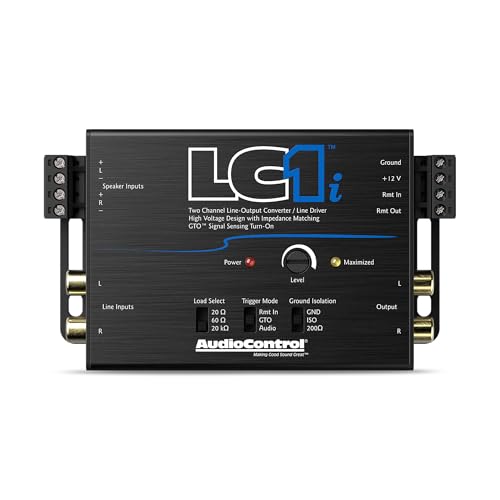
AudioControl LC1i Active 2-Channel Line Driver Line Output Converter suits you better when signal control and amplifier-ready output matter more than bass shaping.
AudioControl’s LC1i leans toward a more serious install, especially for a factory system that needs clean level conversion before subwoofers or amplifiers come in. The line driver function matters here, because a line driver raises signal strength for longer runs or more demanding amp setups, and that can help keep the path organized.
Compared with NVX XLCA2 X-Series 2-Channel Line Out Converter, this one is less about bass shaping and more about signal handling. That makes it a strong fit for you if the goal is integration first, not extra tonal adjustment.
What We Like
- Combines line driver and converter duties in one unit.
- Good match for amplifier or subwoofer additions from factory audio.
- Impedance matching helps the source and amplifier work together more cleanly.
- Suited to more involved installs where signal consistency matters.
Points To Note
- More capable processing can be more than a simple upgrade needs.
- Setup tends to reward careful wiring and gain staging.
- Not the most minimal option in this group.
Core Details
Who Should Grab It
You’ll appreciate this most in a well-planned car audio build where clean signal management takes priority over simplicity.
Where A Sibling Pick Shines
CT Sounds CT-LC2 2-Channel Premium Line-Out Converter with BassLift makes more sense for a daily setup that benefits from bass tuning without the extra line-driver angle.
Skar Audio keeps this one straightforward, and that simplicity is part of the appeal for basic factory-to-amp upgrades. It’s built for converting speaker wire into RCA output, so you can tie into OEM radios, aftermarket radios, or smart radios without overcomplicating the layout.
Compared with RECOIL ALOC2 2-Channel Speaker Cable to RCA Line Output Converter, this Skar option feels a bit more direct and less feature-heavy. That makes it a sensible fit for you when the job is about getting signal out cleanly and moving on with the install.
Highlights
- Works with OEM, aftermarket, and smart radios.
- Simple speaker-wire to RCA conversion keeps the install easy to follow.
- Good match for basic amp additions in everyday vehicles.
- Less complicated than active units with extra tuning features.
Things To Consider
- Doesn’t bring the extra tuning tools found on more advanced models.
- Best suited to users who want a plain conversion path.
- Install planning still matters, especially around clean wire routing.
Details At A Glance
Made For
You’ll like this most for a straightforward install where compatibility matters more than extra adjustability.
Swap It Out When
NVX XLCA2 X-Series 2-Channel Line Out Converter is the better fit for you if bass control and remote level changes matter more than bare-bones conversion.
RECOIL’s ALOC2 leans into the practical side of factory audio upgrades, with adjustable conversion and a remote turn-on lead for amplifier installs. The audio transformer for noise isolation is the detail that stands out, because that’s the kind of thing you appreciate in a car with a busy electrical environment.
Compared with Skar Audio SKAR2CH-LOC, this one gives you a little more control and a little more installer-friendly flexibility. The trade-off is a more involved setup, so it suits you best when you want a cleaner, more hands-on approach.
Bright Spots
- Adjustable output gives you room to match different systems.
- Remote turn-on support helps trigger an aftermarket amplifier.
- Noise-isolating transformer is useful in systems with hiss or unwanted interference.
- Well suited to factory radio upgrades with external amps.
Honest Caveats
- Adjustability can take patience during setup.
- The extra wiring for remote turn-on may add install steps.
- Cleaner routing and grounding habits still matter a lot here.
Quick Facts
Best Suited To
This suits you best in a factory-radio build where you want a little more control over signal behavior.
Another Choice May Suit
Skar Audio SKAR2CH-LOC is a cleaner match for a quick, uncomplicated conversion job.
DS18 takes a more technical route, and the speaker emulator part is what sets it apart from the simpler converters above. A speaker emulator is designed to help a factory source behave as though a speaker load is present, which can matter in systems that react badly to load changes.
That makes this a smart consideration for more specialized installs, especially where a standard LOC feels too plain. The honest read is that you’ll want this most when you know the source system is picky, because that extra capability can feel like a smoother path than a basic converter.
Upsides
- Speaker emulator support helps in more demanding factory systems.
- High-level input and RCA output give you a clear signal path.
- Useful for installations that need more than simple level shifting.
- Good fit for tech-heavy audio upgrades.
Areas To Watch
- More specialized behavior means it’s not the easiest match for basic installs.
- Works best when the source system’s needs are already understood.
- Setup planning matters so the added functions do their job cleanly.
Feature Rundown
Whose Shelf It Belongs On
You’ll get the most out of this in a more complex factory integration where emulator support is part of the plan.
Look Elsewhere When
Skar Audio SKAR2CH-LOC is the simpler route for a straightforward source-to-amp conversion.
Recoil’s LOCD sits in the more capable part of the category, because it combines a line output converter with a line driver. That matters in longer or more demanding runs, since line driver output is designed to push a stronger signal toward the amplifier stage.
Removable terminal blocks make the wiring side friendlier than some fixed-connection units, and the auto-sense turn-on circuit helps the system wake up without extra fuss. Compared with the RECOIL ALOC2, this is the better fit when you want a more advanced signal path rather than just adjustable conversion.
Reasons To Buy
- Two-in-one design covers conversion and line driving.
- Auto-sense turn-on simplifies amp integration.
- Removable terminal blocks help make connections cleaner.
- Good choice for aftermarket amplifiers in OEM vehicles.
Softer Spots
- More capable hardware can be more than a basic install needs.
- Wiring still deserves care, especially in tighter dash spaces.
- Best value shows up in fuller amplifier setups.
Spec Overview
The Right Fit
You’ll like this most for a fuller factory-to-aftermarket system where you want stronger signal handling in one compact piece.
Reach For A Different Pick When
RECOIL ALOC2 2-Channel Speaker Cable to RCA Line Output Converter makes more sense for a simpler conversion-first install.
CT Sounds lands in a nice middle ground for you: more tuning help than a plain converter, but not as specialized as the DS18 unit. BassLift gives the system a little low-end shaping support, which can be useful in a daily driver where the factory sound needs a bit more body.
That makes it a steady choice for common amp upgrades, especially when you want the install to stay approachable. Compared with the Recoil LOCD, this one is less about stronger output and more about straightforward bass tuning, so your priorities decide the fit.
Best Bits
- BassLift support adds useful low-end adjustment.
- Feels well matched to everyday car audio upgrades.
- Good middle-ground option between plain and advanced designs.
- Simple enough for routine amplifier integration.
Room For Improvement
- Less specialized than the more advanced line-driver style picks.
- Not as bare-bones as a simple converter for a quick job.
- Best suited to systems that benefit from some bass shaping.
Core Details
Who Will Love This
You’ll like this best in a daily-use car audio setup that needs a little bass help without a complicated install.
Where Shoppers Go Wrong
AudioControl LC1i Active 2-Channel Line Driver Line Output Converter is the stronger fit for a more technical system where signal management takes priority over bass tuning.
How To Choose The Right 2 Channel Line Output Converters
Match The Converter To The Factory System
Start with the source unit in your vehicle, because the converter has to fit the way the audio signal leaves the radio. A basic speaker-wire-to-RCA unit works for many stock systems, while an active model makes more sense once you need stronger signal handling or cleaner integration with an amplifier. The trade-off is simple: more features usually mean more setup steps.
Decide How Much Tuning You Really Need
Bass shaping, remote level control, and line driver output are useful, but they’re not equally useful for every install. Daily drivers with a subwoofer often benefit from bass adjustment, while a straightforward amp add-on may only need clean conversion and a remote turn-on lead. You save time and clutter by matching the feature set to the job instead of paying for functions that stay unused.
Think About Wiring Space And Install Ease
Compact units tend to fit better behind dash panels or under seats, especially in smaller cabins where wire runs get tight. Removable terminal blocks and auto-sense turn-on features can also make the install feel less cramped, because they reduce the number of extra parts you have to manage. The catch is that more flexible hardware often asks for more careful wiring.
Pick For The Sound Goal, Not Just The Label
A premium converter can sound like a safer purchase, but the better question is what your system needs to do. If you want the factory audio to feed an external amp with minimal fuss, a simple converter is enough; if your system is picky or you want more output headroom, an active unit earns its place. That keeps the upgrade grounded in your actual setup rather than the longest feature list.
What To Weigh Before You Buy
Wrong Turns To Avoid
A common mistake is buying a feature-heavy unit for a plain amplifier install. Another is ignoring whether the factory radio needs a standard converter, an adjustable model, or something that also handles turn-on duties. Clean signal is the goal, not a crowded parts list.
What The Higher Tier Buys
More expensive models usually bring active signal conditioning, better output control, or extra integration help such as auto-sense turn-on and line driver support. Those parts cost more because they do more work between the factory radio and the amplifier. The upgrade pays off in systems where the source signal is weak, the amp is demanding, or the vehicle’s audio setup acts a little stubborn.
Frequently Asked Questions
What does a 2 channel line output converter do?
It changes speaker-level output into RCA-level signal for an amplifier. That lets you add aftermarket audio gear to a factory system.
Do you need remote turn-on support?
You need it when your amplifier expects a trigger signal and your source unit doesn’t provide one. Models with auto-sense or remote output make that part easier.
Is a line driver different from a line output converter?
Yes, a line driver raises signal strength, while a converter mainly changes signal level. Some units combine both functions, which helps in more demanding installs.
Are bass control features worth it?
They are useful when the factory sound feels thin after an amp upgrade. For a simple setup, plain conversion is usually enough.
Can you use these with aftermarket radios?
Some models are built for that and some are more focused on factory audio integration. The compatibility notes on the listing matter more than the product name alone.