

Dual 10-inch enclosures shape the low end more than many installs admit. The right cabinet influences output, enclosure size, and how cleanly a pair of woofers can work in a car or truck.
This roundup focuses on vented and sealed options with different footprints, build styles, and tuning goals. Compact trunks, daily commutes, and custom audio projects each call for a different box, and the details matter.
Quick Look At The Shortlist

American Sound Connection Dual 10 Inch Vented Subwoofer Box

Skar Audio Dual 10 2400W Loaded SDR Series Vented Enclosure

Atrend Bbox Dual 10 Inch Sealed Subwoofer Enclosure
Q Power Dual 10 Inch Vented Triangle Ported Enclosure Box

Q Power QBOMB10V Dual 10 Inch Vented Port Sub Box

American Sound Connection Dual 10 Inch Sealed Sub Box ASC 210H

Rockville RQB10V Dual 10 Inch Vented Subwoofer Enclosure
More Details On Our Top Picks
That vented layout makes sense for installs that need stronger low-end presence without stepping into a fully loaded setup. The 5/8-inch MDF, a dense engineered wood panel, helps the cabinet feel purpose-built for trunk or truck audio rather than a loose universal shell.
The 13.75-inch mounting depth gives more breathing room for many 10-inch woofers, and the 1.22 cubic feet of air space matters for output-minded builds. Compared with the sealed Atrend Bbox later in the list, this American Sound Connection box leans harder into punch and cabin fill.
Strong Points
- Vented design supports louder low-end character for everyday driving.
- 5/8-inch MDF adds a steadier cabinet feel than thin, flimsy shells.
- Mounting depth covers many common 10-inch subwoofer fits.
- Useful for custom car and truck audio layouts.
Points To Note
- Empty enclosure means speakers, wiring, and amplifier matching still need attention.
- Vented boxes usually ask for more careful subwoofer pairing than sealed designs.
Feature Snapshot
Who It Suits Best
Custom installers and daily drivers with room for a vented box get the clearest fit here.
Where A Sibling Pick Shines
Atrend Bbox Dual 10 Inch Sealed Subwoofer Enclosure suits listeners who want tighter bass and a simpler sealed response in smaller or more controlled setups.
A loaded enclosure changes the equation because the subwoofers are already matched to the cabinet. That simplifies the path for someone upgrading a car audio system without piecing together drivers, box volume, and wiring from scratch.
Compared with the empty American Sound Connection box, this Skar Audio setup is aimed at a faster install and a more turnkey result. The trade-off is flexibility, since a loaded enclosure gives less room for custom driver choice than an empty cabinet.
What We Like
- Loaded design removes a lot of compatibility guesswork.
- Vented format suits listeners who want fuller bass in a vehicle cabin.
- Works well for shoppers seeking a more plug-in style upgrade path.
Room For Improvement
- Less flexible than an empty box for subwoofer swaps.
- Loaded enclosures usually take more space planning than shallow sealed designs.
Details At A Glance
Built With In Mind
Car audio shoppers who want a simpler route to bigger bass are the clear match.
Skip It When
American Sound Connection Dual 10 Inch Vented Subwoofer Box is the better fit for hobbyists who want to choose their own subs and tune the build more freely.
Sealed enclosures usually favor control over raw output, and that suits a lot of commuting systems. The Atrend Bbox follows that logic with a closed cabinet and spring terminals, which keep wiring simple for a tidy install.
Compared with the vented American Sound Connection and Q Power boxes, this one should feel more restrained and precise in the low end. That makes it a sensible choice for listeners who prefer bass that stays tight rather than boomy, especially in smaller cabins.
Upsides
- Sealed chamber supports a cleaner, more controlled bass character.
- Spring terminals make basic wiring less fussy.
- Charcoal finish with red and black accents gives it a neat, finished look.
- Works well for systems that favor accuracy over extra output.
Softer Spots
- Sealed design usually gives up some output compared with vented boxes.
- Less dramatic for people chasing a heavy cabin shake.
Core Details
Right Fit For
Daily drivers and compact cabins suit this box best.
A Better Fit Elsewhere
Rockville RQB10V Dual 10 Inch Vented Subwoofer Enclosure makes more sense for listeners who want stronger low-end output and a vented cabinet.
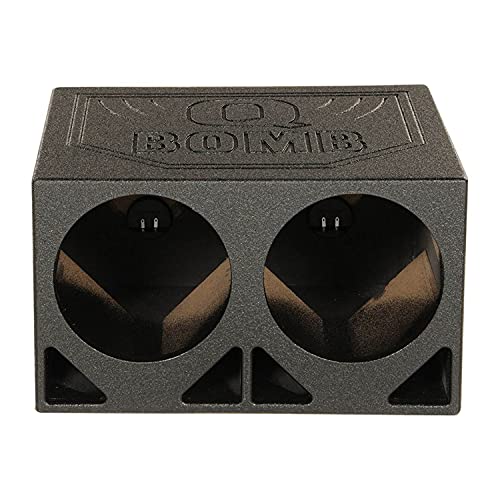
The triangle port layout gives this Q Power box a more distinctive footprint than the rectangular cabinets around it. That shape can help in some trunk layouts where a conventional box feels awkward, especially in vehicles with unusual rear cargo geometry.
The bedliner-style coating is a practical touch, since textured finishes tend to cope better with scuffs during installation and routine loading. Compared with the Atrend sealed option, this one is built more for output and a rougher service life than for strictly controlled bass.
Bright Spots
- Triangle ported shape can fit more awkward vehicle spaces.
- Bedliner-style finish is suited to normal cargo wear.
- Spring-loaded terminals simplify basic connection work.
- Vented design gives the low end a more forceful character.
Small Caveats
- Odd shape takes more planning than a standard rectangle box.
- Vented tuning usually needs the right subwoofer pairing to shine.
Feature Rundown
Whose Shelf It Belongs On
Trunk audio projects with awkward space and a need for stronger bass are the natural match.
Look Elsewhere When
Atrend Bbox Dual 10 Inch Sealed Subwoofer Enclosure suits cleaner, more compact bass goals and a simpler rectangle-style layout.
Q Power keeps this one fairly direct, which has its place in straightforward car audio builds. The 1.0 cubic foot per sub figure and 40 Hz tuning point make the box easy to read on paper, and that clarity helps a lot during system planning.
Compared with the more distinctive triangle-port Q Power enclosure above, the QBOMB10V looks like the simpler route for listeners who want vented bass without extra shape complications. The honest read is that this kind of box usually appeals to practical setups more than showpiece installs.
Best Bits
- Known tuning point helps with basic system planning.
- One cubic foot per sub is easy to factor into an install.
- Bedliner spray finish adds everyday surface protection.
- Good fit for first-time vented-box shoppers.
Areas To Watch
- Still needs the right amplifier and subwoofer match.
- Triangle port layout may not suit every cargo area.
Technical Sheet
Perfect Match For
Practical systems that need a readable, vented dual-10 box fit this model well.
Swap It Out When
Rockville RQB10V Dual 10 Inch Vented Subwoofer Enclosure makes more sense for shoppers who want a heavier MDF build and spring terminals.
The slanted back is the defining move here, and that matters in hatchbacks, rear decks, and cargo areas that resist square boxes. It should sit more naturally in those spaces than the flatter vented options, which makes installation feel less like a compromise.
The sealed chamber shifts attention toward tighter bass, while the 13-inch mounting depth and 1.25 cubic feet of air space keep the cabinet in serious custom-build territory. Compared with the earlier sealed Atrend Bbox, the ASC 210H brings a more vehicle-specific shape for awkward interiors.
Highlights
- Slanted shape suits hatchbacks and rear decks well.
- Sealed design supports controlled bass response.
- Mounting depth gives many common 10-inch subs room to fit.
- Solid choice for custom car audio cabinets.
Things To Consider
- Shape favors certain vehicles more than others.
- Empty cabinet means installation planning still falls on the system builder.
Feature Card
Made For
Hatchback owners and rear-deck installs with odd cargo geometry get the most from this cabinet.
Another Choice May Suit
Q Power QBOMB10V Dual 10 Inch Vented Port Sub Box suits shoppers who want a more conventional vented layout and a simpler tuning reference.
Rockville takes the familiar vented dual-10 formula and adds a sturdier material spec than some entry-level boxes. The 3/4-inch MDF panels, 1.0 cubic foot per sub volume, and 40 Hz tuning point give the enclosure a very easy-to-read profile for standard car audio builds.
Compared with the Q Power QBOMB10V, this one leans a bit more toward cabinet stiffness and a traditional layout. That should suit daily drivers that need dependable bass without introducing extra installation drama.
Positives
- 3/4-inch MDF helps the box feel more substantial.
- Bed liner finish is practical for trunk wear.
- 40 Hz tuning supports a familiar low-end target.
- Spring terminals keep hookups simple.
Honest Caveats
- Vented design needs good sub matching to sound right.
- Large enough to demand real trunk planning.
Spec Overview
The Right Fit
Daily drivers needing a familiar vented enclosure with decent build substance suit this Rockville box well.
Where A Sibling Pick Shines
American Sound Connection Dual 10 Inch Sealed Sub Box ASC 210H is the more natural choice for hatchbacks and tighter bass goals.
How To Choose The Right Dual 10 Inch Subwoofer Enclosures
Match The Enclosure Type To The Goal
Sealed boxes usually favor control, which helps in smaller cabins and daily drivers where bass needs to stay tight. Vented boxes use a port, an opening that helps move air more efficiently, so they usually play louder and fuller in the low end.
That difference matters more than brand polish. A sealed Atrend Bbox will suit someone who values cleaner bass lines, while vented options from Rockville or Q Power fit listeners who want more cabin presence.
Check The Internal Volume And Depth
Internal air space changes how a woofer behaves inside the cabinet, so those cubic-foot figures are worth reading closely. Mounting depth matters just as much, because many 10-inch subs need room behind the basket, magnet, and terminals.
Shoppers with shallow trunks often run into trouble here. The American Sound Connection vented box and the ASC 210H both show how depth and volume affect fit before a single screw goes in.
Think About Vehicle Shape And Layout
Standard rectangles work for many sedans and SUVs, but hatchbacks and odd cargo areas can favor angled or triangle-shaped cabinets. The Q Power triangle port box and the ASC slanted enclosure exist for exactly that kind of space problem.
Cabinet shape also affects how easy the install feels. A shape that matches the cargo area saves time and keeps the box from eating more usable storage than necessary.
Loaded Or Empty, Decide Early
Loaded enclosures include the subwoofers, so the path is simpler. Empty cabinets give far more control over driver choice, impedance, and amplifier pairing, which is better for custom audio planning.
That trade-off sets the whole buying decision. The Skar loaded enclosure favors convenience, while the empty American Sound Connection and Rockville boxes suit more hands-on system building.
Things Worth Knowing First
Where Shoppers Go Wrong
Many installs go sideways because the enclosure type does not match the listening goal. A vented cabinet in a tiny trunk can be awkward, while a sealed box may feel too restrained for someone chasing stronger output.
Another common miss is ignoring depth and air space. Those numbers decide fit and performance long before wiring enters the picture.
When Paying More Pays Off
The extra spend in this category usually goes toward thicker MDF, better finish work, shaped cabinets, or a loaded setup that saves assembly time. Those details matter in cars that see rough cargo use or in systems where a cleaner install matters as much as bass output.
Upgrades make sense for drivers who keep a system for years and want fewer compromises. A more substantial cabinet can feel like the quiet part of the build that holds everything together.
Frequently Asked Questions
What Is The Difference Between Sealed And Vented Dual 10 Inch Enclosures?
Sealed enclosures usually give tighter, more controlled bass. Vented enclosures use a port to move more air and usually sound fuller at the low end.
Do Dual 10 Inch Boxes Need Exact Subwoofer Matching?
Yes, the enclosure type and internal volume should fit the subwoofers being used. Loaded boxes remove much of that guesswork, while empty boxes require more matching attention.
What Does MDF Mean In A Subwoofer Enclosure?
MDF stands for medium-density fiberboard, an engineered wood material used for cabinet panels. Thicker MDF generally helps a box feel steadier and less prone to flex.
Which Enclosure Style Works Better For A Hatchback?
Angled or slanted cabinets often fit hatchbacks more naturally than square boxes. The American Sound Connection ASC 210H is a clear example of that shape advantage.
Why Does Tuning Matter In A Vented Box?
Tuning sets the low-frequency focus of the enclosure. A box tuned around 40 Hz, for example, is aimed at a familiar bass range for many car audio setups.