
Choosing the right engine oil filter feels small until you’re under a hood, in a garage, or halfway through a mower service and realize the part doesn’t match. You want the right thread, the right housing style, and the right fit for your vehicle or equipment, without sorting through vague listings. This roundup keeps the focus on proven replacement shapes for Toyota, Honda, Bosch, WIX, Mobil 1, and several engine-specific applications. It’s a practical shortlist for daily drivers, weekend mechanics, and property owners who’d rather replace the filter once than second-guess it twice.
Quick Look At The Shortlist

Toyota Genuine Oil Filter 90915-YZZN1

K&N Select Oil Filter SO-1017

12 050 01-S Oil Filter for Kohler Engines 2 Pack

2Pcs 49065-0721 Oil Filter for Kawasaki Engines

Toyota 04152-YZZA1 Replaceable Element

Bosch Automotive 3323 Premium Oil Filter
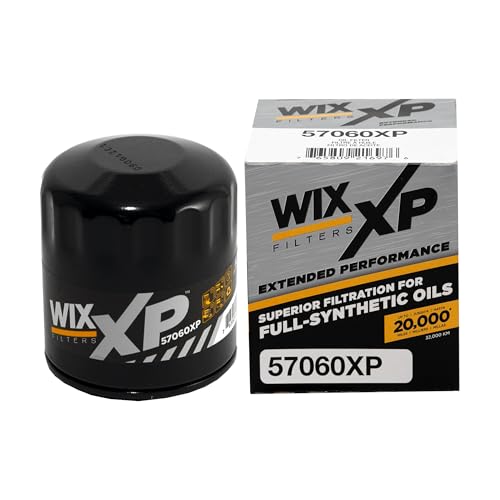
WIX 57060XP XP Oil Filter Replacement

Acura 15400-PLM-A02 Engine Oil Filter

Mobil 1 M1-212A Extended Performance Oil Filter
More Details On Our Top Picks
That Toyota-branded housing makes sense for drivers who want a straightforward replacement during a normal oil change. The OEM, or original equipment manufacturer, angle matters here because it usually means you’re sticking close to the part style the vehicle was built around, which can reduce guesswork in the garage.
Compared with the broader-fit filters later in this list, this one is the calmer choice for owners of Toyota and Lexus models who prefer a direct match over a cross-brand substitute. The trade-off is obvious: it serves a narrower group, but that narrow focus is exactly why many maintenance routines feel easier with it.
What We Like
- OEM fit helps simplify routine service.
- Brand matching can ease part selection.
- Works well for stock vehicle setups.
Small Caveats
- It serves a narrower set of vehicles than cross-compatibility options.
- Owners still need to confirm fit by model and year.
Feature Snapshot
Who It Suits Best
Owners of Toyota and Lexus vehicles who want a direct replacement for routine maintenance will get the most from this filter.
A Better Fit Elsewhere
Mobil 1 M1-212A Extended Performance Oil Filter suits drivers who want a longer-service option for higher-mileage schedules.
This K&N Select option is built for shoppers dealing with a wider set of compatible vehicles, which can take pressure off part hunting in a multi-car household. The SO-1017 model number helps narrow the search, and that matters because filter fit is less forgiving than most people expect.
Compared with the Toyota and Acura OEM picks, it leans more toward broad compatibility than brand-specific service simplicity. You may find that helpful in a driveway with several makes, though the trade-off is that fit verification becomes your job rather than the car maker’s.
Highlights
- Broad listed compatibility covers several vehicle families.
- Model number support makes matching easier.
- Good fit for mixed-brand garages.
- Useful for owners who want one filter reference point.
Areas To Watch
- Compatibility still needs a careful model-year check.
- Cross-brand listings can make selection feel busy.
Core Details
Whose Shelf It Belongs On
This suits drivers who maintain multiple compatible vehicles and want a single, clearly labeled replacement path.
Swap It Out When
Toyota Genuine Oil Filter 90915-YZZN1 is a tighter fit for Toyota and Lexus owners who want a simpler OEM match.
Property owners with a Kohler-powered mower or tractor often want a simple spare on hand, and this two-pack answers that need without adding extra complexity. The part-number web is fairly broad, spanning several listed equivalents, which is useful when your equipment manual names a legacy number.
Compared with the car-focused filters above, this one is aimed squarely at outdoor power equipment rather than road vehicles. The honest read is that the value comes from convenience more than flash, and that’s exactly what you want before a weekend mowing job.
Reasons To Buy
- Two-pack format helps with spares and future maintenance.
- Broad part-number cross reference reduces confusion.
- Fits a useful range of lawn equipment applications.
- Good match for routine seasonal servicing.
Room For Improvement
- Equipment fit must still be matched carefully against your manual.
- It serves outdoor machines, not road vehicles.
- Part-number lists can feel dense at first glance.
Technical Sheet
Built With In Mind
This fits homeowners and property managers who service Kohler engines in lawn mowers or tractors.
Look Elsewhere When
WIX 57060XP WIX XP Oil Filter Replacement is a better fit for drivers maintaining road vehicles with synthetic oil setups.
This Kawasaki-focused two-pack suits owners who keep riding mowers or similar equipment running on a regular schedule. The compatibility list is long, and that can save time during part searches, especially in a workshop where several engine codes live side by side.
Compared with the Kohler 2-pack, this option leans into Kawasaki FR and FX family coverage rather than lawn-equipment part-number cross reference. One thing worth considering is storage, because keeping the spare clean and labeled makes the next service easier.
Best Bits
- Two filters in the package support future maintenance.
- Long engine compatibility list helps narrow matching.
- Good for equipment owners who service often.
Honest Caveats
- Compatibility work still matters before installation.
- The listing is geared to Kawasaki engines, not general automotive use.
- Part-number matching can be fussy for first-time service jobs.
Details At A Glance
Who Should Grab It
This suits Kawasaki engine owners who service mowing or garden equipment and want a spare on the shelf.
Where A Sibling Pick Shines
12 050 01-S Oil Filter for Kohler Engines 2 Pack is the better fit for Kohler-powered equipment with broader lawn-tractor part references.
Element-style filters fit drivers who prefer the insert itself rather than a full spin-on housing, and that changes how your maintenance day feels. For Toyota owners already used to this layout, the part keeps the replacement path simple and familiar.
Compared with the Toyota 90915-YZZN1 above, this one serves a different service style even though the brand stays the same. The trade-off is that element filters depend more on the correct housing setup, so careful matching matters a bit more than with a conventional canister filter.
Positives
- Factory-style Toyota replacement keeps service familiar.
- Element format suits the vehicle’s intended setup.
- Good choice for owners maintaining original equipment.
Worth Noting
- Element filters depend on the matching housing style.
- Fit checks matter more than with a spin-on filter.
Quick Facts
Made For
Drivers of Toyota vehicles that use an element-style oil filter will feel most at home with this pick.
Not Your Match When
Toyota Genuine Oil Filter 90915-YZZN1 is the simpler route for Toyota and Lexus owners who want a direct spin-on style replacement.
Bosch takes a more technical path than the Toyota and K&N picks, mainly through its FILTECH filtration system, which is Bosch’s branded media design for trapping and holding contaminants within the filter element. That matters for drivers who want a more engineered feel from a maintenance part, especially across mixed garage fleets.
The compatibility list stretches across Acura, Chrysler, Dodge, Ford, Honda, Infiniti, and Nissan applications, so it can serve a lot of common driveway setups. The trade-off is the usual one with broad-compatibility filters, the part number has to match your exact vehicle, not just the badge on the hood.
What We Like
- FILTECH media adds a more specialized filtration approach.
- Broad fitment helps mixed-brand households.
- Useful for common passenger vehicle service routines.
- Brand reputation tends to help with confidence at purchase time.
Points To Note
- Fit confirmation is still essential before ordering.
- The longer compatibility list can feel crowded.
Feature Rundown
Right Fit For
This suits drivers who want a premium-feeling replacement for a common passenger vehicle application.
Reach For A Different Pick When
Acura 15400-PLM-A02 Engine Oil Filter is the better match for Acura owners who want a factory-specific part number.
WIX XP is the most purpose-built option in this list for synthetic-oil setups, which makes it feel better aligned with longer service intervals and more demanding maintenance plans. For drivers with GM-family vehicles or other listed matches, that focus can matter more than a flashy compatibility claim.
Compared with the Bosch pick, this one narrows in on synthetic oil use rather than a broad branded feature story. You may find that narrower emphasis helpful, though it also means the part makes less sense for casual, low-mileage service plans that don’t need that extra layer of capability.
Upsides
- Built with synthetic oil use in mind.
- Good fit for longer maintenance intervals.
- Useful for several GM-family applications.
- XP focus suits more demanding service routines.
Softer Spots
- Best fit depends on synthetic oil use.
- Compatibility still needs a careful part check.
- It may be more than casual service needs.
Core Details
Best Suited To
Drivers who maintain synthetic-oil vehicles and want a filter shaped for that routine will appreciate this pick.
Another Choice May Suit
Bosch Automotive 3323 Premium Oil Filter is a better fit for mixed-brand garages that want broader compatibility coverage.
This Acura factory part is the plainspoken choice in the lineup, and that can be a good thing. There’s no compatibility maze here, just a direct replacement for Acura owners who want to keep service close to original equipment standards.
Compared with the Bosch and WIX options, it gives you less cross-brand flexibility but more brand-specific simplicity. The honest read is that this is the kind of filter you choose when exact match matters more than shopping around for broader fitment.
Strong Points
- Factory part number keeps selection simple.
- Good fit for Acura routine maintenance.
- OEM-style replacement helps reduce guesswork.
Minor Gripes
- Its use is narrow compared with broader-fit filters.
- It is less flexible for mixed-vehicle households.
Feature Card
Built With In Mind
This suits Acura owners who want a direct factory replacement without sorting through broad compatibility charts.
Skip It When
K&N Select Oil Filter SO-1017 is the better route for mixed-brand garages that need wider listed fitment.
Mobil 1 leans into longer-service use, and that makes it the most upgrade-minded pick here for drivers who stretch maintenance schedules or just want a higher-spec replacement on hand. The synthetic blend construction and extended-performance focus suggest a filter built for more demanding intervals than the simpler OEM-style choices above.
Compared with the Acura and Toyota factory picks, this one is less about brand-matched simplicity and more about a broader performance story. The catch is that extended-service thinking only helps when your vehicle fit and maintenance routine line up with it, so the part works best in the right setting rather than as a universal answer.
Highlights
- Extended-performance design suits longer service intervals.
- Synthetic blend construction adds a more advanced profile.
- Helpful for drivers who prefer premium maintenance parts.
- Good fit for high-mileage service planning.
Trade Offs
- It makes the most sense when your maintenance schedule supports it.
- Fit still needs to be checked carefully.
- Not as simple as a direct OEM-specific part number.
Spec Overview
Perfect Match For
This suits drivers who want a premium filter for longer maintenance intervals and do not mind checking compatibility carefully.
Where Another Pick Suits Better
Acura 15400-PLM-A02 Engine Oil Filter is the cleaner choice for Acura owners who want a strict factory part match.
How To Choose The Right Engine Oil Filters
Match The Filter To The Vehicle Or Machine
Fit is the first filter, so to speak. A Toyota or Acura owner usually does best with an OEM part number, while a mower or tractor owner needs the exact engine reference and not just a familiar brand name.
Part numbers matter because oil filters are shaped by housing depth, thread style, and sealing design. A broad compatibility listing can help, but it also puts the burden on you to confirm the year, engine family, and service format before you order.
Think About Your Service Pattern
Short oil-change intervals call for a straightforward replacement, especially in a daily commuter or a weekend mower that sees seasonal use. Longer intervals lean toward filters built for synthetic oil or extended performance, like the WIX XP and Mobil 1 options in this list.
The trade-off is simple: more advanced filters usually make the most sense when your maintenance habits support them. For low-mileage use, a factory-style part can be plenty.
Pay Attention To Compatibility Breadth
Some filters serve one badge and one model family, while others span several makes. That wider reach is handy in mixed garages, but it can also turn shopping into homework.
Broader listings help drivers with several vehicles, yet narrower OEM parts reduce the chance of a mismatch. For most homes, the right answer depends on whether you want convenience across multiple machines or a single exact fit.
Use The Maintenance Context, Not Just The Brand
A filter for a lawn tractor faces a different job than one for a sedan sitting in city traffic. Outdoor equipment owners often value the spare-in-the-shed convenience of a two-pack, while car owners may care more about factory consistency and easier record keeping.
Think about storage too. A spare filter that stays clean, labeled, and sealed is much easier to use later, especially during seasonal service when the garage feels a little like a puzzle box.
What To Weigh Before You Buy
Common Shopping Slip Ups
The easiest mistake is treating every filter like a generic cylinder. Engine family, model year, and filter style all matter, and one missed detail can turn a simple maintenance job into a return trip.
Another common miss is ignoring the service style. An element filter and a spin-on filter may serve the same engine family, but they are not the same part.
The Case For Spending Up
Higher-tier filters usually buy you better construction, more specialized media, or an extended-service design. That can help in long-distance commuting, synthetic-oil schedules, or equipment that gets used hard through the season.
You are paying for tighter design focus, not magic. That extra cost makes sense only when your vehicle fit and maintenance rhythm can actually use it.
Frequently Asked Questions
How do you check the right oil filter fit?
Start with the exact part number in your owner’s manual or service record. Then confirm the engine family, model year, and filter style before you order.
Are OEM filters worth choosing over cross-brand options?
OEM filters usually make selection easier because the match is more direct. Cross-brand filters can work well too, but they ask for a closer fit check.
What makes synthetic-oil filters different?
Synthetic-oil filters are built with that service style in mind, often for longer intervals or more demanding use. That can make them a better match for drivers who keep maintenance on a set schedule.
Do two-packs make sense for home maintenance?
They do when you service the same equipment more than once a year. A spare on the shelf saves another search later.
Why do some filters list many vehicle brands?
Many filters are built around a shared size or engine platform used across several makes. That wider reach helps, but it also means you need to verify the exact match carefully.
Closing Thoughts
Your best engine oil filter is the one that matches the engine, the service style, and the way you actually maintain your vehicle or equipment. Toyota and Acura owners may prefer the clean simplicity of OEM parts, while mixed-garage shoppers may lean toward Bosch, K&N, or WIX for wider compatibility. For lawn and tractor work, the Kohler and Kawasaki options keep the focus on the machines that need them. Choose the fit that fits your routine, and the next oil change feels a lot less like guesswork.