

You want the right container for the job, not a generic jug with a shiny label. Some of these picks suit off-road hauling, some are better for diesel storage, and a few are really for chafing dishes, catering, or warm serving lines rather than vehicle fuel.
The differences matter in daily life. A tight-sealing off-road container behaves very differently from a steel safety can or a gel chafing can, so this roundup helps you match shape, material, and use case without guessing.
Quick Look At The Shortlist

VP Racing 35221-CA 5.5 Gal. Square Motorsport Jug

Methanol 7-Ounce Entertainment Cooking Fuel 12-Pack
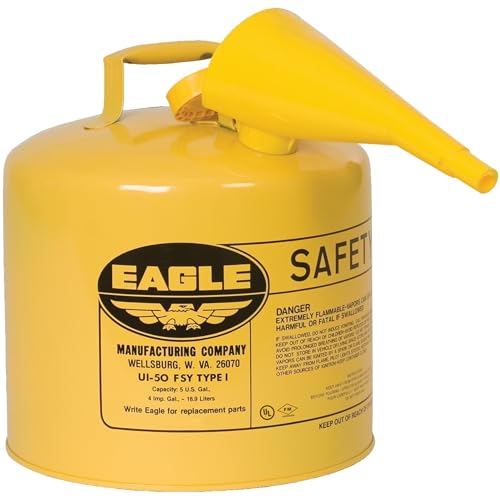
Eagle 5 Gallon Type I Yellow Safety Gas Can for Diesel

RotopaX 3 Gallon Gasoline Pack

Scepter 5 Gallon Gas Can with SmartControl Spout

GasOne 2+ Hour Chafing Fuel Metal Can 12-Pack

Royal Oak Canned Heat 2-Hour Chafing Fuel 12-Pack

VP Racing 3846-CA 5.5 Gallon Motorsports Jug Camo
More Details On Our Top Picks
That square body makes this VP Racing jug feel easier to stage in a garage corner than a round can. The reinforced high-stress areas and close-trimmed cap suit storage jobs where you want a tighter seal and a sturdier shell.
It’s built for non-fuel use, so it fits the messy reality of farm work, workshop fluids, birdseed, or non-potable water better than a basic utility jug. The 14-inch filler hose helps with controlled pouring, though the specialized use also means you need to match it to the right material instead of treating it like a universal gas can.
Strong Points
- Square shape stores neatly against shelving and trailer walls.
- Reinforced corners help the jug keep its form under rough handling.
- The long filler hose supports steadier pouring in a busy shed.
- Works well for animal feed, outdoor materials, and shop fluids.
Things To Consider
- It is aimed at non-fuel contents, so the use case is specific.
- A filled square jug can feel awkward in tight carry spaces.
- The broad body may need a bit more shelf depth than narrower cans.
Feature Snapshot
Who It Suits Best
Farm owners, pit-area crews, and garage users who need a stout utility jug for non-fuel materials will get the most out of this one.
A Better Fit Elsewhere
RotopaX 3 Gallon Gasoline Pack suits overlanders and ATV owners better, since its sealed design is more trail-focused than the VP Racing 35221-CA jug.
This gel chafing fuel is built for serving lines, not the garage, and that distinction matters. The 7-ounce cans are meant to keep food warm for a long stretch, which makes them a straightforward fit for catered spreads, family gatherings, and office events.
The solid gel format is easy to light and less fussy than loose liquid fuel. Still, you’re working with food-warming hardware, so the real value is steady heat under chafing dishes rather than broad versatility, unlike the more all-purpose VP Racing jug above.
What We Like
- Gel format gives you a steady serving flame.
- Seven-ounce cans are easy to stage in bulk.
- Good fit for catered tables and holiday buffets.
- Simple handling works well for quick setup times.
Room For Improvement
- It serves one narrow job, so flexibility is limited.
- Best suited to food service gear, not general storage.
Core Details
Who Will Love This
Home cooks, caterers, and event hosts who need a simple warming setup will appreciate the focus here.
Another Choice May Suit
Royal Oak Canned Heat 2-Hour Chafing Fuel makes more sense for hosts who want a resealable can and a non-drip formula.
This Eagle can leans into the serious side of fuel storage. The galvanized steel body, flame arrester, self-closing lid, and F-15 funnel point to a setup that feels suited to a workshop, equipment shed, or diesel transfer area.
Compared with the softer utility focus of the VP Racing jug, this one is more about controlled handling and safety-minded hardware. The trade-off is that steel adds weight, so it’s not the handiest option for casual carrying around a property.
Highlights
- Steel construction gives the can a serious, work-ready feel.
- The self-closing lid helps simplify managed pouring.
- Flame arrester design suits cautious diesel storage habits.
- The included funnel supports cleaner transfers.
Points To Note
- Steel body can feel heavier than molded plastic options.
- Its purpose is more focused than a multi-use utility jug.
- Yellow color marks the diesel orientation, so sorting matters.
At A Glance
Built With In Mind
Shop owners, tractor users, and diesel-focused home garages are the right match here.
Swap It Out When
Scepter 5 Gallon Gas Can with SmartControl Spout makes more sense for someone who wants a lighter molded can with a more controlled spout system.
Off-road gear asks for a container that stays quiet in transit, and this RotopaX pack is built around that need. Seamless construction and a secure seal are the main attractions, while the three-layer rotational-molded body aims at tougher trail use.
For overlanding, ATVs, UTVs, and trucks, the compact 3-gallon format makes sense without swallowing too much space. The honest trade-off is simple, though, because this style feels more specialized than the broader utility of the Scepter can below.
Upsides
- Seamless body helps reduce leak worries in rough travel.
- Three-layer molded build adds a tougher feel for trail use.
- Compact size suits rack-mounted storage.
- Works naturally with outdoor rigs and weekend vehicles.
Softer Spots
- Three gallons may be modest for longer trips.
- The design is tailored to travel gear more than shop use.
- Trail-focused shape can be less convenient for casual shelf storage.
Details At A Glance
Whose Shelf It Belongs On
Weekend explorers and truck owners who pack gear for rough routes will get the most from it.
Look Elsewhere When
Eagle 5 Gallon Type I Yellow Safety Gas Can for Diesel is the better fit for a shop-first setup that needs a steel safety can.
The Scepter leans into practical fuel handling, especially for diesel users who want a spout that behaves predictably. Its SmartControl spout is the headline feature, and that matters in a driveway or shed where a controlled pour is worth more than flashy styling.
Compared with the heavier Eagle steel can, this molded option should feel easier to move and stage around a property. The flip side is that it stays purpose-built for diesel, so shoppers seeking a broader utility container will need to look at the VP Racing jugs instead.
Best Bits
- SmartControl spout supports measured pouring.
- Five-gallon size fits common refuel routines.
- Molded body should be easier to carry than steel.
- Diesel-only labeling helps keep contents sorted.
Worth Noting
- Diesel-only setup narrows the audience.
- Spout systems often need careful cleaning after storage.
- Not the right match for trail-mounted gear.
Technical Sheet
Right Fit For
Diesel equipment owners and routine home-utility users who want a controlled pour will appreciate this one.
Where A Sibling Pick Shines
RotopaX 3 Gallon Gasoline Pack suits off-road transport better, especially for vehicles that carry fuel on rough routes.
GasOne keeps this one focused on buffet duty, and the metal can format feels suited to straightforward event setup. A 2-plus-hour burn window gives you a practical rhythm for serving trays, so it fits home parties, banquet tables, and recurring catering tasks.
It’s more utilitarian than the Royal Oak option that follows, which leans harder into resealable convenience. The honest read is that you’re choosing this for dependable warming, not for a fancy can design.
Reasons To Buy
- Longer warming window supports service over a full meal.
- Metal can format is easy to store with event gear.
- Pack of 12 works well for recurring gatherings.
- Simple fuel setup keeps chafing prep uncomplicated.
Minor Gripes
- Purpose is narrow, so it stays tied to food service.
- Metal cans add a bit of weight to transport.
Feature Card
The Right Fit
Event hosts and catering crews who need a simple, repeatable warming source are the best match.
Reach For A Different Pick When
Royal Oak Canned Heat 2-Hour Chafing Fuel suits you better if resealing and cleaner handling matter more in the serving line.
Royal Oak aims at smooth event handling, and the resealable, non-drip design is the detail that stands out first. That matters in weddings, backyard parties, or buffet lines where messy cans become a hassle quickly.
It’s also comfortable to touch, which sounds small until you’re resetting warmers between courses. Compared with GasOne’s simpler metal can, this one feels better suited to hosts who want a neater serving routine.
Bright Spots
- Resealable design helps manage partially used cans.
- Non-drip fuel is easier to handle around serving tables.
- Comfortable-to-touch can is kinder during setup and takedown.
- Good fit for weddings, parties, and BBQ spreads.
Small Caveats
- Still aimed at food warming, so it has a narrow job.
- Event hosts need a clean storage spot for partly used cans.
Quick Facts
Who Should Grab It
You’ll appreciate this most if you host often and want cleaner handling around warmers.
Not Your Match When
GasOne 2+ Hour Chafing Fuel fits better for basic buffet setups where the can design matters less than straightforward warming.
This VP Racing jug looks built for hard use, and the camo finish gives it a different visual feel from the patriotic version earlier in the list. The thicker material claim and corner reinforcement suggest a container aimed at rough handling in garages, farms, or motorsports spaces.
The attached hose makes dispensing more convenient than a plain open jug, especially when you’re moving outdoor fluids or industrial liquids around a work area. The trade-off is that the shape and purpose are still specialized, so it makes the most sense when durability matters more than all-purpose convenience.
Positives
- Thicker build should suit demanding storage and transfer jobs.
- Corner reinforcement helps the jug hold up in rough spots.
- Included hose adds convenience during dispensing.
- Useful in garages, farms, and outdoor work settings.
- Large 5.5-gallon size reduces repeat fills.
Areas To Watch
- Its job is specialized, so it is not a universal can.
- Large utility jugs need more storage room than compact fuel packs.
- The camo finish is mostly about appearance, not function.
Spec Overview
Perfect Match For
Motorsport teams, farm users, and workshop owners who want a rugged utility jug will feel at home with this one.
Where Shoppers Go Wrong
Scepter 5 Gallon Gas Can with SmartControl Spout is the better fit for anyone who wants a more conventional diesel can with a controlled spout.
How To Choose The Right Fuel Cans
Match The Container To The Job
Start with the contents, because that decision changes everything. A diesel-only can, a chafing fuel tin, and a utility jug for non-fuel materials are solving different problems, even when they sit in the same search result.
Capacity matters too. A 3-gallon travel pack suits rack-mounted transport, while a 5- or 5.5-gallon container makes more sense for repeated shop use or larger storage needs.
Pay Attention To Material And Seal Quality
Steel feels different from molded plastic, and the trade-off shows up in weight, dent resistance, and handling comfort. Galvanized steel works well for a hard-wearing workshop can, while seamless molded construction is often easier to manage on rough routes.
Seal design deserves equal attention. A close-trimmed cap, self-closing lid, or spill-focused spout matters most on bumpy ground, in crowded sheds, or anywhere you want fewer drips during storage and transfer.
Think About The Space You Actually Use
A square jug stores neatly against shelves, and that helps in a garage where every inch counts. Rounder or more specialized containers can be easier to carry, but they may not tuck into corners as cleanly.
Cleaning and maintenance also follow the shape. Wide openings and simpler lids tend to be easier to wipe out, while more specialized spouts and resealable cans reward a little extra care after each use.
Choose For Your Environment
Off-road owners, caterers, and farm users all need different features from a fuel can. Trail gear should stay compact and secure, while event fuel wants clean handling and a steady burn, and shop storage benefits from clearer labeling and sturdier walls.
That makes the right choice less about flashy extras and more about fit. The best container is the one that matches your routine without making the small tasks harder.
Things Worth Knowing First
Mistakes Worth Dodging
One common slip is mixing up storage types with serving fuel. A chafing fuel can belongs with buffet dishes, not in a truck bed, and a utility jug for non-fuel materials should stay in that lane.
Another mistake is ignoring spout style. A simple can looks harmless, but a poor pour can create more mess than the rest of the container saves you.
The Upgrade Payoff
Higher-tier options usually cost more because of thicker walls, better seals, or more specialized hardware. That extra material and engineering helps when your can rides in a rough vehicle or gets used every week.
Spending up makes sense for frequent users, long-distance travel, or demanding work sites. Casual, occasional use does not need the same level of build, so the added cost only matters when the container is part of your regular routine.
Frequently Asked Questions
What size fuel can works best for home use?
A 5-gallon can fits most routine needs without taking over your storage space. Smaller 3-gallon packs make more sense for travel gear or compact vehicles.
Are chafing fuel cans the same as fuel cans for vehicles?
No, they solve very different jobs. Chafing fuel keeps food warm, while vehicle cans are made for storage and transfer.
Why do some cans use steel while others use molded plastic?
Steel usually feels stiffer and more work-oriented, which helps in demanding shop settings. Molded plastic often weighs less and can be easier to carry around the property.
What is the point of a self-closing lid or spill-proof spout?
Those features help control fuel movement and reduce mess during pouring. They also make storage feel calmer in a crowded garage or event setup.
Can one fuel can cover every use case?
Usually not, because fuel, diesel, outdoor fluids, and chafing fuel all ask for different designs. The right container is the one matched to your actual task, not the one with the longest feature list.
Final Verdict
The right fuel can depends on where you use it, what you store, and how often you reach for it. A rugged off-road pack, a steel diesel can, or a simple chafing fuel tin can each make sense in the right setting, and forcing one style to do every job usually leads to frustration. Pick the container that fits your space and routine, and the rest gets much easier.