

For compact cabins, older dashboards, and factory speaker swaps, the right 3.5-inch pair can make a tired system feel far more composed. You’re usually balancing fit, ease of installation, and how much midrange clarity you actually want from a small opening. That’s the trade, and it matters more here than it does with larger speakers.
These seven picks cover simple replacements, more detailed coaxial designs, and a few stronger options for drivers who want a firmer step up. You’ll also see where a 4-inch frame or a more ambitious build makes more sense, because size and mounting depth can matter just as much as raw output.
The Shortlist At A Glance

BOSS Audio Systems BRS35 3.5 Inch Replacement Car Door Speaker
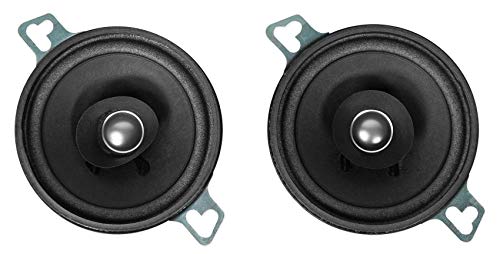
Kenwood KFC835C 3.5-Inch Round Car Speaker System
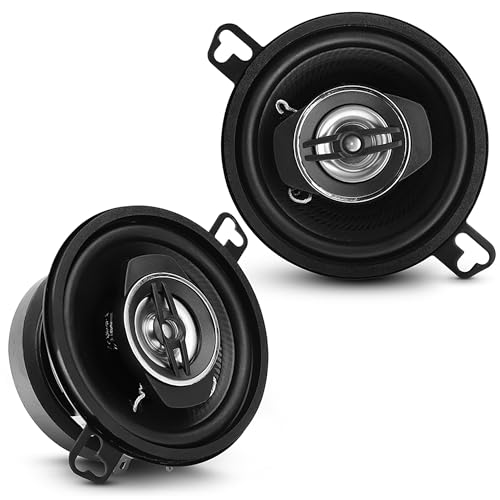
Pyle 2-Way Universal Car Stereo Speakers PL31BK Pair
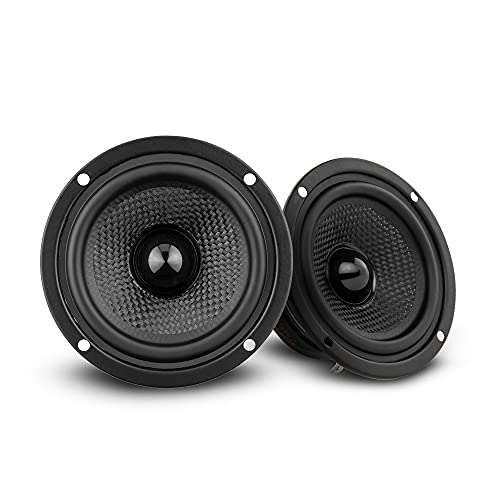
DS18 ZXI-354 3.5 Inch Full Range Car Audio Speaker

PIONEER A-Series Plus TS-A879 3.5 Inch 2-Way Coaxial Car Speakers

Hifonics Zeus ZS35CX 3.5 Inch 2 Way Car Audio Coaxial Speakers

PIONEER F-Series TS-F1035R 4 Inch 2-Way Car Speakers
More Details On Our Top Picks
The BRS35 sits in the most straightforward lane here, a replacement-minded speaker built for a door opening that needs a clean swap rather than a dramatic redesign. Its coaxial layout keeps the tweeter and main driver together, which helps keep the install simple in older cars or basic audio refresh jobs.
You’ll appreciate that approach in a daily commuter, where consistency matters more than flashy tuning. The only real catch is that this kind of speaker usually serves best as a sensible refresh, not a full-system statement piece, and the included 4 by 6 inch reference makes fit worth checking carefully.
Strong Points
- Coaxial layout keeps installation straightforward.
- Made for replacement use, so it suits tired factory locations.
- Works well for basic daily driving sound.
Things To Consider
- Best suited to a modest refresh, not a major audio overhaul.
- The 4 by 6 inch reference means fit should be checked first.
Core Details
Who It Suits Best
You’re the right match for this one when your goal is a tidy replacement in a car door or similar factory spot.
A Better Fit Elsewhere
Kenwood KFC835C 3.5-Inch Round Car Speaker System suits you better when you want a more rounded, all-purpose upgrade with less emphasis on exact replacement framing.
Kenwood takes a more classic, round-speaker route, which makes this pick feel familiar for straightforward car audio refreshes. That shape can be useful in older vehicles or compact dash spaces where a tidy round opening is easier to work with than a more specialized replacement piece.
The honest read is that this one makes sense for everyday listening, not for people chasing hard-hitting bass from a small driver. Compared with the BOSS BRS35, it reads as a cleaner general-purpose option, especially for drivers who want a dependable swap without overthinking the install.
What We Like
- Round format keeps compatibility broad.
- Feels like a natural fit for common factory openings.
- Good choice for daily use in older vehicles.
Minor Gripes
- Not aimed at big bass output.
- Fit still depends on the vehicle’s mounting pattern.
Feature Snapshot
Made For
You’ll get the most from this if your goal is a simple, familiar upgrade for everyday listening in a compact car or older cabin.
Where A Sibling Pick Shines
PIONEER A-Series Plus TS-A879 3.5 Inch 2-Way Coaxial Car Speakers suits you better when you want a more explicitly tuned coaxial upgrade with a stronger replacement focus.
Pyle leans into output for the size, and that makes the PL31BK pair interesting for drivers who want a more energetic swap without moving up to a bigger opening. The universal angle helps in door or side-panel installs, so it’s a practical fit for basic aftermarket work in older cars, project vehicles, or a second set of speakers.
You may find the trade-off in tuning rather than raw compatibility, because a more assertive small speaker can feel less refined than a gentler factory-style replacement. Compared with the Kenwood KFC835C, this one is the louder, more direct choice, which is handy when your daily drive needs a bit more presence.
Positives
- 120 watt peak rating gives you a sense of stronger headroom.
- Universal fit idea works well for broad replacement needs.
- Pair format suits a matched left-right swap.
- Good for drivers who want livelier sound from a small opening.
Worth Noting
- More output usually means a less subtle sound character.
- Universal mounting still calls for careful fit checks.
- Small speakers can sound strained in larger cabins.
Details At A Glance
Perfect Match For
This suits you best when you want a straightforward pair for a small car, project install, or budget-focused refresh.
Look Elsewhere When
DS18 ZXI-354 3.5 Inch Full Range Car Audio Speaker fits better for you when a more material-driven, detail-forward setup matters more than simple output.
DS18 takes a more serious materials-first approach, and that shows in the Kevlar cone and 4 ohm design language. Kevlar is a stiff, lightweight cone material, which matters because controlled cone movement often helps a small speaker stay composed when your music gets busy.
That makes this pick feel more at home in a setup where detail and texture matter, especially in a car that already has enough cabin noise to blur weaker speakers. The trade-off is simple, though, because a more focused build usually asks a little more of the rest of the system, and the pair format makes this more of an upgrade move than a casual swap.
Reasons To Buy
- Kevlar cone points to a more rigid driver build.
- Full-range layout keeps the sound path direct.
- 4 ohm impedance is standard enough for many setups.
- Good fit for drivers chasing clearer midrange presence.
Areas To Watch
- More technical parts can mean a less plug-and-play feel.
- Pair format may be more than casual refreshes need.
Feature Card
Whose Shelf It Belongs On
You’re the best fit for this one when you want a detail-focused small speaker and already care about the rest of the system.
Swap It Out When
Pyle 2-Way Universal Car Stereo Speakers PL31BK Pair is the easier choice for you when simple universal replacement matters more than a more technical build.
Pioneer’s A-Series Plus has the kind of naming that usually hints at a more confident factory replacement, and that fits this one well. A 2-way coaxial setup means the speaker handles more than one frequency range in a single unit, which keeps the install tidy for drivers who want less fuss and more consistency.
For a daily car that needs balanced sound without becoming a project, this lands in a very comfortable middle ground. Compared with the Pyle pair, it feels more measured and less output-led, which may suit you better in a cabin where smooth treble matters more than sheer volume.
Upsides
- Two-way coaxial design keeps the layout compact.
- Good fit for factory-style replacement jobs.
- Balanced tuning focus suits daily listening.
Small Caveats
- Less aggressive than some louder small speakers.
- Best for a balanced tune, not a hard-edged one.
Quick Facts
Right Fit For
This makes sense for you when you want a balanced, easy-to-live-with upgrade in a daily driver.
Another Choice May Suit
Hifonics Zeus ZS35CX 3.5 Inch 2 Way Car Audio Coaxial Speakers suit you better when you want a more feature-heavy design with a stronger technical lean.
Hifonics brings the most technical parts list in this set, and you can see that in the mylar dome tweeter, alpha cellulose poly woofers, Kapton voice coil former, and passive Butterworth crossover. A tweeter handles the higher frequencies, while a crossover helps split the sound so each driver focuses on its own range, which is exactly where a small speaker can benefit from a little more control.
That kind of setup suits you well in a system where you want more precision than a plain replacement usually gives. The moisture-resistant rubber surround and copper voice coil details add practical appeal too, although the more involved design means this is not the most casual install in the group.
Best Bits
- Mylar dome tweeter adds a more detailed high-end section.
- Butterworth crossover helps the sound transitions stay smoother.
- Rubber surround supports better day-to-day durability.
- Strong technical design suits upgrade-focused installs.
Room For Improvement
- More parts can mean more install planning.
- Technical design is more than a simple swap.
- Best matched to a system that can use its added detail.
Technical Sheet
Built With In Mind
You’re the best match for this when you want a more technical small speaker for a carefully chosen audio setup.
Where Shoppers Go Wrong
Kenwood KFC835C 3.5-Inch Round Car Speaker System is the simpler route if you want a straightforward replacement without this many moving parts.
This Pioneer shifts to a 4-inch frame, which gives you a useful fallback when a 3.5-inch opening is too tight or your vehicle’s factory layout simply prefers the larger size. It’s also pitched as a high-efficiency, OEM-power-friendly speaker, so it makes sense for drivers who want a smooth replacement path rather than a heavy audio rebuild.
Compared with the other picks here, it feels like the most obvious fit for people who value a tidy factory swap and broad compatibility. The honest read is that the extra inch can matter a lot, because a better physical match usually beats forcing a smaller driver into the wrong opening.
Highlights
- 4-inch size broadens fit options beyond strict 3.5-inch openings.
- 2-way design helps keep the sound organized.
- Good choice for factory-style replacement work.
Softer Spots
- Its larger size means it’s not the right answer for every dash or door cutout.
- Less specialized than the more technical Hifonics pick.
Feature Rundown
The Right Fit
This belongs on your list when your vehicle accepts a 4-inch speaker and you want a clean, uncomplicated replacement.
Skip It When
BOSS Audio Systems BRS35 3.5 Inch Replacement Car Door Speaker makes more sense for you when the opening is already set up around a smaller replacement-friendly frame.
How To Choose The Right 3 5 Inch Speakers
Fit Comes First
Start with the opening, not the wattage. In cars, small speakers are often limited by the factory cutout, mounting depth, and nearby trim, so a round 3.5-inch unit and a replacement-style speaker can solve different problems.
That’s why the BOSS and Kenwood picks matter as much as the louder Pyle or more technical Hifonics models. A speaker that fits cleanly usually sounds better in real use than one that promises more but fights the dash.
Coaxial Versus More Complex Builds
Coaxial speakers place multiple driver elements in one frame, which keeps installation simple and works well for most stock upgrades. A more layered design, like the Hifonics setup with a crossover, can bring better control, but it also asks more from the rest of the system.
For everyday commuting, coaxial designs are usually the safer choice. For a project car or a system you want to tune carefully, the added parts can be worth the extra effort.
Power Numbers Tell Part of the Story
Watts help, but only as a rough guide. A 50 watt speaker and a 120 watt peak pair may suit very different listening habits, yet the rest of the system, especially the head unit and placement, shapes what you actually hear.
Think in terms of use, not bragging rights. Quiet city driving, road trips, and older cars with thin door panels each reward a different balance of output and smoothness.
Materials And Tuning Shape The Feel
Cone material, tweeter style, and crossover design all change how a small speaker behaves. Kevlar, mylar, cellulose, and rubber surrounds each point toward a different blend of stiffness, damping, and wear tolerance.
That matters because small speakers often need help staying composed in a noisy cabin. A well-matched material set can keep vocals clearer and top end less harsh, which is often more useful than chasing raw loudness.
What To Weigh Before You Decide
Wrong Turns To Avoid
Don’t let the size label do all the work. A 3.5-inch speaker may still need a specific frame shape, mounting pattern, or depth, and the wrong match can turn a simple upgrade into an annoying return trip.
It also helps to avoid overbuying power handling for a system that can’t feed it. In a basic daily driver, a balanced, easier-fit speaker often feels more satisfying than an overbuilt model that never gets used to its full potential.
The Upgrade Payoff
Higher-tier small speakers usually cost more because of better cone materials, more careful driver layouts, and extra parts like crossovers or specialized tweeters. Those details can improve clarity, separation, and how well the speaker handles busy music in a noisy cabin.
The upgrade is worth it when your car already has the rest of the system sorted and you care about cleaner sound more than simple replacement. For a quick refresh, simpler models often make more sense and keep installation easier.
Frequently Asked Questions
Will 3.5-inch speakers fit most cars?
No, fit depends on the vehicle’s factory opening and mounting pattern. Some cars accept them directly, while others need a different size or adapter strategy.
Do coaxial speakers work well for daily driving?
Yes, coaxial designs are a strong match for everyday listening because they keep installation straightforward. They’re a practical choice for commuters who want cleaner sound without a complex setup.
Is a higher watt rating always better?
No, wattage only tells part of the story. Fit, tuning, and the rest of the audio system matter just as much in a small speaker.
Why would you choose a 4-inch model instead?
A 4-inch speaker can be the better fit when your vehicle’s opening is sized for it or when you need a little more cone area. That extra size can make installation easier than forcing a smaller driver into the wrong space.
What matters more, materials or brand name?
Materials often matter more because they shape how the speaker behaves day to day. Brand still helps as a rough guide, but cone design, tweeter type, and impedance tell you more about fit and sound character.