
10 Inch Sub-Boxes can make a factory system feel less flat, especially in trucks, commuter cars, and weekend project builds. The right enclosure changes how a 10-inch woofer behaves, so you get tighter punch in some setups and fuller low end in others. The trick is matching sealed, vented, wedge, or shallow-fit designs to your cabin space and the kind of bass you actually want.
That’s what this roundup helps you do. You’ll see which boxes suit compact cab layouts, dual-sub builds, and easier drop-in upgrades, without wading through spec jargon that does not help you choose.
The Shortlist At A Glance

Atrend Bbox Car Pro Audio Speaker Enclosures 10” Single Vented Subwoofer/Speaker Enclosure High Grade MDF

QPower Pack of 2 Single 10-Inch Sealed Subwoofer Boxes 0.9 Cubic Feet per Box

Dual 10 Inch Vented Subwoofer Box Ported Sub Enclosure 5/8″ MDF ASC

10″ Inch Truck Sub Box Single Subwoofer Enclosure Regular Cab 5/8″ MDF ASC
Q Power Dual 10 Inch Vented Triangle Ported Wood Subwoofer Enclosure Box

Q Power QBOMB10V Dual 10 Inch Vented Port Subwoofer Sub Box

QPower Single 10in Sub Enclosure Universal Shallow Mount Downfire Speaker Box
More Details On Our Top Picks
The Atrend box leans into a straightforward vented layout, so it fits the kind of setup that needs bass with a little more air behind it. High-grade MDF, or medium-density fiberboard, matters here because it usually gives you a sturdier shell than thin, flex-prone panels.
Nickel-finish speaker terminals and included 18-gauge cables make wiring less fussy during installation, which helps in a garage build or a weekend retrofit. The trade-off is simple, vented enclosures usually ask for more space and more careful sub matching than sealed boxes like the QPower pair.
Strong Points
- Vented design gives your 10-inch driver room to breathe.
- MDF construction supports cleaner cabinet feel in daily use.
- Nickel terminals are a practical touch for routine wiring.
- Included cables reduce parts hunting during a swap.
Points To Note
- Needs more cabin room than a shallow truck-specific enclosure.
- Vented boxes usually reward careful sub matching, not guesswork.
- Cleaner wiring still depends on how tidy your install is.
Feature Snapshot
Who It Suits Best
You’ll get the most from this in a daily driver or garage-built system where you want a vented enclosure without chasing a flashy custom shell.
Where A Sibling Pick Shines
QPower Single 10in Sub Enclosure is the easier fit for cramped truck cabins, especially when you need a shallower shape behind the seat.
This QPower pair makes sense for a dual setup where you want two matching sealed enclosures instead of one large shared cabinet. Sealed means the box stays closed, which usually favors tighter bass character and simpler setup than a vented box like the Atrend or ASC dual-vented options.
Each box gives you 0.9 cubic feet of airspace, so you have a clear target for sub fit and tuning without dealing with a bulky footprint. In a hatchback, sedan trunk, or split system project, that format tends to be easier to place and easier to live with.
What We Like
- Two-box pack works well for mirrored left-right installs.
- Sealed design keeps bass response controlled and tidy.
- 5/8-inch MDF gives the cabinets a dependable feel.
- 0.9 cubic feet per box offers a clear build target.
Room For Improvement
- Two separate boxes take more placement planning.
- Sealed design gives up some vented-box output feel.
- Best results still depend on the sub you pair with it.
Core Details
Built With In Mind
You’ll appreciate this most in builds that value neat enclosure matching over maximum cabinet size.
Swap It Out When
Q Power QBOMB10V is the better call for drivers who want a more aggressive vented setup with a single cabinet per pair.
This ASC dual box is built for a pair of 10-inch woofers, so it suits a more serious custom system than the single-box Atrend or truck-focused ASC wedge. Its vented layout and 1.22 cubic feet of airspace give the drivers more room to move, which often translates to a fuller, louder low-end feel in cars and trucks.
The mounting depth of 13.75 inches matters just as much as the airspace, because deeper subs need real clearance behind the basket. That makes this a stronger match for installers who already know their driver dimensions and want a box that can support a more ambitious build.
Highlights
- Dual-sub format supports a larger audio project.
- Vented design suits bass-heavy listening styles.
- 13.75-inch mounting depth helps with sub compatibility.
- 1.22 cubic feet of airspace gives the drivers room.
- 5/8-inch MDF keeps the cabinet feel substantial.
Minor Gripes
- Needs more installation space than compact truck boxes.
- Works best when your sub depth is checked first.
- Universal fit still leaves trimming and placement to you.
Details At A Glance
Who Should Grab It
This suits you best when the goal is a dual-sub custom install with enough cabin room to support a larger box.
Another Choice May Suit
QPower Pack of 2 Single 10-Inch Sealed Subwoofer Boxes is friendlier for simpler builds that value sealed ease over vented output.
Regular cab trucks are where this wedge-style ASC box makes the most sense, because the sloped shape is built to work behind standard pickup seats. Compared with the larger dual vented ASC enclosure, this one gives up some sheer volume in exchange for a far easier fit.
The sealed design keeps the layout simple, and the front-loaded wire hookup makes basic installation less awkward in a cramped cab. You may still need to measure seat clearance carefully, but for a truck that refuses bigger cabinets, this is the practical route.
Reasons To Buy
- Wedge shape suits behind-seat truck space.
- Single-sub layout keeps the install easier to manage.
- 5/8-inch MDF gives the shell a sturdy feel.
- Front wire access helps in tight pickup cabins.
Small Caveats
- Cabin fit depends on your truck seat dimensions.
- Single-sub output is more modest than dual enclosures.
- Best results come from careful measuring before mounting.
Quick Facts
Right Fit For
You’ll like this most in a regular cab pickup where back-seat clearance is limited and a shallow wedge makes the difference.
Look Elsewhere When
American Sound Connection Dual 10 Inch Vented Subwoofer Box is the stronger route for truck owners who can spare more cabinet volume and want a dual-driver setup.
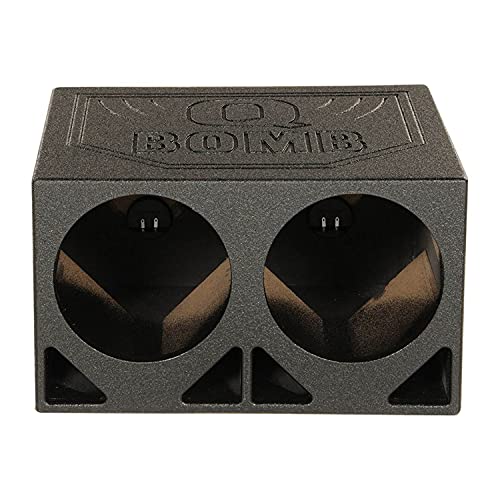
The triangle-port shape gives this Q Power enclosure a more distinctive footprint than the standard rectangular boxes in the lineup. That geometry can help with placement in some trunks or custom spaces, though the real payoff still comes from the dual vented layout and the bedliner-style exterior.
Spring-loaded terminals are a nice practical touch, especially when you expect to disconnect or rework wiring more than once. Compared with the sealed QPower pair, this box leans harder toward lively output and a tougher outer finish, so it suits a more active install.
Best Bits
- Triangle-port layout gives the box a distinctive shape.
- Vented design supports a more forceful bass feel.
- Bedliner-style coating helps the surface handle wear.
- Spring-loaded terminals make wiring changes less awkward.
Areas To Watch
- Unusual shape can take more planning in the trunk.
- Dual vented format usually wants a careful sub match.
- Coated finish still needs normal cleaning and dusting.
Spec Overview
Best Suited To
This suits someone building a rough-and-ready dual-sub setup where durability and a vented layout matter more than a plain box shape.
Where Shallow Boxes Fit Better
QPower Single 10in Sub Enclosure makes more sense for trucks that need a low-profile enclosure behind the seat.
The QBOMB10V sits in the middle of the group, where you want a dual vented box without jumping into a more specialized shape. Each side gets 1 cubic foot of airspace, and that makes the enclosure easier to pair with a broad range of 10-inch drivers than a tighter sealed build.
The 40 hZ tuning frequency, or port tuning point, is the spec that tells you where the enclosure is aimed in the low end. In plain terms, that makes it a fit for listeners who want deeper bass character and already know vented boxes can be a little less forgiving than sealed ones.
Upsides
- One cubic foot per sub gives a clear target volume.
- 40 hZ tuning supports a deeper bass emphasis.
- Dual vented layout fits a more serious audio setup.
- Bedliner spray helps the box handle everyday wear.
Honest Caveats
- Vented tuning needs the right sub pairing to shine.
- Dual enclosure size asks for enough trunk room.
- Surface care still matters with a coated finish.
Technical Sheet
Whose Shelf It Belongs On
You’ll get the most from this in a dual-sub system where bass depth matters and you still want a fairly straightforward cabinet shape.
Skip It When
QPower Pack of 2 Single 10-Inch Sealed Subwoofer Boxes is easier to place in smaller trunks or split installs that favor compact sealed boxes.
This Q Power enclosure is the clean answer for truck owners who need a shallow mount box that works behind the seat or in a downfire layout. Compared with the ASC truck wedge, it aims at broader fitment across GMC, Chevy, and Ford trucks, which makes it easier to consider when your vehicle list is not narrow.
The universal shape helps, but the honest read is that truck measurements still decide the final outcome. For a shallow sub and a tight cabin, though, this is the kind of box that keeps the install practical instead of turning it into a packaging puzzle.
Plus Points
- Shallow-mount format helps in tight truck cabins.
- Downfire or behind-seat use adds placement flexibility.
- Broad truck compatibility makes the fit easier to consider.
- Single-sub format keeps the setup straightforward.
Worth Noting
- Universal fit still needs measuring against your cab.
- Shallow layout limits you to the right driver style.
- Truck-specific use makes it less flexible for sedans.
At A Glance
The Right Fit
This works best for truck drivers who need a shallow enclosure and want a simpler path to behind-seat installation.
Reach For A Different Pick When
Atrend Bbox Car Pro Audio Speaker Enclosures 10” Single Vented Subwoofer/Speaker Enclosure High Grade MDF is the better match for a sedan or hatchback that has a little more room for a vented single box.
How To Choose The Right 10 Inch Sub-Boxes
Match The Box Style To The Sound You Want
Sealed boxes stay closed, so they usually give you tighter, more controlled bass and simpler placement. Vented and ported boxes use an opening or port to move air more freely, which often helps a 10-inch driver play louder and feel fuller in the low end.
That trade-off matters in daily driving. Sealed is usually the calmer choice for clean, compact systems, while vented suits you better when bass presence matters more than compact size.
Measure Fit Before You Think About Output
Cabinet dimensions, mounting depth, and vehicle layout matter just as much as the enclosure style. A box can look right on paper and still crowd a seatback, block cargo room, or leave too little clearance for the sub motor.
Truck owners should pay extra attention to wedge shapes, shallow mounts, and behind-seat clearance. Sedan and hatchback setups usually have more room to play with, but trunk depth still decides what fits comfortably.
Look Past The Wood And Check The Build Details
MDF is common because it gives the enclosure a firm, heavy feel without adding unnecessary complexity. Terminal style, port layout, and included wiring also affect how smooth the install feels once the box is in your hands.
Spring-loaded terminals make repeated wiring changes easier. Nickel-finish terminals and included cables can also save a little frustration during a first-time install.
Choose Around The Driver, Not Just The Box
The right enclosure only works well with a sub that matches its airspace and layout. A dual vented box can be a strong fit for higher-output goals, but a sealed pair may suit someone who wants easier placement and a more restrained bass character.
Look at sub depth, airspace, and the kind of bass you prefer before you settle on a cabinet. That keeps the enclosure from becoming a mismatch that sounds busy instead of useful.
A Quick Reality Check Before You Choose
Common Shopping Slip Ups
Many shoppers focus on the number of subs a box holds and forget the cabinet depth. A 10-inch enclosure still needs enough room for the motor, the terminals, and the shape of the vehicle cabin.
Another easy miss is choosing vented when a tighter sealed setup would suit the listening style better. That kind of mismatch shows up fast in a daily driver.
Where The Extra Money Goes
Higher-tier boxes usually spend more on stronger MDF, better terminal hardware, more thoughtful port shaping, and cleaner fitment details. Those touches can make installation smoother and help the enclosure feel better built during regular use.
The upgrade matters most in trucks, custom audio projects, or bass-focused systems that stay in the vehicle for a long time. For a simple trunk build, a more basic box often makes better sense.
Frequently Asked Questions
What size sub fits a 10-inch sub box?
A 10-inch sub box is made for 10-inch drivers, but exact fit still depends on mounting depth and airspace. You should check the driver’s cutout and depth against the enclosure before mounting.
Is sealed or vented better for everyday driving?
Sealed boxes usually feel tighter and simpler in small or daily-use setups. Vented boxes can give you more low-end output, but they ask for more room and a better match with the sub.
Why does MDF matter in a sub enclosure?
MDF, or medium-density fiberboard, gives the cabinet a firmer structure than lighter panel material. That helps the box feel more solid and can support cleaner bass behavior in a typical car audio build.
Can one 10-inch box fit in a truck?
Yes, as long as the shape works with the cab. Shallow and wedge-style boxes are usually the easier route behind truck seats.
Do dual 10-inch boxes need more planning?
Yes, because you need to account for width, depth, airspace, and the sub pair itself. Dual boxes can sound very strong, but placement and fit matter more than they do with a single enclosure.