

Motorcycle audio systems live with tight space, vibration, and weather exposure, so amplifier choice matters more than raw wattage alone. Compact chassis, bridgeable channels, crossover control, and enclosure style all shape how cleanly a system fits under a seat, in a fairing, or inside a hidden compartment. The seven picks below cover street bikes, marine-adjacent setups, and powersports builds with different wiring and output needs.
The Shortlist At A Glance

SounDigital Car Full Range Amplifier 800 4 Channels
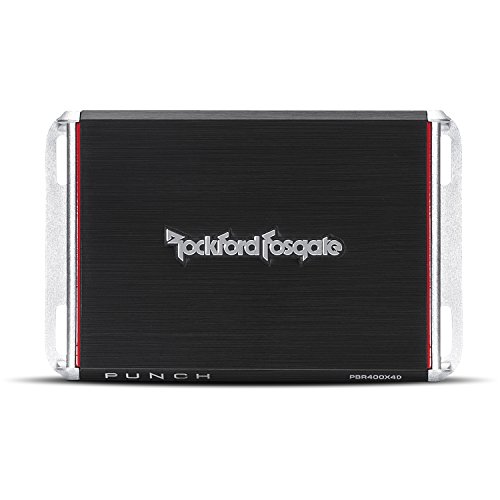
Rockford Fosgate Punch PBR400X4D 4-Channel Amplifier

Taramps TS 400X4 Black 2 Ohms 400W RMS 4-Channel Car Audio Amplifier

Marine Bluetooth Amplifier Waterproof Class D Amp 4 Channel
NVX VADM4 v2 Model 4-Channel Class D Amplifier
NVX VADM2v2 2-Channel Class D Amplifier

NVX MVPA4 600W Total RMS 4-Channel Bridgeable Marine-V Series Micro Class D
More Details On Our Top Picks
Four full-range channels give this SounDigital unit a useful middle ground between basic two-channel rigs and larger system builds. In a bike with separate front speakers and additional rear or fairing speakers, that layout keeps wiring cleaner than stacking multiple smaller amps.
The compact body matters as much as the output claim, especially in cramped saddlebags or hidden mounting spots. The honest read is that a four-channel amplifier like this suits riders who want a more complete sound stage without turning the install into a puzzle box.
Strong Points
- Four channels support a fuller speaker layout without adding separate boxes.
- The compact footprint helps in tight motorcycle or powersports mounting zones.
- Full-range design works well for front and rear speaker roles.
- Single-unit wiring can simplify future maintenance and panel access.
Small Caveats
- Four-channel setups can take more planning than a simple two-channel install.
- Space savings help, but heat management still depends on the mounting location.
Feature Snapshot
Who It Suits Best
Riders building a tidy multi-speaker setup with limited mounting space will get the most value from this one.
A Better Fit Elsewhere
Rockford Fosgate Punch PBR400X4D fits smaller fairing installs better, especially for scooters or bikes where chassis depth matters more than broader channel count.
Rockford Fosgate’s Punch PBR400X4D leans hard into space efficiency, which makes sense for bikes where every inch under the seat already has a job. Class-BR design means the amplifier is built around a compact, efficient layout, and that usually matters on vehicles with limited electrical headroom.
Compared with the SounDigital four-channel pick above, this one reads as the smaller-footprint option for more modest systems. A hidden fairing pocket or narrow side compartment is the natural home here, and that kind of install tends to reward simple cable runs over elaborate setups.
What We Like
- Ultra-compact chassis eases placement in crowded motorcycle builds.
- Four channels still leave room for a multi-speaker layout.
- Class-BR architecture suits installs that value efficiency.
- Lower bulk can make routine access less awkward during maintenance.
Points To Note
- Compact packaging usually trades away some sheer output headroom.
- Best results still depend on careful mounting and sensible ventilation.
- Less space means less margin for messy wiring or loose placement.
Core Details
Made For
Urban commuters and touring riders with limited storage room will appreciate the small chassis and straightforward layout.
Where A Sibling Pick Shines
SounDigital Car Full Range Amplifier 800 4 Channels suits riders who want more output potential for a larger multi-speaker system.
Taramps gives this model a flexible install profile, starting with both high-level and RCA inputs. High-level inputs accept speaker-level signals, which helps when a source unit lacks dedicated preamp outputs, while RCA inputs suit more traditional aftermarket head units.
Bridgeable channels add another layer of flexibility, and the built-in crossover helps direct the right frequencies to the right speakers. Compared with the Rockford Fosgate unit, this one looks more adaptable for mixed-source systems, though that versatility can also mean a little more setup attention.
Highlights
- High-level and RCA inputs cover more head-unit types.
- Bridgeable channels expand placement options for different speaker layouts.
- Built-in crossover helps divide audio duties more cleanly.
- Compact Class D design suits tighter motorcycle and UTV installs.
Worth Noting
- More flexible input options can make installation planning less casual.
- The 2-ohm stable design calls for matching speakers carefully.
- Complex systems usually reward neat cable routing and good access points.
Details At A Glance
The Right Fit
Riders building around mixed head-unit gear or planning a more adjustable speaker layout will get the most from this amplifier.
Not Your Match When
Rockford Fosgate Punch PBR400X4D makes more sense for riders who want a simpler, smaller four-channel package with less tuning flexibility.
Hidden-install builds rarely get much room for bulky audio gear, and that is where this velex unit earns attention. Bluetooth support keeps source pairing simpler for casual use, while the controller gives a separate point of adjustment that can be handy in a boat, golf cart, or motorcycle fairing.
Compared with the more traditional car-audio picks above, this one feels better suited to casual multi-environment use rather than a strictly inside-the-fairing setup. One thing worth considering is access, because a hidden amplifier still needs sensible placement for pairing, wiring, and periodic checks.
Upsides
- Bluetooth support reduces dependence on a wired source path.
- Controller inclusion helps adjust volume or playback without opening panels.
- Four channels suit multi-speaker outdoor systems.
- Hidden-install focus keeps the setup visually tidy.
Areas To Watch
- Bluetooth convenience can add another point of setup work.
- Hidden mounting calls for careful access planning.
- Mixed-use designs may feel less specialized than a bike-only amp.
Feature Rundown
Built With In Mind
Riders or owners setting up a concealed audio system across boat, UTV, or motorcycle platforms will find the format especially practical.
Look Elsewhere When
Taramps TS 400X4 Black 2 Ohms 400W RMS 4-Channel Car Audio Amplifier suits shoppers who want more traditional wired-input flexibility and crossover control.
NVX aims this VADM4 v2 at mixed vehicle use, and that breadth shows in the 2-ohm and 4-ohm stability plus the high-pass and low-pass crossover options. High-pass filtering keeps lower bass out of smaller speakers, while low-pass filtering hands bass duties to a subwoofer, so the amplifier can fit different builds without feeling specialized.
Compared with the Taramps pick, this one reads a bit more like a generalist four-channel solution than a feature-first install tool. That makes it a sensible fit for riders who want room to change speaker plans later, though the extra flexibility does invite more planning up front.
Best Bits
- 2-ohm and 4-ohm stability broadens speaker compatibility.
- High-pass and low-pass crossover options support cleaner system tuning.
- Four channels make a layered front-and-rear layout possible.
- Works across car, truck, marine, UTV, and motorcycle use cases.
Room For Improvement
- More tuning options can mean more time spent on setup.
- General-purpose design may be more than a very simple bike build needs.
- Multi-vehicle versatility does not remove the need for careful mounting.
Spec Overview
Whose Shelf It Belongs On
Riders who expect to revise speaker layout later, or who want one amp to handle more than a single narrow use case, fit this model well.
Swap It Out When
Rockford Fosgate Punch PBR400X4D is the neater fit for very tight mounting zones where chassis depth matters more than tuning range.
The VADM2v2 takes a narrower path than the four-channel NVX above, and that can be a smart move for a bike with a front-stage focus or a single subwoofer plan. Two channels often make wiring simpler, and the 2-ohm and 4-ohm stability broadens where the amp can land in a build.
High-pass and low-pass crossover control gives it more control than a barebones two-channel unit, which is useful in real installs where speaker size and placement are rarely ideal. For riders chasing clean front audio or a compact sub setup, the trade-off feels reasonable rather than stripped down.
Reasons To Buy
- Two-channel format keeps the install focused and straightforward.
- 2-ohm and 4-ohm stability supports multiple speaker plans.
- High-pass and low-pass control helps tailor output to the system.
- 600W RMS gives solid headroom for a focused setup.
Softer Spots
- Two channels limit how many speakers the amp can handle directly.
- Less breadth than a four-channel model for larger builds.
- Best gains come from a clear plan before installation begins.
Feature Card
Perfect Match For
Riders who want a compact two-channel amplifier for a clear front-stage role or a simple bass setup will find the format appealing.
Another Choice May Suit
NVX VADM4 v2 Model 4-Channel Class D Amplifier works better for riders who need four channels and more room for a full speaker layout.
The MVPA4 leans into outdoor durability with an IPX67 waterproof rating, which means the enclosure is built to stand up to dust and immersion-level exposure rather than ordinary indoor use. For motorcycle, marine, or open-air powersports installs, that sealed approach matters more than a flashy chassis shape.
Compared with the other four-channel picks, this one is the weather-first option, almost like a shelter built around the electronics rather than the other way around. Bridgeable channels help the amplifier stay flexible, though the sealed format can make casual access less convenient once the system is tucked away.
Positives
- IPX67 rating supports exposed outdoor placement.
- Micro Class D layout keeps the body compact.
- Bridgeable four-channel design adds system flexibility.
- Marine-V series framing suits mixed powersports use.
- Sealed construction is well matched to wet or dusty environments.
Honest Caveats
- Weather sealing can make access and service less convenient.
- Compact outdoor hardware still needs careful mounting and cable routing.
Core Details
Best Suited To
Riders and powersports owners who need a compact amplifier for exposed conditions will get the clearest benefit here.
Reach For A Different Pick When
Rockford Fosgate Punch PBR400X4D suits a bike-only build better when waterproof sealing matters less than a simpler ultra-compact chassis.
How To Choose The Right Motorcycle Amplifiers
Match Output To Speaker Count
Four-channel amplifiers fit full front-and-rear speaker layouts, while two-channel models make more sense for a focused front stage or a subwoofer plan. More channels usually mean more wiring and more setup decisions, but they also reduce the need to stack separate units.
RMS power, the continuous output figure, matters more than peak numbers for day-to-day use. On a bike with limited room and battery headroom, balanced output often works better than chasing the largest headline wattage.
Prioritize Mounting Shape And Heat Control
Compact chassis make a real difference on motorcycles because fairings, saddlebags, and under-seat spaces fill quickly. Class D and Class-BR designs are often favored in small installs because the layout is efficient and physically manageable.
Heat still deserves attention, even with smaller amplifiers. A sealed saddlebag corner or crowded panel cavity can trap warmth, so open airflow and firm mounting matter as much as the amp itself.
Choose Inputs And Filtering For The Source Gear
High-level inputs help when the source unit only provides speaker-level output, while RCA inputs suit standard aftermarket head units. That detail sounds technical, but it often decides whether an install feels straightforward or awkward.
Crossover control also changes ownership a lot. High-pass settings protect smaller speakers from deep bass, and low-pass settings keep bass duties where they belong, which is useful in mixed speaker and sub systems.
Pick For Environment, Not Just Vehicle Type
Marine-rated or IPX-sealed amplifiers make sense for exposed mounts, open trailers, and wet-weather riding. Standard car-audio amplifiers can still work well on motorcycles, but the enclosure and mounting spot need more care.
The smartest match usually comes from the environment first, then the speaker layout. A sealed outdoor unit may outlast a more powerful but less protected amp in rough conditions.
Things Worth Knowing First
Hidden Buying Traps
A common mistake is matching an amplifier to the vehicle before checking the speaker layout. Two-channel and four-channel amplifiers solve different problems, and the wrong count creates either wasted capacity or a cramped install.
Another slip-up is ignoring fit and access. A compact body sounds ideal until wiring, fuse placement, or future service becomes difficult in a packed motorcycle compartment.
The Upgrade Payoff
Higher-tier amplifiers usually cost more because of chassis design, efficiency, tuning controls, and tougher enclosure work. Those extras matter most in bikes, where a small housing and clean thermal behavior often matter more than raw output alone.
Spending up makes sense for riders who want a weather-sealed body, more crossover control, or a layout that simplifies future changes. For a basic fairing speaker setup, a simpler amp often does the job without extra complexity.
Frequently Asked Questions
What makes a motorcycle amplifier different from a car amplifier?
A motorcycle amplifier usually needs a smaller footprint and better tolerance for vibration and limited mounting room. Weather resistance also matters more on open bikes and exposed powersports builds.
How many channels make sense for a bike audio setup?
Two channels fit a focused front-stage system or a single sub plan. Four channels work better for riders who want front and rear speakers in one unit.
Does waterproof rating matter for motorcycle installs?
It matters most on exposed mounts, open trailers, and marine-adjacent use. A sealed or IP-rated amplifier gives more peace of mind where spray, dust, and weather exposure are part of the routine.
Why do some amplifiers include high-level inputs?
High-level inputs let an amplifier accept speaker-level signals from source units without dedicated RCA outputs. That makes integration easier on factory-style or mixed audio systems.
Is bridgeable output useful on a motorcycle?
Bridgeable channels give more layout flexibility, especially for unusual speaker arrangements or a simple subwoofer setup. The trade-off is a little more planning during installation.