


Helmet audio lives or dies on fit, control layout, and how well the system handles wind, road noise, and long wear. This roundup focuses on motorcycle headphones and communication headsets suited to commuting, touring, dirt use, and cold-weather riding, with a close eye on the details that matter once the helmet goes on.
Some picks lean thin and simple, others add intercom tools, charging cases, or stronger noise management. The right match depends on helmet space, riding style, and how much control stays usable with gloves.
The Shortlist At A Glance

Syphon SoundPro: Ultra-Thin Bluetooth Moto Headphones

Fodsports FX-S Motorcycle Bluetooth Headset V5.4


Elgin Ruckus Wireless Bluetooth Earplug Headphones

Motorcycle Helmet Bluetooth Headset 2 Way Intercom
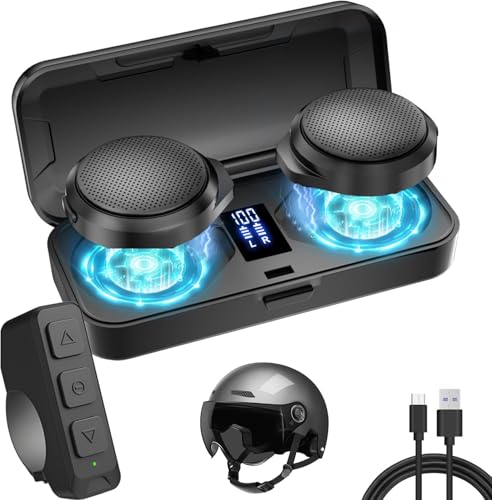
OBEST Motorcycle Bluetooth Headset with Charging Case

Cardo Systems Spirit Motorcycle Bluetooth Communication Headset
More Details On Our Top Picks
Thin speaker housings matter in helmets with shallow ear pockets, and that is the clear angle here. The 9.6 mm profile and twist-style controls suit commuting, trail riding, or any setup where gloved hands need simple access without tiny buttons.
The 40 mm drivers and listed 115 dB output point toward a louder, fuller sound profile than many basic helmet speakers. The trade-off is straightforward: a more aggressive sound signature can be useful on open roads, though volume-heavy setups still depend on helmet fit and the rider’s tolerance for noise.
Strong Points
- 9.6 mm speaker depth helps with tight helmet interiors.
- Twist controls are easier to manage with gloves on.
- 40 mm drivers support fuller music playback on the move.
- Built-in mic keeps call handling in the same system.
- Universal helmet fit broadens use across dirt bikes, snowmobiles, and street helmets.
Things To Consider
- Louder output can feel less forgiving in compact helmets.
- IP55 protection covers splashes and dust exposure, not a sealed immersion-style build.
- Twist controls are practical, though riders who prefer tactile buttons may need a short adjustment period.
Feature Snapshot
Whose Shelf It Belongs On
Commuters and trail riders who need slim speakers and easy glove handling will get the most from this design.
Swap It Out When
Cardo Systems Spirit Motorcycle Bluetooth Communication Headset suits riders who want a more communication-focused setup with simpler universal helmet use.
Two-rider conversation support gives this model a clearer purpose than the Syphon above. The V5.4 Bluetooth version, dual microphone setup, and CVC noise reduction line up well for daily riders who want calls, music, and helmet-to-helmet chat in one shell-mounted system.
IP67 protection is the standout number here, since that rating indicates stronger dust and water resistance than lighter splash-resistant designs. The honest read is that the broader feature set is useful, but the more communication functions also make it a little more setup-dependent than a very simple audio-only unit.
What We Like
- Two-way intercom support is useful for riding pairs.
- V5.4 Bluetooth points to a newer wireless platform.
- IP67 rating gives it a tougher weather profile.
- CVC noise reduction helps calls stay clearer in wind.
- Two microphone styles make helmet matching easier.
Minor Gripes
- Feature depth can mean a longer first setup.
- Two-rider focus is less flexible for larger group rides.
- More functions also mean more menu familiarity over time.
Core Details
Built With In Mind
Pairs of riders and daily commuters who want clear intercom use alongside music and calls will find the feature mix well matched.
Another Choice May Suit
Sena 60S Motorcycle Communication Headset suits groups and riders who want a more advanced communication platform than a simple two-way system.
This model sits at the communication-first end of the list, with Wave, Mesh, and Bluetooth intercom options in the same package. Mesh is the key term here, a networked connection style that can keep a group linked more fluidly than basic one-to-one pairing, which matters on tour days or organized rides.
The second-generation sound by Harman Kardon suggests a more refined audio path than the simpler systems above, especially for riders who care about voice clarity as much as music. The trade-off is cost and complexity, because a premium platform tends to make the most sense for riders who actually use the communication layer often.
Highlights
- Wave, Mesh, and Bluetooth options cover different ride formats.
- Second-generation sound tuning points to cleaner audio handling.
- Strong fit for organized rides and long-distance communication.
- Communication-first design makes it more versatile than basic speaker kits.
Areas To Watch
- The broader feature set makes it a more involved choice.
- Group-focused riders benefit more than casual solo commuters.
- Premium positioning usually suits frequent users better than occasional ones.
Details At A Glance
Who Should Grab It
Frequent group riders and long-haul touring setups suit this headset best.
Where A Sibling Pick Shines
Fodsports FX-S Motorcycle Bluetooth Headset V5.4 makes more sense for riders who want a simpler two-way intercom at a lower-complexity level.
Earplug-style headphones solve a different problem from the helmet-speaker units above, because the fit sits inside the ear rather than against the shell. The listed 25 dB NRR, or noise reduction rating, helps frame this as a stronger sound-control option for riders or commuters who want less road noise in the mix.
The 12-hour battery and IP65 sweat resistance make it useful beyond a short commute, including gym carryover or warm-weather riding days. The trade-off is that earplug formats are more personal in fit, so comfort can depend heavily on ear shape and how often the set is removed and cleaned.
Upsides
- 25 dB NRR suits riders who want stronger passive isolation.
- 12-hour battery supports longer stretches between charges.
- IP65 sweat resistance helps with active, mixed-use days.
- Noise-canceling mic improves call handling in louder settings.
- Compact form stores easily in a jacket pocket or small case.
Softer Spots
- Earplug fit can be more individual than helmet speakers.
- Frequent cleaning is worth keeping up with for hygiene and comfort.
- The style is less about intercom sharing and more about private listening.
Quick Facts
Perfect Match For
Solo commuters and riders who want more isolated listening in a compact form fit this style well.
Reach For A Different Pick When
Syphon SoundPro: Ultra-Thin Bluetooth Moto Headphones is the better fit for riders who need speakers mounted in the helmet rather than earplug-style audio.
The feature list here is broad enough to make sense for riders who want a single setup for talking, listening, and voice control. Two-way intercom support, music sharing, FM radio, and a voice assistant point this toward practical everyday use rather than stripped-down minimalism.
The 550-yard communication distance and 1000 mAh battery give it a more ambitious profile than many low-cost headsets. The honest caveat is that feature density can be useful in real commuting, yet it also raises the chance that some riders will use only a portion of what’s built in.
Best Bits
- Two-way intercom covers common riding-pair use.
- Music sharing adds convenience for shared rides.
- Voice assistant support helps reduce manual interaction.
- 1000 mAh battery suggests solid day-use endurance.
- Glove-friendly operation fits cold-weather or bulky-glove riding.
Points To Note
- Feature breadth can feel more crowded than simpler kits.
- Shared music and FM functions matter less for riders who only want calls.
- Large feature sets usually need a bit more setup and menu learning.
Core Details
Built For In Mind
Budget-conscious commuters and weekend riders who want more than bare-bones headset basics fit this model well.
A Better Fit Elsewhere
Fodsports FX-S Motorcycle Bluetooth Headset V5.4 is the cleaner choice for riders who want a more focused two-way helmet intercom.
A charging case changes the ownership story here, because it reduces how much loose gear needs to travel in a pocket or tank bag. TWS, or true wireless stereo, also means the headset connects without a tethered cable, which keeps the setup cleaner for riders and skiers moving between gear bags and helmets.
The listed 1900 mAh case and up to 50 hours of standby time make this feel better suited to trip planning than a quick errand only. The trade-off is that the stated 5.5-hour communication window is more modest than the storage case might suggest, so the case helps most with convenience and recharging, not endless runtime.
Reasons To Buy
- Charging case keeps the system easier to carry.
- True wireless setup avoids cable clutter.
- 1900 mAh case adds useful reserve power.
- LED display helps with quick status checks.
- Works beyond riding, including skiing use cases.
Room For Improvement
- Working time is stated separately from standby time, so expectations should stay realistic.
- Case-based storage adds bulk compared with tiny speaker-only kits.
- Wireless convenience can mean more charging routine management.
Spec Overview
The Right Fit
Traveling riders and ski-season commuters who value easy carrying and wireless storage will find the format useful.
Look Elsewhere When
Elgin Ruckus Wireless Bluetooth Earplug Headphones suits riders who want a smaller in-ear option with a quieter profile.
Cardo keeps this one clean and straightforward, which is exactly why it belongs in the list. The 32 mm speakers are thinner than the chunky setups on some older helmet kits, so helmet fit and ear clearance stay less crowded in many common full-face shells.
Universal connectivity gives the model wide compatibility appeal, especially for riders who want a communication headset without a pile of extras. The trade-off is that this straightforward approach favors simplicity over the deeper feature layers found in the Sena 60S, which still matters for riders building more complex group setups.
What We Like
- 32 mm speakers help keep the profile fairly slim.
- Universal connectivity broadens matching across helmet setups.
- Waterproof construction suits changing weather.
- Two-way Bluetooth covers the common rider-to-rider use case.
Worth Noting
- Two-way communication is simpler than group-oriented platforms.
- The streamlined format leaves out some advanced layered features.
- Riders seeking richer intercom tools may want the Sena 60S instead.
Technical Sheet
Who Will Love This
Riders who want a tidy, familiar communication setup without a complicated feature stack will feel at home here.
Where Shoppers Go Wrong
Sena 60S Motorcycle Communication Headset is the stronger match for riders who need mesh-based group communication and a more advanced audio platform.
How To Choose The Right Motorcycle Headphones
Fit, Helmet Space, And Speaker Thickness
Helmet compatibility matters before sound specs do. Thin speakers help in snug full-face helmets, while earplug-style designs suit riders who want a more sealed in-ear fit.
Speaker depth, clamp pressure, and ear-pocket shape affect comfort on longer rides. A slim system like the Syphon SoundPro makes more sense in tight shells, while the Elgin Ruckus fits a different comfort profile entirely.
Communication Range Versus Solo Listening
Two-way intercom models serve commuting pairs and riding partners well, but group riders need a broader communication platform. Mesh systems, like the one in the Sena 60S, handle more complex riding groups better than basic Bluetooth-only links.
Music-first shoppers can stay with simpler headset styles. Riders who mostly want calls and playlists may not need the extra layers that come with advanced comms.
Controls, Gloves, And Real-World Use
Control layout changes how usable the system feels once the helmet is on. Twist controls and large buttons are easier with winter gloves than tiny, recessed switches.
That’s where the Fodsports FX-S and Syphon SoundPro stand out for practical riding days. Riders who commute in cold weather or wear thicker gloves should place control design near the top of the checklist.
Battery Life, Weather Protection, And Travel Habits
Battery numbers only matter in relation to ride length and charging habits. A charging case, like the OBEST setup, helps on road trips, while a 12-hour earplug headset can suit a full day of mixed use without carrying much extra gear.
Weather ratings also deserve attention, because rain, dust, and sweat show up fast in motorcycle use. IP67, IP65, and IP55 each tell a different story about exposure tolerance, so the intended route and season should guide the final choice.
What To Weigh Before You Choose
Common Shopping Slip Ups
Many shoppers focus on speaker size and ignore helmet fit. That can leave a headset sounding fine on paper but awkward in a real shell.
Another common miss is overbuying comms features for solo use. A simple Bluetooth unit often makes more sense than a mesh-heavy system for short urban rides.
The Upgrade Payoff
Higher-tier models usually spend more on communication architecture, audio tuning, and weather sealing. The Sena 60S and Fodsports FX-S show that jump in different ways, one with broader intercom tools and the other with stronger two-way practicality.
Spending up makes sense for frequent touring, group rides, or riders who rely on headset audio daily. Casual riders usually get more value from a slimmer, simpler setup.
Frequently Asked Questions
What matters most in motorcycle headphones?
Helmet fit, control ease, and weather protection usually shape satisfaction more than raw feature count. A headset that sits awkwardly under the padding gets old fast.
Are slim speakers better for full-face helmets?
Slim speakers often make installation easier in tighter helmets. The trade-off is that thin hardware must still deliver enough sound for the rider’s typical road noise.
Do all motorcycle headphones support calls?
Many do, but microphone quality and wind handling vary by model. Communication-focused sets usually handle phone use more cleanly than basic speaker-only kits.
What is the point of mesh communication?
Mesh supports more flexible group connection than basic one-to-one Bluetooth pairing. Riders who tour with several helmets often find that structure easier to live with.
Which style suits daily commuting best?
Simple two-way Bluetooth headsets suit most daily commutes well. Compact controls and easy pairing matter more than deep feature lists in that setting.