

You’re probably here because the low end in your setup feels thin, muddy, or both. A good powered subwoofer fills that gap without forcing the rest of your speakers to do all the heavy lifting, whether you’re building a living-room theater, tightening up a desktop rig, or adding bass in a studio corner.
The seven picks below lean toward different rooms and different kinds of listening. Some are compact enough for tight spaces, some are better suited to music-first setups, and a few make more sense in a car or studio than in a family room.
The Shortlist At A Glance
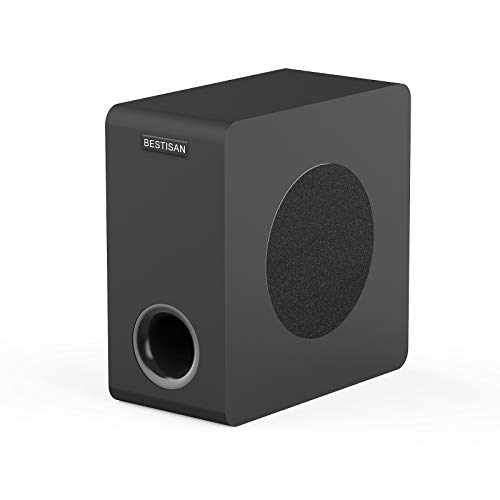
BESTISAN 6.5-inch Powered Subwoofer

Pioneer A-Series TS-A2000LB Shallow-Mount 8-inch

H YANKA SODA-08ASW 8-Inch Underseat Powered Subwoofer
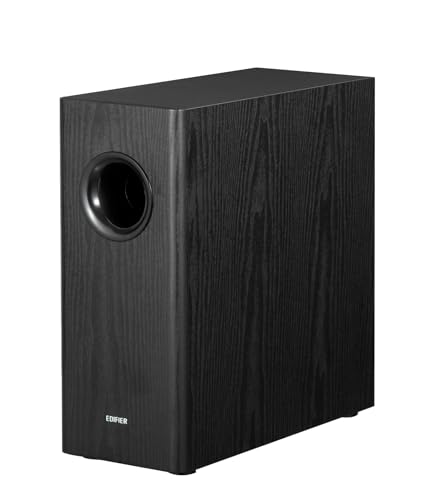
Edifier T5s Powered Subwoofer, 70W RMS, 8-inch Woofer

Dayton Audio Classic CS1000 10-inch Powered Subwoofer

Yamaha HS8 Studio Subwoofer

PreSonus Eris Sub 8BT 8-inch Powered Subwoofer
The BESTISAN leans into small-room convenience, with a 6.5-inch driver and side-firing layout that can tuck into places where larger boxes feel clumsy. In a modest living room or apartment setup, that matters more than chasing oversized cabinet drama.
The connection spread is wide, too, since you get RCA, LFE, AUX, and high-level speaker input and output options. The honest trade-off is that compact size usually asks for sensible expectations on sheer output, so this fits best as a clean bass helper rather than a room-shaking center piece.
Strong Points
- Side-firing design helps it sit more naturally beside furniture.
- Multiple input choices make TV and speaker pairing less awkward.
- High-level speaker connections suit older systems without dedicated sub outs.
- Small footprint is useful in tighter media spaces.
Points To Note
- The 6.5-inch size is more about controlled support than big-room force.
- Placement matters, since corner loading can change how the bass feels.
Feature Snapshot
Who It Suits Best
Home listeners with limited floor space and simple TV audio upgrades will get the most from this one.
A Better Fit Elsewhere
Dayton Audio Classic CS1000 suits living rooms that need a larger 10-inch cabinet and a fuller home-theater feel.
Shallow-mount gear solves a very specific headache, and the Pioneer A-Series TS-A2000LB is aimed squarely at that problem. In cramped trunks or tight vehicle panels, the pre-loaded enclosure is the kind of setup detail that can save a lot of installation frustration.
Compared with the BESTISAN above, this one belongs in a car, not a living room. The trade-off is simple: you’re buying fit-first design more than a versatile home-audio box, so it makes sense only where space is the main constraint.
What We Like
- Pre-loaded enclosure keeps the package more installation-ready.
- Shallow-mount format fits spots where depth is limited.
- 8-inch size gives a better bass foundation than tiny underseat units.
- Works well for vehicle audio upgrades that need careful spacing.
Room For Improvement
- It is a vehicle-specific pick, so home theater use does not make much sense.
- Shallow designs can ask for more thoughtful placement and enclosure planning.
Core Details
Built With In Mind
Drivers who need a bass upgrade in a tight car audio space will get the most from this design.
Where A Sibling Pick Shines
H YANKA SODA-08ASW is the better fit for underseat installs in trucks or Jeeps, where low profile matters even more.
The H YANKA SODA-08ASW is built for vehicles where space gets used up fast, especially under seats in trucks, Jeeps, and daily drivers with busy cabins. Its built-in amplifier keeps the package self-contained, which is handy when you want a cleaner install path.
Compared with the Pioneer enclosure, this one feels even more focused on tight vehicle packaging rather than broader install flexibility. You may find it especially useful in a work truck or off-road setup, where keeping the floor clear matters just as much as the bass itself.
Upsides
- Underseat format helps preserve cabin space.
- Built-in amplifier reduces the need for extra separate gear.
- 8-inch size gives more body than many ultra-slim units.
- Fits well in vehicle setups that need a low-profile bass source.
Softer Spots
- Underseat placement can be more sensitive to available clearance.
- Installation quality matters, so cable routing should be planned carefully.
- It stays firmly in the car-audio lane, not the home-theater one.
Details At A Glance
Perfect Match For
Vehicle owners who need a compact bass upgrade under a seat will get the most value from this layout.
Look Elsewhere When
Pioneer A-Series TS-A2000LB suits drivers who want a pre-loaded shallow-mount enclosure instead of an underseat unit.
Edifier’s T5s looks like the sort of subwoofer that makes sense beside a desk or in a smaller listening room, because the 8-inch woofer and 35Hz low-end reach are aimed at controlled bass rather than brute force. The phase selector is a useful touch, since it helps the bass integrate better with the main speakers instead of sounding detached.
Unlike the car-focused Pioneer and H YANKA options, this one sits naturally in home audio or studio-adjacent spaces. One thing worth considering is that 70W RMS is a modest power figure, so your room size and speaker pairing will shape how satisfying it feels.
Bright Spots
- Phase selector gives you more control over how the bass lines up with your speakers.
- Low-distortion design suits music where bass detail matters.
- Energy-conscious operation is useful for long listening sessions.
- 8-inch format keeps it easier to place near a desk or media stand.
Minor Gripes
- The output profile is better suited to small and medium spaces than huge rooms.
- Setup works best when you take time to match it with the rest of your speakers.
Technical Sheet
Whose Shelf It Belongs On
Music listeners and desk setups with modest room size will appreciate the measured way this model handles bass.
Swap It Out When
Dayton Audio Classic CS1000 fits better for a bigger living room that needs a 10-inch cabinet and a more theater-style presence.
The Dayton Audio Classic CS1000 steps up in scale, and that 10-inch cabinet gives it a more substantial presence than the 6.5-inch BESTISAN or the 8-inch Edifier. In a living room with a TV, soundbar, or traditional receiver, the cleaner wood finish should feel easy to place without drawing too much attention to itself.
The Class-D amplifier is the practical part of the story, because that amp type is known for efficient power delivery in compact electronics. The trade-off is that bigger cabinets take up more floor space, so this is the sort of pick that rewards a room with room to spare.
Reasons To Buy
- 10-inch driver gives it a fuller-scale bass foundation.
- Class-D amplification helps keep the design efficient.
- Clean cabinet styling works well in visible living spaces.
- Home theater and music use both make sense here.
- Better suited to larger rooms than the smaller compact picks.
Areas To Watch
- The cabinet is larger, so placement takes more planning.
- It may feel like more sub than a small apartment needs.
Feature Card
Right Fit For
Households building a larger home-theater setup will get the most from this subwoofer’s scale and styling.
Another Choice May Suit
Yamaha HS8 is a better match for studio work, where tighter monitoring matters more than room-filling bass.
Studio bass is a different animal from home-theater bass, and the Yamaha HS8 sits squarely in that more disciplined lane. For mixing desks and production rooms, that black, no-frills approach makes sense because it keeps attention on what you hear, not on decorative extras.
Compared with the Dayton Audio CS1000, this one is about monitoring judgment rather than lounge-friendly presentation. In most studios, that difference matters a lot more than flashy styling, and the honest read is that this pick makes the most sense for people who need bass reference, not party volume.
What We Like
- Studio-focused design suits mixing and recording spaces.
- Simple black finish blends into a workmanlike setup.
- Powered design keeps the system more self-contained.
- Pairs naturally with monitor-based production workflows.
Small Caveats
- Its studio lean means it is not chasing home-theater spectacle.
- Best results depend on thoughtful room placement and calibration.
Key Specs
The Right Fit
Mixing rooms and home studios are the natural home for this subwoofer.
A Better Fit Elsewhere
PreSonus Eris Sub 8BT suits hybrid spaces better when Bluetooth and home listening both matter.
The PreSonus Eris Sub 8BT is the most flexible pick in this group because Bluetooth adds wireless convenience to a powered subwoofer setup. That makes it appealing in mixed-use rooms, where one day you’re streaming music and the next day you’re tying it into a home theater or music-production rig.
Compared with Yamaha’s more studio-pure stance, this one gives you a bit more everyday convenience without leaving the home-audio lane. You may still prefer a wired setup for critical work, but for casual listening and multipurpose rooms, the added flexibility is hard to ignore.
Positives
- Bluetooth adds cable-light convenience for casual playback.
- Fits home audio, studio desks, and gaming spaces.
- 8-inch format keeps placement manageable in smaller rooms.
- Powered design simplifies the overall setup.
- Works well for rooms that do a little of everything.
Things To Consider
- Wireless convenience is handy, though wired links still suit critical listening better.
- Mixed-use features can matter more than pure output for some setups.
Spec Overview
Who Should Grab It
Multipurpose rooms and mixed-use systems are the strongest match for this Bluetooth-capable subwoofer.
Reach For A Different Pick When
Yamaha HS8 is the better call for a more focused studio-monitoring setup.
How To Choose The Right 8 Powered Subwoofers
Match The Sub To The Room
Cabinet size matters more than many people expect. A 6.5-inch or 8-inch sub fits apartments, desks, and smaller media rooms more naturally, while a 10-inch unit like the Dayton Audio CS1000 makes more sense when the room can handle its footprint.
Placement is part of the purchase, not an afterthought. Side-firing and underseat designs solve different space problems, so the right match depends on whether your limitation is floor area, depth, or cabin clearance.
Think About The Signal Chain
Connection options tell you how smoothly the sub will fit into the rest of your gear. RCA and LFE are common in home theater, high-level speaker input helps with older receivers, and Bluetooth, as on the PreSonus Eris Sub 8BT, adds convenience for casual use.
That flexibility has a trade-off, though, since more connection paths can also mean more setup choices. A simple two-speaker desk setup may only need one clean input, while a mixed entertainment room benefits from more routing options.
Separate Home, Car, And Studio Needs
Car audio subs belong in a very different conversation from studio subs and home-theater subs. Pioneer and H YANKA focus on vehicle fit, Yamaha is built for studio monitoring, and Dayton or Edifier lean more toward living-room or desktop listening.
That split matters because bass behaves differently in each environment. In a car, space and enclosure depth drive the decision; in a studio, accuracy matters more; at home, you’re usually balancing both tone and size.
Use Power And Driver Size As Clues, Not Promises
Wattage and driver diameter are useful signals, but they do not tell the whole story. A 70W RMS 8-inch sub can be the right answer for a smaller room, while a 180W 10-inch model may be the better fit when you want more physical presence.
What matters most is how those numbers match your room and your speakers. Think of them as a map, not the destination, and you’ll avoid choosing a sub that is either too restrained or too much for the space.
Things Worth Knowing First
Common Shopping Slip Ups
Many people start with driver size and stop there. That misses the bigger question, which is whether the cabinet shape, connection style, and room size actually fit the space you have.
Another common miss is buying a car sub for a home room, or a studio sub for a TV setup. Those roles overlap a little, but they are not interchangeable.
Why Top Tier Costs More
Higher-tier models usually pay for better amplifier design, more flexible connectivity, and cabinets that fit more careful tuning. You also tend to get cleaner integration features, like phase control or better enclosure design, which can make setup easier.
The upgrade makes sense when the room is larger, the main speakers are better quality, or the listening is more critical. In a simple bedroom setup, extra complexity may not be worth it, but in a dedicated media room or studio, it often is.
Frequently Asked Questions
What size subwoofer works best for a small room?
An 8-inch model is often the easiest starting point for small rooms. A 6.5-inch unit can work too, especially when floor space is tight.
Do powered subwoofers need a separate amplifier?
No, powered subs have amplification built in. That keeps the system simpler and cuts down on extra boxes.
Is Bluetooth useful on a subwoofer?
Bluetooth is convenient for casual listening and flexible room use. Wired connections still make more sense for critical studio work.
Can a car subwoofer work in a home setup?
It usually does not make sense because car subs are built around vehicle spaces and install styles. Home models are tuned for a different kind of room interaction.
What matters more, wattage or driver size?
Both matter, but neither tells the whole story on its own. Your room size, enclosure design, and placement usually matter just as much.